

Estimated Reading Time: 10 minutes
Boost Soil Fertility with Biochar Farming
Meta Description: Learn how Kenyan farmers use biochar to restore soil, cut costs, and boost yields by 25%—a sustainable farming breakthrough backed by KALRO research.
TL;DR
- Biochar enhances soil fertility, improving crop yields and reducing input costs.
- It is produced from agricultural waste through a carbon-rich process.
- Proper biochar integration can significantly reduce reliance on chemical fertilizers.
- Case studies in Kenya show up to 25% yield increases.
- Biochar aligns with sustainable and cost-effective farming practices.
Key Takeaways
- Integrate biochar into farming practices to improve soil health naturally.
- Apply biochar at optimal depths for maximum benefit and cost efficiency.
- Enhance biochar with organic nutrients to boost its effectiveness further.
- Utilize resources like the Biofarm Kenya Partner Link for sustainable solutions.
Table of Contents
- Background & Context
- Key Insights or Strategies
- Case Studies, Examples, or Comparisons
- Common Mistakes to Avoid
- Expert Tips or Best Practices
- Future Trends or Predictions
- Conclusion
- FAQs
Background & Context
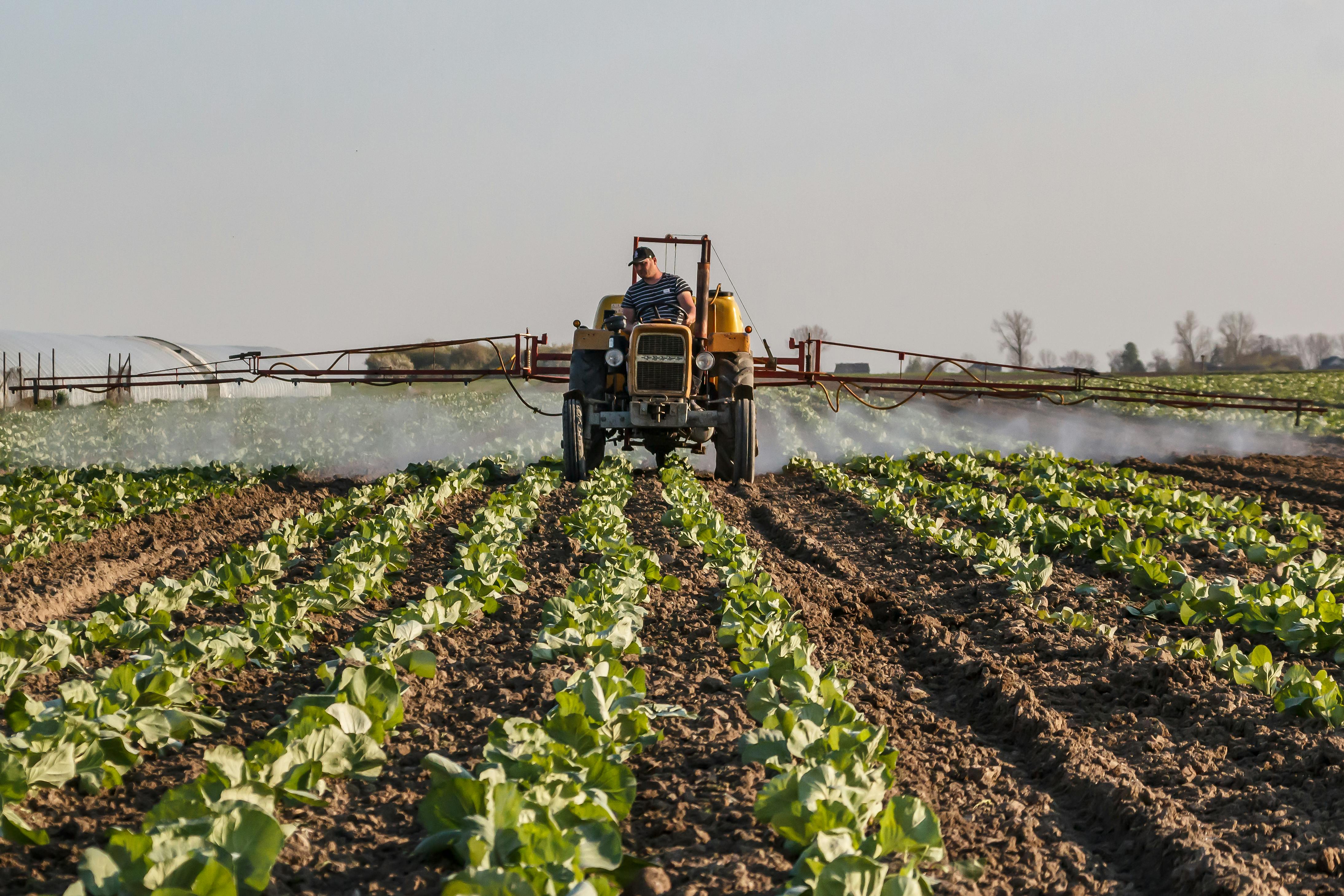
With the urgency of sustainable, cost-effective solutions increasing as of August 2026, Kenyan farmers are turning to biochar to combat declining soil fertility and rising input costs. Biochar, a carbon-rich, charcoal-like substance derived from organic waste, presents a promising alternative.
Key Insights or Strategies
Sourcing and Producing Biochar
Utilize agricultural waste like maize stalks or rice husks. Local farmers have adopted low-tech kilns to produce biochar at low costs, supporting sustainability.
Enriching Biochar with Organic Nutrients
- Mix biochar with compost or manure to elevate nutrient levels.
- Allow the mixture to mature before application to maximize benefits.
Applying Biochar Effectively
- Apply at optimal depths to avoid overuse and ensure longevity.
- Monitor soil pH and moisture for balanced integration.
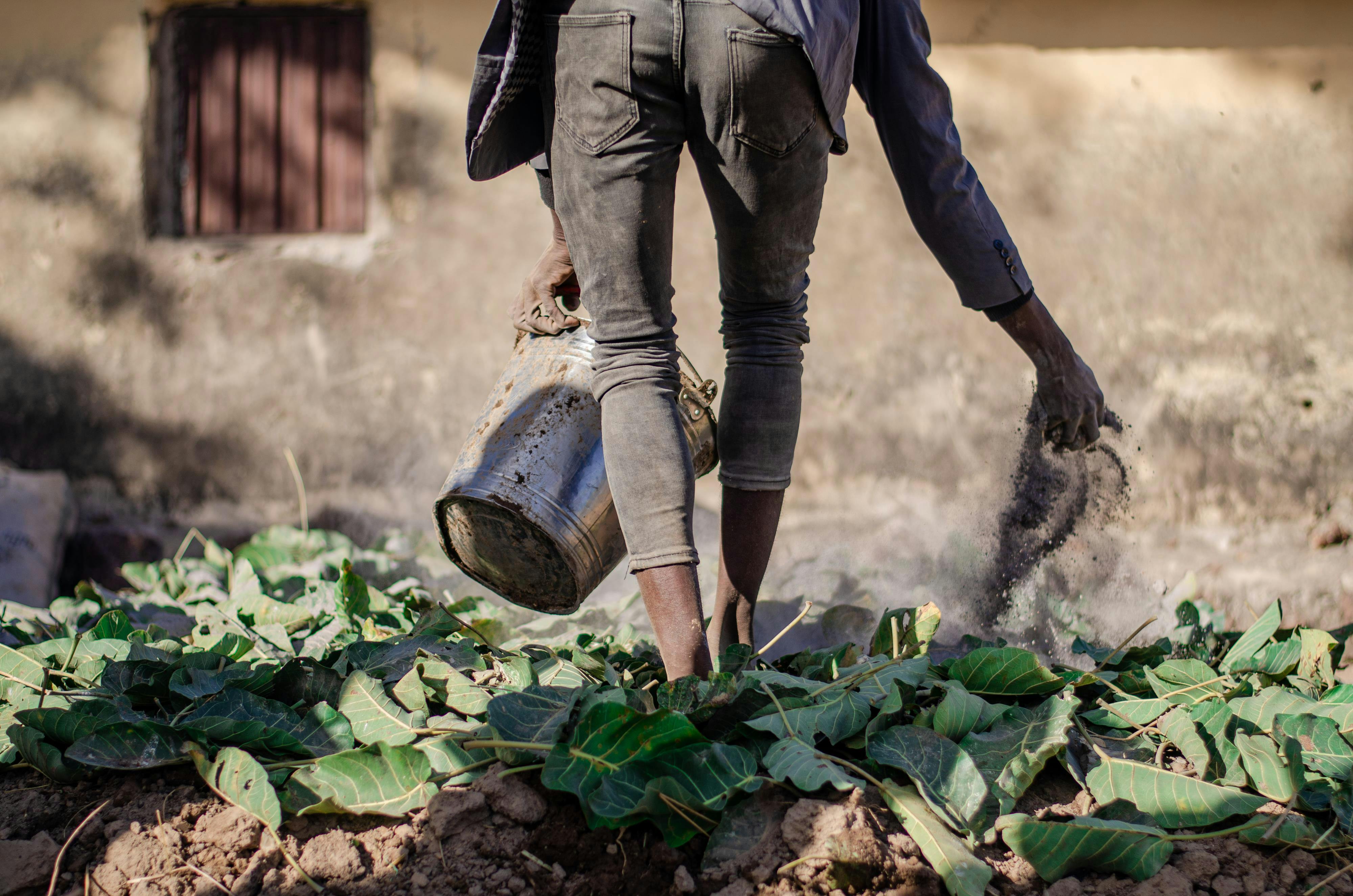
Support soil health monitoring with the Soil pH & Moisture Tester Kit – available on Amazon.Explore sustainable organic farming solutions with Biofarm Kenya
Case Studies, Examples, or Comparisons
In Taita Taveta, Olivanter Mwatika transformed her farm's productivity through biochar adoption, reducing monthly maize purchases significantly (Farm Africa).
Research from KALRO shows that integrating biochar can increase maize yields by up to 25% while also cutting fertilizer costs by 30%.
Common Mistakes to Avoid
- Over-application of biochar leading to soil imbalances.
- Neglecting to test soil pH and moisture levels regularly.
- Inadequate mixing with organic nutrients.
Expert Tips or Best Practices
- Maintain aerobic conditions when mixing biochar with other substances.
- Regularly monitor soil conditions to adapt biochar applications.
- Utilize efficient irrigation methods such as the Raindrip Drip Watering System – available on Amazon to maximize resource efficiency.
Integrate these practices with resources from Biofarm Kenya for comprehensive success.
Future Trends or Predictions
- Adoption of AI-driven technologies for precise biochar application.
- Expansion of biochar markets across East Africa.
- Incorporating biochar in climate-smart practices for enhanced sustainability.
Conclusion
Sustainable agriculture in Kenya is increasingly supported by the integration of biochar, enhancing soil fertility and productivity. Explore further solutions and tools on Amazon and with Biofarm Kenya.
FAQs
What is biochar, and how does it benefit agriculture?
Biochar is a carbon-rich substance that improves soil fertility and enhances water retention. Learn more.
How is biochar produced?
Biochar is produced through pyrolysis, a process of heating organic waste in the absence of oxygen. Discover the process.
Can I produce biochar at home?
Yes, using simple kilns, you can produce biochar using agricultural waste. Read more about methods.
What types of organic nutrients can be used with biochar?
Compost and well-rotted manure are commonly used to enrich biochar. Biofarm Kenya offers solutions.
Are there any environmental concerns with biochar use?
When sourced and applied correctly, biochar has minimal environmental concerns. Explore considerations.
How can I insure cost efficiency with biochar?
Utilizing regionally available biomass and optimizing application rates can control costs. Explore cost strategies.


0 Comments