

Estimated Reading Time: 12 minutes
Switch to Drought-Tolerant Crops for Higher Profits
As of 2026, Kenyan farmers are urgently shifting from traditional maize to drought-tolerant crops like sorghum, green grams, and pigeon peas due to relentless droughts, erratic rainfall, and economic pressures. This trend is driven by evidence showing these crops offer higher resilience, lower input costs, and stable profits—even in semi-arid regions.
Meta Description
Learn how Kenyan farmers are switching to drought-tolerant crops like sorghum & pigeon peas for 30-50% higher yields & lower costs. Start smart farming today.
TL;DR: Kenyan farmers are transitioning to drought-tolerant crops for better yields, lower costs, and sustainable farming in dry regions.
Key Takeaways:
- Adopt drought-tolerant crops like sorghum and pigeon peas for increased yields and reduced input costs.
- Implement conservation agriculture techniques to optimize water usage.
- Secure profitable market linkages for drought-tolerant crops.
Background & Context
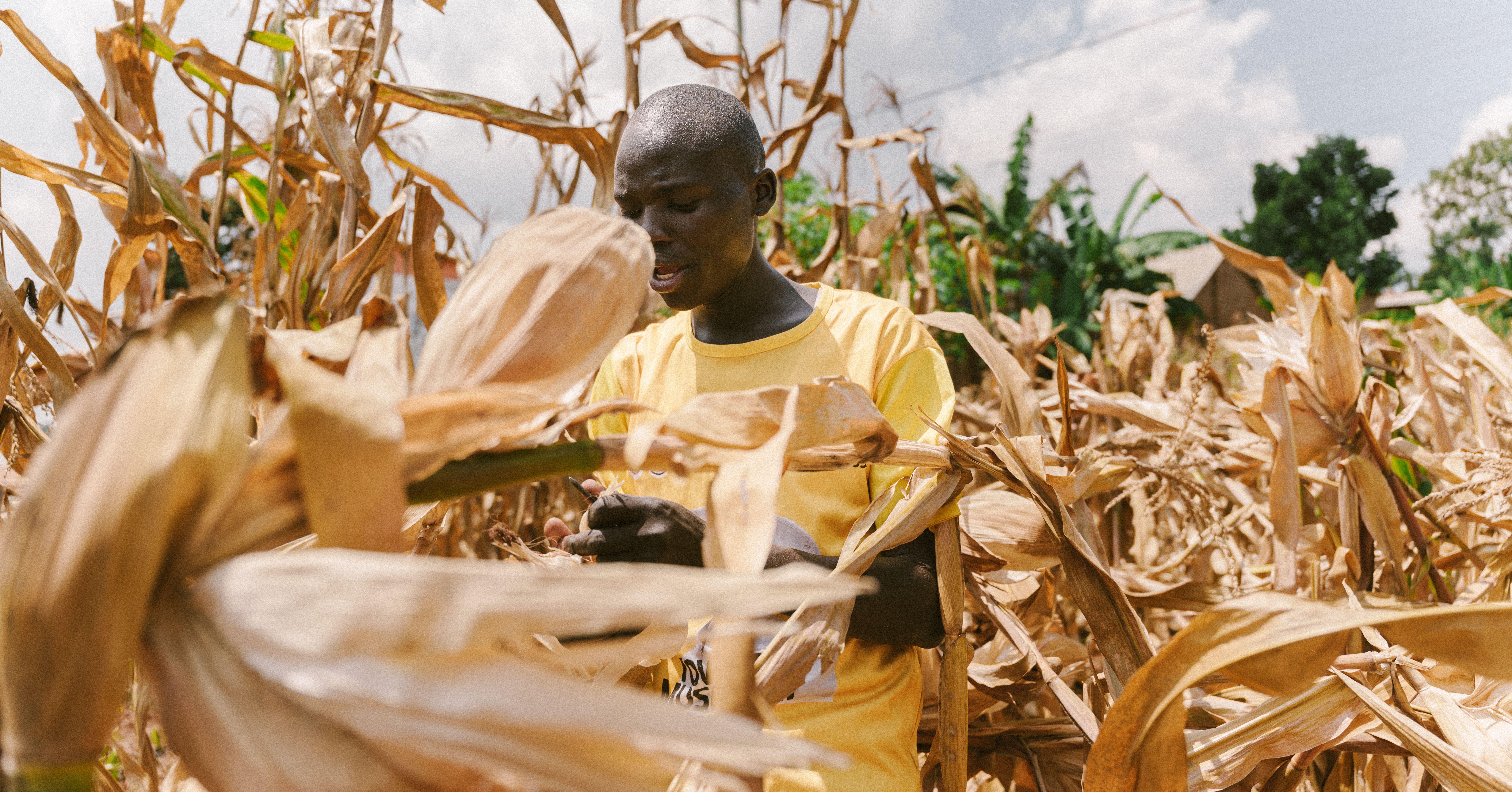
Drought-tolerant farming is becoming the cornerstone of agribusiness in Kenya, primarily due to the stark climate changes over recent years. The International Crops Research Institute for the Semi-Arid Tropics (ICRISAT) has introduced high-yielding, drought-tolerant varieties of pearl millet, sorghum, and pigeon peas to help farmers sustain their livelihoods.
Key Insights or Strategies
Insight 1: Crop Selection
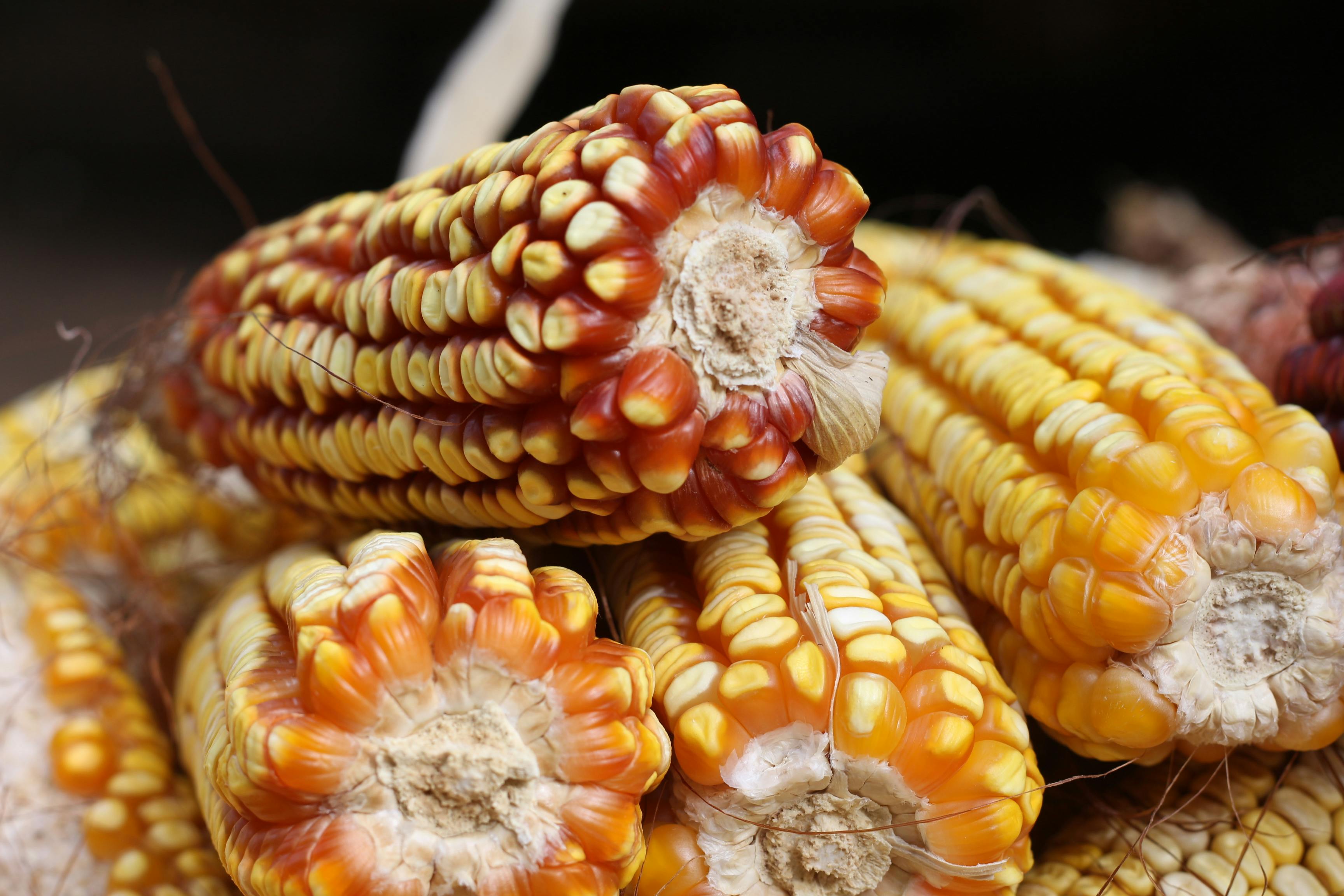
Farmers should prioritize climate-smart varieties like Kenya Mali beans, pearl millet, and FAO-approved sorghum hybrids. These varieties mature faster and require 40% less water than traditional maize.
- Choose crops based on soil conditions and water availability.
- Utilize drought-tolerant hybrids recommended by agricultural experts.
- Consistently monitor crop performance and adjust practices accordingly.
Insight 2: Agronomic Practices
Adopt conservation agriculture techniques, such as tied ridging and zai pits, to maximize soil moisture retention and reduce erosion. For instance:
- Implement mulching to maintain soil moisture.
- Use contour plowing to manage water flow in the fields.
- Invest in drip irrigation systems to optimize water usage.
Explore sustainable organic farming solutions with Biofarm Kenya
Case Studies, Examples, or Comparisons
In Kitui County, Jane Mbiti has experienced a 55% boost in crop yields since switching to sorghum and pigeon peas, as noted by AICCRA's projects. This shift has decreased her dependency on expensive fertilizers and resistant seeds, further stabilizing her income.
Common Mistakes to Avoid
- Over-reliance on chemical fertilizers that degrade soil quality.
- Neglecting appropriate crop rotation methods.
- Ignoring pest control till the infestation reaches critical levels.
Expert Tips or Best Practices
Enhance soil health by utilizing organic fertilizers likeAgroThrive Organic Liquid Fertilizer to ensure eco-friendly farming practices.
Develop cooperative networks with local farming groups to share resources and knowledge, ensuring collective resilience.
Explore sustainable organic farming solutions with Biofarm Kenya
Future Trends or Predictions
Emerging technologies like AI-driven crop monitoring and smart irrigation systems are set to revolutionize agribusiness in Kenya. These innovations promise increased efficiency and sustainability in farming operations.
Conclusion
Switching to drought-tolerant crops in Kenya represents not only a survival strategy but also an opportunity for significant economic gains. By adopting smart farming techniques and aligning with sustainable practices, farmers can ensure higher productivity and resilience.
Discover trusted organic farming tools onAmazonandlearn more about sustainable solutions with Biofarm Kenya.
FAQs
- What are the most successful drought-tolerant crops in Kenya?
Sorghum and pigeon peas have proven successful due to their low water requirements. For further information, refer to CABI's study on drought-resistant crops.
- How do zai pits help in drought-tolerant farming?
Zai pits capture rainwater and improve soil structure, significantly benefiting crop yields in dry areas. More techniques can be found at FAO.
- What is the economic impact of switching to drought-tolerant crops?
Farmers report a 30–50% increase in yields and reduced fertilizer costs, echoing findings from the ICRISAT.
- What are some effective market linkages for drought-tolerant crops?
Engage with breweries and export markets to establish secured channels. Learn more from the Ministry of Agriculture.
- How can smart irrigation systems boost crop resilience?
Systems like the Raindrip R560DP effectively manage water distribution in farms. Find equipment and ideas on KENRIK.
- Why is sorghum preferred over maize in arid areas?
Its lower water requirement and resilience to drought make it ideal for semi-arid regions. Study further through the National Drought Management Authority.


0 Comments