

Estimated Reading Time: 11 minutes
TL;DR: Discover biointensive farming in Kenya, a sustainable method proven to double yields while cutting input costs by 50-70%; learn key steps including double-digging, closed-loop crop rotation, and high-density planting for better resilience and profitability.
Key Takeaways:
- Biointensive farming can effectively combat declining soil fertility and rising costs.
- Implementing double-digging enhances soil health and moisture retention.
- Closed-loop crop rotation reduces dependency on synthetic inputs.
- High-density planting maximizes productivity on small plots.
- Long-term success in Kenya's drought-prone regions shows promise for broader adoption.
| Introduction |
| Background & Context |
| Key Insights or Strategies |
| Case Studies, Examples, or Comparisons |
| Common Mistakes to Avoid |
| Expert Tips or Best Practices |
| Future Trends or Predictions |
| Conclusion |
| FAQs |
Introduction
As of 2026, Kenyan farmers are urgently seeking sustainable, cost-effective farming methods to combat declining soil fertility, rising input costs, and climate unpredictability. Biointensive farming has emerged as a trending, high-impact training need, proven to double yields while reducing input costs by 50-70%. This guide will train farmers on three critical, evidence-backed steps: 1) Double-digging and composting to restore soil health and retain moisture, 2) Closed-loop crop rotation to eliminate synthetic fertilizers and pesticides, and 3) High-density planting to maximize land productivity.
Background & Context
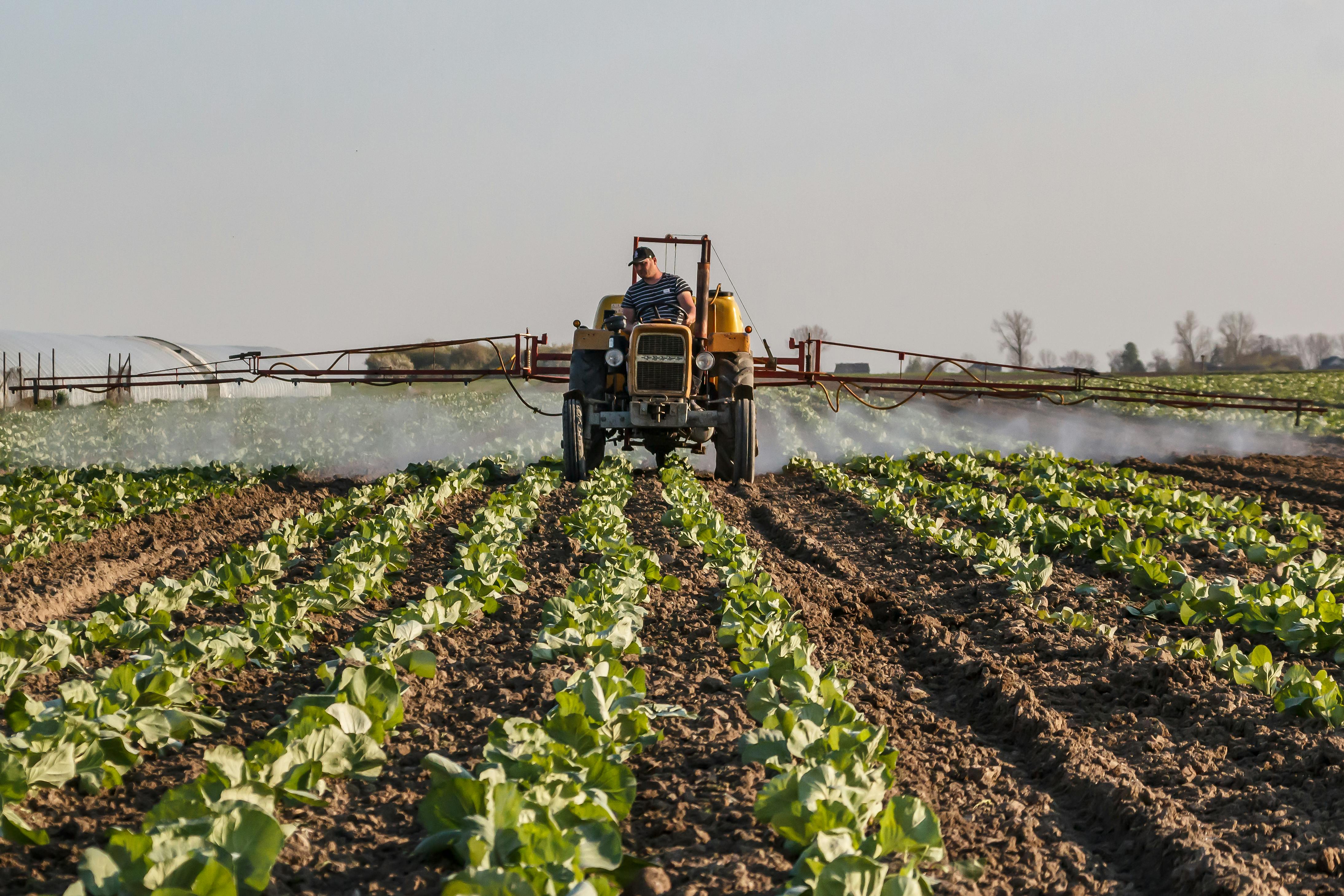
Biointensive farming is not only a response to ecological challenges in Kenya but also an opportunity for smallholder resilience and improved profitability. As the agriculture sector faces the strain of environmental changes, methods concentrating on soil health and sustainable practices become vital. According to a report by the Oakland Institute, more than 80% of Kenya's population depends on agriculture, making sustainable practices crucial for food security and economic stability. [1](https://www.oaklandinstitute.org/sites/default/files/files-archive/Biointensive_Agriculture_Kenya.pdf)
Key Insights or Strategies
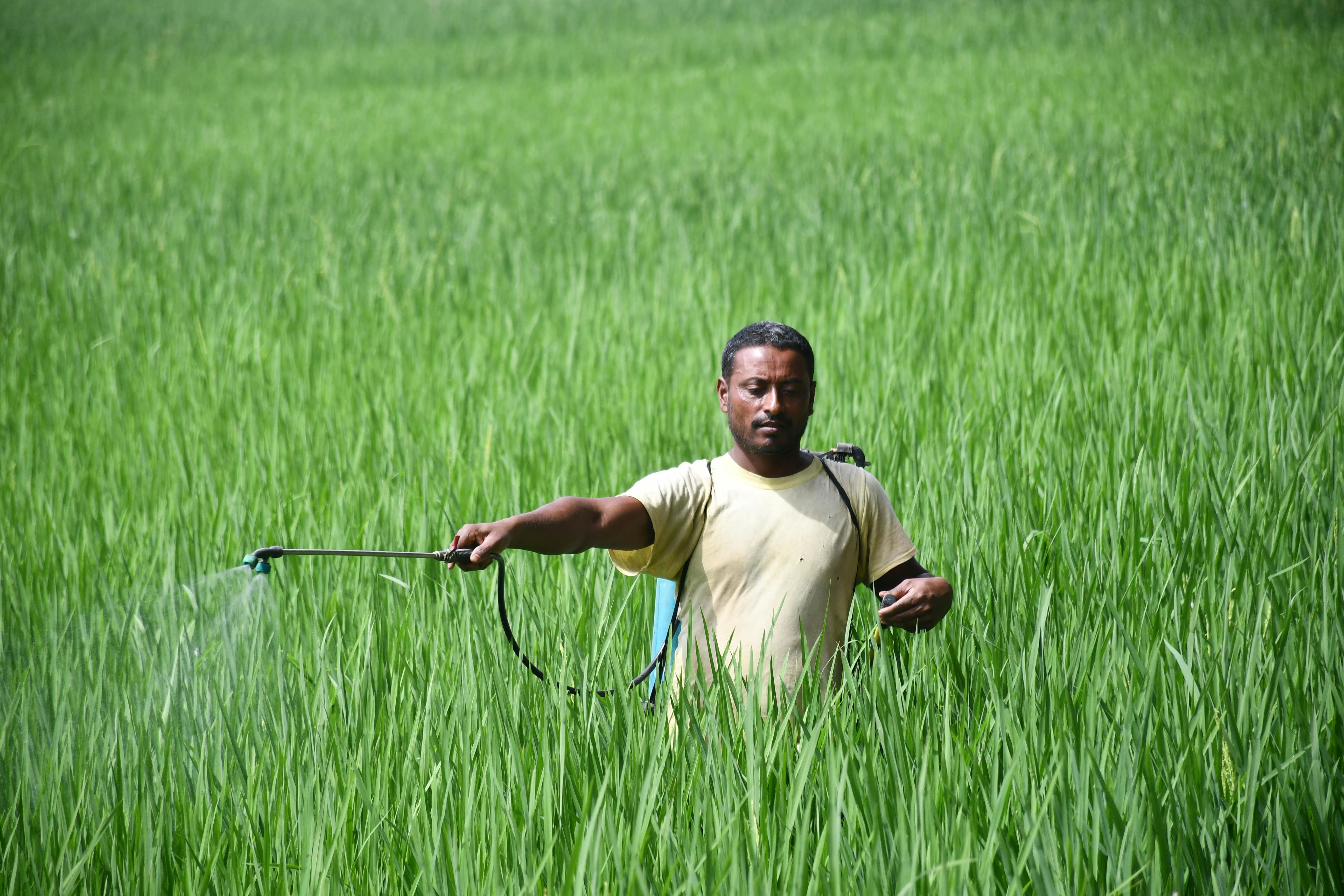
Double-Digging and Composting
Farmers can enhance soil health by adopting double-digging techniques to aerate and nourish the soil with organic compost. This helps not only in water retention but also in fostering microbial activity crucial for fertile soil. A product like the Wallace Organic Wonder Humic & Fulvic Acid can significantly improve soil nutrient absorption, promoting healthier crop growth.
Closed-Loop Crop Rotation
- Choose crops with complementary root depth and nutrient requirements.
- Plan for rotations that support nitrogen fixation.
- Opt for pest-resistant varieties to minimize pesticide use.
Implementing these steps can prevent soil depletion and reduce the need for synthetic inputs. [2](https://www.agroberichtenbuitenland.nl/landeninformatie/afrika/kenia/achtergrond/latest-developments/trends-toward-a-circular-agriculture-in-kenya)
High-Density Planting
Maximize crop yields by planting closer rows and layering compatible crops. This strategy minimizes wasted space and optimizes resources. For irrigation, consider the CARPATHEN Drip Irrigation System Kit to provide consistent water supply while conserving resources.
Explore sustainable organic farming solutions with Biofarm Kenya
Case Studies, Examples, or Comparisons
In Kiambu County, adoption of biointensive practices has shown remarkable results in both yield and soil recovery. According to the FAO, communities implementing these methods experienced 120% increase in crop productivity and water savings of up to 30%. [3](https://www.fao.org)
Common Mistakes to Avoid
- Over-application of Fertilizers: Reduces soil biodiversity and can lead to runoff issues.
- Ignoring Soil Testing: Skipping regular soil tests misses the mark on specific nutrient needs.
- Improper Watering Techniques: Overhead watering can contribute to erosion and soil compaction.
Expert Tips or Best Practices
Maintain soil health through regular organic matter additions. A product like the ProBio Balance Plus Soil Conditioner helps balance soil microflora.
Additionally, consider bio-intensive pest management by integrating companion planting and natural predators.
Keep learning with local initiatives and resources from Biofarm Kenya.
Future Trends or Predictions
Technological advancements like smart irrigation, AI-driven crop monitoring, and vertical farming are poised to revolutionize Kenyan agriculture. These innovations promise to enhance efficiency and predictability against climatic variances [4](https://www.panna.org/resources/climate-resilience-through-agroecology-fifteen-years-of-community-led-sustainable-agricultural-practice-in-kenya).
Conclusion
By adopting biointensive farming, Kenyan farmers can achieve remarkable resilience and productivity gains even in challenging environments. For essential tools, visit Amazon and learn more about sustainable solutions with Biofarm Kenya.
FAQs
What is biointensive farming?
Biointensive farming focuses on maximizing production while improving soil health through techniques such as composting and crop rotation [1](https://www.oaklandinstitute.org/sites/default/files/files-archive/Biointensive_Agriculture_Kenya.pdf).
Why is biointensive farming effective in Kenya?
The method addresses soil degradation and high input costs common in Kenya, leading to increased yields with reduced environmental footprint [2](https://www.agroberichtenbuitenland.nl/landeninformatie/afrika/kenia/achtergrond/latest-developments/trends-toward-a-circular-agriculture-in-kenya).
What tools can assist in biointensive farming?
Tools like the Wallace Organic Wonder Humic & Fulvic Acid can improve soil nutrient uptake [3](https://www.amazon.com/dp/B0198QVNOI?tag=jacksonmachar-20).
How does closed-loop crop rotation work?
By rotating complementary crops, farmers can enhance soil fertility and reduce dependency on synthetic inputs [4](https://www.agroberichtenbuitenland.nl/landeninformatie/afrika/kenia/achtergrond/latest-developments/trends-toward-a-circular-agriculture-in-kenya).
What are the benefits of high-density planting?
High-density planting increases land productivity and resource efficiency, essential for smallholder farmers [5](https://farmonaut.com/africa/best-farming-practices-in-kenya-sustainable-agriculture).
What are some future trends in sustainable agriculture?
Technologies like AI-driven monitoring and vertical farming are set to enhance agricultural efficiency and predictability [6](https://www.panna.org/resources/climate-resilience-through-agroecology-fifteen-years-of-community-led-sustainable-agricultural-practice-in-kenya).


0 Comments