

Estimated Reading Time: 10 minutes
Key Takeaways:- Utilize integrated pest management (IPM) to effectively control Fall Armyworm without relying heavily on chemical pesticides.
- Biological control agents like *Trichogramma* wasps can target pest larvae while preserving the ecosystem.
- Adopt climate-smart maize varieties to improve yields and resistance against drought and pests.
- Explore sustainable farming solutions with Biofarm Kenya and discover more products on Amazon.
TL;DR: Fall Armyworm is a persistent pest problem in Kenya, affecting maize production. Biological pest control through integrated pest management (IPM) offers sustainable solutions. Use proper scouting methods, biological agents, and climate-smart maize varieties to significantly reduce pesticide reliance and boost yields.
Background & Context
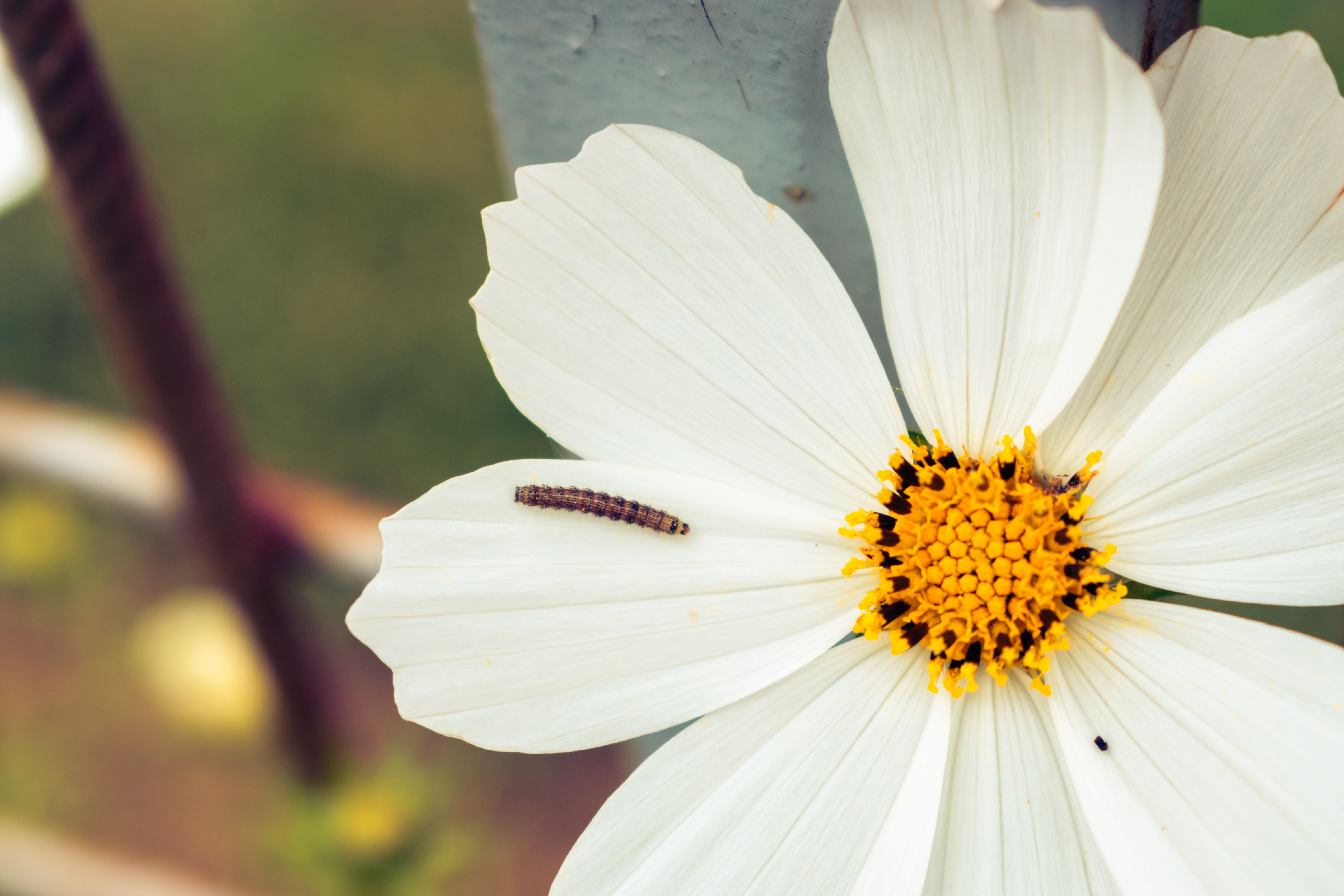
Kenya's agriculture sector plays a crucial role in its economy, contributing 20% of the nation’s GDP and providing employment to over 70% of rural communities. However, challenges like pest infestations and climate change have hindered productivity. Fall Armyworm (FAW) remains a significant threat, particularly to maize crops, causing immense damage despite pesticide interventions.
Key Insights or Strategies
Scouting and Early Detection
- Install pheromone traps to monitor FAW populations, ensuring early detection.
- Regularly inspect maize fields for signs of larvae and adult moths.
- Train field workers to recognize early infestation signs for timely intervention.

Enhance scouting accuracy with tools like the Rapitest Soil Test Kit – available on Amazon.
Biological Control Agents
- Implement *Trichogramma* wasps to target FAW eggs without harming the ecosystem.
- Apply *Beauveria bassiana* fungi as a natural pesticide to control larvae outbreaks.
Explore more biological control tools by visiting Biofarm Kenya.
Case Studies, Examples, or Comparisons
A study by the Kenya Ministry of Agriculture demonstrated a 30% increase in maize yields through the adoption of IPM strategies, confirming reduced pesticide usage by half. Successful farmer experiences in counties like Nyeri and Nakuru emphasize IPM's efficiency in pest management (FAO, 2023).
Common Mistakes to Avoid
- Overreliance on chemical pesticides, leading to resistance in FAW populations. Opt for integrated approaches instead.
- Ignoring regular scouting can result in large, unmanageable infestations.
- Failing to rotate crops annually, which reduces soil fertility and increases pest susceptibility.
Expert Tips or Best Practices
- Maintain soil health through regular soil testing. Use the Soil Test Kit for Garden – available on Amazon.
- Integrate climate-smart maize varieties for resilience against FAW and drought. Discover more at Biofarm Kenya.
- Consider drip irrigation systems to optimize water use, readily available on Amazon.
Future Trends or Predictions
The future of agriculture in Kenya lies in innovations like AI-driven crop monitoring and smart irrigation systems. These technologies enable precision agriculture, enhancing productivity and sustainability. Vertical farming offers a solution to urban food production constraints, further supporting food security.
Conclusion
Sustainable pest management, through biological control and IPM, provides a viable path forward for Kenyan farmers. Embracing these strategies will not only curb FAW threats but also enhance yields and preserve the environment. Discover reliable and eco-friendly farming tools on Amazon and explore sustainable solutions with Biofarm Kenya.
FAQs
- What is Integrated Pest Management (IPM)?
- IPM is a multi-faceted approach to pest control that combines biological, cultural, physical, and chemical tools to manage pest populations in an eco-friendly manner. Learn more at the FAO website.
- How effective are pheromone traps in detecting FAW?
- Pheromone traps are highly effective for early detection, capturing adult moths to monitor infestation levels. More information can be found at the Kenya Bureau of Standards (KEBS).
- What advantages do biological control agents offer?
- They target pests without harming beneficial organisms, maintaining ecological balance. More insights are available at the National Environment Management Authority (NEMA).
- Are climate-smart maize varieties commercially available in Kenya?
- Yes, they are available and offer resistance to drought and pests. For variety suggestions, check out CGIAR.
- How do I maintain soil health for sustainable farming?
- Regular soil testing and the addition of organic matter can significantly improve soil health. Details can be found at Biofarm Kenya.
- What services does Biofarm Kenya offer to support organic farming?
- Biofarm Kenya provides a range of services, including training, organic inputs, and expert consultation for sustainable agriculture. Visit the Biofarm Kenya website for more details.


0 Comments