

Estimated Reading Time: 12 minutes
TL;DR: Integrated Pest Management (IPM) is revolutionizing Kenyan farming. Farmers are adopting biological controls, crop rotation, and climate-smart planting to reduce pesticide costs by 60%. This sustainable approach boosts yields and aligns with market demands for chemical-free produce.
Key Takeaways:
- IPM reduces pesticide reliance by integrating natural predators and crop rotation.
- Climate-smart planting calendars help avoid peak pest periods.
- Trials in Kenya show a 40% cut in pest infestations while maintaining profitability.
Background & Context
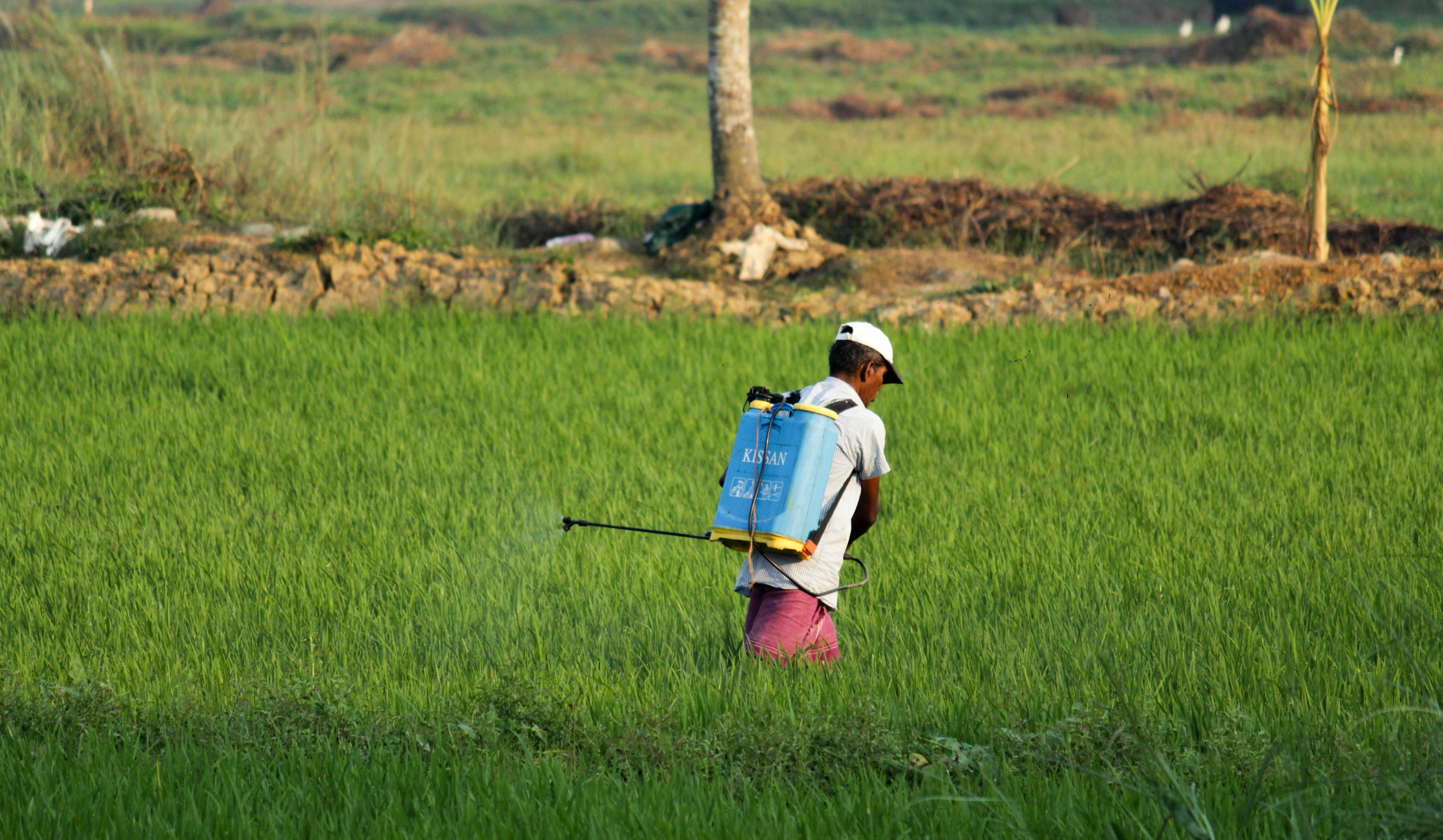
As of August 2026, Kenyan farmers are urgently seeking training in integrated pest management (IPM) to counteract rising pest resistance and climate-induced pest surges. The country's agribusiness sector is evolving, with a renewed focus on sustainable agriculture and organic farming. The need for chemical-free produce is more pressing due to stringent market demands and global environmental concerns.
Key Insights or Strategies

Utilizing Natural Predators
One of the most effective IPM strategies involves introducing natural predators like ladybugs to manage aphid populations. This method significantly reduces the need for chemical pesticides.
Adopting Climate-Smart Planting
Farmers can benefit by adopting climate-smart planting calendars, which help avoid peak pest seasons and thus minimize damage and control issues.
- Evaluate pest threats based on historical data.
- Coordinate planting with climate forecasts.
- Monitor weather patterns to adapt planting schedules.
Boost your yields with the Soil pH & Moisture Tester Kit – available on Amazon.
Explore sustainable organic farming solutions with Biofarm Kenya.
Case Studies, Examples, or Comparisons
In trials conducted by the Kenya Agricultural and Livestock Research Organization (KALRO) in Homa Bay and Nandi counties, farmers employing IPM techniques experienced a 40% reduction in pest infestations without profit loss. These results challenge the prevalent belief that chemical interventions are the only viable solution.
Common Mistakes to Avoid
- Overapplication of fertilizer: Balance soil nutrients to prevent degradation. Utilize a soil test kit to determine exact needs.
- Inefficient irrigation: Invest in drip systems to conserve water and direct nutrients efficiently to plant roots.
Expert Tips or Best Practices
Maintain healthy soil with Organic Compost Starter Mix. Integrate cultural practices like crop rotation to prevent pest cycles from taking hold.
Use the latest Organic Seed Starter Soil for a robust germination process.
Explore sustainable organic farming solutions with Biofarm Kenya.
Future Trends or Predictions
The future of farming in Kenya will be shaped by innovations such as smart irrigation systems and AI-driven crop monitoring. These technologies promise to enhance efficiency and sustainability.
Conclusion
Adopting Integrated Pest Management offers farmers in Kenya a sustainable path to reducing pesticide costs while preserving crop yields. Discover trusted organic farming tools on Amazon and learn more about sustainable solutions with Biofarm Kenya.
FAQs
- What is Integrated Pest Management (IPM)?IPM is an eco-friendly approach to pest control that combines different techniques to reduce or eliminate the use of chemical pesticides. Learn more from the FAO.
- How does climate affect pest management in Kenya?Changes in climate can lead to pest population surges. Utilizing weather data to adapt planting can mitigate these effects. See climate impact studies by KALRO.
- What are the benefits of using natural predators?Ladybugs and other insects can control pest populations effectively without chemical pesticides. Learn more from NEMA.
- Why is crop rotation important?Rotating crops prevents pests from establishing and spreading, improving soil health. For more on sustainable farming techniques, visit KEBS.
- Can IPM be profitable?Yes, IPM can reduce costs and enhance yield without sacrificing profitability, as proven by KALRO trials.
- Where can Kenyan farmers learn more about IPM?Farmers can access resources and training through initiatives such as Biofarm Kenya's Partner Program.


0 Comments