

Estimated Reading Time: 11 minutes
- Enhancing Financial Inclusion and Access to Credit
- Improving Market Access and Value Chain Integration
- Adopting Sustainable and Climate-Smart Agriculture
- Leveraging Agritech for Informed Decisions
Introduction: The Paradox of Plenty
Kenya, a nation celebrated for its vibrant agricultural sector, consistently showcases impressive export figures, particularly in tea, coffee, and horticultural products. These exports generate billions, painting a picture of a prosperous farming landscape. Yet, beneath this thriving surface lies a stark reality for the majority of the country's smallholder farmers. They grapple daily with razor-thin margins, persistent poverty, and a relentless struggle for profit. This dichotomy begs a crucial question: Discover why Kenya's smallholder farmers struggle for profit despite booming exports. It is a puzzle that baffles many, as the very hands that feed the nation and fuel its economy often remain empty. This article aims to peel back the layers, to uncover the real challenges and learn who truly benefits from the billion-dollar agricultural sector, offering insights and strategies for a more equitable future.
Background & Context: The Backbone of Kenya
Agriculture is undeniably the bedrock of Kenya’s economy, forming the livelihood for over 70% of its rural population and contributing significantly to the nation's Gross Domestic Product (GDP). Historically, this sector has been a key driver of economic growth and food security. Despite its monumental importance, the benefits often do not trickle down to the grassroots level, where millions of smallholder farmers toil. They are the backbone, yet they often bear the heaviest burdens.

The paradox is striking: while Kenya's agricultural exports, including popular items like cut flowers, fresh vegetables, and fruits, have soared, bringing in substantial foreign exchange, the smallholder farmers producing these goods often find themselves in precarious financial situations. For instance, Kenya's agricultural trade surplus, a key indicator of export health, fluctuated significantly, declining from $709.16 million in 2020 before rebounding, demonstrating market volatility that disproportionately affects smaller producers (World Bank Data). Small-scale farmers often lack the infrastructure, market access, and financial stability to weather such economic shifts, highlighting a critical gap between national agricultural success and individual farmer prosperity. Moreover, the average farm size in Kenya is often less than two acres, making efficiency and profitability a constant uphill battle.
The challenges are multi-faceted: rising farm input costs, including seeds, fertilizers, and pesticides, consistently depress profit margins. Climate change introduces unpredictable weather patterns, leading to droughts and floods that devastate crops and livestock, further exacerbating food insecurity and financial instability. Lack of access to affordable credit, inadequate irrigation, and poor storage facilities compound these issues, leaving farmers vulnerable and unable to invest in necessary improvements.
Key Insights or Strategies for Profitability
To transform the narrative for Kenya's struggling farmers, a multi-pronged approach focusing on empowerment, innovation, and equitable value chains is essential. These strategies are not mere suggestions but crucial pathways to unlock the true potential of the agricultural sector for those who sustain it.
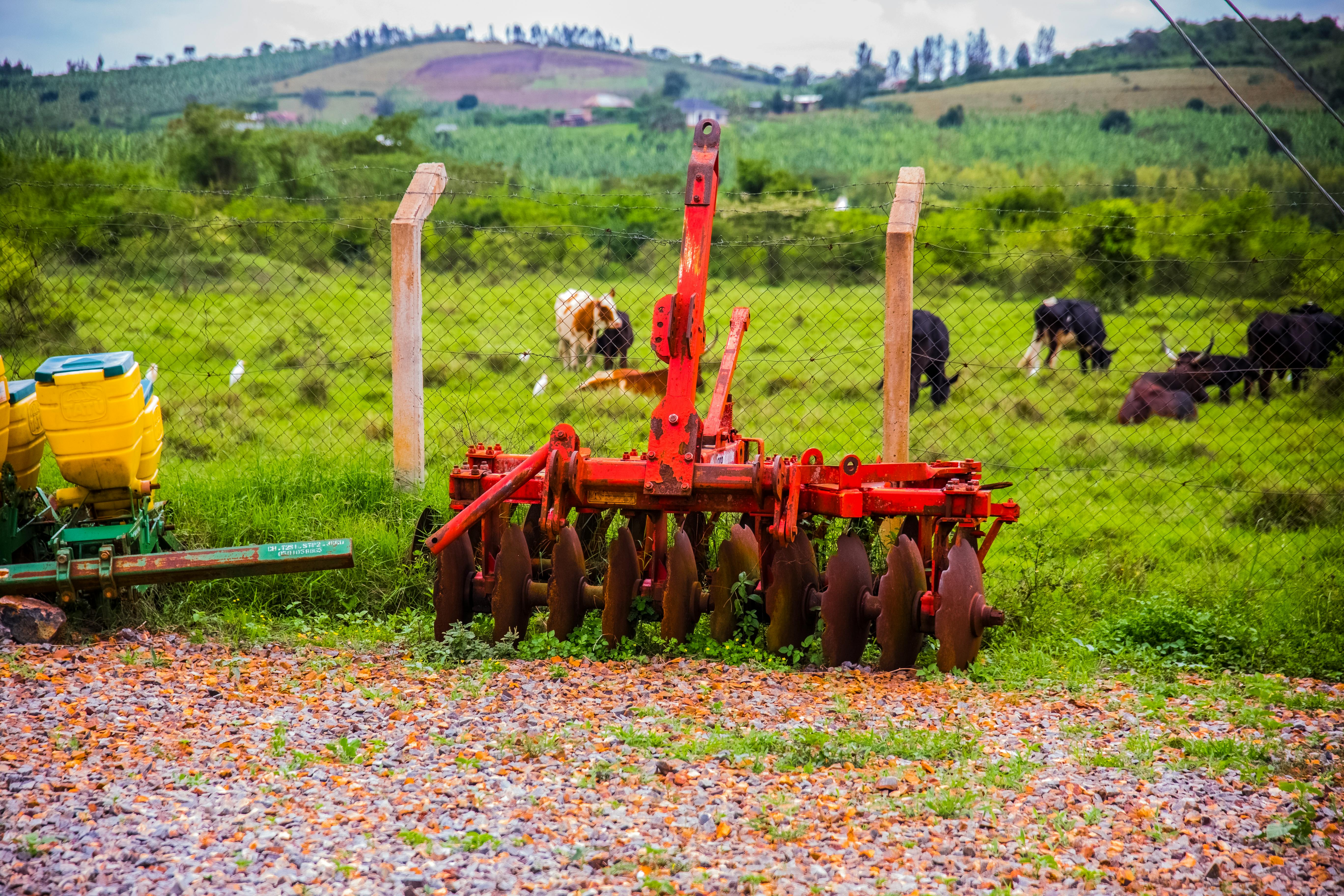
Enhancing Financial Inclusion and Access to Credit
One of the most significant barriers for smallholder farmers is the limited access to affordable financing. Without capital, farmers cannot invest in quality seeds, fertilizers, or necessary equipment, hindering productivity and growth.
Improving Market Access and Value Chain Integration
The opaque nature of agricultural supply chains, often dominated by middlemen, significantly erodes farmer profits. Direct access to markets is vital for fair returns.
Adopting Sustainable and Climate-Smart Agriculture
Environmental degradation and climate variability pose existential threats to farming. Sustainable practices are not just eco-friendly but economically shrewd.
Leveraging Agritech for Informed Decisions
Technology holds immense potential to bridge information gaps and enhance productivity for smallholder farmers.
By integrating these key strategies, Kenya's smallholder farmers can move beyond mere subsistence, charting a course towards sustainable profitability and economic empowerment. To further explore how innovative solutions can support this transformation, consider to Explore sustainable living solutions with Eco-Oasis Firm.
Case Studies, Examples, or Comparisons: Pathways to Success
Across Kenya, various initiatives and farmer groups are demonstrating how strategic interventions can lead to significant improvements in smallholder profitability. These real-world examples serve as powerful blueprints for change, highlighting what works and why.
One notable success comes from farmer cooperatives in the horticultural sector. For instance, groups of small-scale avocado farmers in Murang'a County, by pooling their produce and selling directly to exporters, have significantly increased their earnings per kilogram compared to selling through local middlemen. This collective bargaining power allows them to negotiate better prices, secure consistent market access, and even access higher-quality inputs at bulk rates. Such cooperatives often work with organizations like the Horticultural Crops Directorate (HCD) to meet export standards, further enhancing their marketability.
Another compelling example is the impact of various programs that focus on financial inclusion and market access. The Alliance for a Green Revolution in Africa (AGRA), through its partnerships, has played a crucial role. In recent years, AGRA supported numerous youth-owned agricultural enterprises and helped thousands of Small and Medium-sized Enterprises (SMEs) access credit worth millions of dollars. Crucially, they also enabled smallholder farmers to access substantial credit, totaling over $231 million, demonstrating the tangible impact of targeted financial support on rural livelihoods (AGRA Annual Report, 2021). This access to capital allows farmers to invest in better inputs, irrigation, and post-harvest handling, directly translating to higher yields and improved profitability.
Beyond finance, climate-smart agriculture initiatives are showing promise. In drier regions, farmers adopting drought-resistant crops like improved varieties of sorghum and millet, combined with water harvesting techniques such as sand dams and terracing, have managed to sustain yields even during prolonged dry spells. These practices, often supported by NGOs and governmental agricultural extension services, exemplify how adaptation to climate change can secure food supply and income. For example, a study on farmers' climate change adaptation practices in Kenya found a positive correlation between the number of adaptation strategies adopted and improved food security outcomes, underscoring the effectiveness of these approaches (Journal of Environmental Economics and Policy). Such initiatives also align with global sustainability goals, positioning Kenyan agriculture for a resilient future.
The CASA Kenya Program also highlights opportunities for agribusinesses to drive green and inclusive growth. By fostering an environment where smallholder farmers can integrate into more formal and sustainable value chains, these programs prove that profitability and environmental stewardship are not mutually exclusive but rather complementary forces. These case studies underscore a vital lesson: empowerment through organized groups, access to finance, sustainable practices, and strategic market linkages are the cornerstones of transforming smallholder farming in Kenya.
Common Mistakes to Avoid
While the path to profitability for Kenyan smallholder farmers is fraught with external challenges, certain internal practices and common missteps can inadvertently exacerbate their struggles. Understanding and actively avoiding these pitfalls is crucial for sustainable success.
Firstly, many farmers fall into the trap of monoculture, relying heavily on a single cash crop. While this might simplify farming initially, it exposes them to immense risk. A single disease outbreak, pest infestation, or drastic price drop in the market can wipe out an entire season's earnings, leaving them with no alternative income source. Diversification, both in crops and livestock, acts as a natural buffer against such shocks.
Secondly, there's often a lack of adequate market research and planning before planting. Farmers might continue growing traditional crops or what their neighbors grow, without assessing current market demand, pricing trends, or potential buyers. This can lead to oversupply, depressed prices, and significant post-harvest losses due to inability to sell. Understanding market dynamics is as important as understanding soil dynamics.
A third common mistake is the mismanagement of farm inputs and finances. This includes purchasing expensive inputs without a clear return on investment, failing to keep proper financial records, and taking out high-interest loans without a solid repayment plan. High input costs, combined with fluctuating commodity prices, can quickly drive farming households into debt, sometimes necessitating the sale of valuable assets to cope (Food and Agriculture Organization). Prudent financial literacy and strategic input procurement are essential.
Fourthly, many smallholders neglect soil health and environmental sustainability. Continuous farming without proper soil management, excessive use of chemical fertilizers, and deforestation on farm boundaries degrade land quality over time. This leads to diminishing yields and increased reliance on costly external inputs, creating a vicious cycle of environmental and economic decline.
Finally, passive engagement with the supply chain is a significant error. Farmers who simply wait for middlemen to arrive at their farm gate, without actively seeking better buyers or joining farmer groups, often receive the lowest prices. This passive approach allows intermediaries to dictate terms, capturing the lion's share of the profit. Proactive market engagement, knowledge of prices, and collective action are vital to reclaim a fairer share of the value chain.
Expert Tips or Best Practices
Transitioning from struggle to sustainable profit requires not just avoiding pitfalls, but actively embracing expert strategies and best practices. These tips offer actionable guidance for Kenyan smallholder farmers looking to enhance their productivity, profitability, and resilience.
By proactively implementing these expert tips, Kenyan smallholder farmers can systematically build more resilient and profitable farming enterprises. For deeper engagement with sustainable practices and access to innovative tools, Explore sustainable living solutions with Eco-Oasis Firm.
Future Trends or Predictions
The agricultural landscape in Kenya is dynamic, shaped by global forces, technological advancements, and the undeniable impact of climate change. For smallholder farmers, understanding these emerging trends is crucial for strategic planning and long-term success.
One prominent trend is the accelerating adoption of Agritech solutions. From drone technology for precision mapping and crop health monitoring to AI-powered chatbots like Farmer.Chat (developed by Digital Green) providing real-time agricultural advice, technology is set to revolutionize farming practices. Mobile platforms for market information, digital payments, and micro-insurance will become increasingly prevalent, empowering farmers with data-driven decision-making capabilities and greater financial security. This digital transformation offers immense potential to enhance efficiency and productivity.
Another critical area is the intensified focus on climate change adaptation and resilience. As rainfall patterns become more erratic and temperatures rise, investment in drought-resistant crop varieties, efficient water management systems (such as smart irrigation and large-scale water harvesting projects), and early warning systems for extreme weather events will become paramount. Agroforestry, which integrates trees into farming landscapes, will gain traction for its ability to enhance biodiversity, improve soil health, and offer additional income streams, contributing positively to food security outcomes as farmers adopt diverse strategies (Journal of Environmental Economics and Policy).
We also anticipate a significant shift towards high-value crops and organic farming. As consumer demand in both local and international markets leans towards healthier, sustainably produced food, farmers who can meet these standards will access premium markets. Crops like exotic fruits, herbs, and organically certified produce offer higher margins than traditional staples. This requires investment in quality control, certification, and market linkages, but the returns can be substantial.
Furthermore, there will be increased emphasis on strengthening agricultural supply chains and policy support. Governments and development partners will likely invest more in infrastructure – roads, cold storage, and processing facilities – to reduce post-harvest losses and improve market access. Policies aimed at regulating middlemen, promoting fair trade practices, and supporting farmer cooperatives will become more robust, ensuring a fairer distribution of profits across the value chain. The push for market-oriented agriculture by initiatives like the National Agricultural Value Chain Development Project (NAVCDP) will continue to drive this transformation.
Finally, the role of youth engagement in agriculture is expected to grow. As technology makes farming more appealing and less labor-intensive, more young Kenyans are likely to see agriculture as a viable and profitable career path, bringing fresh perspectives and innovative approaches to the sector. This demographic shift could inject much-needed dynamism and entrepreneurship into rural economies. These trends collectively paint a picture of a more technologically advanced, climate-resilient, and potentially more equitable agricultural future for Kenya.
Conclusion: Cultivating a Fairer Future
The journey of Kenya's smallholder farmers, marked by immense resilience yet persistent struggle, underscores a profound paradox within a booming agricultural economy. We have explored how the benefits of impressive export figures often bypass the very producers who fuel this success, highlighting critical challenges from financial exclusion to market exploitation by intermediaries. Yet, the path forward is clear and actionable: through enhanced financial literacy and access, robust farmer cooperatives, the embrace of sustainable and climate-smart agricultural practices, and the strategic adoption of agritech, smallholder farmers can reclaim their rightful share of the agricultural wealth.
It is imperative for all stakeholders – farmers, policymakers, financial institutions, and consumers – to actively participate in building an agricultural sector that is not only productive but also equitable and sustainable. By fostering an environment where smallholder farmers are empowered with knowledge, resources, and fair market access, Kenya can truly unlock the full potential of its agricultural backbone. The future of Kenya’s food security, economic stability, and rural prosperity hinges on addressing these systemic issues. Let us commit to cultivating a fairer future, where every farmer can thrive. To be part of this transformative journey and explore solutions that champion sustainable living, we invite you to Explore sustainable living solutions with Eco-Oasis Firm.
FAQs: Addressing Your Concerns
External Authoritative Links:
Internal Link Suggestions for Eco-Oasis Farm Blog:


0 Comments