

Estimated Reading Time: 12 minutes
- Focus on climate-smart, regenerative farming practices without hybrid seeds.
- Use organic alternatives to enhance soil health and reduce costs.
- Implement intercropping, organic compost, and IPM for sustainability.
- Explore innovative irrigation and pest control technologies.
- Rotate crops to naturally replenish soil nutrients.
- Reduce chemical reliance with push-pull technology for pest management.
- Leverage natural fertilizers to cut synthetic inputs by 40%.
- Adopt advanced irrigation systems to conserve water.
- Connect with experts and partners for sustainable solutions.
As of August 2026, Kenyan farmers are urgently searching for alternatives to hybrid maize seeds due to escalating soil degradation, rising input costs, and alarming pest resistance. This trending training need demands a shift toward climate-smart, regenerative farming practices that restore soil health and reduce dependency on costly inputs. The core focus must be on diversified crop rotation, organic soil enrichment, and integrated pest management (IPM). These methods are proven to boost yields by 30–50% while slashing costs and climate risks.
Background & Context
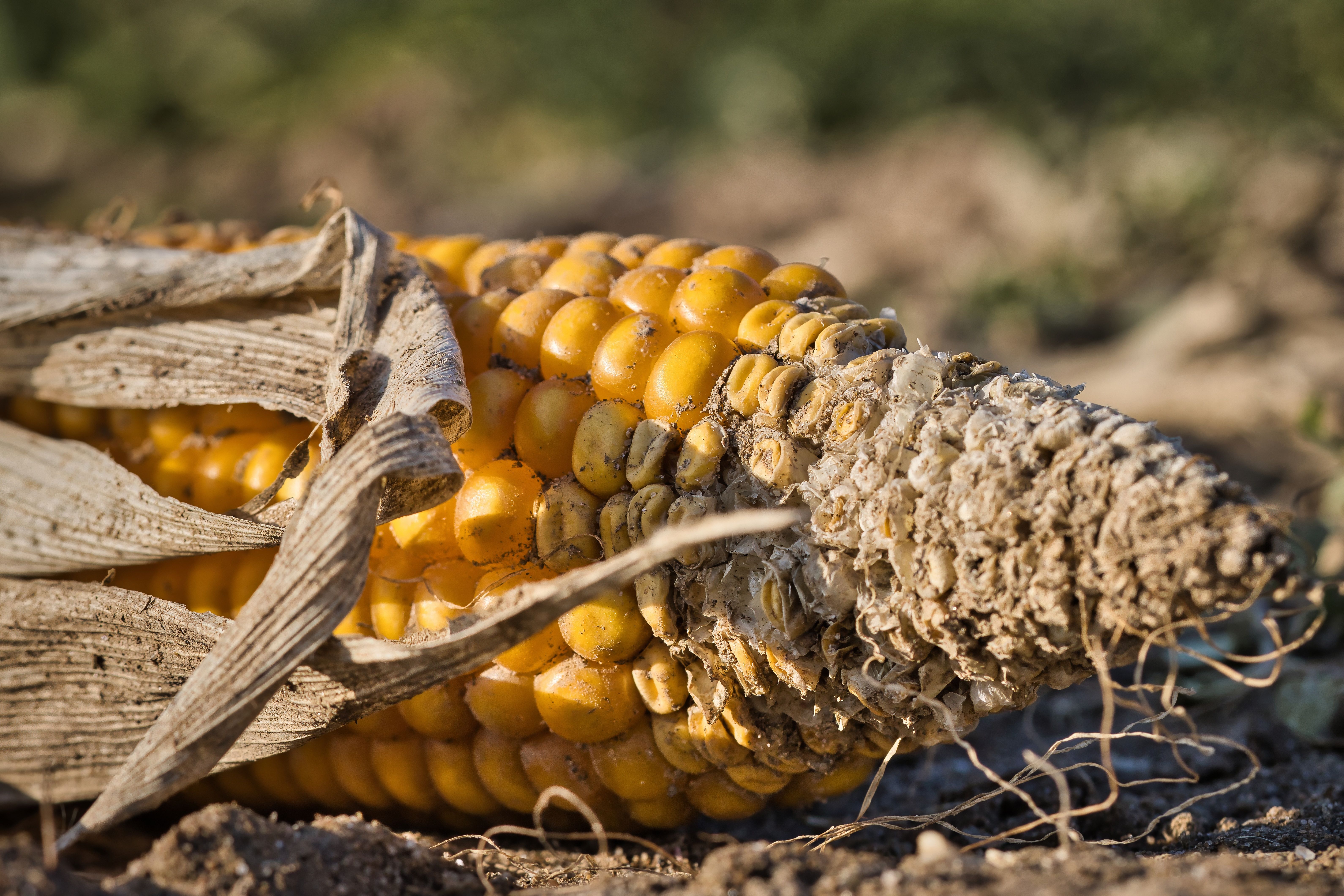
Kenya's agricultural sector has faced challenges over the years, including soil infertility and climate change repercussions. Despite these obstacles, sustainable farming practices are gaining momentum, showing promising improvements in soil fertility and agribusiness growth.
Key Insights or Strategies
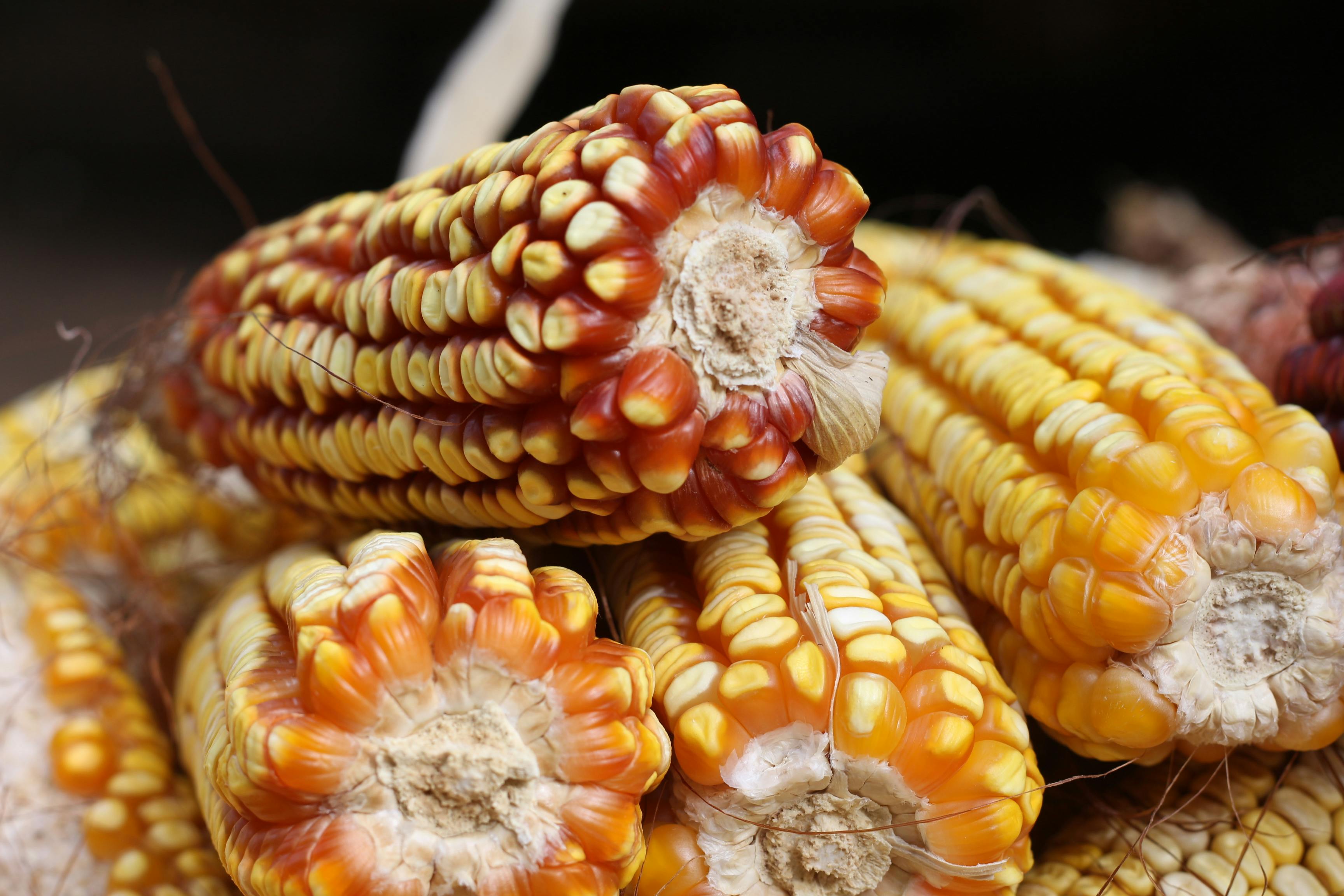
1. Diversified Crop Rotation
- Intercropping: Combine maize with legumes like cowpeas to naturally fix nitrogen.
- Organic Soil Enrichment: Use compost and biofertilizers to replenish soil nutrients.
- Integrated Pest Management: Embrace push-pull technology for effective pest control.
For effective soil testing, consider the Soil Test Kit for Garden Lawn – available on Amazon.
Explore sustainable organic farming solutions with Biofarm Kenya
Case Studies, Examples, or Comparisons
Success stories from Kenyan farmers demonstrate the potency of sustainable practices. According to the Greenlife Expert Guide, intercropping and organic fertilizers have significantly enhanced yield outcomes.
Common Mistakes to Avoid
- Over-reliance on synthetic fertilizers without considering organic alternatives.
- Ignoring crop rotation and monoculture practices that degrade soil quality.
- Not utilizing water-efficient irrigation systems, leading to waste.
Expert Tips or Best Practices
Maintain healthy soil with Organic Compost Starter Mix. Additionally, an efficient irrigation system can save water significantly.
Explore sustainable organic farming solutions with Biofarm Kenya
Future Trends or Predictions
The future of Kenyan agriculture includes smart irrigation systems, AI-driven crop monitoring, and vertical farming, shaping more resilient and productive agricultural landscapes.
Conclusion
Sustainable maize farming without hybrid seeds is not only feasible but essential. Discover trusted organic farming tools on Amazon and learn more about sustainable solutions with Biofarm Kenya.
FAQs
- What are regenerative farming practices? – Regenerative farming focuses on restoring soil health through organic methods and crop diversification.
- How can I improve soil fertility? – Use organic compost and biofertilizers to naturally enhance soil nutrients. Learn more at FAO.
- What is integrated pest management (IPM)? – IPM is a systematic approach using biological and cultural strategies to manage pests sustainably. Infonet Biovision.
- Why should I intercrop maize with legumes? – Intercropping can naturally enrich the soil by fixing nitrogen. Read more about its benefits.
- What irrigation systems are best for small farms? – Drip irrigation systems are water-efficient and suitable for small farms. Explore irrigation solutions.
- How can I learn more about sustainable agriculture? – Join Biofarm Kenya's initiatives for more resources and guidance.


0 Comments