

Estimated Reading Time: 15 minutes
Switch to No-Till Farming for Better Yields
As of August 2026, Kenyan farmers face unprecedented climate variability, with erratic rainfall and prolonged droughts threatening food security. Yet, conventional ploughing—long touted as the gold standard—is accelerating soil degradation, moisture loss, and crop failures. The trending shift? No-till farming, a climate-smart practice proven to retain soil moisture, reduce erosion, and cut input costs by up to 30%. Farmers urgently need training on this counterintuitive but evidence-backed method.
TL;DR:
- No-till farming retains soil moisture and reduces erosion.
- Boosts crop yields by minimizing soil disturbance.
- Requires strategic implementation of residue management and direct seeding.
- Reduces labor and fuel costs significantly.
- Use tools like soil testing kits for optimal results.
Key Takeaways:
- Transitioning to no-till farming can enhance yields by 20% over time.
- Implement direct seeding and cover cropping techniques.
- Participate in workshops and training offered by local agricultural bodies.
- Explore sustainable organic farming solutions with Biofarm Kenya.
Table of Contents:
- Background & Context
- Key Insights or Strategies
- Case Studies, Examples, or Comparisons
- Common Mistakes to Avoid
- Expert Tips or Best Practices
- Future Trends or Predictions
- Conclusion
- FAQs
Background & Context
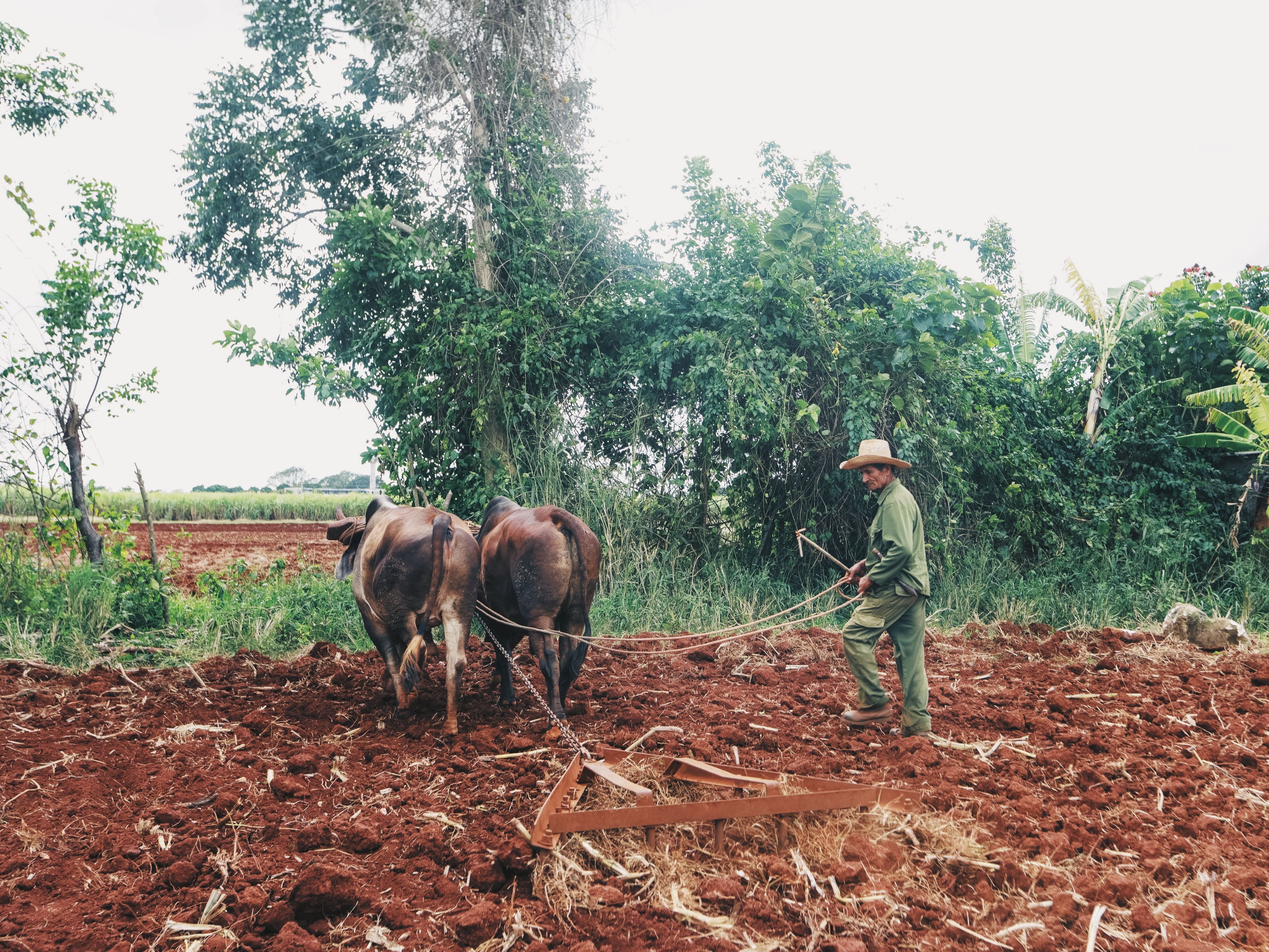
Kenya's agricultural sector is a vital component of its economy, contributing about 35% to the GDP. However, with rapid population growth and changing climatic conditions, farmers face formidable challenges. No-till farming presents an innovative solution to improve soil health and increase productivity without the adverse effects of traditional ploughing methods.
Key Insights or Strategies
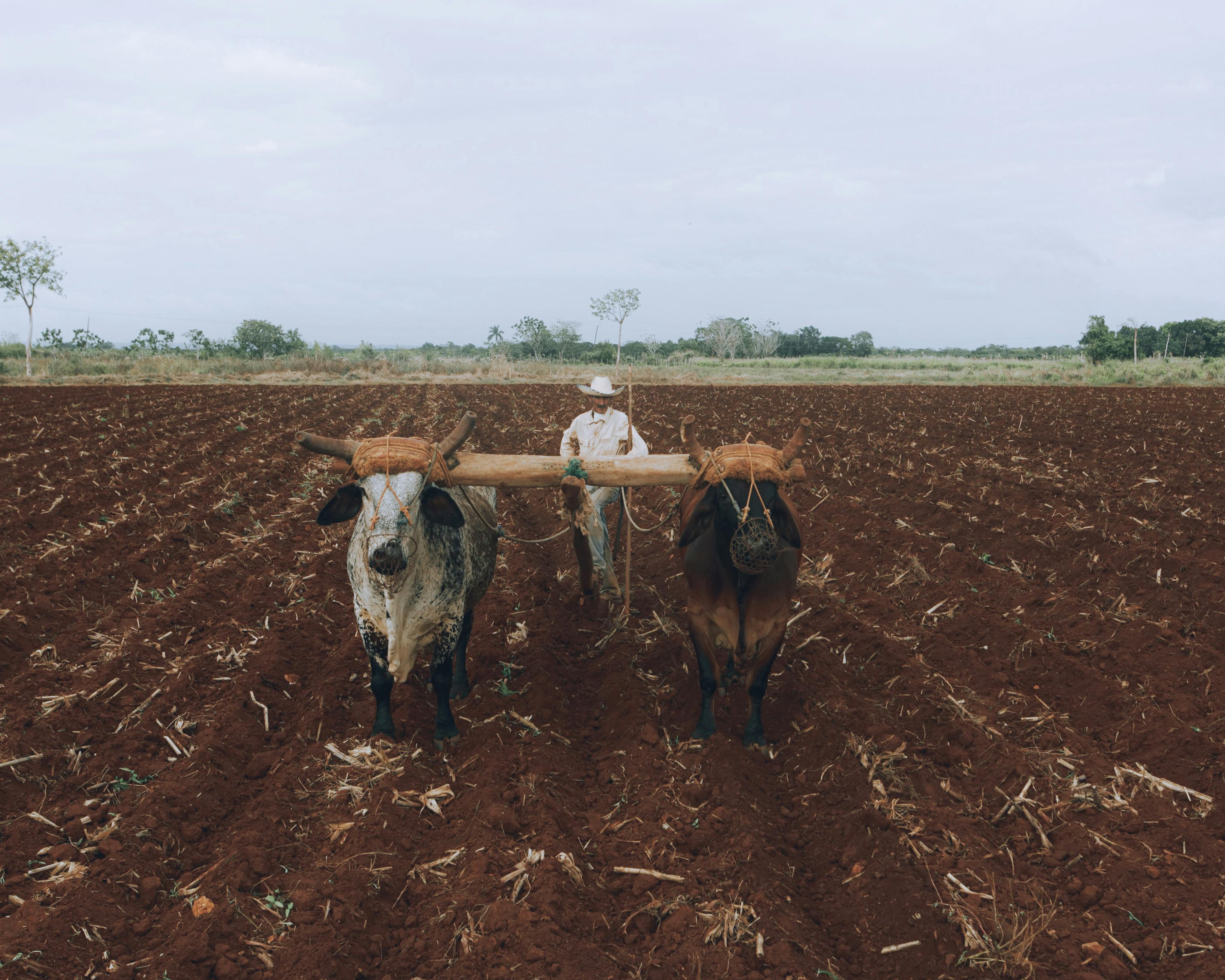
Transitioning to No-Till Farming
- Residue Management: Leave crop residues on the field to protect the soil surface and improve organic matter.
- Direct Seeding Techniques: Use specialized equipment to plant seeds directly into undisturbed soil.
- Cover Cropping: Plant cover crops to minimize weed growth and improve soil fertility.
Consider using the Soil pH & Moisture Tester Kit – available on Amazon to better understand your soil's needs.
Explore sustainable organic farming solutions with Biofarm Kenya.
Case Studies, Examples, or Comparisons
Successful examples of no-till farming are evident among various Kenyan farmers. For instance, a study by the CGIAR in Western Kenya showed a yield increase of 25% in maize production over a two-year period. Further reading can be found from Kenya’s Ministry of Agriculture.
Common Mistakes to Avoid
- Improper Timing: Planting and harvesting must be timely to complement the no-till method.
- Ignoring Weed Control: Utilize herbicide rotations to manage weeds effectively.
- Overlooking Soil Health: Regular soil testing aids in understanding nutrient needs and deficiencies.
Expert Tips or Best Practices
Experts recommend the following for successful no-till farming:
- Maintain Diversity: Incorporate crop rotation to enhance soil structure.
- Use Efficient Irrigation Systems: Adopt systems like Drip Irrigation Kit for Garden Watering for better water management.
- Monitor Soil Fertility: Regular soil testing using kits like the Rapitest Soil Test Kit ensures optimal soil conditions.
Future Trends or Predictions
The future of agriculture in Kenya looks promising with innovations such as AI-driven crop monitoring, vertical farming, and the integration of IoT for real-time data analysis. These technologies aim to enhance productivity and sustainability.
Conclusion
As witnessed, no-till farming offers a productive path forward, balancing economic and ecological benefits for Kenyan farmers. Discover trusted organic farming tools on Amazon and learn more about sustainable solutions with Biofarm Kenya.
FAQs
- What is no-till farming?
It is an agricultural practice that eliminates traditional ploughing, aiming to improve soil health and reduce erosion. Learn more at FAO. - How does no-till farming benefit the environment?
No-till farming retains soil moisture and reduces carbon emissions. More info at NEMA. - What crops are best suited for no-till farming in Kenya?
Maize, beans, and various horticultural crops are well suited. Explore with Biofarm Kenya. - How can I start practicing no-till farming?
Start with training and gradually transition by focusing on residue management and direct seeding. Consult Kenya’s Ministry of Agriculture. - Can no-till farming boost yields?
Yes, studies indicate yield increases of up to 20%. Read CGIAR reports. - Is no-till farming cost-effective?
It reduces labor and fuel costs by up to 30%. Details at KEBS.


0 Comments