

Estimated Reading Time: 12 minutes
TL;DR: Discover how to enhance profits by switching to sorghum farming in Kenya’s arid and semi-arid lands (ASALs). Learn about variety selection, agroecological practices, and securing market linkages to boost sustainability and earnings.
Key Takeaways:
- Sorghum is a climate-smart alternative offering high drought tolerance and low water requirements.
- Prioritize high-yield, early-maturing varieties like Gadam or Seredo.
- Use conservation agriculture techniques to enhance soil quality and moisture retention.
- Connect with premium markets through government and private sector initiatives.
- Explore organic solutions with Biofarm Kenya.
Table of Contents:
- Introduction
- Background & Context
- Key Insights or Strategies
- Case Studies, Examples, or Comparisons
- Common Mistakes to Avoid
- Expert Tips or Best Practices
- Future Trends or Predictions
- Conclusion
- FAQs
Introduction
As of 2026, Kenyan farmers are urgently seeking alternatives to maize due to relentless droughts, soil degradation, and skyrocketing input costs. Sorghum has emerged as the most trending, climate-smart replacement, offering superior drought tolerance, lower water requirements, and resilience to pests like the fall armyworm. This guide will navigate through the essential steps to transition towards sustainable sorghum farming, presenting a profitable and resilient agricultural model for smallholder farmers.
Background & Context
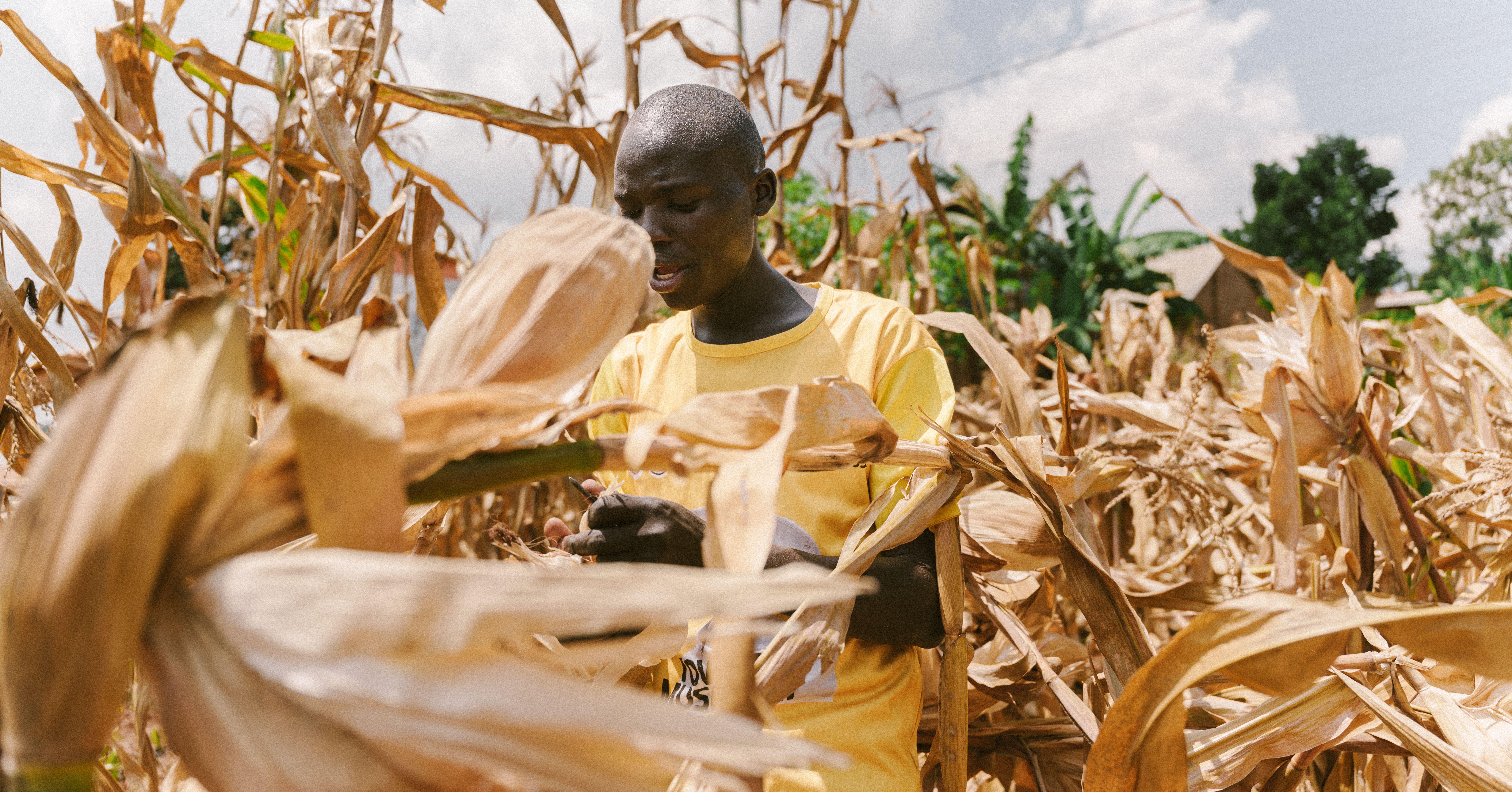
Kenya’s arid and semi-arid lands (ASALs) make up over 80% of the country's landmass, providing the perfect backdrop for sorghum farming. With a natural resistance to low water availability and harsh weather conditions, sorghum promises to reshape Kenya's agricultural landscape. The government is encouraging this pivot through various incentivization and programmatic support, acknowledging sorghum’s capacity to actualize food security and resilience.
Key Insights or Strategies
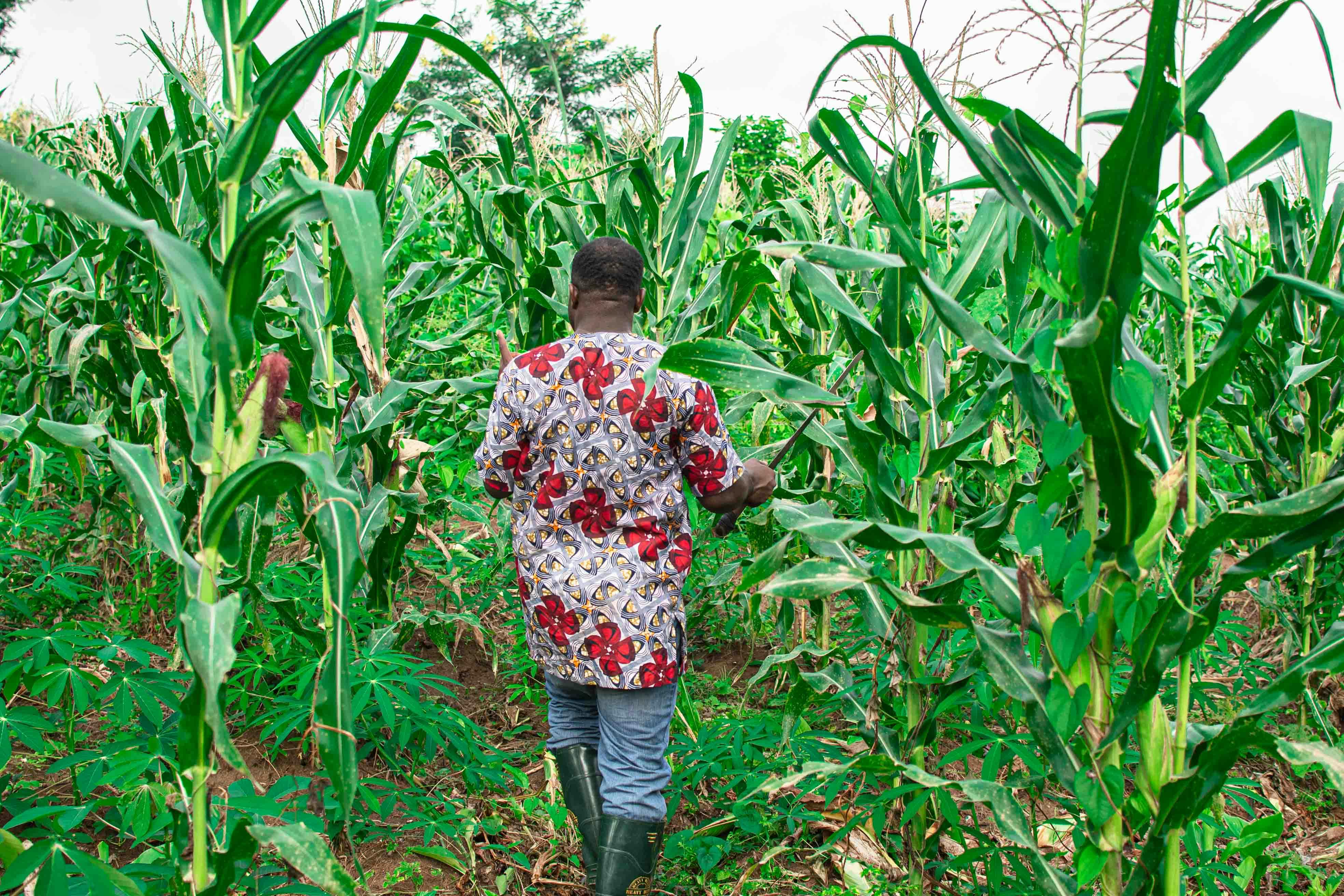
1. Variety Selection
Choose high-yield varieties like Gadam or Seredo, perfectly suited for ASALs due to their early maturity and robust yields.
2. Agroecological Practices
- Employ minimum tillage techniques to reduce soil erosion.
- Introduce mulching to maintain soil moisture.
- Intercrop with legumes to naturally fix nitrogen, enhancing soil fertility.
Boost your soil health with the Key To Life Silver Bullet Organic Fertilizer – available on Amazon.
3. Market Linkages
Engage with government and private sector programs such as IFAD’s agroecological projects to tap into premium markets like breweries and health-conscious consumers. Explore sustainable organic farming solutions with Biofarm Kenya.
Case Studies, Examples, or Comparisons
Farmers in the Eastern regions of Kenya have successfully transitioned to sorghum farming, yielding significant profits. Reports from Farmer's Trend suggest earnings of up to KES 70,000 per acre, dramatically outperforming traditional maize yields.
Common Mistakes to Avoid
- Overreliance on chemical fertilizers – shift to organic alternatives to enhance soil health.
- Neglecting soil testing before planting – employ a reliable Soil pH & Moisture Tester Kit – available on Amazon.
- Ignoring pest management – regularly monitor for fall armyworm invasions.
Expert Tips or Best Practices
To sustain high sorghum yields, continuously rotate crops to prevent pest buildup. Well-attended irrigation systems such as the CARPATHEN Drip Irrigation System Kit – available on Amazon will further enhance water efficiency.
Include nutrient-rich organic compost solutions with Biofarm Kenya to maintain soil vitality.
Future Trends or Predictions
The integration of smart irrigation, sustainable crop varieties, and digital soil health monitoring represents the future of agriculture in Kenya. Innovations like vertical farming and AI-driven crop management systems are being piloted with promising results.
Conclusion
Transitioning to sorghum farming is not just a response to environmental stressors but a viable pathway to sustainable profitability. Discover trusted organic farming tools on Amazon and learn more about sustainable solutions with Biofarm Kenya.
FAQs
- What makes sorghum more resilient compared to maize?
Sorghum’s deep root system and waxy leaves reduce water loss, making it more drought-resistant than maize. More details at Crop Life Kenya. - How can I access premium markets for my sorghum?
Collaborate with organizations like IFAD and government-backed agricultural projects. IFAD - What sorghum variety is ideal for ASALs?
Gadam and Seredo are recommended for their high yield and early maturity. More info at Farmer's Trend. - What are the benefits of using organic fertilizer?
Organic fertilizers improve soil structure and provide a slow nutrient release, enhancing soil fertility over time. Visit Organic Farming Benefits. - How should I manage pest invasions in my sorghum field?
Implement dynamic pest monitoring systems and use biological control methods. Guidance available at NEMA. - What irrigation methods are best for sorghum?
Drip irrigation systems are highly recommended due to their water efficiency and direct soil hydration. Learn more at FAO.


0 Comments