

Estimated Reading Time: 15 minutes
TL;DR:
Key Takeaways:
Table of Contents:
Introduction: The Green Gold's Tarnished Luster
Kenya's vibrant agricultural landscape has long been synonymous with rich harvests, and in recent years, the avocado has emerged as its 'green gold.' The country proudly stands as Africa's leading avocado producer and a significant global exporter, with the fruit adorning breakfast tables and supermarket shelves worldwide. This rapid expansion, often touted as an economic success story, hides a dark secret. For behind the glossy image of a thriving industry lies a deeply troubling reality: Kenya's avocado boom hides a dark secret. Learn how cartels and middlemen exploit small farmers, turning profit into poverty, despite official narratives. This pervasive exploitation casts a long shadow over the sector, transforming a potential boon for thousands of smallholder farmers into a cycle of injustice and hardship.
Background & Context: The Backbone of Kenya's Avocado Boom
The success of Kenya's avocado industry is built on the backs of its smallholder farmers. Approximately 70% of the country's nearly one million avocado growers are smallholders, typically managing just a few trees on less than an acre of land. These dedicated individuals, often in regions like Murang'a, Kisii, and Nyeri, are crucial to the nation's avocado output, which reached an estimated 562 thousand metric tons in 2024, contributing significantly to its over $190 million in export value in 2024/25 (USDA GAIN Report KE2025-0001). The ideal climate, fertile soils, and consistent rainfall in Kenya’s highlands provide perfect conditions for popular varieties like Hass and Fuerte, driving both local consumption and international demand. Yet, this prosperity rarely trickles down to those who cultivate the fruit.
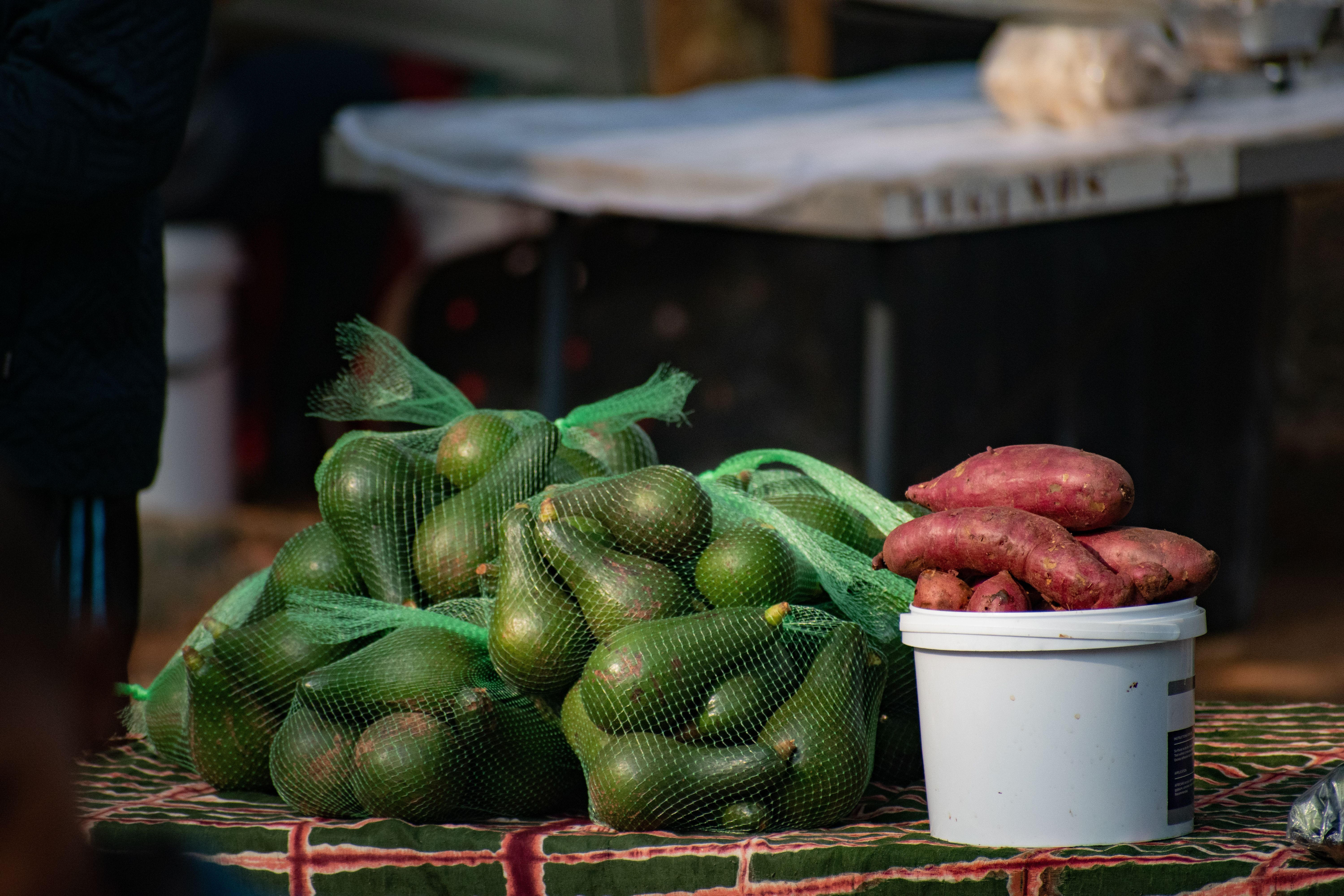
Despite the impressive national yield of about 18 metric tons per hectare, many smallholder farmers remain trapped in a precarious economic state. They often lack the essential training, access to quality inputs such as certified seedlings and fertilizers, and direct market linkages that larger commercial farms enjoy. This creates a significant vulnerability that exploitative networks, often described as cartels of middlemen, are quick to leverage. Without robust support systems, these farmers operate blindly, at the mercy of opaque market forces and predatory purchasing practices.
Key Insights: Unmasking the Exploitation Mechanisms
The exploitation within Kenya's avocado sector manifests in several insidious ways, effectively siphoning off profits from the hardworking smallholder farmers. Understanding these mechanisms is the first step toward advocating for change.
The Middleman's Grip on the Supply Chain
Middlemen play a dominant role, often purchasing avocados at extremely low farm-gate prices. Farmers, desperate for immediate cash, have little bargaining power, especially without collective representation or direct access to export markets. These brokers then consolidate the produce, adding significant markups as the avocados move through the supply chain to exporters and eventually international buyers. This systemic pricing disparity means that while global demand surges, the farmers at the origin remain impoverished. As reported by IFPRI, smallholder farmers face significant barriers to participating in export markets, including costs of harvesting, transport, and liquidity issues.
Rampant Avocado Theft
Beyond unfair pricing, farmers grapple with a pervasive issue of avocado theft. Organized rings often raid farms, especially at night, stealing entire harvests just before they are ready for market. This crime not only deprives farmers of their income but also undermines their morale and security. The inability of local authorities to consistently curb this menace leaves farmers feeling helpless and unprotected, further entrenching their vulnerability within the value chain. This 'avocado theft crisis' is a known challenge within the Kenyan agricultural sector (Facebook Group discussion on Avocado Theft).
Corporate Human Rights Abuses
The exploitation is not solely limited to middlemen. Disturbingly, even some large-scale corporate operations have faced serious allegations. For instance, the Kakuzi avocado farm, a major operation in Kenya, has been linked to numerous incidents of extreme violence, including beatings, rapes, and murder by its security guards, as reported by Food Empowerment Project. Such egregious human rights abuses expose a darker side to the industry, revealing how the pursuit of profit can lead to profound suffering and a disregard for human dignity.
Understanding these critical insights underscores why Kenya's avocado boom hides a dark secret. Learn how cartels and middlemen exploit small farmers, turning profit into poverty, despite official narratives. For those looking to support ethical consumption and sustainable practices, it's vital to Explore sustainable living solutions with Eco-Oasis Firm, which champions transparency and fairness in global supply chains.

Case Studies, Examples, or Comparisons: Echoes of Injustice
While the focus here is on Kenya, the mechanisms of exploitation by powerful actors are unfortunately not unique. Comparing these situations can provide a broader understanding and highlight potential solutions. In other agricultural sectors globally, similar patterns emerge where small producers are marginalized by concentrated market power.
Consider the broader context of agricultural supply chains in developing nations. A report by the World Bank emphasized that inefficient market structures and the dominance of informal traders often lead to significant price discrepancies, with farmers receiving as little as 10-30% of the final retail price. This statistic resonates deeply with the plight of Kenyan avocado farmers, who struggle to cover production costs while their produce fetches high prices internationally.
A contrasting example of successful green initiatives comes from fair trade movements in coffee and cocoa. Cooperatives in countries like Ethiopia and Ghana have empowered smallholder farmers to bypass exploitative middlemen, secure better prices, and invest in sustainable farming practices. By directly linking farmers to certified buyers, these initiatives ensure a larger share of the profit returns to the producers, demonstrating that a fairer system is achievable. The success of these models provides a blueprint for what could be replicated and scaled within Kenya's avocado sector, focusing on collective bargaining and direct export opportunities.
Common Mistakes to Avoid: Overlooking the Human Cost
In the pursuit of economic growth and global market share, several critical mistakes are often made, inadvertently perpetuating the exploitation and human suffering highlighted by Kenya's avocado scandal.
These mistakes collectively ensure that Kenya's avocado boom hides a dark secret. Learn how cartels and middlemen exploit small farmers, turning profit into poverty, despite official narratives. Avoiding these pitfalls is crucial for fostering a truly sustainable and equitable industry.
Expert Tips or Best Practices: Cultivating Fairer Futures
Creating a truly sustainable and equitable avocado industry in Kenya requires a multi-faceted approach, integrating best practices from farm to consumer. Here are expert tips for positive change:
By implementing these best practices, stakeholders can collectively work towards dismantling the exploitative structures and ensure that the prosperity generated by Kenya's avocado boom benefits all, especially the smallholder farmers who are its foundation.
Future Trends or Predictions: Shifting Tides for Sustainable Avocados
The global avocado market is continuously evolving, and several trends indicate a potential shift towards greater sustainability and fairness, even for regions like Kenya struggling with exploitation.
These trends offer a glimmer of hope that the future of Kenya's avocado industry could be fairer and more sustainable, moving away from a system where Kenya's avocado boom hides a dark secret. Learn how cartels and middlemen exploit small farmers, turning profit into poverty, despite official narratives.
Conclusion: Reclaiming the Promise of Prosperity
Kenya's avocado industry stands at a critical juncture. While it represents a significant economic opportunity and a source of livelihood for hundreds of thousands, the pervasive exploitation by cartels and middlemen, alongside disturbing corporate abuses, threatens to undermine its very foundation. The narrative of the 'green gold' is deeply tarnished by the realities of poverty, injustice, and violence faced by the smallholder farmers who are the true backbone of this lucrative trade.
Unmasking Kenya's avocado exploitation scandal is not just about revealing the problem; it's about igniting a collective resolve to demand change. Achieving a truly sustainable and equitable avocado sector requires concerted action from all stakeholders: governments must strengthen regulations and enforcement, corporations must uphold human rights and ethical sourcing, and consumers must make conscious choices that support fair trade. Empowering smallholder farmers through cooperatives, providing market access, and investing in sustainable practices are not merely desirable — they are essential for transforming this boom into a shared prosperity. It is time to ensure that the wealth generated by Kenyan avocados benefits everyone, especially those who dedicate their lives to nurturing this prized fruit. For comprehensive information and to become part of the solution, we encourage you to Explore sustainable living solutions with Eco-Oasis Firm.
FAQs
Q1: Why is avocado farming so profitable in Kenya, yet farmers remain poor?
A1: Avocado farming in Kenya is indeed profitable at a national and export level due to ideal climatic conditions and high global demand, particularly for Hass avocados. However, most smallholder farmers remain poor because they sell their produce to powerful middlemen and exploitative networks at extremely low farm-gate prices. These intermediaries control the supply chain, often colluding to keep prices down and preventing farmers from accessing lucrative export markets directly. Farmers also face challenges like lack of market information, high transport costs, and post-harvest losses, further eroding their potential profits. This disparity highlights the systemic issue where profit is concentrated at higher levels of the value chain, not at the producer level. For more, see the IFPRI report on smallholder barriers.
Q2: What role do 'cartels' and 'middlemen' play in the exploitation of Kenyan avocado farmers?
A2: In the Kenyan context, 'cartels' often refer to highly organized networks of middlemen who manipulate the avocado supply chain. These groups control collection points, transportation, and market access, dictating prices to smallholder farmers with little to no competition. They exploit farmers' lack of bargaining power, limited access to information, and urgent need for cash, purchasing avocados for a fraction of their export value. These practices amount to a monopolistic or oligopolistic control that stifles fair competition and traps farmers in poverty. Additionally, some large corporate entities have faced accusations of human rights abuses, indicating a broader problem of organized exploitation beyond just individual middlemen. The term 'cartel' here denotes an organized exploitative network rather than a drug cartel found in other regions. Cuisine Noir Magazine briefly touches on exploitative middlemen.
Q3: Are there human rights abuses associated with avocado production in Kenya?
A3: Yes, disturbing reports indicate human rights abuses on some large-scale avocado farms in Kenya. Notably, the Kakuzi avocado farm, owned by a British agricultural company, has been linked to severe incidents including beatings, rapes, and murders allegedly perpetrated by its security guards. These incidents highlight a grave concern for worker safety and human dignity within parts of the industry, moving beyond purely economic exploitation to outright violence and abuse. Such allegations underscore the urgent need for corporate accountability and robust human rights protections in agricultural supply chains. You can find more details in reports from organizations like Food Empowerment Project.
Q4: How can smallholder avocado farmers in Kenya improve their yields and secure better prices?
A4: To improve yields and secure better prices, smallholder farmers can adopt several strategies. Firstly, joining or forming cooperatives empowers them to collectively negotiate prices, access quality inputs, and gain direct market linkages, bypassing exploitative middlemen. Secondly, adopting modern agricultural practices, including proper irrigation, pest control, and using certified seedlings, can significantly boost yields and fruit quality. Thirdly, seeking training and extension services on market dynamics and post-harvest handling can reduce losses and improve market readiness. Finally, embracing traceability systems can help farmers prove ethical sourcing, potentially opening doors to premium markets. Organizations like Ustawi Afrika assist farmers with training and market access. Felix Instruments' guide offers insights into mastering Kenyan avocado farming.
Q5: What are the main harvesting seasons for avocados in Kenya?
A5: Kenya benefits from diverse agro-climatic zones, allowing for staggered avocado harvesting throughout the year. The main harvesting seasons generally run from March to August and then again from October to December. The specific timing depends on the avocado variety and the region. Hass and Fuerte are the most common export varieties, with their peak seasons aligning within these broader windows. Maintaining quality control and optimizing yield management requires careful monitoring by the Ministry of Agriculture for any harvesting outside these months. This year-round supply capability is a significant competitive advantage for Kenya in the global market. The USDA GAIN Report provides details on harvesting seasons.
Q6: How can consumers support ethical avocado farming in Kenya?
A6: Consumers play a crucial role in promoting ethical avocado farming. First, seek out avocados that are certified as Fair Trade or from companies with transparent sourcing policies. This ensures that farmers receive a fair price for their produce and that ethical labor standards are upheld. Second, educate yourself about the supply chain and share this knowledge to raise awareness among friends and family. Third, support organizations that work directly with smallholder farmers in Kenya, empowering them through training, resources, and market access. Lastly, consider the environmental impact, opting for avocados grown using sustainable practices. By making conscious purchasing decisions, consumers can exert pressure on the industry to prioritize farmer welfare and environmental responsibility. Explore sustainable living solutions with Eco-Oasis Firm for resources on ethical consumption.
Internal Link Suggestions:


0 Comments