

Estimated Reading Time: 10 minutes
TL;DR:
- Shade nets offer a cost-effective alternative to traditional greenhouses in Kenya.
- They reduce setup costs by up to 70% while mitigating climate-related risks.
- Shade nets enhance crop yields by providing optimal growing conditions.
- Farmers gain better market access with export-quality produce.
Key Takeaways:
- Adopt shade nets to save money and resources while increasing yields.
- Utilize shade nets to reduce water usage by 30-50%.
- Learn installation and pest management techniques for maximal benefits.
- Explore sustainable solutions with Biofarm Kenya.
Table of Contents:
- Background & Context
- Key Insights or Strategies
- Case Studies, Examples, or Comparisons
- Common Mistakes to Avoid
- Expert Tips or Best Practices
- Future Trends or Predictions
- Conclusion
- FAQs
Background & Context
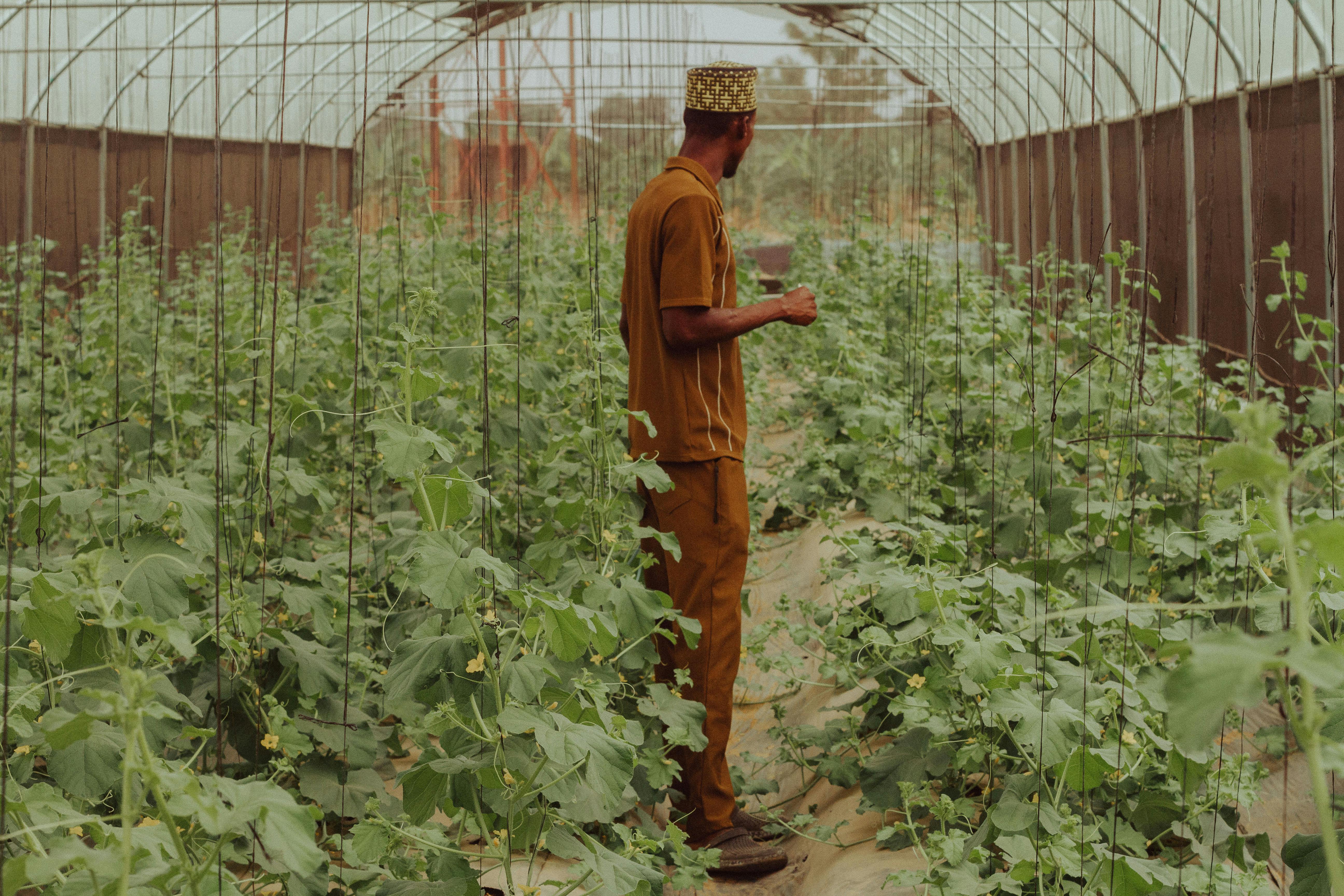
As of August 2026, Kenyan farmers are in urgent need of climate-smart, cost-effective solutions to counteract unpredictable weather, pests, and exorbitant production costs. Shade nets farming emerges as a highly impactful practice, offering a practical alternative to traditional greenhouses.
The increasing adoption of shade nets is a testament to their effectiveness in providing a controlled environment conducive to growth while being economically sustainable.
Key Insights or Strategies

1. Cost Efficiency: Shade nets reduce setup and maintenance costs by up to 70% compared to greenhouses. This affordability makes them accessible to a broad array of farmers, helping maximize margins.
2. Climate Resilience: With shade nets, heat stress is alleviated, water usage is reduced by 30-50%, and crops are protected from pests like whiteflies and aphids without excessive pesticide use.
3. Market Access: By providing training on aligning production with export-quality standards, farmers can meet the growing demand in Kenya for organic and pesticide-free produce.
For improved crop management, consider using the AgroThrive Organic Liquid Fertilizer – available on Amazon. Additionally, explore sustainable organic farming solutions with Biofarm Kenya.
Case Studies, Examples, or Comparisons
An example of successful implementation is the case of a farmer in Nakuru County who replaced traditional greenhouses with shade nets. This change led to a 30% increase in tomato yield, while reducing water usage by 40% (Source: FAO).
Common Mistakes to Avoid
- Using inappropriate shading percentage for specific crops.
- Ignoring soil testing before setup.
- Overlooking regular maintenance and pest surveillance.
Utilize a reliable testing kit like the Rapitest Soil Test Kit – available on Amazon.
Expert Tips or Best Practices
Optimize the use of shade nets by ensuring regular inspections and repairs when needed. Maintain healthy soil with products like MySoil Soil Test Kit.
For efficient water management, a CARPATHEN Drip Irrigation System – available on Amazon is an excellent choice. Explore sustainable organic farming solutions with Biofarm Kenya.
Future Trends or Predictions
Expect innovations like smart irrigation, vertical farming, and AI-driven crop monitoring to further enhance the benefits and applications of shade nets in sustainable agriculture.
Conclusion
Shade nets represent an opportunity for Kenyan farmers to adapt to climatic challenges while enhancing yields and reducing costs. Discover trusted organic farming tools on Amazon and learn more about sustainable solutions with Biofarm Kenya.
FAQs
- What are shade nets?
Shade nets provide a controlled environment, optimizing light availability for plant growth. Learn more from NEMA. - How do shade nets reduce costs?
They lower installation and maintenance expenses compared to greenhouses, making them a cost-effective solution. Read more on the Agriculture Authority. - Can shade nets be used year-round?
Yes, they can be adapted for seasonal changes and varying crop needs. Explore details from FAO. - Are shade nets suitable for all crops?
They are ideal for crops sensitive to direct sunlight like tomatoes and capsicum. Find info on Kevitecnics. - How do shade nets contribute to climate resilience?
By reducing heat stress and water loss, facilitating pest management naturally. Discover more from NEMA. - Where can I buy shade nets in Kenya?
Local suppliers and online retailers offer various options. Discover Biofarm Kenya options.


0 Comments