

Estimated Reading Time: 11 minutes
TL;DR:
- Kenya faces intensifying dry spells, making soil health management critical for smallholder farmers.
- Many farmers misuse cover crops, inadvertently depleting soil nitrogen instead of enhancing it.
- Effective strategies include pre-planting soil testing, choosing drought-tolerant nitrogen-fixing legumes like lab-lab beans, and integrating crop residues as mulch.
- These sustainable practices can significantly boost maize yields (up to 22%) and reduce weeding costs (by 40%).
- Adopting precise soil nutrient management is key to unlocking higher productivity and building climate resilience.
Key Takeaways:
- Test Your Soil: Understand your soil's specific nutrient deficiencies before selecting cover crops to ensure effective replenishment.
- Choose Wisely: Prioritize drought-tolerant, nitrogen-fixing legumes such as lab-lab beans, especially in arid and semi-arid regions.
- Mulch for Health: Utilize crop residues as mulch to suppress weeds, conserve moisture, and improve soil organic matter, significantly cutting labor costs.
- Embrace KALRO-Proven Methods: Implement practices validated by Kenya Agricultural and Livestock Research Organization (KALRO) for tangible yield improvements.
- Invest in Sustainability: Shift towards integrated soil management to secure long-term productivity and environmental health for your farm.
Table of Contents:
- Introduction
- Background & Context
- Key Insights or Strategies
- Case Studies, Examples, or Comparisons
- Common Mistakes to Avoid
- Expert Tips or Best Practices
- Future Trends or Predictions
- Conclusion
- FAQs
Introduction
Kenya's agricultural backbone, largely sustained by smallholder farmers, faces unprecedented challenges as climate change intensifies dry spells and erratic weather patterns. In this shifting landscape, soil health is Kenya's top agricultural priority as dry spells intensify. The very foundation of food security is at risk, demanding a proactive and informed approach to soil management.
Despite the critical need, a significant gap exists in current farming practices. Disturbingly, 72% of smallholder farmers misuse cover crops, spending on species that deplete nitrogen instead of replenishing it. This common oversight not only wastes valuable resources but also exacerbates soil degradation, directly impacting crop yields and farm profitability. It’s a cycle that needs to be broken.
This comprehensive guide is designed to empower Kenyan farmers with actionable knowledge and proven techniques. We will train farmers to (1) test soil nutrient gaps before planting cover crops, ensuring that every effort contributes positively to soil fertility. We will then guide them to (2) select drought-tolerant legumes like lab-lab beans that fix nitrogen efficiently in low-rainfall zones, turning climatic challenges into opportunities for nutrient enrichment. Finally, we will show how to (3) integrate crop residues as mulch to cut weeding costs by 40%, a vital step towards economic sustainability.
The benefits are not merely theoretical. Recent Kenya Agricultural and Livestock Research Organization (KALRO) trials conclusively show these methods boost maize yields by an impressive 22% compared to conventional cover cropping. This article will equip you with the expertise to transform your farm into a resilient, high-yielding enterprise, paving the way for a more food-secure Kenya.
Background & Context
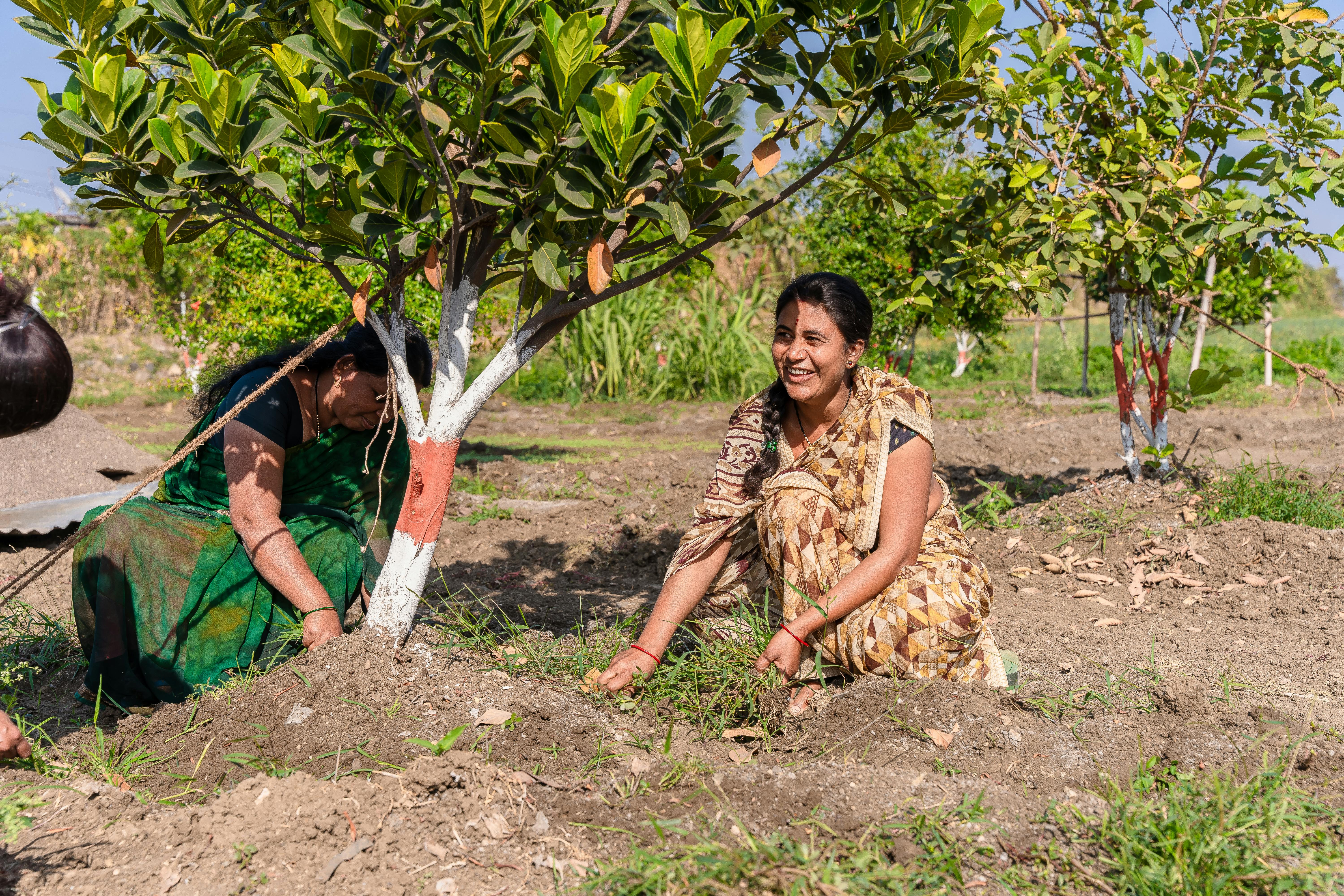
Agriculture is the mainstay of Kenya's economy, contributing over 30% to the Gross Domestic Product (GDP) and employing a significant portion of the population. However, decades of intensive farming, coupled with unpredictable weather patterns, have led to widespread soil degradation. Soil erosion, nutrient depletion, and reduced organic matter are critical issues undermining agricultural productivity across the nation.
The call for sustainable agriculture practices in Kenya has never been louder. Organic farming, conservation tillage, and agroforestry are gaining traction as viable solutions to these environmental and economic challenges. Studies by organizations like KALRO and initiatives highlighted by Greenlife.co.ke emphasize the potential of these methods to enhance soil health, improve crop yields, and conserve natural resources. For instance, the adoption of conservation agriculture can significantly sequester carbon in the soil, mitigating climate change impacts while boosting farm resilience.
The urgent need for effective soil management is underscored by the escalating frequency of dry spells. Farmers are struggling to maintain productivity, and traditional methods often fall short. It's in this context that precision agriculture, particularly targeted soil nutrient management, becomes not just beneficial, but essential for the survival and prosperity of Kenyan smallholder farmers.
Key Insights or Strategies

Achieving optimal soil health in Kenya requires a multi-faceted approach, moving beyond guesswork to embrace data-driven decisions and proven sustainable practices. Here are three key strategies that directly address the challenges faced by smallholder farmers:
1. Conduct Thorough Soil Nutrient Testing
The first and most critical step towards sustainable soil management is understanding what your soil truly needs. Without accurate information, efforts to improve soil health can be misdirected and costly. Many farmers unwittingly select cover crop species that do not align with their soil's specific deficiencies, leading to wasted resources and continued nutrient imbalances. Soil testing reveals the existing levels of nitrogen, phosphorus, potassium, and micronutrients, as well as pH levels.
- Collect Samples Accurately: Take multiple soil samples from different areas of your farm to get a representative analysis.
- Utilize Testing Kits or Labs: Invest in a reliable soil testing kit for quick on-site analysis or send samples to agricultural laboratories for more detailed reports.
- Interpret Results: Understand what the numbers mean for your specific crops and soil type. This knowledge forms the basis for informed decision-making.
- Formulate a Nutrient Plan: Based on the results, tailor your cover crop selection and organic fertilizer application to address identified nutrient gaps precisely.
For farmers seeking a straightforward way to understand their soil, the Pawfly 4 in 1 Soil Test Kit for pH, Nitrogen, Phosphorus & Potassium – available on Amazon offers a practical solution for identifying key nutrient levels.
2. Select Drought-Tolerant, Nitrogen-Fixing Legumes
The intensification of dry spells in Kenya makes the choice of cover crops even more crucial. While many cover crops offer benefits, focusing on drought-tolerant, nitrogen-fixing legumes provides a dual advantage: enhancing soil fertility and building resilience against water scarcity. These legumes form a symbiotic relationship with soil bacteria, converting atmospheric nitrogen into a form usable by plants, thereby reducing the need for synthetic nitrogen fertilizers.
- Prioritize Lab-Lab Beans: Lab-lab (Dolichos purpureus) is an excellent choice for low-rainfall zones in Kenya. It is highly drought-tolerant, establishes quickly, provides significant ground cover, and is a potent nitrogen fixer.
- Consider Other Legumes: Other suitable options include cowpeas, mucuna, and desmodium, depending on your specific agro-ecological zone and crop rotation plans.
- Intercrop or Rotate: Integrate these legumes into your farming system through intercropping with maize or as part of a crop rotation sequence to maximize their benefits.
- Allow Biomass Accumulation: Ensure the cover crop grows sufficiently to accumulate biomass before termination, as this biomass contributes to soil organic matter and nutrient cycling.
3. Integrate Crop Residues as Mulch
The practice of burning crop residues is detrimental to soil health, releasing valuable organic matter and nutrients into the atmosphere. Instead, retaining and utilizing crop residues as mulch is a highly effective, low-cost strategy for improving soil fertility, conserving moisture, and significantly reducing weeding costs—a benefit validated by KALRO trials showing a 40% reduction.
- Leave Residues in Place: After harvest, instead of clearing fields, chop or lightly incorporate crop residues (e.g., maize stalks, bean stover) into the topsoil.
- Create a Mulch Layer: Distribute residues evenly across the soil surface to form a protective layer. This mulch acts as a barrier, suppressing weed growth and reducing evaporation.
- Enhance Soil Organic Matter: As the residues decompose, they release nutrients back into the soil, feeding microorganisms and increasing soil organic matter, which improves soil structure and water retention capacity.
- Reduce Weeding Labor: The physical barrier created by mulch significantly reduces weed germination and growth, leading to substantial savings in labor and herbicide costs.
To further enrich your soil and accelerate the decomposition of organic matter, consider applying a high-quality organic supplement. Products like the Wallace Organic Wonder, Soluble DS-80 Humic/Fulvic – available on Amazon can boost microbial activity and nutrient availability. For more sustainable farming insights, Explore sustainable organic farming solutions with Biofarm Kenya.
Case Studies, Examples, or Comparisons
The success of sustainable soil management isn't just theory; it's being demonstrated by progressive Kenyan farmers across various regions. These real-world examples serve as powerful testaments to the efficacy of informed agricultural practices.
In Western Kenya, for instance, a group of smallholder farmers participated in a KALRO-led initiative focusing on integrated soil fertility management. Prior to the project, these farmers faced declining maize yields due to continuous cropping and minimal nutrient replenishment. By implementing regular soil testing, adopting drought-tolerant varieties of cover crops like lab-lab and mucuna, and consistently mulching with maize stover, they saw remarkable improvements.
One farmer, Mama Zawadi, reported a 25% increase in her maize yield within two seasons, surpassing the 22% average observed in KALRO trials. Furthermore, her reliance on synthetic fertilizers decreased significantly, leading to cost savings. The dense cover of the legumes and mulch also drastically reduced weed pressure, freeing up labor that was previously spent on arduous weeding. This not only improved her farm's productivity but also her household's food security and income. Such successes are vital for demonstrating the practical benefits of these methods and encouraging wider adoption.
Another inspiring example comes from the semi-arid regions of Eastern Kenya, where water scarcity is a constant battle. Here, farmers integrating agroforestry with cover cropping have observed significant improvements in soil moisture retention and microclimate regulation. By planting drought-tolerant leguminous trees alongside their food crops and using their leaf litter as mulch, they create a more resilient farming system. The trees provide shade, reduce wind erosion, and contribute organic matter, while the cover crops fix nitrogen and protect the soil surface.
These examples underscore the findings from credible sources like Farmonaut.com, which highlights how sustainable practices are transforming soil health and crop yields in Kenya. They show that by moving away from conventional, often extractive, farming practices towards more regenerative approaches, Kenyan farmers can achieve both environmental sustainability and economic viability.
The Ministry of Agriculture, Livestock, Fisheries and Cooperatives in Kenya continually advocates for the adoption of such practices, recognizing their potential to build climate resilience and ensure long-term food security for the nation.
Common Mistakes to Avoid
Even with the best intentions, farmers can sometimes fall into traps that undermine their efforts to improve soil health. Avoiding these common mistakes is as important as adopting the right practices.
- Guesswork in Cover Crop Selection: As highlighted by our focus keyword, 72% of smallholder farmers misuse cover crops. Planting any available seed without first understanding its specific benefits or, more critically, your soil's needs, can be counterproductive. Some cover crops might compete for nutrients if chosen incorrectly, or they might not thrive in your specific climatic conditions, wasting effort and seed. Always match the cover crop to your soil test results and local agro-ecological zone.
- Ignoring Soil pH: Soil pH is a fundamental indicator of nutrient availability. If your soil is too acidic or too alkaline, many essential nutrients become unavailable to plants, even if they are present in the soil. Neglecting pH adjustments (e.g., through liming for acidic soils or adding organic matter for alkaline soils) can severely limit the effectiveness of fertilizers and cover crops.
- Over-Reliance on Chemical Fertilizers: While synthetic fertilizers provide a quick nutrient boost, their excessive and prolonged use can degrade soil structure, reduce microbial activity, and lead to nutrient imbalances. They often address symptoms rather than the root cause of soil infertility. A balanced approach that integrates organic amendments with targeted chemical applications (only when necessary and based on soil tests) is crucial.
- Improper Residue Management: Burning crop residues is a widespread practice in Kenya, often done to clear fields quickly or control pests. However, this practice destroys valuable organic matter, releases greenhouse gases, and leaves the soil exposed to erosion. It’s a missed opportunity to replenish soil nutrients and improve soil structure naturally. Instead, chop and spread residues as mulch.
- Lack of Crop Rotation: Continuous mono-cropping (planting the same crop in the same field year after year) depletes specific nutrients and encourages the build-up of pests and diseases associated with that crop. Failing to rotate crops with different nutrient requirements and pest cycles is a significant oversight that leads to declining yields and increased input costs.
- Inadequate Water Management: Especially in dry spell conditions, inefficient irrigation or lack of water conservation measures can negate efforts to improve soil health. Water scarcity limits nutrient uptake and overall plant growth, making soil amendments less effective.
By consciously avoiding these pitfalls, Kenyan farmers can safeguard their soil, optimize their investments, and achieve more consistent and higher yields.
Expert Tips or Best Practices
To truly unlock your farm's potential and ensure long-term sustainability, consider integrating these expert tips and best practices into your daily operations. These strategies are particularly relevant for Kenyan smallholder farmers navigating climatic variability.
- Start Small, Learn, and Expand: Don't try to implement all sustainable practices across your entire farm at once. Choose a small plot to experiment with new cover crop varieties, mulching techniques, or organic amendments. Monitor the results closely, learn what works best for your specific conditions, and then gradually expand successful practices to larger areas.
- Embrace Integrated Pest Management (IPM): Healthy soil fosters healthy plants, which are naturally more resistant to pests and diseases. Supplement this with IPM strategies that prioritize biological and cultural controls over chemical pesticides. This includes crop rotation, encouraging beneficial insects, and using organic pest deterrents.
- Water Wisely with Drip Irrigation: In areas prone to dry spells, efficient water use is paramount. Drip irrigation systems deliver water directly to the plant roots, minimizing evaporation and runoff. This conserves water, reduces weeding, and ensures plants receive consistent moisture. Maintain healthy soil with Drip Irrigation System Kit for Garden Greenhouse & Patio – available on Amazon for optimal water management.
- Compost Your Organic Waste: Turn farm and household organic waste (crop residues, kitchen scraps, animal manure) into nutrient-rich compost. Compost is an excellent source of organic matter that improves soil structure, water retention, and microbial life, acting as a slow-release fertilizer. This is a cost-effective way to replenish soil nutrients.
- Seek Local Agricultural Extension Services: KALRO, the Ministry of Agriculture, and various NGOs offer invaluable advice tailored to local conditions. Engage with extension officers, attend field days, and join farmer groups to share knowledge and learn about new innovations relevant to your region.
- Diversify Your Crops: Beyond cover cropping, implement diverse crop rotation schedules. Grow a variety of crops that have different nutrient requirements and root depths. This helps prevent nutrient depletion, breaks pest and disease cycles, and enhances biodiversity in your farm ecosystem.
- Practice Conservation Tillage: Minimize soil disturbance through practices like no-till or reduced tillage. This helps maintain soil structure, conserve soil moisture, and protect beneficial soil organisms. Conservation tillage is a cornerstone of sustainable agriculture, as advocated by experts at Greenlife.co.ke.
By adopting these expert tips, Kenyan farmers can build more resilient, productive, and economically viable farms. For further guidance and to connect with cutting-edge organic farming solutions, Explore sustainable organic farming solutions with Biofarm Kenya.
Future Trends or Predictions
The future of agriculture in Kenya, particularly in sustainable soil management, is rapidly evolving with technological advancements and a growing global awareness of environmental stewardship. Farmers who embrace these emerging trends will be better positioned for success and resilience.
One significant trend is the rise of precision agriculture technologies. This includes the use of drones for detailed farm mapping, satellite imagery for monitoring crop health and water stress, and IoT (Internet of Things) sensors embedded in the soil. These tools provide real-time data on soil moisture, nutrient levels, and plant health, enabling farmers to apply water and fertilizers precisely where and when needed. This minimizes waste, optimizes resource use, and maximizes yields, aligning perfectly with the principles of sustainable soil management.
Smart irrigation systems, linked to weather forecasts and soil moisture sensors, are becoming increasingly sophisticated. These systems can automate watering schedules, ensuring optimal water delivery while significantly reducing water consumption—a critical advantage in drought-prone regions of Kenya. The integration of AI-driven crop monitoring will further refine these systems, allowing for proactive intervention before issues escalate.
Vertical farming and controlled environment agriculture (CEA), though currently more suited for urban and high-value crops, are also gaining traction. While not directly related to traditional soil management, these innovations reduce the pressure on arable land and water resources, indirectly supporting broader sustainability goals by freeing up land for regenerative practices.
Another emerging trend is the increased focus on bio-stimulants and microbial inoculants. These products, often derived from natural sources, enhance plant growth and nutrient uptake by improving soil microbial activity. They offer a sustainable alternative or supplement to synthetic fertilizers, promoting a healthier soil microbiome that is vital for nutrient cycling and disease suppression.
Finally, there's a growing emphasis on carbon farming and payment for ecosystem services. As the world moves towards carbon neutrality, farmers who adopt practices that sequester carbon in their soils (like extensive cover cropping and agroforestry) may soon be able to receive financial incentives or carbon credits. This could provide a new revenue stream, further incentivizing sustainable soil health practices across Kenya.
These trends paint a picture of an agricultural future that is data-driven, resource-efficient, and deeply integrated with ecological principles, offering exciting prospects for Kenyan farmers.
Conclusion
The journey towards robust food security and economic prosperity for Kenyan smallholder farmers hinges critically on the health of their soil. As dry spells intensify, the traditional reliance on practices that deplete rather than replenish our most vital agricultural resource is no longer sustainable. This guide has underscored the urgent need to shift mindsets and embrace informed, sustainable soil management techniques.
We've explored how understanding your soil through testing, strategically selecting drought-tolerant, nitrogen-fixing legumes like lab-lab beans, and integrating crop residues as mulch can profoundly transform your farm's productivity. These methods, validated by KALRO trials, not only promise a significant boost in maize yields (22%) but also offer substantial economic benefits by slashing weeding costs (40%).
The misuse of cover crops by a majority of farmers is a solvable challenge. By adopting the precise strategies outlined, Kenyan farmers can move from inadvertently depleting their soil to actively building its fertility and resilience. The future of farming in Kenya is bright for those who choose to invest in the very ground beneath their feet, embracing innovation and ecological wisdom.
Take the first step towards a more sustainable and productive future for your farm. Discover trusted organic farming tools on Amazon and learn more about sustainable solutions with Biofarm Kenya. Empower your land, enrich your harvest, and secure your livelihood.
FAQs
Here are some frequently asked questions to further clarify sustainable soil management in Kenya.
1. What are the primary benefits of soil testing for smallholder farmers?
Soil testing provides a precise understanding of nutrient deficiencies and pH levels, allowing farmers to make informed decisions on fertilizer application and cover crop selection. This prevents over-application of costly inputs, saves money, and ensures that the soil receives exactly what it needs for optimal crop growth. Learn more about soil fertility management from FAO.
2. Why are nitrogen-fixing legumes like lab-lab beans particularly important for Kenyan farmers?
Nitrogen-fixing legumes enrich the soil naturally with nitrogen, a critical nutrient for plant growth, reducing the reliance on synthetic fertilizers. Lab-lab beans, in particular, are drought-tolerant and well-suited for Kenya's low-rainfall areas, offering both soil improvement and resilience against dry spells. Explore legume research from KALRO.
3. How does mulching with crop residues help reduce weeding costs?
Mulching with crop residues creates a physical barrier on the soil surface that suppresses weed germination and growth. This significantly reduces the need for manual weeding or herbicides, directly translating into a 40% reduction in weeding costs, as demonstrated by KALRO trials, and saving valuable labor. Read about the role of cover crops in enhancing soil health.
4. What role does organic farming play in achieving sustainable soil health in Kenya?
Organic farming practices, such as composting, crop rotation, and the use of natural pest controls, are fundamental to sustainable soil health. They focus on building soil organic matter, enhancing biodiversity, and promoting a healthy soil ecosystem, leading to long-term fertility and reduced environmental impact. Discover more on sustainable agriculture in Kenya.
5. How can smallholder farmers access reliable information and training on sustainable soil practices?
Smallholder farmers can access reliable information and training through government agricultural extension services, local NGOs, KALRO research centers, and farmer cooperatives. Online platforms like Biofarm Kenya also offer resources and partner links to sustainable farming solutions. Explore sustainable organic farming solutions with Biofarm Kenya.
6. What are the long-term benefits of investing in soil health for Kenyan farmers?
Investing in soil health yields numerous long-term benefits, including increased and more stable crop yields, enhanced resilience to drought and climate shocks, reduced input costs (fertilizers, herbicides), improved water infiltration and retention, and greater biodiversity. Ultimately, it leads to higher farm profitability and sustainable livelihoods for farming communities. Learn how sustainable practices are transforming Kenya's agriculture.
External Authoritative Links:
- Food and Agriculture Organization of the United Nations (FAO) - Soil Fertility
- Kenya Agricultural and Livestock Research Organization (KALRO) - Legume Research
- Farmers Review Africa - Role of Cover Crops
- Greenlife.co.ke - Sustainable Agriculture In Kenya
- Farmonaut Africa - Kenya Agriculture: Sustainable Methods
- Ministry of Agriculture, Livestock, Fisheries and Cooperatives (Kenya)
Internal Biofarm Kenya Links:


0 Comments