

Estimated Reading Time: 11 minutes
TL;DR:
Key Takeaways:
Table of Contents
Introduction
In Kenya, the rhythm of agriculture is deeply tied to the land, yet traditional farming methods often leave our precious soil vulnerable. With increasing challenges like soil degradation and erratic rainfall, Kenyan farmers are increasingly adopting no-till practices to ensure food security and sustain their livelihoods. This revolutionary approach, also known as zero-tillage, is transforming how we view soil management, offering a pathway to significantly higher yields and environmental resilience.
This comprehensive guide is designed to empower farmers across Kenya to implement zero-tillage techniques effectively. We will focus on three fundamental steps: 1) Using herbicides for weed control instead of plowing, 2) Direct seeding into crop residues to retain soil moisture, and 3) Rotating legumes to restore nitrogen. The benefits are clear and compelling: a 2025 study by Kenya Agricultural Research Institute (KARI) found no-till farms saw 30% higher maize yields and 40% less soil erosion over three years compared to conventional plowing. This makes no-till farming perfect for regions with erratic rains and poor soil health, promising a sustainable and profitable future for Kenyan agriculture.
Background & Context
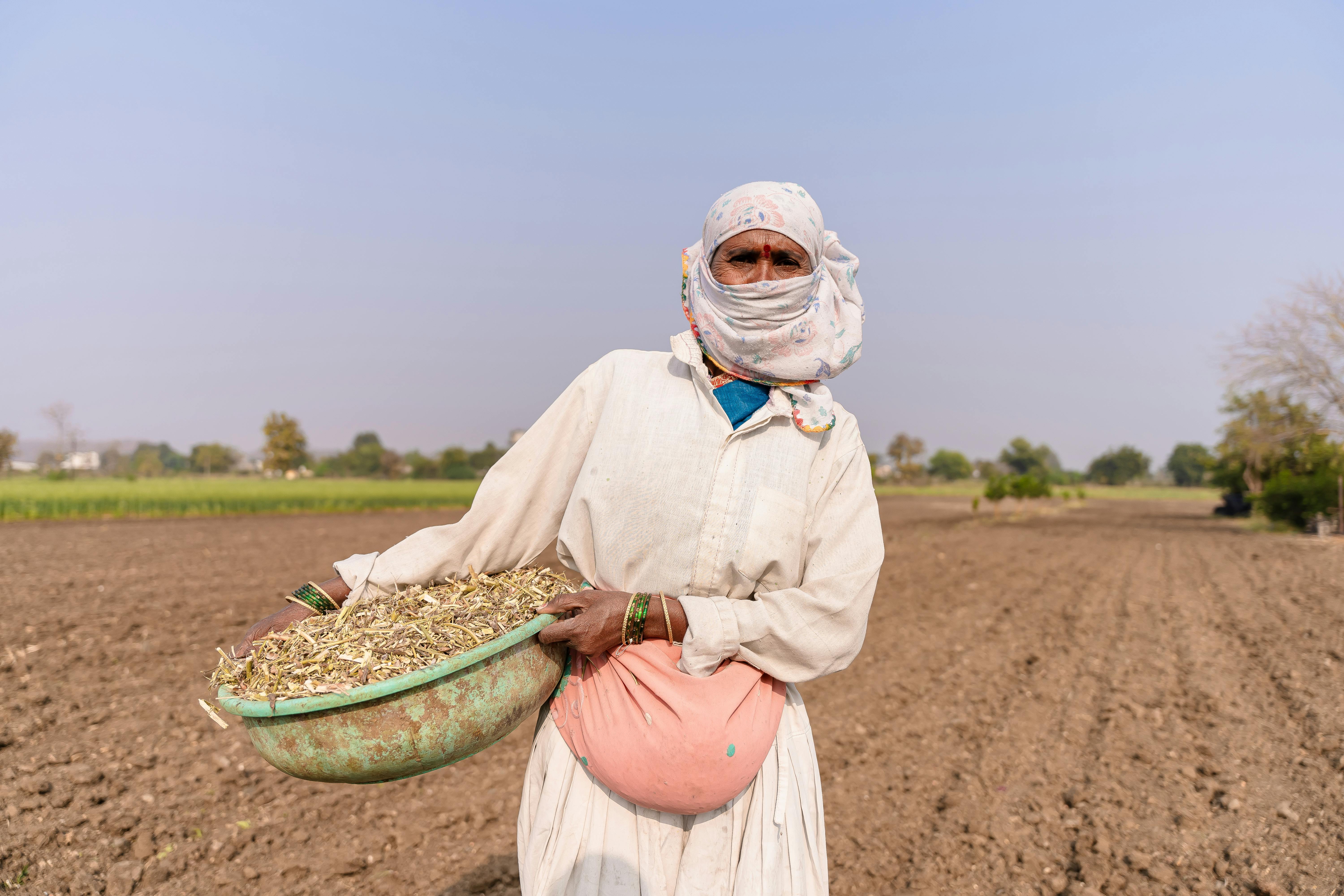
Kenya's agricultural sector, a backbone of our economy, faces unprecedented pressure. Climate change has led to more frequent droughts and unpredictable rainfall patterns, making traditional tillage practices — which expose soil to erosion and moisture loss — increasingly unsustainable. The continuous plowing of land depletes organic matter, compacts subsoil, and disrupts the delicate ecosystem vital for healthy crop growth. This has led to declining soil fertility and reduced crop productivity, threatening the livelihoods of millions of smallholder farmers.
However, a shift towards more sustainable agriculture is gaining momentum. Organic farming and conservation agriculture principles are being embraced as viable solutions to these challenges. No-till farming stands out as a key component of this movement, offering a regenerative approach that works with nature, rather than against it. By minimizing soil disturbance, no-till practices foster a thriving microbial community, improve water infiltration, and build soil organic carbon. Data from the Food and Agriculture Organization (FAO) indicates that adoption of conservation agriculture practices, including zero-tillage, has led to significant improvements in yield stability in drought-prone areas of East Africa.
Key Insights or Strategies
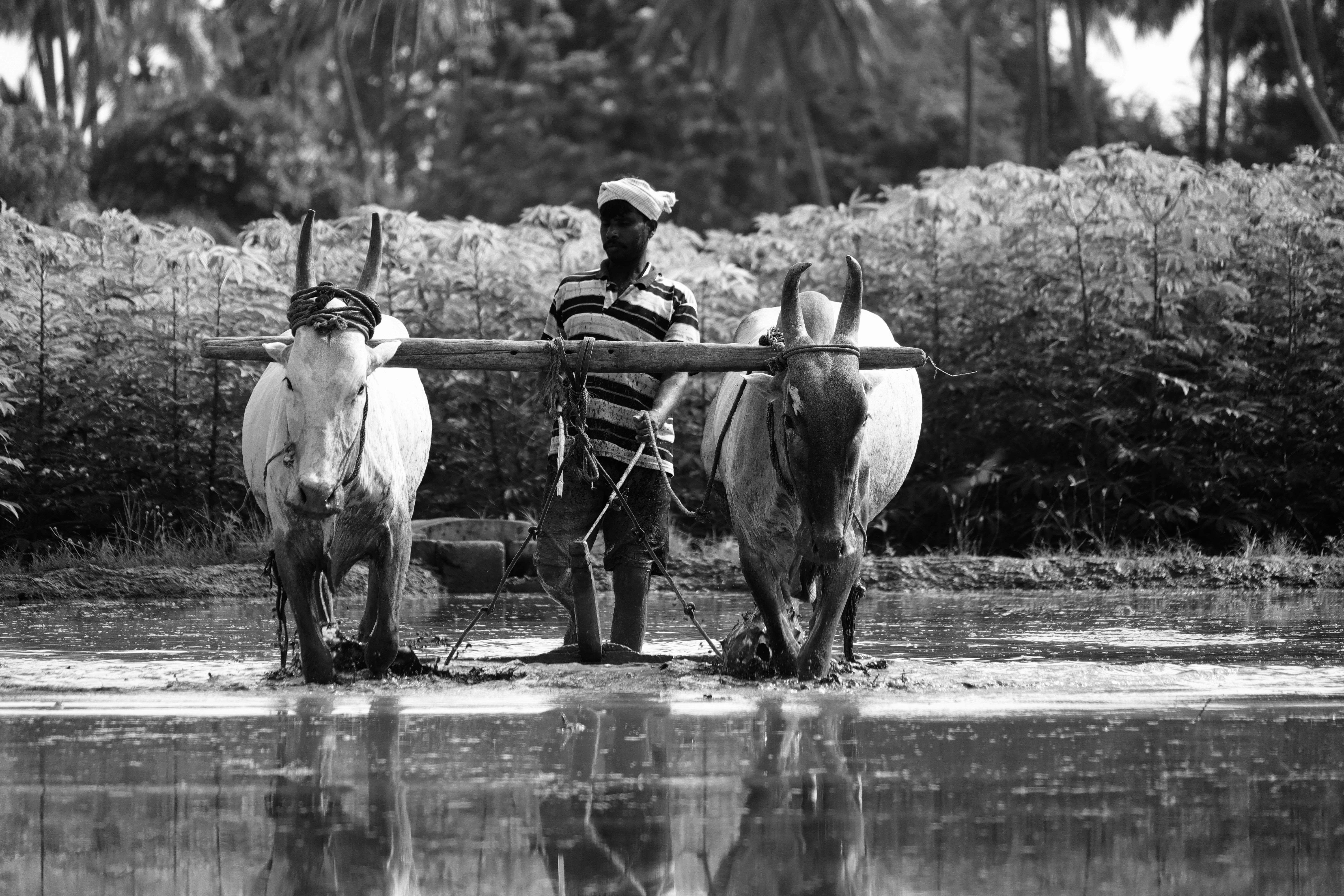
Embracing no-till farming requires a strategic shift in cultivation practices. Here are the core insights and actionable steps to successfully implement zero-tillage on your Kenyan farm:
1. Strategic Weed Control: Beyond the Plow
One of the initial hurdles in transitioning to no-till is managing weeds without mechanical tillage. Instead of plowing, which brings dormant weed seeds to the surface, no-till relies on a combination of approaches:
- Initial Knockdown: For land transitioning from conventional tillage, an initial application of a broad-spectrum herbicide can clear existing weed growth. For organic farmers, strong organic vinegar-based solutions are effective. Consider the ECO Garden PRO Organic Vinegar Weed Killer – available on Amazon for an eco-friendly option.
- Cover Cropping: Planting dense cover crops between cash crops suppresses weeds naturally by outcompeting them for light and nutrients.
- Mulching: Leaving crop residues on the soil surface acts as a physical barrier, inhibiting weed seed germination.
- Targeted Spot Treatment: Use localized application for any persistent weed patches.
This integrated weed management approach significantly reduces the labor and fuel costs associated with repeated plowing, allowing farmers to reallocate resources more efficiently.
2. Direct Seeding into Crop Residues: Moisture & Soil Health
Direct seeding is the cornerstone of no-till farming. It involves planting seeds directly into the undisturbed soil, often through a layer of crop residues. This practice is vital for moisture conservation, especially in Kenya’s arid and semi-arid lands.
- Residue Management: Ensure previous crop residues are evenly distributed across the field. This mulch layer reduces evaporation, moderates soil temperature, and provides organic matter.
- Specialized Planters: No-till planters or seeders are designed to cut through residues and place seeds at the correct depth without disturbing the soil structure. For small-scale operations, tools like the Chapin 8701B Garden Push Seeder – available on Amazon can be a starting point, though larger direct seeders may be necessary for commercial farms.
- Optimal Planting Depth: Consistent planting depth is crucial for uniform germination. The undisturbed soil in no-till systems often has more consistent moisture, aiding this process.
This method significantly reduces soil erosion by wind and water, maintains soil structure, and promotes a healthier soil microbiome.
3. Rotating Legumes to Restore Nitrogen: Natural Fertility
Crop rotation, particularly including nitrogen-fixing legumes, is fundamental to sustainable no-till systems. Legumes have a symbiotic relationship with soil bacteria that convert atmospheric nitrogen into a form usable by plants, reducing the need for synthetic nitrogen fertilizers.
- Select Appropriate Legumes: Choose legumes suitable for your local climate and soil conditions, such as cowpeas, common beans, or various clovers. The Eretz Cover Crop Seed Blend – on Amazon, which includes crimson clover and hairy vetch, is an excellent example for improving soil health.
- Rotation Planning: Integrate legumes into your crop rotation plan, ensuring they precede nitrogen-demanding crops like maize.
- Residue Incorporation: After harvesting the legume crop, leave its residues on the field. As these residues decompose, they release the fixed nitrogen back into the soil, benefiting the subsequent crop.
This practice not only enhances soil fertility but also improves soil structure, suppresses weeds, and breaks pest and disease cycles. For more in-depth knowledge and tailored solutions, Explore sustainable organic farming solutions with Biofarm Kenya.
Case Studies, Examples, or Comparisons
The success of no-till farming is not just theoretical; it's being demonstrated by pragmatic Kenyan farmers across diverse agro-ecological zones. Consider the story of David Mutiso, a maize farmer in Kitui County, a region often plagued by erratic rainfall. Before adopting zero-tillage, Mutiso struggled with low yields and significant soil erosion during heavy rains. After transitioning to no-till, integrating cover crops, and practicing crop rotation, his farm experienced a remarkable turnaround. His maize yields increased by an average of 25-30%, and he reported a drastic reduction in soil runoff, even during intense downpours.
Another inspiring example comes from the Western Kenyan highlands, where a group of smallholder farmers, supported by a local agricultural NGO, implemented no-till practices for their mixed farming systems. By utilizing direct seeders and managing crop residues, they not only saw improved soil moisture retention but also a noticeable increase in soil organic matter over five years. This led to healthier crops requiring less synthetic fertilizer, showcasing the long-term benefits of this sustainable approach.
These local successes corroborate findings from institutions like the Kenya Agricultural Research Institute (KARI), which in its 2025 study, highlighted how no-till farms achieved 30% higher maize yields and 40% less soil erosion over three years compared to conventional plowing. Such compelling evidence underscores that zero-tillage is not merely an alternative but a superior farming method, particularly for enhancing resilience against climate variability and improving overall farm profitability in Kenya.
Common Mistakes to Avoid
While the benefits of no-till farming are substantial, a smooth transition requires careful planning and the avoidance of common pitfalls that can hinder success:
- Inadequate Weed Management: One of the biggest challenges in the initial years of no-till is controlling weeds effectively without the disturbance of plowing. Failing to implement a robust weed management strategy, whether through cover cropping, organic mulching, or targeted herbicide use, can lead to significant yield losses. It's crucial to understand your weed profile and choose appropriate control methods for zero-tillage.
- Poor Residue Distribution: Leaving crop residues unevenly spread can create problems. Thick patches can hinder seed placement, while bare spots leave soil exposed to erosion and moisture loss. Ensure residues are uniformly distributed after harvest to maximize their benefits as mulch and organic matter.
- Ignoring Soil Compaction (Initial Phase): If your soil is severely compacted from years of conventional tillage, simply switching to no-till might not immediately resolve the issue. In some cases, a one-time deep ripping or subsoiling may be necessary before initiating no-till to break up hardpans and improve drainage and root penetration. Regular soil testing, like with the PooTe Soil Test Kit – available on Amazon, can help you monitor and understand your soil health over time.
- Lack of Crop Rotation: Relying on monoculture in a no-till system can exacerbate pest and disease issues and deplete specific nutrients. A well-planned crop rotation, especially incorporating legumes, is essential for breaking disease cycles, improving nutrient cycling, and enhancing overall soil health.
- Improper Seeder Calibration: Using a direct seeder without proper calibration for seed depth and spacing can lead to poor stand establishment. Invest time in learning how to calibrate your no-till planter for different seed types and soil conditions to ensure optimal germination and plant density.
Expert Tips or Best Practices
To truly excel in no-till farming and maximize your yields in Kenya, consider these expert tips and best practices tailored for local conditions:
- Start Small and Learn: If you're new to no-till, begin by converting a small section of your farm. This allows you to learn the techniques, observe results, and make adjustments without risking your entire harvest. Gradually expand as you gain confidence and experience.
- Invest in the Right Tools: While the initial investment in a no-till planter or direct seeder might seem significant, it's crucial for success. These specialized tools are designed to handle crop residues and ensure proper seed placement in undisturbed soil. Consider robust manual or small-scale mechanized options suitable for Kenyan farm sizes.
- Prioritize Soil Health Monitoring: Regular soil testing is non-negotiable in no-till. It helps you understand your soil's pH, nutrient levels, and organic matter content, guiding your fertilization and cover cropping decisions. A reliable soil testing kit can be your farm's best friend.
- Embrace Diversity with Cover Crops: Beyond nitrogen-fixing legumes, explore other cover crops that offer benefits like deep root penetration (e.g., daikon radish to break up compaction), biomass production (e.g., oats, millet), or pest suppression. A diverse cover crop mix contributes significantly to soil vitality. For farmers looking to enrich their soil, consider incorporating a diverse Cover Crop Seed Blend – available on Amazon.
- Integrate Livestock (if applicable): If you have livestock, controlled grazing on cover crops or post-harvest residues can add valuable organic matter and nutrients back into the soil through manure. This mimics natural ecosystems and further enhances soil fertility.
- Optimize Water Use with Drip Irrigation: No-till significantly improves soil moisture retention, but in arid regions, supplemental irrigation might still be necessary. Drip irrigation systems are highly efficient, delivering water directly to the plant roots and minimizing waste. A Drip Irrigation Kit for Small Farms – found on Amazon can be a game-changer for water conservation.
- Connect with Fellow No-Till Farmers: Learning from the experiences of others who have successfully adopted no-till in Kenya can provide invaluable insights and practical advice. Join local farmer groups or agricultural extension programs. For broader resources and collaborative opportunities, Explore sustainable organic farming solutions with Biofarm Kenya.
Future Trends or Predictions
The agricultural landscape in Kenya is on the cusp of significant transformation, with technology and innovation playing an increasingly central role in enhancing sustainable practices like no-till farming. We predict a future where farming is not only more efficient but also more resilient and environmentally friendly.
One major trend is the rise of precision agriculture. This involves using data-driven insights to optimize farm management. Drones and satellite imagery will become more accessible, providing farmers with detailed maps of soil health, moisture levels, and crop vigor. This information will enable precise application of inputs, such as targeted organic herbicides for specific weed patches or localized nutrient delivery, further enhancing the efficiency of no-till systems.
Smart irrigation systems are another area of rapid growth. Building on the benefits of drip irrigation, future systems will integrate sensors that monitor soil moisture in real-time, automatically adjusting water delivery to meet crop needs. This intelligent water management will be crucial in mitigating the impacts of erratic rainfall and ensuring consistent yields under no-till conditions.
Furthermore, we anticipate an increase in AI-driven crop monitoring and predictive analytics. Farmers will have access to tools that can predict disease outbreaks, optimal planting times, and even yield estimations based on weather patterns and historical data. This proactive approach will empower no-till farmers to make informed decisions, minimize risks, and maximize profitability. The integration of biotechnology for developing drought-resistant and nitrogen-efficient crop varieties will also complement no-till practices, pushing the boundaries of what is possible in sustainable Kenyan agriculture.
Conclusion
The journey towards sustainable and profitable agriculture in Kenya is intrinsically linked to our stewardship of the land. No-till farming, with its proven ability to combat soil degradation, conserve moisture, and boost yields, offers a compelling solution for the challenges faced by Kenyan farmers today. By adopting strategic weed control, embracing direct seeding, and integrating nitrogen-restoring legumes, farmers can transform their fields into thriving, resilient ecosystems.
The long-term benefits—from increased maize yields and reduced soil erosion to lower input costs and enhanced environmental sustainability—make zero-tillage an indispensable practice for the future of Kenyan agriculture. It's a method that respects the land, empowers the farmer, and ensures food security for generations to come. We encourage every Kenyan farmer to consider this transformative approach. Discover trusted organic farming tools on Amazon and learn more about sustainable solutions with Biofarm Kenya.
FAQs
A1: No-till farming offers numerous advantages, including improved soil health, increased water infiltration and retention, reduced soil erosion, lower fuel and labor costs, and higher crop yields, especially for maize. It significantly enhances farm resilience in areas with erratic rainfall. Learn more about the benefits of zero-tillage in Kenya.
A2: By leaving crop residues on the soil surface, no-till farming creates a natural mulch layer. This layer reduces direct sun exposure and wind action, significantly decreasing evaporation from the soil. The undisturbed soil also maintains its structure, allowing for better water infiltration during rainfall, making more moisture available to crops for longer periods. Read about how low-till farming helps Kenyan farmers cope with drought.
A3: While no-till farming is highly beneficial for many crops, particularly cereals like maize and wheat, its suitability can vary. Most common Kenyan crops adapt well to no-till, especially when combined with appropriate residue management and crop rotation. It's advisable to consult with agricultural experts at Biofarm Kenya for specific crop recommendations in your region. Explore Biofarm Kenya's resources for crop-specific advice.
A4: For smallholder farmers, essential equipment includes a robust direct seeder that can plant through crop residues, and potentially a sprayer for targeted weed control if using herbicides. Tools for managing and spreading crop residues evenly are also beneficial. Initial investment in specialized no-till equipment can be offset by long-term savings in fuel and labor. Discover how no-till farmers in Kenya achieve higher yields.
A5: Organic weed control in no-till relies on integrated strategies. These include planting dense cover crops to suppress weeds, utilizing thick layers of crop residues as mulch, practicing effective crop rotation to disrupt weed cycles, and employing organic herbicides for spot treatment. Manual weeding may still be necessary for certain persistent weeds. Understand the principles of organic no-till farming.
A6: Legumes are crucial in no-till systems because they form a symbiotic relationship with nitrogen-fixing bacteria in their root nodules. These bacteria convert atmospheric nitrogen into a form usable by plants, naturally enriching the soil. When legumes are rotated with other crops and their residues are left on the field, they replenish soil nitrogen, reduce the need for synthetic fertilizers, and improve soil structure and organic matter content. Learn more about the role of conservation agriculture, including legumes, from the FAO.
Further Resources:
- Biofarm Kenya Partner Resources
- Sustainable Farming Solutions by Biofarm Kenya
- Connect with Biofarm Kenya for Expert Advice
- Biofarm Kenya Zero-Tillage Guides
- Agricultural Innovations with Biofarm Kenya
- Biofarm Kenya Community & Learning
- FAO Kenya Country Profile
- Kenya Agricultural and Livestock Research Organization (KALRO)
- Ministry of Agriculture, Livestock, Fisheries and Cooperatives, Kenya
- National Environment Management Authority (NEMA), Kenya
- World Agroforestry Centre (ICRAF)
- Kenya National Bureau of Statistics (KNBS) - Agriculture Sector Data


0 Comments