

Estimated Reading Time: 11 minutes
- Mastering Legume-Based Crop Rotation
- Prioritizing Soil Health and Fertility
- Embracing Water Efficiency and Conservation
Meta Description: Combat soil depletion in Kenya with smart legume crop rotation. Boost maize yields 30%, slash fertilizer costs 40%. Learn sustainable agriculture.
Introduction: Cultivating a Greener Future for Kenyan Farms
The agricultural landscape of Kenya, a cornerstone of its economy and a livelihood for millions, faces formidable challenges. Kenyan farmers are increasingly seeking ways to combat soil depletion and rising input costs. Years of intensive farming, often coupled with monoculture practices, have taken a toll on soil fertility, leading to diminished yields and greater reliance on expensive synthetic fertilizers and pesticides. This unsustainable cycle not only impacts farmers' profits but also threatens environmental health and long-term food security across the nation. However, a powerful and accessible solution exists in the form of sustainable agriculture, particularly through the adoption of legume-based crop rotation.
This article delves into how integrating legumes into farming systems offers a transformative approach. Training on legume-based crop rotation offers a solution by improving soil nitrogen, reducing pesticide needs, and diversifying yields. This natural method revitalizes the soil, minimizes the need for costly chemical inputs, and enhances overall farm productivity. By embracing sustainable practices, Kenyan farmers can build more resilient, profitable, and environmentally friendly agricultural enterprises for generations to come.
Background & Context: The Urgent Need for Sustainable Farming in Kenya
Kenya's agricultural sector contributes significantly to the national GDP and employs a large percentage of the population. However, the sector is under immense pressure from climate change, land degradation, and a growing population. Soil degradation is a particularly pressing issue, with many agricultural lands experiencing nutrient depletion and erosion. This leads to reduced crop productivity and increased vulnerability to environmental shocks.
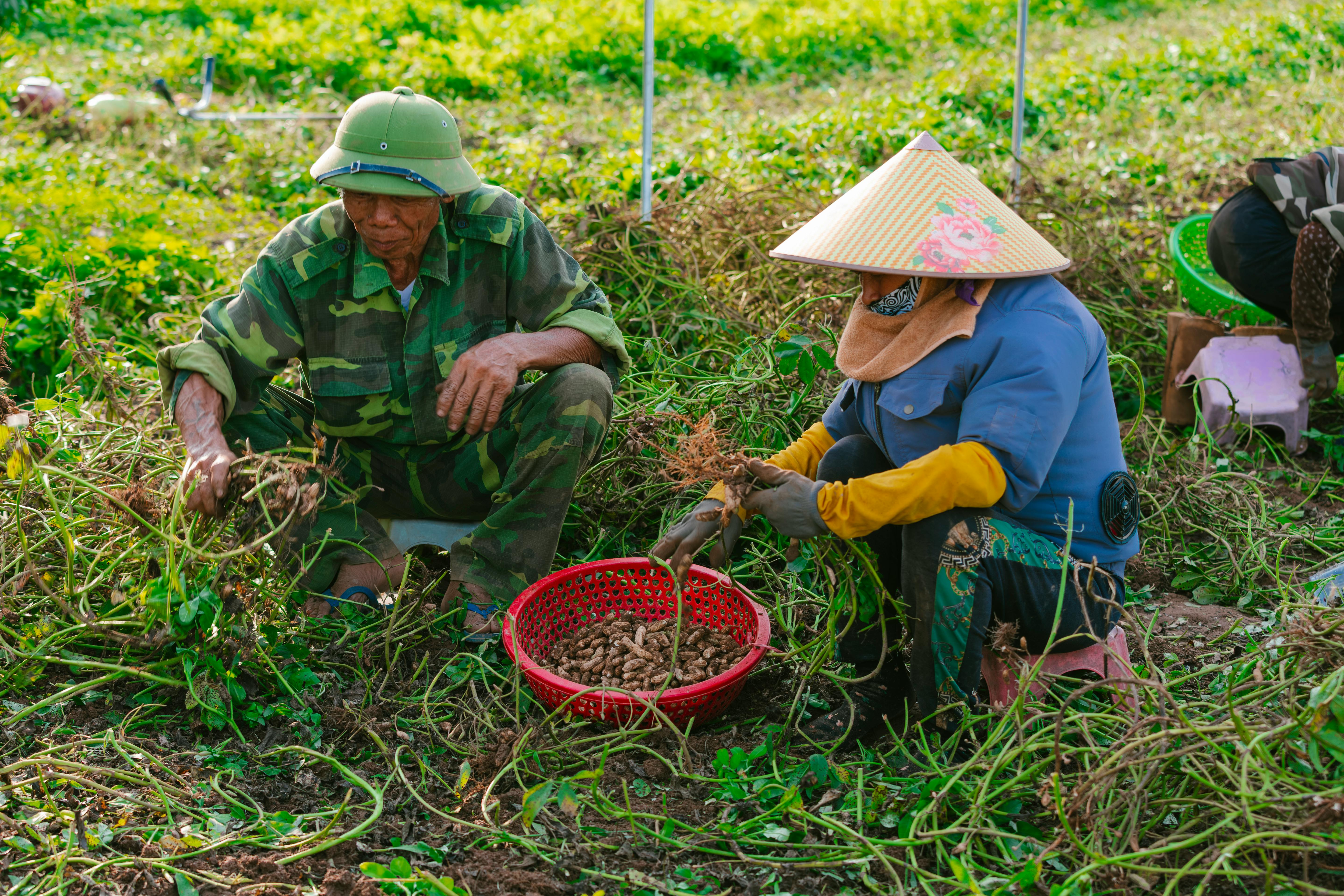
The good news is that there's a growing awareness and adoption of organic farming and sustainable agriculture practices. According to the Kenya Organic Agriculture Network (KOAN), the organic sector in Kenya has been steadily expanding, driven by both local demand for healthier food and export opportunities. Sustainable practices like conservation tillage, agroforestry, and efficient water management are gaining traction as farmers seek to enhance soil health, improve crop yields, and conserve natural resources (Greenlife.co.ke).
The emphasis on soil fertility is paramount. Healthy soil is the bedrock of productive farming, offering essential nutrients, water retention, and a robust microbial ecosystem. Without sustainable soil management, the long-term viability of agriculture in Kenya remains at risk. This is precisely where innovative and traditional approaches, like crop rotation with legumes, can make a profound difference.
Key Insights or Strategies for Profitability
Achieving sustainable farm profits in Kenya hinges on implementing smart, ecological strategies that enhance both productivity and environmental health. These insights focus on practical, actionable steps that can be integrated into existing farm operations.

1. Mastering Legume-Based Crop Rotation
Legumes are nature's nitrogen factories. They form a symbiotic relationship with beneficial soil bacteria (rhizobia) that convert atmospheric nitrogen into a form usable by plants. This natural process, known as nitrogen fixation, is a game-changer for soil fertility.
Recent studies show farms in western Kenya adopting this method saw a 30% increase in maize yields and 40% lower fertilizer costs. This demonstrates the significant economic advantage of shifting away from sole reliance on synthetic nitrogen.
Actionable Steps:
2. Prioritizing Soil Health and Fertility
Beyond crop rotation, a holistic approach to soil health involves several other crucial practices. Healthy soil is resilient, capable of holding water, suppressing diseases, and providing a steady supply of nutrients to plants. This forms the foundation of sustainable agricultural productivity.
Actionable Steps:
To further explore and implement sustainable organic farming practices that prioritize soil health, explore sustainable organic farming solutions with Biofarm Kenya.
3. Embracing Water Efficiency and Conservation
Water is a precious resource in many parts of Kenya. Efficient water management is critical for sustainable agriculture, especially given the unpredictable rainfall patterns exacerbated by climate change. Utilizing water wisely not only conserves resources but also reduces operational costs and improves crop resilience.
Actionable Steps:
Case Studies, Examples, or Comparisons: Kenyan Farmers Leading the Way
Across Kenya, numerous farmers are demonstrating that sustainable agriculture is not just an ideal but a viable and profitable reality. These success stories often highlight resilience, innovation, and a deep understanding of ecological principles.
For instance, farmers in Western Kenya, particularly those trained through initiatives promoting conservation agriculture, have seen remarkable turnarounds. A study by ResearchGate on legume-led crop rotations in Southwest Kenya illustrates how these systems 'boost the resistance of soils' and improve land use efficiency. Farmers who integrated legumes like cowpeas and groundnuts into their maize cycles reported not only the aforementioned yield increases but also a visible improvement in soil structure and reduced incidence of certain pests and diseases.
Another compelling example comes from smallholder farmers adopting greenhouse technology. While not strictly organic, modern greenhouses, particularly those employing hydroponic or aquaponic systems, significantly reduce water usage and pesticide reliance. These controlled environments allow for precise nutrient delivery and protection from harsh weather, leading to higher yields and better quality produce. The Ministry of Agriculture and Livestock Development in Kenya has been a proponent of such innovations, offering training and subsidies to farmers looking to invest in these technologies, which align with principles of resource efficiency.
The success of these farmers challenges the conventional wisdom that high yields necessitate heavy chemical inputs. Instead, they prove that by working with nature, rather than against it, Kenyan agriculture can achieve both prosperity and ecological balance. These farmers act as powerful local examples, inspiring their communities to consider more sustainable approaches and showcasing the tangible benefits of diversified and integrated farming systems.
Common Mistakes to Avoid in Sustainable Agriculture
Even with the best intentions, farmers can sometimes fall into traps that hinder their sustainable efforts. Recognizing and rectifying these common errors is crucial for long-term success and profitability.
Correction: Invest in regular soil testing. This informs precise amendment strategies, ensuring you apply what your soil truly needs, rather than over- or under-fertilizing.Ignoring Crop Rotation Principles: While the idea of crop rotation is gaining traction, sometimes farmers fail to plan diverse enough rotations or don't properly manage residue. Simply alternating two crops without considering their specific needs and benefits can limit effectiveness.
Correction: Understand the specific benefits of each crop in your rotation (e.g., nitrogen-fixing legumes, deep-rooted brassicas for breaking hardpan). Plan multi-year cycles and always incorporate crop residues to build soil organic matter.Inefficient Water Management: Over-irrigation or inconsistent watering leads to wasted water, nutrient leaching, and can create conditions ripe for fungal diseases. Relying solely on rainfall in dry periods without supplementary irrigation is also a common pitfall.
Correction: Implement water-saving technologies like drip irrigation or micro-sprinklers. Monitor soil moisture levels and irrigate based on plant needs and weather conditions. Consider rainwater harvesting to supplement supplies.Over-reliance on a Single Organic Input: While compost and manure are excellent, solely using one type of organic matter without understanding its nutrient profile can lead to imbalances.
Correction: Diversify your organic inputs. Combine compost with different types of animal manure (if available), green manures, and biofertilizers to ensure a broad spectrum of nutrients and microbial diversity.Delayed Pest and Disease Control: Adopting organic pest control doesn't mean ignoring problems until they become outbreaks. A common mistake is waiting too long to intervene.
Correction: Implement integrated pest management (IPM) strategies from the outset. This includes monitoring, using beneficial insects, companion planting, and applying organic-approved treatments promptly when necessary. Regularly scouting your crops is key.
Expert Tips or Best Practices for Biofarm Kenya Farmers
Drawing from years of experience and successful implementations, these expert tips are designed to help Kenyan farmers maximize their sustainable farming efforts and enhance profitability.
To deepen your understanding and access a wealth of resources, explore sustainable organic farming solutions with Biofarm Kenya. We are committed to empowering farmers with the knowledge and tools they need for a prosperous and sustainable future.
Future Trends or Predictions in Kenyan Sustainable Agriculture
The future of agriculture in Kenya is poised for exciting transformations, driven by technological advancements and a growing commitment to sustainability. These emerging trends offer new opportunities for farmers to enhance productivity, resilience, and profitability.
These trends highlight a future where technology and ecological principles converge, creating an agricultural sector that is both highly productive and deeply sustainable.
Conclusion: Growing Profits, Nurturing the Earth
The journey towards sustainable agriculture in Kenya is not merely an environmental imperative; it is a clear path to enhanced farm profitability and long-term economic stability. By actively embracing practices like legume-based crop rotation, Kenyan farmers can revitalize their soil, significantly reduce reliance on expensive chemical inputs, and achieve impressive yield increases, as evidenced by the 30% boost in maize yields and 40% reduction in fertilizer costs seen in Western Kenya. This approach challenges the conventional, often extractive, farming methods and paves the way for a regenerative future.
The measurable benefits extend beyond the farm gate, fostering food security, environmental resilience, and a healthier future for communities across the nation. By adopting efficient water management, prioritizing soil health through organic amendments, and leveraging modern agricultural insights, farmers are not just growing crops; they are cultivating a sustainable legacy. The integration of technology, from smart irrigation to advanced soil testing, further empowers this transformation, making sustainable farming more accessible and more productive than ever before.
Discover trusted organic farming tools on Amazon and learn more about sustainable solutions with Biofarm Kenya. Together, we can build a thriving, sustainable agricultural sector that feeds the nation and safeguards our precious natural resources for generations to come.
FAQs: Your Questions on Sustainable Agriculture in Kenya Answered
Q1: What are the primary benefits of legume-based crop rotation for Kenyan farmers?
A1: Legume-based crop rotation offers several critical benefits for Kenyan farmers. Firstly, legumes such as beans, cowpeas, and groundnuts fix atmospheric nitrogen into the soil, significantly enhancing soil fertility and reducing the need for expensive synthetic nitrogen fertilizers. This leads to substantial cost savings. Secondly, crop rotation breaks the life cycles of pests and diseases specific to certain crops, minimizing their impact and often reducing the need for chemical pesticides. Thirdly, it improves soil structure, water retention, and overall biodiversity, leading to healthier and more resilient farm ecosystems. Studies have shown this can increase maize yields by up to 30% and reduce fertilizer costs by 40% in regions like Western Kenya. Learn more about nitrogen fixation benefits from Frontiers in Sustainable Food Systems.
Q2: How can I accurately test my soil to understand its needs for sustainable practices?
A2: Accurate soil testing is the first crucial step in any sustainable agriculture strategy. Farmers can collect soil samples from different parts of their farm and send them to agricultural laboratories, such as those operated by the Kenya Agricultural and Livestock Research Organization (KALRO) or private agronomic service providers. These labs provide detailed reports on soil pH, nutrient levels (nitrogen, phosphorus, potassium, micronutrients), and organic matter content. Alternatively, for quick on-site assessments, various commercially available soil testing kits can provide immediate readings for pH and basic nutrient levels. Regularly testing your soil, ideally every 2-3 years, allows for informed decisions on crop selection, fertilization, and soil amendments, optimizing input use and promoting healthy plant growth. Visit KALRO for more information on agricultural research and soil testing services.
Q3: What role do organic fertilizers play in improving soil health in Kenya?
A3: Organic fertilizers, including compost, animal manure, and green manures, are vital for improving soil health in Kenya's agricultural systems. Unlike synthetic fertilizers that primarily feed the plant, organic fertilizers nourish the soil itself. They enrich the soil with organic matter, which enhances soil structure, increases water retention capacity, and provides a habitat for beneficial microorganisms. These microbes play a crucial role in nutrient cycling, making nutrients more available to plants over time. Consistent application of organic fertilizers leads to a more fertile, resilient soil capable of supporting healthy plant growth, reducing erosion, and mitigating the effects of drought. Discover more about organic soil health management with Biofarm Kenya.
Q4: What are the most effective water conservation techniques for Kenyan farms?
A4: Given Kenya's varied climate, effective water conservation is paramount. Drip irrigation is highly recommended as it delivers water directly to the plant roots, significantly reducing evaporation and runoff compared to traditional methods. Rainwater harvesting, where rainwater is collected from rooftops and stored in tanks or dams, provides a free and sustainable water source for irrigation. Mulching, the application of a layer of organic material (like straw or crop residue) on the soil surface, helps retain soil moisture, suppresses weeds, and moderates soil temperature. Additionally, selecting drought-tolerant crop varieties and practicing conservation tillage (minimal soil disturbance) further contribute to water efficiency. Find resources on environmental management and water conservation from NEMA Kenya.
Q5: How can smallholder farmers in Kenya access training and support for sustainable agriculture?
A5: Smallholder farmers in Kenya can access training and support for sustainable agriculture through various channels. Government agricultural extension services, often provided by the Ministry of Agriculture, offer workshops, field demonstrations, and one-on-one advice. Non-governmental organizations (NGOs) and community-based organizations (CBOs) frequently run programs focused on organic farming, agroecology, and climate-smart agriculture. Additionally, local farmer cooperatives provide a platform for knowledge sharing and collective learning. Institutions like Biofarm Kenya also offer specialized training and partner programs to equip farmers with the practical skills and resources needed to transition to sustainable practices. Explore partnership and training opportunities with Biofarm Kenya.
Q6: What is agroforestry, and how does it benefit sustainable agriculture in Kenya?
A6: Agroforestry is an integrated land-use management system where trees or shrubs are grown around or among crops or pastureland. In Kenya, this practice offers multiple benefits for sustainable agriculture. Trees in agroforestry systems help to prevent soil erosion, improve soil fertility through nitrogen fixation (if leguminous trees are used) and leaf litter decomposition, and enhance biodiversity by providing habitats for beneficial insects and wildlife. They also offer economic benefits through timber, fruit, fodder, and fuelwood. Furthermore, trees provide shade, reducing soil moisture evaporation and improving microclimates for crops, making farms more resilient to climate change. Agroforestry represents a holistic approach to land management that combines productivity with environmental conservation. Learn more about the global benefits of agroforestry from the FAO.



0 Comments