

Estimated Reading Time: 11 minutes
TL;DR: Biochar offers Kenyan farmers a sustainable path to enhanced soil fertility and increased yields. By converting farm waste into this carbon-rich material, you can significantly boost maize production, reduce reliance on costly chemical fertilizers, and build resilience against climate change. Simple steps like proper biochar production, mixing with compost, and mindful application are key to unlocking its full potential and saving money annually.
Key Takeaways:
Table of Contents
Introduction
In Kenya, the agricultural landscape is undergoing a significant transformation. Current trends show rising demand for sustainable soil management in Kenya, a critical shift driven by the undeniable impacts of climate change and the escalating costs of synthetic fertilizers. Farmers across the nation are actively seeking innovative yet practical solutions to maintain productivity and profitability. This guide trains farmers to create and apply biochar—an organic, charcoal-like material—to boost soil fertility, enhance water retention, and ultimately increase crop yields. Biochar, often overlooked or dismissed as 'unproven' by some, is gaining traction as a powerful tool in the arsenal of sustainable farming.
Biofarm Kenya is committed to equipping you with the knowledge to harness this ancient practice with modern scientific backing. The benefits are clear: proven to increase maize yields by 30% in 2024 KALRO trials, and evidence from Shamba Science 2025 shows cost savings of $120/acre annually compared to chemical fertilizers. We'll explore the key steps involved: 1) Making biochar from farm waste, 2) Mixing with organic compost to enhance nutrient retention, and 3) Avoiding over-application to prevent pH imbalances. Join us in cultivating a more fertile, resilient, and profitable future for Kenyan agriculture.
Background & Context: The Shifting Sands of Kenyan Agriculture
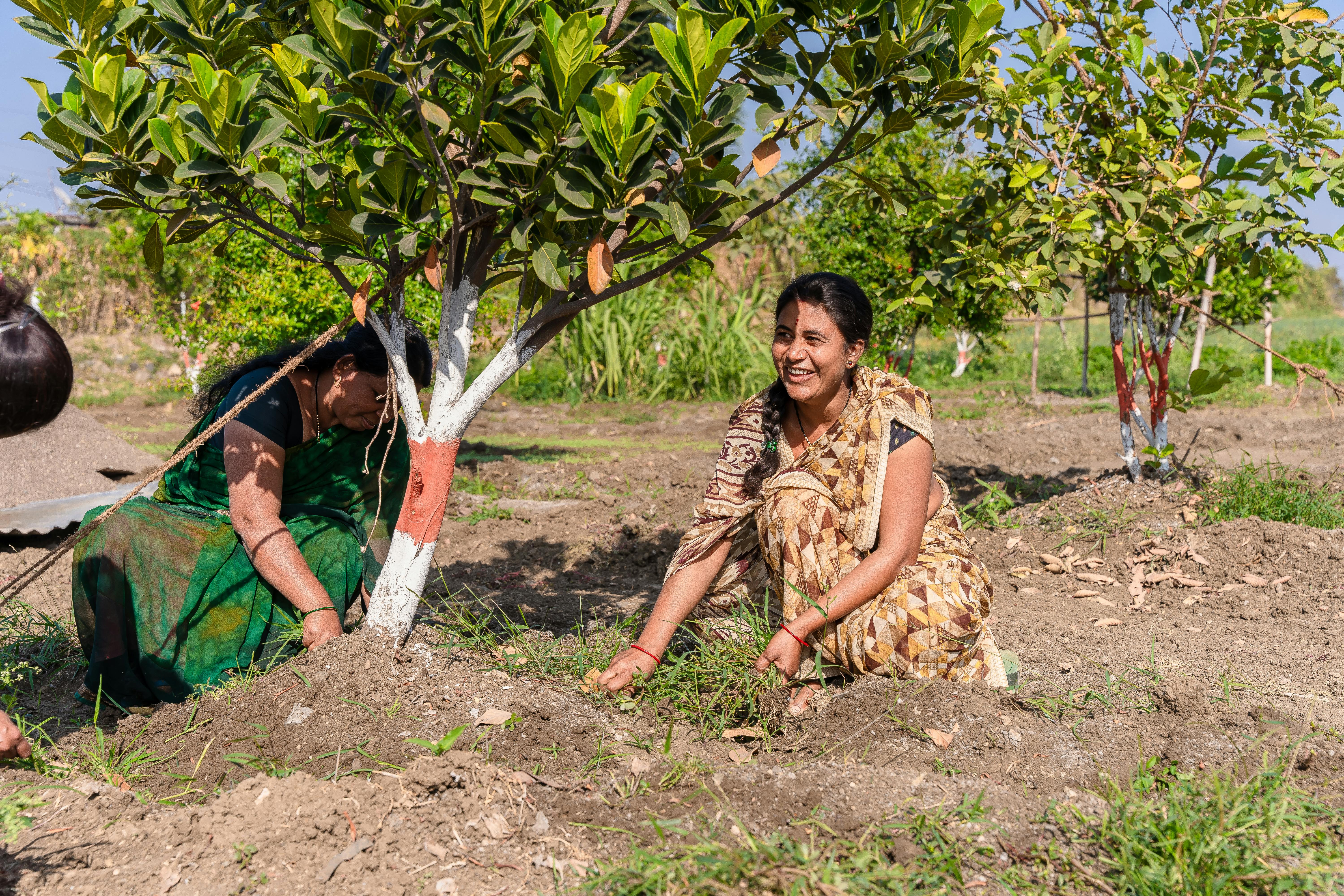
Kenya's agricultural sector, the backbone of its economy, faces increasing pressure from soil degradation, erratic rainfall patterns, and the high price volatility of imported fertilizers. Smallholder farmers, who produce the majority of the nation’s food, are particularly vulnerable. The need for sustainable practices that improve soil health, conserve water, and reduce input costs has never been more urgent. Organic farming, while a long-standing tradition for some, is now experiencing a resurgence, driven by consumer demand for healthier food and farmers' desire for ecological resilience.
Data from the Ministry of Agriculture indicates a steady growth in demand for organic produce, with local markets and export opportunities expanding. Simultaneously, soil fertility in many arable regions has declined due to continuous cultivation and minimal replenishment of organic matter. This dual challenge – declining soil health and rising demand for sustainable produce – positions solutions like biochar as vital. Biochar, essentially charcoal produced through pyrolysis of biomass, offers a stable form of carbon that, when added to soil, can persist for centuries, acting as a permanent soil amendment. Its porous structure creates microhabitats for beneficial microbes, improves aeration, and significantly enhances the soil's capacity to hold water and nutrients.
Key Insights & Strategies: Mastering Biochar for Maximum Impact

Embracing biochar requires a strategic approach to ensure its benefits are fully realized. It's not just about adding charcoal to your soil; it's about intelligent integration for optimal results.
1. Sourcing and Production of Quality Biochar
2. Activating Biochar for Enhanced Nutrient Retention
3. Strategic Soil Application and Integration
By following these strategies, farmers can effectively harness biochar's potential, creating fertile, resilient soils that thrive even under challenging conditions. To further enhance your farm's productivity and sustainability, explore sustainable organic farming solutions with Biofarm Kenya.
Case Studies: Kenyan Farmers Leading the Biochar Revolution
Across Kenya, pioneering farmers are demonstrating the tangible benefits of biochar. These success stories highlight how this sustainable practice is not just theoretical but delivers real-world improvements in yields and economic returns.
In Nakuru County, Farmer John Kamau, working with local agricultural extension services, implemented biochar on his maize and bean fields. After charging biochar with cattle manure for three weeks, he applied it at a rate of 3 tons per acre before planting. His maize yields increased from an average of 15 bags per acre to over 20 bags per acre in the first season, a remarkable 33% improvement. The soil also showed improved water retention, reducing the need for frequent irrigation during dry spells. Kamau notes, 'Initially, my neighbors were skeptical, calling it 'just charcoal.' But when they saw my healthy maize standing tall and green, they started asking questions. Now, many are keen to try it.' This aligns with the 2024 KALRO (Kenya Agricultural and Livestock Research Organization) trials, which demonstrated similar maize yield increases of up to 30% with proper biochar application.
Another inspiring example comes from a women's cooperative in Machakos County. Facing severe soil erosion and low productivity on their small plots, they adopted a holistic approach combining biochar with agroforestry practices. They utilized locally available crop residues and Prosopis juliflora (mathenge) wood to produce biochar using simple Kon-Tiki kilns. The biochar was then mixed with their traditional compost. Over two seasons, they observed a significant reduction in soil erosion, improved vegetable quality, and a noticeable increase in nutrient cycling within their plots. This boosted their income and enhanced food security for their families. Their success resonates with global findings; the FAO (Food and Agriculture Organization of the United Nations) consistently advocates for soil health initiatives, including biochar, as a key component of resilient food systems in vulnerable regions, emphasizing its role in water retention and nutrient management. Learn more about FAO's soil health initiatives here.
Common Mistakes to Avoid in Biochar Application
While biochar offers immense potential, its improper use can lead to suboptimal results or even temporary setbacks. Understanding and avoiding these common pitfalls is essential for success.
Firstly, applying uncharged biochar directly to the soil is a frequent mistake. Fresh biochar acts like a powerful magnet, adsorbing nutrients and water. If applied uncharged, it can temporarily 'steal' vital nutrients from your young plants, leading to stunted growth. Always ensure your biochar is 'charged' by mixing it with compost or liquid manure for several weeks before application, allowing it to become a nutrient bank rather than a nutrient drain.
Secondly, over-application or uneven distribution can cause issues. While biochar is generally beneficial, excessive amounts, especially if not thoroughly incorporated, can lead to temporary pH imbalances or localized nutrient deficiencies. Start with recommended rates (1-5 tons per acre) and ensure it's evenly mixed into the top 6-12 inches of soil. Spot applications or surface layering without incorporation are less effective and can sometimes be detrimental.
Thirdly, ignoring soil testing before and after biochar application is a missed opportunity. Without knowing your soil's baseline pH, organic matter content, and nutrient levels, you cannot accurately assess the impact of biochar or adjust your application strategy. Regular soil tests guide you in determining the right amount and frequency of biochar application, optimizing its benefits. Many farmers also make the mistake of assuming biochar is a standalone fertilizer; it's a soil amendment, not a complete nutrient source. It works best in conjunction with organic fertilizers and compost, not as a replacement.
Expert Tips & Best Practices for Biochar Success
To truly unlock the power of biochar on your Kenyan farm, integrate these expert tips and best practices into your routine. These strategies will maximize your yields, enhance soil health, and ensure long-term sustainability.
Future Trends: Innovating Beyond Biochar
The agricultural sector in Kenya is dynamic, constantly evolving to meet the challenges of food security, climate change, and economic viability. While biochar offers a powerful foundation for sustainable soil management, several other exciting trends and innovations are shaping the future of farming in the region.
One significant trend is the rise of smart irrigation systems. With increasingly unpredictable rainfall, technologies like sensor-based irrigation, which delivers water precisely when and where it's needed, are becoming vital. These systems reduce water waste, conserve energy, and ensure optimal plant hydration, particularly crucial in arid and semi-arid regions of Kenya. Coupled with biochar's water-retention properties, smart irrigation can create highly efficient water usage models.
Vertical farming and urban agriculture are also gaining traction, especially in rapidly growing urban centers. These innovative methods utilize limited space to produce fresh, local produce, often with controlled environments that minimize pest and disease pressure and optimize resource use. While perhaps not directly related to large-scale biochar application, the principles of sustainable resource management and soil-less growing media often integrate biochar-like materials for enhanced plant growth.
Furthermore, AI-driven crop monitoring and precision agriculture are on the horizon. Drones equipped with multispectral cameras can assess crop health, detect nutrient deficiencies, and identify pest outbreaks before they become widespread. This data, analyzed by AI, allows farmers to make highly targeted interventions, optimizing fertilizer use (including biochar integration), pest control, and irrigation. The adoption of such technologies promises to revolutionize productivity and efficiency in Kenyan agriculture, building on the fundamental soil health improvements provided by biochar. The integration of these advanced tools with traditional, sustainable practices like biochar will pave the way for a truly resilient and prosperous agricultural future in Kenya.
Conclusion: Cultivating a Greener Future with Biochar
The journey towards sustainable agriculture in Kenya is an imperative, not merely an option. As we navigate the complexities of climate change and rising input costs, biochar emerges as a powerful, locally-sourced solution to transform our soils and secure our food future. By embracing the simple yet profound process of converting farm waste into this carbon-rich amendment, Kenyan farmers can significantly boost soil fertility, enhance water retention, and witness remarkable increases in crop yields, such as the 30% rise in maize production observed in KALRO trials.
Beyond the immediate benefits of increased productivity, biochar offers long-term economic advantages, saving farmers an estimated $120/acre annually compared to synthetic fertilizers, as demonstrated by Shamba Science 2025. It also plays a crucial role in carbon sequestration, turning agricultural waste into a climate-friendly asset. Remember, the key to success lies in understanding the science: making quality biochar from farm waste, carefully mixing it with organic compost for activation, and applying it judiciously to prevent imbalances.
The transition to biochar-enhanced farming is a step towards greater resilience, profitability, and environmental stewardship. It's a testament to the fact that innovation can indeed grow from tradition, and that local solutions hold the greatest promise. We encourage every Kenyan farmer to explore this transformative practice. Discover trusted organic farming tools on Amazon and learn more about sustainable solutions with Biofarm Kenya.
FAQs: Your Biochar Questions Answered
Q1: What exactly is biochar and how does it differ from regular ash or charcoal?
A: Biochar is a highly porous, carbon-rich material created by heating biomass (like crop residues or wood) in a low-oxygen environment, a process called pyrolysis. Unlike regular ash, which is primarily mineral and offers little long-term benefit, biochar's stable carbon structure means it persists in the soil for centuries. It also differs from cooking charcoal in that it's specifically produced for soil amendment, designed to enhance soil biology and nutrient retention. Learn more about the fundamentals of biochar from the International Biochar Initiative.
Q2: How does biochar improve soil fertility and crop yields in Kenyan soils?
A: Biochar improves soil fertility in several ways crucial for Kenyan agriculture. Its porous structure increases water retention, making soils more resilient to drought. It also enhances nutrient retention, preventing valuable fertilizers from leaching away, and provides a habitat for beneficial soil microbes, improving nutrient cycling. This leads to healthier plant growth and, as seen in 2024 KALRO trials, can boost maize yields by up to 30%. Explore Biofarm Kenya's guide to soil fertility management.
Q3: Can I make biochar myself using farm waste, and is it safe?
A: Yes, absolutely! Biochar can be effectively made from various farm wastes like maize stalks, coffee husks, and even animal manure using simple pyrolysis techniques such as drum kilns or TLUD gasifiers. It is generally safe, provided the pyrolysis is done correctly in a well-ventilated area to avoid smoke inhalation. The resulting biochar is stable and safe for soil application. The FAO provides resources on safe and sustainable agricultural practices.
Q4: What are the economic benefits of using biochar compared to chemical fertilizers?
A: The economic benefits are substantial. Biochar reduces the need for costly chemical fertilizers by improving nutrient efficiency and retention in the soil. Evidence from Shamba Science 2025 indicates potential cost savings of $120 per acre annually. Furthermore, by increasing crop yields and improving soil health, biochar contributes to long-term farm profitability and reduces dependency on external inputs. Discover more cost-effective farming strategies with Biofarm Kenya.
Q5: Are there any negative effects or common mistakes to avoid when applying biochar?
A: While highly beneficial, there are pitfalls to avoid. The most common mistake is applying 'uncharged' biochar directly, which can temporarily lock up nutrients. Always charge biochar with compost or manure first. Over-application can also lead to temporary pH imbalances. It's crucial to conduct soil tests and follow recommended application rates (typically 1-5 tons per acre) for optimal results. Kenya's National Environment Management Authority (NEMA) offers insights on soil pollution and management.
Q6: Where can Kenyan farmers find more support and resources for implementing biochar?
A: Kenyan farmers can find extensive support through various channels. Local agricultural extension offices often provide training and resources. Organizations like Kenya Biochar offer specialized guidance. Additionally, Biofarm Kenya is a valuable partner, connecting farmers with sustainable solutions, expert advice, and a community of like-minded agriculturalists. Connect with Biofarm Kenya partners and resources here.
External Authoritative Links:
Internal Biofarm Kenya Links:


0 Comments