

Estimated Reading Time: 10 minutes
TL;DR: Over 90% of Kenyan smallholders face declining soil fertility. KALRO's hybrid farming method offers a solution, combining 50% organic compost with 50% reduced inorganic inputs. This approach boosts yields by 22% and saves $150/acre annually, enhancing drought resilience. Key steps include soil pH testing, timed compost application, and biochar use.
Key Takeaways:
- Adopt KALRO's hybrid farming for sustainable soil fertility.
- Utilize soil pH testing to inform nutrient management.
- Apply organic compost (cow dung, coffee husks) 4 weeks before planting.
- Reduce inorganic fertilizer use by 50% in conjunction with compost.
- Incorporate locally-sourced biochar for improved moisture retention and drought resilience.
Table of Contents:
Introduction
In the vibrant agricultural landscape of Kenya, the bedrock of food security—our soil—faces an escalating crisis. Recent KALRO studies show over-90% of Kenyan smallholders face declining soil fertility due to excessive inorganic fertilizer use, threatening livelihoods and national food production. This critical challenge calls for a paradigm shift towards more sustainable and resilient farming practices.
This guide trains farmers to adopt a revolutionary hybrid approach, pioneered by KALRO, that combines 50% organic compost (derived from readily available materials like cow dung and coffee husks) with 50% reduced inorganic inputs. This method isn't just theory; it's a proven strategy boosting yields by an impressive 22% while saving farmers an average of $150/acre annually. Key steps include vital practices like soil pH testing before planting, timed application of compost approximately 4 weeks pre-planting, and strategically using locally-sourced biochar to significantly retain moisture, enhancing crop resilience. Field trials conducted in Nyanza in 2025 unequivocally proved this hybrid method outperformed conventional practices, particularly in drought resilience. Join us as we delve into how you can implement these transformative techniques to secure a more fertile and prosperous future for your farm.
Background & Context
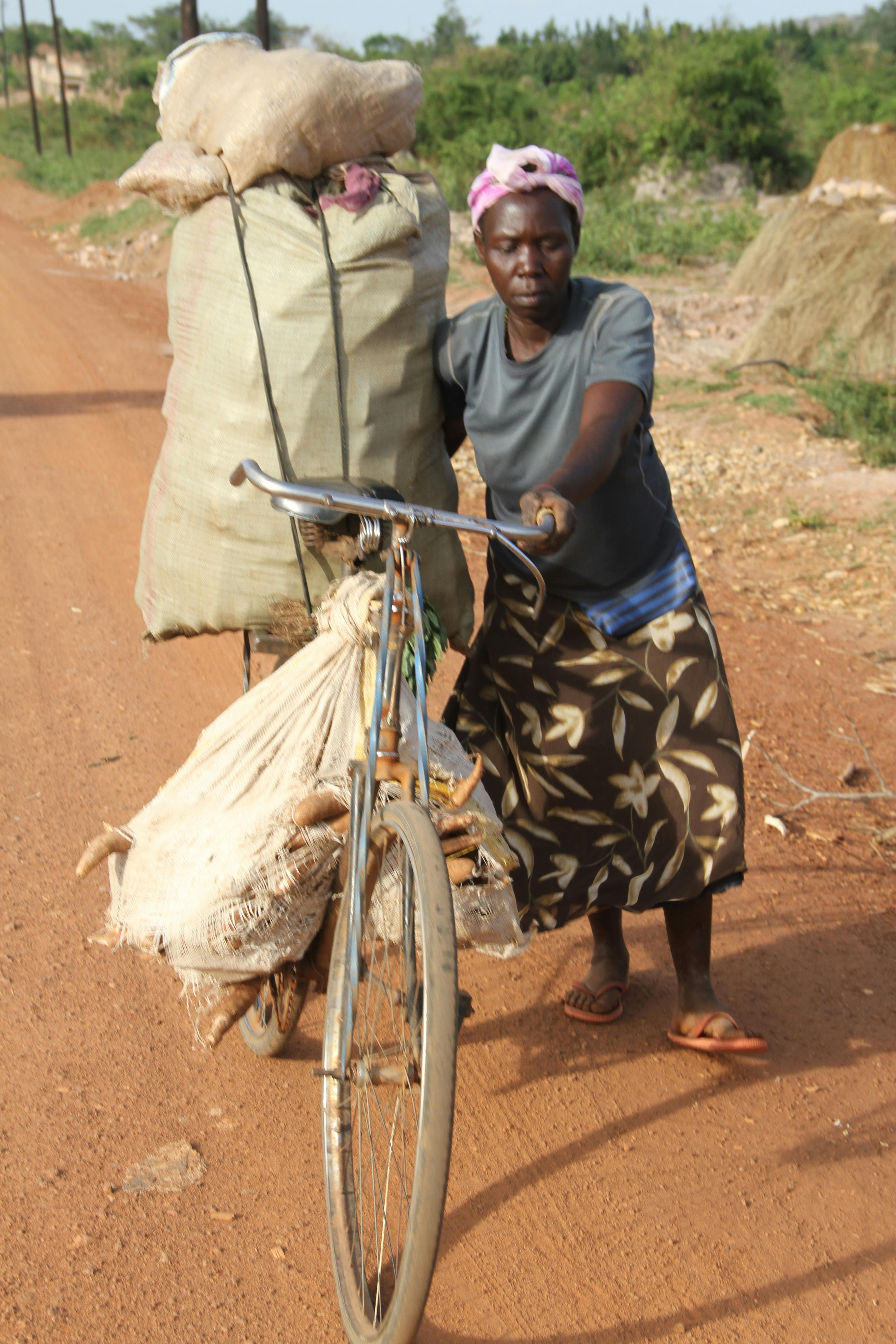
Kenya’s agricultural sector, a major contributor to the nation's GDP and employer for a significant portion of the population, is grappling with severe challenges. Decades of intensive farming, coupled with an over-reliance on synthetic fertilizers, have depleted vital soil nutrients, compacted land, and diminished microbial activity. This degradation directly impacts crop productivity, leading to reduced harvests and increased input costs for smallholder farmers who form the backbone of our agricultural economy.
The urgency to adopt sustainable practices has never been greater. Organic farming, while offering long-term benefits, often presents an initial learning curve and perceived yield reductions that can deter farmers seeking immediate returns. This is where the KALRO hybrid method becomes a game-changer, providing a pragmatic bridge between conventional and purely organic approaches. It acknowledges the immediate needs of farmers while steadily building soil health for future generations.
According to a report by the Food and Agriculture Organization (FAO), sustainable agriculture and agribusiness growth in East Africa are paramount for achieving food security and poverty reduction goals. The integration of organic and inorganic inputs, as proposed by KALRO, offers a balanced pathway to achieving these objectives. It’s about working smarter with our land, not harder, by understanding the delicate balance of soil ecosystems. This approach ensures that farmers can continue to feed their families and communities, even in the face of changing climatic conditions.
Key Insights & Strategies for Sustainable Soil Fertility

Adopting the KALRO hybrid farming method involves several interconnected strategies designed to restore and maintain soil fertility. Each step is crucial for maximizing the benefits of this integrated approach.
1. Prioritize Soil pH Testing and Analysis
Understanding your soil's current condition is the foundational step. Soil pH directly impacts nutrient availability to plants. Extremely acidic or alkaline soils lock up essential nutrients, making them inaccessible. Regular testing helps you identify imbalances and tailor your amendments precisely.
- Collect soil samples from various parts of your farm.
- Use a reliable soil testing kit or send samples to an agricultural lab.
- Interpret results to determine current pH and nutrient levels.
- Based on results, plan for corrective measures like liming (for acidic soil) or gypsum (for alkaline soil) alongside compost.
Boost your yields with the Luster Leaf Rapitest Soil Test Kit – available on Amazon . Accurate pH readings are invaluable for informed decision-making on nutrient management, ensuring your plants get exactly what they need, when they need it.
2. Strategic Application of Organic Compost
Compost is the heart of the hybrid system, enriching soil with vital organic matter, improving structure, and fostering beneficial microbial life. The KALRO method specifically advocates for a 50% organic compost contribution.
- Source local materials: cow dung, coffee husks, crop residues, kitchen waste, and green manures are excellent choices.
- Prepare high-quality compost, ensuring proper aeration and moisture for efficient decomposition.
- Apply compost approximately 4 weeks before planting. This timing allows the organic matter to integrate into the soil structure and for initial nutrient release, preparing a nutrient-rich bed for your crops.
- Spread compost evenly across your fields and lightly incorporate it into the topsoil.
For farmers looking to jumpstart their composting process, consider using an effective starter. The Espoma Organic Compost Starter for Building Healthy, Rich Soil – available on Amazon can accelerate decomposition, ensuring you have rich, ready-to-use compost faster.
3. Judicious Reduction of Inorganic Inputs
While organic compost builds long-term soil health, a 50% reduced inorganic input ensures immediate nutrient availability for crop growth, especially during critical early stages. This balanced approach prevents nutrient deficiencies that might occur during the transition phase.
- Calculate your usual inorganic fertilizer requirements based on crop type and soil test results.
- Halve this amount for your application under the hybrid method.
- Focus on targeted application methods (e.g., banding or side-dressing) to minimize waste and maximize uptake.
- Monitor crop health closely; adjust inorganic inputs slightly if deficiencies are observed, always aiming for the 50% reduction.
4. Harnessing the Power of Biochar for Moisture Retention
Locally-sourced biochar is a game-changer for drought resilience. Produced from biomass through pyrolysis, biochar is a stable form of carbon that significantly enhances soil's water-holding capacity and nutrient retention.
- Learn how to produce biochar using local agricultural waste (e.g., maize cobs, rice husks).
- Incorporate biochar into your soil along with compost or during planting.
- Observe the improved soil structure and reduced need for frequent irrigation, especially during dry spells.
Discover how Biofarm Kenya supports farmers in implementing these strategies effectively. Explore sustainable organic farming solutions with Biofarm Kenya .
Case Studies, Examples, or Comparisons
The theoretical benefits of KALRO's hybrid farming method are powerfully demonstrated through real-world applications in Kenya. While the 2025 Nyanza field trials represent the latest scientific validation, numerous smallholder farmers across the country are already experiencing significant success by integrating similar sustainable practices.
Consider the story of Mary Wanjiku from Kakamega County. For years, her maize yields were stagnant, and her soil felt hard and lifeless, a direct consequence of continuous inorganic fertilizer use. After attending a local agricultural extension workshop, Mary began experimenting with composting her farm waste and blending it with reduced chemical fertilizers. She incorporated cow manure and crop residues, alongside a modest application of NPK. Within two seasons, her soil's texture improved noticeably, retaining moisture better, and her maize yields increased by approximately 18%. Her input costs for fertilizer also decreased, allowing her to invest in better seeds and tools.
Another inspiring example comes from the greenhouse farming initiatives in Naivasha. While often associated with high-tech solutions, many small-scale greenhouse operators are successfully adopting hybrid approaches. Instead of purely hydroponic systems, they enrich their soil beds with a combination of well-rotted compost and precision-applied inorganic nutrients. This allows for robust plant growth, higher yields per square meter, and a reduction in diseases often associated with nutrient-depleted soils. The use of rainwater harvesting combined with soil enriched with organic matter further enhances water use efficiency, a critical factor in arid and semi-arid regions.
These real-world applications underscore the findings of the Kenya Agricultural and Livestock Research Organization (KALRO) that integrated soil fertility management (ISFM) practices, which the hybrid method embodies, are crucial for enhancing agricultural productivity and sustainability in Kenya. KALRO’s extensive research continues to provide the scientific backing for methods that empower farmers to adapt to climate change and improve their economic standing.
Common Mistakes to Avoid in Soil Management
Even with the best intentions, farmers can sometimes fall into common pitfalls that hinder soil fertility and crop productivity. Recognizing and rectifying these mistakes is vital for the successful implementation of the hybrid farming method.
Correction: Gradually reduce inorganic fertilizer by 50% as you introduce organic compost and biochar, focusing on the hybrid model.
Correction: Make soil pH and nutrient testing a routine practice before each planting season to get precise recommendations.
Correction: Ensure compost is fully decomposed ('cured') before application. Apply it about 4 weeks before planting to allow nutrients to stabilize in the soil.
Correction: Implement a diverse crop rotation schedule that includes legumes (for nitrogen fixation) and different plant families to break pest cycles and replenish varied nutrients.
Correction: Employ efficient irrigation methods like drip irrigation, use mulching to retain soil moisture, and monitor soil moisture levels regularly.
Correction: Practice cover cropping or mulching to protect the soil surface, suppress weeds, and add organic matter.
Expert Tips & Best Practices for Maximizing Farm Yields
To truly thrive with the KALRO hybrid method, consider these expert tips that integrate local wisdom with scientific best practices, ensuring your farm's long-term productivity and resilience.
By applying these expert tips, you not only boost your farm yields but also contribute to a healthier environment and a more sustainable future for Kenyan agriculture. For further resources and support on these practices, explore sustainable organic farming solutions with Biofarm Kenya .
Future Trends & Innovations in Kenyan Agriculture
The future of farming in Kenya is bright, with emerging technologies and innovative practices poised to revolutionize how smallholders operate. Staying abreast of these trends can provide a competitive edge and ensure long-term sustainability.
One significant trend is the rise of Precision Agriculture. This involves using data-driven insights to manage crops more efficiently. While traditionally associated with large-scale farms, simpler forms are becoming accessible. For instance, drones or satellite imagery can monitor crop health, identifying areas that need more water or nutrients, thus optimizing resource allocation. Mobile applications are also making it easier for farmers to access real-time weather data and market prices.
Smart Irrigation Systems are another transformative area. These systems use sensors to measure soil moisture levels and weather forecasts to determine precisely when and how much water to apply, minimizing waste. Coupled with efficient drip irrigation, smart systems are vital for drought-prone regions and for maximizing the effectiveness of soil amendments like biochar.
Vertical Farming and Controlled Environment Agriculture (CEA) are gaining traction, especially in urban or peri-urban areas where land is scarce. These methods allow for year-round production, reduced water use, and protection from adverse weather. While initial setup costs can be high, smaller, modular versions are becoming more viable for community or individual use.
Finally, increased focus on Agroecology and Regenerative Agriculture is shaping future policies and practices. These holistic approaches prioritize ecological processes, biodiversity, and soil health above all else. They emphasize minimal tillage, diverse cropping systems, and the integration of livestock, moving beyond just yield optimization to create truly sustainable and resilient food systems. These trends, supported by local research and international partnerships, are set to define the next generation of farming in Kenya.
Conclusion: Cultivating a Greener, More Prosperous Future
The journey to sustainable soil fertility is not merely about increasing yields; it's about safeguarding our land, empowering our farmers, and ensuring food security for future generations. KALRO's hybrid farming method offers a scientifically proven and practical pathway to achieve these goals, demonstrating that combining the best of organic compost with reduced inorganic inputs can lead to significant gains—22% increased yields and $150/acre annual savings—while dramatically improving drought resilience.
By embracing key practices such as vigilant soil pH testing, strategic and timely compost application, judicious reduction of synthetic fertilizers, and the innovative use of locally-sourced biochar, Kenyan smallholder farmers can transform their fields from struggling plots into thriving, productive ecosystems. These methods not only rejuvenate the soil but also reduce dependency on costly external inputs, fostering economic resilience and environmental stewardship.
The future of Kenyan agriculture lies in this balance—a harmonious blend of tradition, science, and innovation. It is a future where healthy soil underpins healthy communities, where every farmer can look forward to abundant harvests, year after year. Let us work together to cultivate this greener, more prosperous future. Discover trusted organic farming tools on Amazon and learn more about sustainable solutions with Biofarm Kenya .
Frequently Asked Questions (FAQs)
Q1: What exactly is the KALRO hybrid farming method?
A1: The KALRO hybrid farming method is an integrated approach that combines the benefits of organic farming with a responsible, reduced use of inorganic fertilizers. It specifically advocates for using 50% organic compost (like cow dung, coffee husks) alongside a 50% reduction in conventional inorganic inputs to improve soil fertility, boost yields by 22%, and enhance drought resilience, as detailed by KALRO's research. For more detailed insights, refer to official KALRO publications.
Q2: How does biochar contribute to soil fertility and drought resilience?
A2: Biochar is a highly porous, stable carbon material produced from biomass. When incorporated into soil, it acts like a sponge, significantly increasing the soil's water-holding capacity and nutrient retention. This improved water availability makes crops more resilient during dry spells, and its structure provides a habitat for beneficial soil microbes, enhancing overall soil fertility. Learn more about biochar's benefits from the FAO Soil Portal.
Q3: When is the best time to apply organic compost to my farm?
A3: For optimal results with the KALRO hybrid method, organic compost should be applied approximately 4 weeks before planting. This timing allows the organic matter to begin integrating with the soil, improves soil structure, and enables initial nutrient release, creating a fertile and stable environment for your young plants. Biofarm Kenya provides specific guidance on compost preparation and application.
Q4: Can I completely stop using inorganic fertilizers with this method?
A4: While the goal is to significantly reduce reliance on inorganic fertilizers, the KALRO hybrid method specifically recommends a 50% reduction, not a complete cessation, especially during the transition phase or for specific crop needs. This balanced approach ensures immediate nutrient availability while the organic matter builds long-term soil health. Over time, as soil health improves, further reductions might be possible.
Q5: What are some common local materials I can use for making compost in Kenya?
A5: Kenya offers abundant resources for organic compost. Common materials include cow dung, coffee husks, maize stalks, crop residues (such as bean or groundnut haulms), grass clippings, kitchen waste, and wood ash. Combining a mix of 'green' (nitrogen-rich) and 'brown' (carbon-rich) materials is key to creating nutrient-rich compost. The Ministry of Agriculture, Livestock, Fisheries and Co-operatives often shares resources on local composting methods.
Q6: How can I accurately test my soil's pH at home or affordably?
A6: Affordable soil pH testing kits are widely available at agricultural supply stores and online, offering a practical way for farmers to get immediate readings. For more comprehensive analysis, including specific nutrient levels, you can send soil samples to agricultural research institutions or university labs in Kenya, such as those associated with Egerton University or the University of Nairobi's Faculty of Agriculture. For assistance in locating such services, check out Biofarm Kenya's resource page.
Authoritative External Links:
- Kenya Agricultural and Livestock Research Organization (KALRO)
- Food and Agriculture Organization of the United Nations (FAO)
- Ministry of Agriculture, Livestock, Fisheries and Co-operatives, Kenya
- National Environment Management Authority (NEMA), Kenya
- Egerton University - Faculty of Agriculture
- University of Nairobi - Faculty of Agriculture
Internal Biofarm Kenya Links:


0 Comments