

Estimated Reading Time: 11 minutes
Kenyan farmers are increasingly prioritizing organic soil management due to rising costs of chemicals and evidence of long-term soil degradation. This training guide focuses on transitioning to organic practices, emphasizing composting, biochar application, and legume-based crop rotation. Key steps include: 1) Building nutrient-rich compost from farm waste (proven to boost maize yields by 30% per 2025 KARI trials), 2) Implementing biochar to enhance water retention in arid regions, and 3) Using legumes to naturally fix nitrogen. Farmers must learn to balance immediate productivity with soil health preservation.
TL;DR: Concise Takeaways for Sustainable Farming in Kenya
Key Takeaways: Actionable Steps for Kenyan Farmers
Table of Contents
Background & Context
Kenya's agricultural sector is the backbone of its economy, supporting livelihoods for over 70% of the rural population. However, decades of conventional farming practices, coupled with climate change impacts, have led to significant soil degradation, reduced biodiversity, and increased reliance on costly synthetic inputs. The urgent need for sustainable practices has brought organic farming into the spotlight as a viable, profitable, and ecologically sound alternative. This shift is not merely about avoiding chemicals; it's about fostering a holistic ecosystem where soil, plants, and beneficial organisms thrive together.
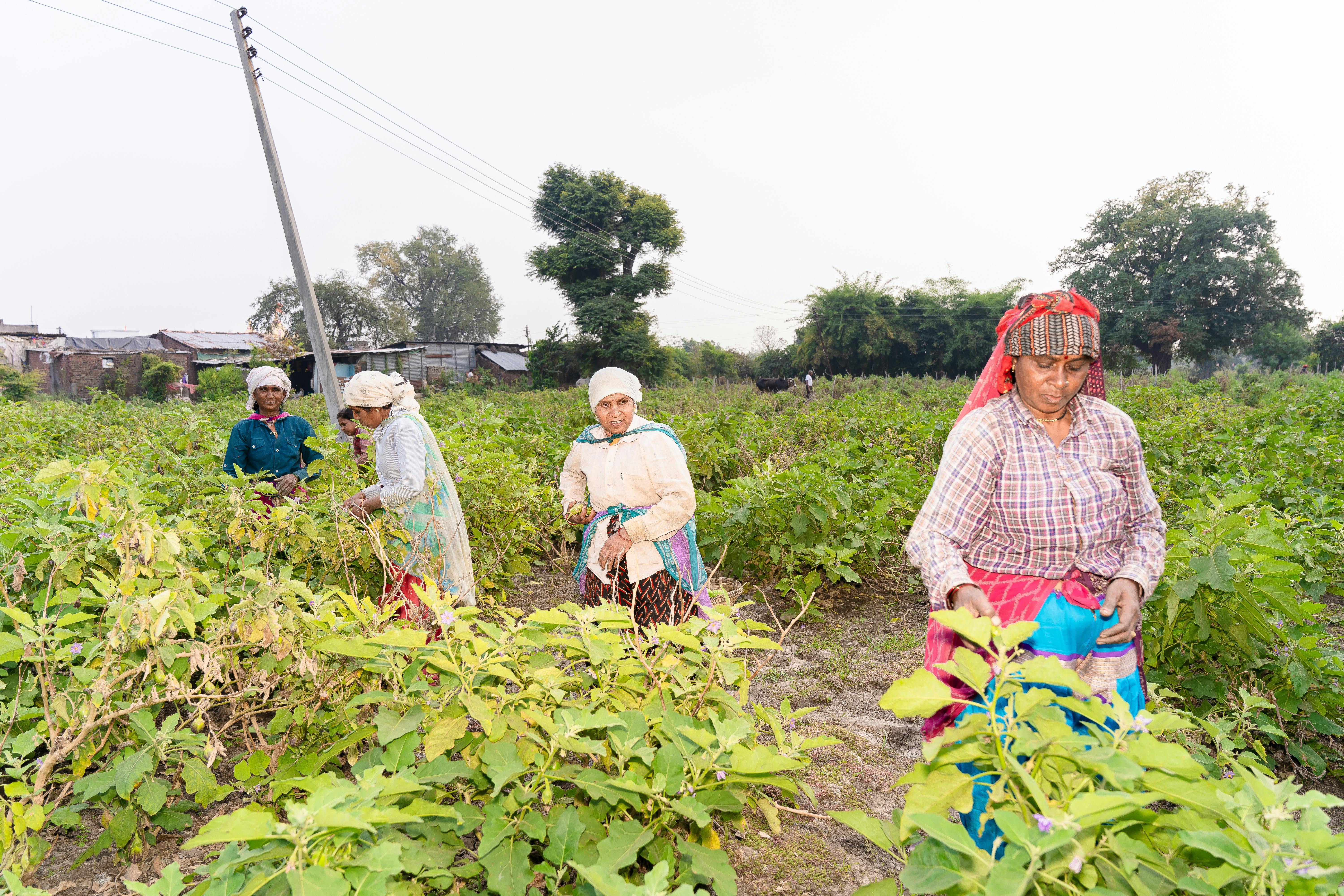
Statistics reveal a growing interest in organic agriculture across Kenya. While exact figures are continuously evolving, reports from organizations like the Kenya Organic Agriculture Network (KOAN) and the Ministry of Agriculture indicate a steady increase in certified organic land and the number of farmers adopting organic principles. This growth is driven by consumer demand for healthier food, the promise of premium prices for organic produce, and the undeniable long-term benefits for soil health and environmental resilience. Farmers are recognizing that investing in organic soil management today safeguards their productivity and profitability for generations to come.
Key Insights or Strategies
Transitioning to organic farming in Kenya is a journey that requires strategic planning and a deep understanding of ecological principles. The cornerstone of this transition lies in three powerful, interconnected strategies: building nutrient-rich compost, judiciously applying biochar, and implementing legume-based crop rotation. These practices are not just alternatives to chemical fertilizers; they are fundamental to creating a self-sustaining farm ecosystem.

Embracing Compost: The Heartbeat of Organic Soil
Compost is decomposed organic matter, a 'black gold' that enriches soil with essential nutrients, improves its structure, and enhances water retention. For Kenyan farmers, creating compost from readily available farm waste like crop residues, animal manure, and kitchen scraps is a cost-effective way to reduce waste and build soil fertility.
Unlocking Biochar's Potential: A Soil Supercharger
Biochar is a charcoal-like substance made from biomass pyrolysis (heating in the absence of oxygen). When added to soil, it acts like a sponge, dramatically improving water retention, especially in Kenya's arid and semi-arid regions. It also provides a stable habitat for beneficial microbes and helps retain nutrients, preventing them from leaching away.
Legume-Based Crop Rotation: Nature's Nitrogen Factory
Legumes like common beans, groundnuts, cowpeas, and green grams are remarkable plants that form a symbiotic relationship with soil bacteria to convert atmospheric nitrogen into a form usable by plants. Incorporating legumes into your crop rotation cycles naturally enriches the soil with nitrogen, reducing the need for synthetic fertilizers.
These strategies, when combined, create a powerful synergy that transforms exhausted soils into vibrant, productive ecosystems. To further enhance your farming practices and explore a wide array of support and resources, Explore sustainable organic farming solutions with Biofarm Kenya .
Case Studies, Examples, or Comparisons
Across Kenya, numerous farmers are demonstrating the success of organic farming, showcasing impressive yields and enhanced soil health. For instance, in Western Kenya, smallholder farmers participating in a pilot program focused on compost and biochar application reported a noticeable increase in maize and vegetable yields, alongside improved water retention in their soils. These successes often stem from a blend of traditional knowledge and modern organic techniques.
A notable example comes from the Rift Valley, where a group of women farmers adopted greenhouse farming combined with organic soil management. By using homemade compost and practicing intensive organic pest control, they have been able to supply premium organic vegetables to urban markets, commanding better prices and establishing a sustainable income stream. Their success underscores the economic viability of organic practices. According to a report by the Food and Agriculture Organization (FAO) on sustainable land management in East Africa, such localized initiatives are critical for food security and rural development (FAO Report on East Africa Agriculture).
Comparing these organic successes with conventional farming, it's clear that while the initial transition may require more labor and a learning curve, the long-term benefits are substantial. Organic farms often exhibit greater resilience to climate shocks, require fewer external inputs, and contribute to healthier ecosystems. This sustainable approach not only benefits the farmers but also the consumers and the environment at large, promoting a circular economy within the agricultural sector.
Common Mistakes to Avoid
While the benefits of organic farming are clear, transitioning can present challenges. Avoiding common pitfalls is essential for a smooth and successful shift.
Correcting these mistakes involves a commitment to learning, observing your farm, and adapting your practices. Embrace a holistic view of your farm as an interconnected ecosystem.
Expert Tips or Best Practices
Drawing on years of experience in sustainable agriculture, Biofarm Kenya offers these expert tips to help Kenyan farmers excel in organic practices.
By integrating these practices, you can create a thriving, productive organic farm. For more in-depth guidance and to connect with a community dedicated to sustainable agriculture, Explore sustainable organic farming solutions with Biofarm Kenya .
Future Trends or Predictions
The future of Kenyan agriculture is increasingly intertwined with innovation and sustainability. Organic farming, while rooted in traditional wisdom, is also at the forefront of embracing modern advancements. We anticipate several key trends shaping the organic landscape in the coming years.
These trends point towards a future where Kenyan organic farming is not only environmentally sound but also technologically advanced, efficient, and highly productive, ensuring food security and economic prosperity for farmers.
Conclusion
The journey towards sustainable agriculture in Kenya is both a necessity and an opportunity. By embracing organic soil management techniques—centered around composting, biochar, and legume-based crop rotation—Kenyan farmers can effectively boost yields, reduce dependency on costly chemical inputs, and significantly enhance long-term soil health. This guide provides a foundational roadmap, but success ultimately lies in continuous learning, adapting to local conditions, and a steadfast commitment to nurturing our precious land.
The benefits extend beyond individual farms, contributing to national food security, environmental conservation, and the well-being of communities. As we look to the future, the integration of traditional wisdom with modern organic innovations promises a resilient and prosperous agricultural sector for Kenya.
Discover trusted organic farming tools on Amazon and learn more about sustainable solutions with Biofarm Kenya .
FAQs
Q1: What are the immediate benefits of transitioning to organic farming in Kenya?
A1: Immediate benefits include reduced expenditure on synthetic fertilizers and pesticides, improved soil structure and water retention, and the potential for premium prices for organic produce in local and export markets. Over time, farms become more resilient to climate change impacts. (Kenya Agricultural and Livestock Research Organization - KALRO)
Q2: How long does it take for soil to become fully organic after transitioning?
A2: Typically, a farm undergoes a conversion period of 2-3 years to be fully certified as organic. During this time, the soil biology rebalances, and residual chemicals dissipate. However, noticeable improvements in soil health and crop vitality can be observed much sooner. (Kenya Organic Agriculture Network - KOAN)
Q3: Is organic farming less productive than conventional farming in Kenya?
A3: While initial yields during the transition phase might fluctuate, well-managed organic farms often achieve comparable or even higher yields than conventional farms in the long run, especially under drought conditions due to improved soil water retention. The KARI trials mentioned in the introduction suggest a 30% boost in maize yields, highlighting this potential. (Ministry of Agriculture, Livestock, Fisheries and Co-operatives, Kenya)
Q4: What role does biochar play in enhancing soil health in arid Kenyan regions?
A4: Biochar significantly improves water retention capacity in sandy or degraded soils, acting like a sponge to hold moisture and nutrients that would otherwise leach away. This is crucial for crop survival and productivity in Kenya's arid and semi-arid lands, reducing the need for frequent irrigation. (National Environment Management Authority - NEMA Kenya)
Q5: How can smallholder farmers in Kenya access training and resources for organic farming?
A5: Smallholder farmers can access training and resources through agricultural extension services provided by county governments, NGOs focusing on sustainable agriculture, and organizations like Biofarm Kenya. Many offer workshops, field demonstrations, and online materials. (Explore sustainable organic farming solutions with Biofarm Kenya)
Q6: Are there market opportunities for organic produce grown by Kenyan farmers?
A6: Yes, there is a growing demand for organic produce both domestically and internationally. Kenyan organic farmers can tap into local urban markets, supermarkets, hotels, and export markets, which often offer premium prices due to the perceived health and environmental benefits of organic food. Certification can further open up these markets. (Kenya Bureau of Standards - KEBS)


0 Comments