

Estimated Reading Time: 10 minutes
TL;DR: Agroforestry offers Kenyan farmers a powerful, sustainable solution to combat soil degradation and climate vulnerability. By integrating nitrogen-fixing trees like Faidherbia albida, farmers can significantly improve soil fertility and water retention, leading to higher yields and enhanced resilience against droughts. Careful species selection and spacing are crucial for success, ensuring harmonious crop-livestock-tree interactions. Embrace these nature-based solutions to secure a more prosperous and sustainable agricultural future for Kenya.
Key Takeaways:
- Integrate nitrogen-fixing trees into your farm to boost soil fertility by 30-50%, reducing reliance on inorganic fertilizers.
- Utilize tree roots to enhance water infiltration and retention, decreasing drought vulnerability by up to 40% and ensuring more stable yields.
- Prioritize proper species selection and spacing in agroforestry designs to maximize benefits and minimize potential competition between crops, livestock, and trees.
- Consider hybrid agroforestry systems, which have demonstrated up to 20% higher maize yields within three years, proving their economic viability.
- Invest in soil testing and efficient irrigation systems to complement agroforestry practices, optimizing resource use and farm productivity.
Table of Contents:
- Introduction
- Background & Context
- Key Insights or Strategies
- Case Studies, Examples, or Comparisons
- Common Mistakes to Avoid
- Expert Tips or Best Practices
- Future Trends or Predictions
- Conclusion
- FAQs
Introduction
In the vibrant agricultural landscapes of Kenya, a silent crisis has been unfolding beneath our feet: soil degradation. For too long, an overreliance on inorganic fertilizers has contributed to a decline in soil health, threatening the livelihoods of countless smallholder farmers. The urgent need for sustainable alternatives has brought agroforestry to the forefront as a beacon of hope. Explore sustainable organic farming solutions with Biofarm Kenya. Recognizing this challenge, Kenyan farmers increasingly seek alternatives to soil degradation from overreliance on inorganic fertilizers. Training focuses on agroforestry’s evidence-backed benefits, which are transforming farmlands across the nation.
Agroforestry, the intentional integration of trees and shrubs into crop and livestock farming systems, offers a multifaceted solution. It not only rejuvenates depleted soils but also bolsters farm resilience against the unpredictable impacts of climate change. By mimicking natural ecosystems, agroforestry practices pave the way for a more productive, environmentally friendly, and economically viable agricultural sector in Kenya.
The benefits are profound and quantifiable: (1) Integrating nitrogen-fixing trees (e.g., Faidherbia albida) improves soil fertility by an impressive 30–50% (KALRO, 2024). This natural nitrogen input significantly reduces the need for costly synthetic fertilizers. (2) Beyond fertility, tree roots enhance water infiltration, reducing drought vulnerability by a remarkable 40% (CIAT 2025). While critics argue about potential crop-livestock competition, well-managed hybrid systems consistently show 20% higher maize yields in just three years, proving their efficacy. The key to success lies in prioritizing species selection and spacing for conflict-free growth and maximum benefit.
Background & Context

Kenya’s agricultural sector, the backbone of its economy, faces significant challenges from soil degradation, climate variability, and food insecurity. Decades of conventional farming practices, characterized by intensive tillage and chemical inputs, have stripped the soil of its organic matter and vital nutrients. This has led to declining yields, increased production costs, and a vicious cycle of dependency on external inputs.
However, there's a growing movement towards organic farming and sustainable agriculture. Data indicates that areas adopting integrated soil fertility management, including agroforestry, have seen notable improvements. For instance, studies in Western Kenya have shown significant increases in soil available Phosphorus, exchangeable Potassium, Magnesium, and Manganese in soils under agroforestry systems compared to non-agroforestry plots (Njoroge et al., 2018). This demonstrates agroforestry’s crucial role in restoring the chemical balance of degraded soils, which are often acidic and nutrient-deficient in many parts of Kenya.
Agroforestry is not merely about planting trees; it's about creating resilient farm ecosystems that provide multiple benefits. These include improved soil structure, enhanced biodiversity, increased carbon sequestration, and diversified income streams for farmers. As the demand for healthier, sustainably produced food grows, agroforestry positions Kenyan farmers at the forefront of a global shift towards ecological farming.
Key Insights or Strategies
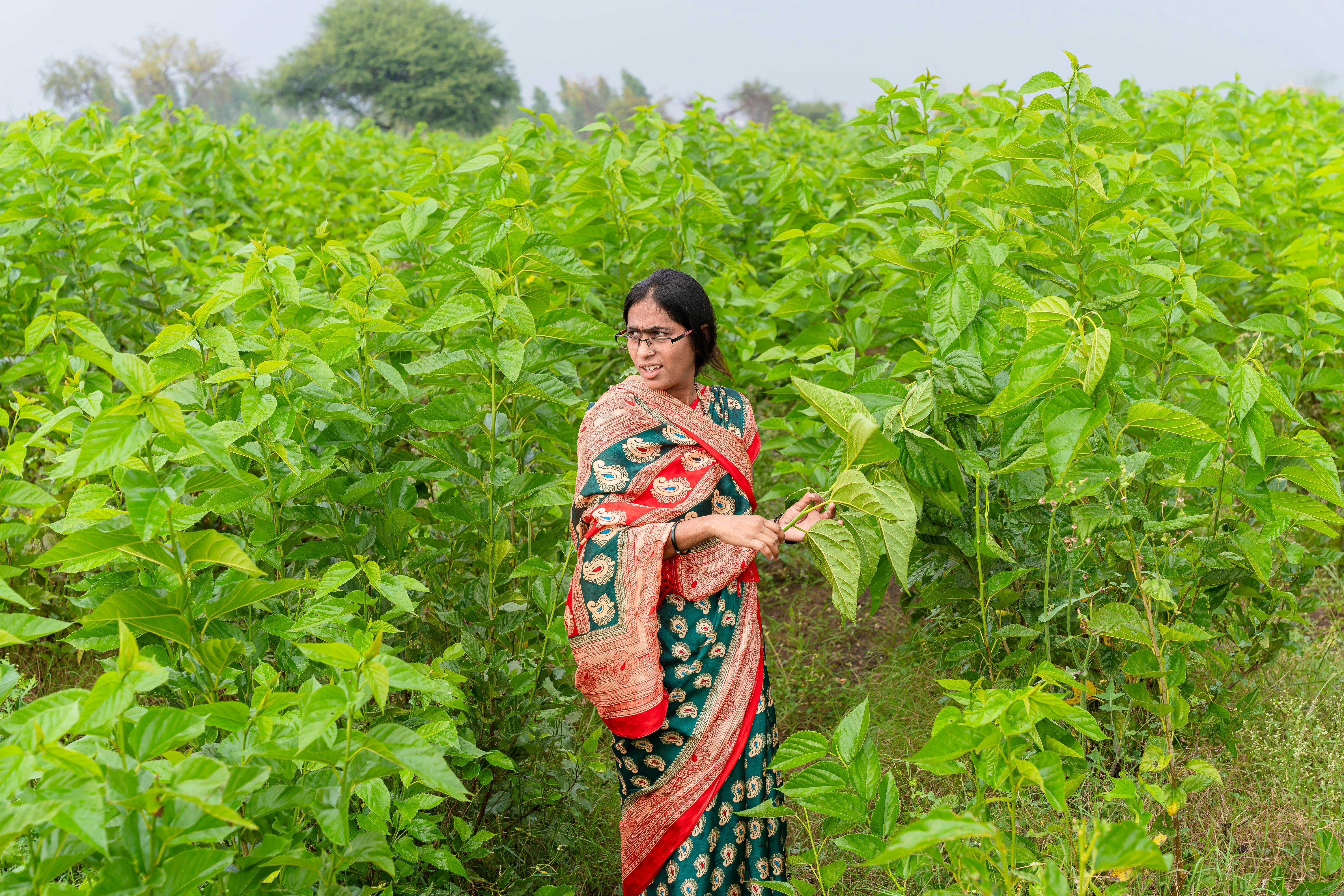
1. Strategic Integration of Nitrogen-Fixing Trees
The cornerstone of effective agroforestry is the judicious selection and integration of nitrogen-fixing trees. Species like Faidherbia albida (Apple-ring acacia), Sesbania sesban, and Calliandra calothyrsus are game-changers for soil health. They form symbiotic relationships with bacteria in their root nodules, converting atmospheric nitrogen into a usable form for plants. This natural process enriches the soil, significantly reducing the need for synthetic nitrogen fertilizers.
2. Enhancing Water Management and Drought Resilience
Trees play a vital role in the water cycle on farms. Their extensive root systems improve soil structure, creating channels that allow rainwater to infiltrate deeper into the soil rather than running off. This increases the soil's water-holding capacity, making farms more resilient during dry spells and reducing the impact of drought.
To further optimize water usage and complement agroforestry's benefits, consider investing in efficient irrigation solutions. Boost your water management with a reliable Drip Irrigation System – available on Amazon . This allows for precise water delivery directly to the plant roots, minimizing waste.
3. Soil Health Monitoring and Customization
Understanding your soil's specific needs is paramount. Regular soil testing helps identify nutrient deficiencies, pH imbalances, and organic matter content, allowing for tailored agroforestry interventions and optimized fertilizer application (whether organic or mineral).
For farmers seeking to accurately assess their soil conditions, a quality Soil Testing Kit – available on Amazon is an invaluable tool for informed decision-making.
For deeper insights into integrated farming practices, explore sustainable organic farming solutions with Biofarm Kenya.
Case Studies, Examples, or Comparisons
Across Kenya, numerous farmers are demonstrating the tangible benefits of adopting agroforestry and eco-innovations. A compelling example comes from Western Kenya, where smallholder farmers, in collaboration with organizations like CIFOR-ICRAF (Center for International Forestry Research - World Agroforestry Centre), have successfully integrated various tree species into their maize fields.
One notable success story involves the use of Faidherbia albida in cereal-legume intercropping systems. Farmers report significant increases in maize yields, often exceeding 20% within three to five years of tree establishment, without additional synthetic fertilizers. This is attributed to the tree's unique characteristic of shedding its leaves during the rainy season, providing a rich organic mulch that decomposes and releases nitrogen just when crops need it most. During the dry season, the trees provide shade and fodder for livestock.
Another inspiring instance is the adoption of conservation agriculture practices combined with fodder shrubs in semi-arid regions. By planting shrubs like Calliandra calothyrsus and Leucaena leucocephala along farm boundaries or within fields, farmers create a sustainable source of high-protein feed for their livestock. This reduces grazing pressure on natural pastures, prevents soil erosion, and integrates livestock into a more circular nutrient system, enriching the soil through manure. The World Agroforestry Centre (ICRAF) has documented these successes, highlighting how such innovations improve both food security and economic stability for Kenyan farming communities (CIFOR-ICRAF, 2023).
These examples underscore the fact that agroforestry is not just an ecological concept but a practical, economically viable strategy for Kenyan agriculture. It's a testament to the power of working with nature to achieve higher productivity and resilience, even in the face of climate challenges.
Common Mistakes to Avoid
While agroforestry offers immense potential, farmers new to these practices can sometimes encounter pitfalls that hinder success. Awareness of these common mistakes is the first step towards effective implementation.
1. Poor Species Selection:
2. Inadequate Spacing and Design:
3. Neglecting Soil Health Monitoring:
4. Ignoring Livestock-Tree Interactions:
5. Lack of Long-Term Perspective:
Expert Tips or Best Practices
Leveraging years of local expertise and scientific research, Biofarm Kenya offers these best practices to maximize your agroforestry success:
1. Start Small and Expand: Don't feel pressured to convert your entire farm at once. Begin with a pilot plot, perhaps focusing on a section of your farm or a specific crop-tree combination. This allows you to learn and adapt before scaling up. Observe what works best in your unique microclimate and soil conditions.
2. Prioritize Native and Drought-Resistant Species: Native trees are often best adapted to local environmental conditions, requiring less water and care. For instance, Grevillea robusta (Silky Oak) provides excellent timber and firewood, while its deep roots don't compete significantly with crops. In semi-arid areas, species like Moringa oleifera offer both nutritional benefits and resilience.
3. Embrace Mulching and Composting: Agroforestry trees provide an excellent source of biomass. Utilize pruned branches and fallen leaves as mulch around your crops. This helps conserve soil moisture, suppress weeds, and slowly release nutrients back into the soil. For more intensive soil enrichment, consider making your own compost. Maintain healthy soil with Organic Compost Starter Mix – discover options on Amazon to kickstart the decomposition process.
4. Water Harvesting and Storage: Complement your agroforestry efforts with effective water harvesting techniques. Install gutters on farm structures to collect rainwater, and consider digging small trenches or bunds to capture runoff. This harvested water can be crucial during dry periods, especially for newly planted trees or high-value crops.
5. Integrate Livestock Thoughtfully: If you have livestock, plan their integration into your agroforestry system carefully. Fodder trees can provide nutritious feed, reducing feed costs. However, protect young trees from grazing animals. Implement 'cut-and-carry' systems where fodder is harvested and brought to the animals, or use temporary fencing for controlled grazing.
6. Continuous Learning and Networking: Join local farmer groups or cooperatives that practice sustainable agriculture. Share experiences, learn from others, and attend workshops and training sessions. Knowledge exchange is vital for continuous improvement and innovation. Remember, farming is an evolving science, and staying informed is key.
For those considering establishing small-scale controlled environments, a Small Greenhouse Kit – available on Amazon can significantly boost productivity for high-value crops, regardless of external weather conditions.
To further deepen your knowledge and access expert guidance on sustainable farming, explore sustainable organic farming solutions with Biofarm Kenya.
Future Trends or Predictions
The landscape of Kenyan agriculture is on the cusp of a technological revolution, with several exciting trends poised to further enhance the efficacy of agroforestry and sustainable farming practices. These innovations promise to make farming more precise, efficient, and resilient in the face of future challenges.
1. Smart Irrigation Systems: The future will see widespread adoption of AI-driven smart irrigation. These systems use sensors to monitor soil moisture, weather forecasts, and crop needs, delivering water precisely when and where it’s needed. This will not only conserve water but also optimize plant growth, making every drop count in water-scarce regions. Imagine systems that automatically adjust drip irrigation based on real-time data, complementing the water retention benefits of agroforestry trees.
2. AI-Driven Crop Monitoring and Diagnostics: Drones and satellite imagery combined with artificial intelligence will provide farmers with unprecedented insights into their fields. AI algorithms can detect early signs of disease, nutrient deficiencies, or pest infestations, allowing for timely and targeted interventions. This proactive approach will reduce crop losses and optimize resource use, making sustainable farming more productive.
3. Vertical Farming and Controlled Environment Agriculture (CEA): While not directly agroforestry, the principles of maximizing yield in limited space will see growth in urban and peri-urban areas through vertical farming. These indoor farms use less land and water, and can provide fresh produce year-round, easing pressure on traditional agricultural land and allowing more space for restorative practices like agroforestry in rural areas. CEA also offers a controlled environment, minimizing pest and disease issues.
4. Precision Agroforestry and Digital Tools: Expect the development of specialized digital tools and apps tailored for agroforestry planning. These tools will help farmers select optimal tree species based on geo-location, analyze spacing requirements, predict growth patterns, and even calculate carbon sequestration benefits. This precision approach will take the guesswork out of agroforestry design and management.
5. Enhanced Biopesticides and Biofertilizers: The shift away from synthetic chemicals will accelerate with advanced research in biopesticides and biofertilizers. These natural alternatives, often derived from microbes or plant extracts, will become more effective and widely available, further supporting the ecological balance fostered by agroforestry systems.
These trends underscore a future where Kenyan agriculture is not only productive but also intelligent, environmentally responsible, and highly resilient, with agroforestry remaining a foundational pillar.
Conclusion
Agroforestry is more than just a farming technique; it is a holistic approach to land management that promises a sustainable and prosperous future for Kenyan agriculture. By strategically integrating trees into farmlands, farmers can combat the critical issues of soil degradation, enhance water retention, and significantly mitigate the impacts of climate change. The evidence is clear: from improved soil fertility and increased yields to enhanced biodiversity and diversified income streams, agroforestry offers a robust pathway to resilience.
Embracing these nature-based solutions requires careful planning, informed decision-making, and a commitment to long-term sustainability. However, the benefits far outweigh the initial investment, leading to healthier land, more productive farms, and stronger communities. Biofarm Kenya stands ready to support farmers on this transformative journey, providing resources, expertise, and sustainable solutions tailored to local needs.
Discover trusted organic farming tools on Amazon and learn more about sustainable solutions with Biofarm Kenya . Your commitment to agroforestry today cultivates a thriving tomorrow for Kenya.
FAQs
Q1: What is agroforestry and why is it important for Kenyan farmers?
Agroforestry is a land-use management system in which trees or shrubs are grown around or among crops or pastureland. It is crucial for Kenyan farmers because it helps combat soil degradation, improves soil fertility through nitrogen-fixing trees, enhances water retention, reduces drought vulnerability, and diversifies farm income. It provides a sustainable alternative to practices that deplete soil health. (Source: World Agroforestry Centre - ICRAF)
Q2: How do nitrogen-fixing trees improve soil fertility by 30-50%?
Nitrogen-fixing trees like Faidherbia albida host beneficial bacteria in their root nodules. These bacteria convert atmospheric nitrogen into ammonium, a form usable by plants. As the trees shed leaves and organic matter, this fixed nitrogen and other nutrients are released into the soil, enriching it and reducing the need for synthetic fertilizers. (Source: Kenya Agricultural and Livestock Research Organization - KALRO)
Q3: Can agroforestry really reduce drought vulnerability by 40%?
Yes, research indicates that the extensive root systems of trees in agroforestry systems improve soil structure, allowing for better water infiltration and storage. Tree canopies also reduce evaporation from the soil surface. This combined effect significantly increases the soil's water-holding capacity, making crops more resilient during dry spells and reducing overall drought vulnerability. (Source: International Center for Tropical Agriculture - CIAT)
Q4: Are there specific agroforestry species recommended for Kenya?
Several species are well-suited for Kenyan agroforestry, depending on the specific agro-ecological zone. Examples include Faidherbia albida, Grevillea robusta, Sesbania sesban, Calliandra calothyrsus (for fodder and nitrogen fixation), and Moringa oleifera. The best choice depends on your farm's climate, soil, and intended use (e.g., food, fodder, timber, or soil improvement). (Source: FAO Kenya)
Q5: How can farmers manage potential competition between trees and crops in agroforestry systems?
Effective management involves careful planning of species selection and spacing. Choosing tree species with different root architectures (e.g., deep-rooted trees with shallow-rooted crops) and practicing appropriate pruning can minimize competition for light and nutrients. Alley cropping, where crops are grown in alleys between rows of trees, is a common and effective strategy. (Source: Biofarm Kenya Partner Solutions)
Q6: What role does Biofarm Kenya play in supporting agroforestry adoption?
Biofarm Kenya is dedicated to promoting sustainable organic farming solutions, including agroforestry. We provide training, resources, and expert guidance on best practices for tree selection, integration, and management. Through our partnerships, we connect farmers with knowledge, tools, and markets to help them successfully adopt and benefit from agroforestry systems. (Source: Biofarm Kenya)



0 Comments