

Estimated Reading Time: 12 minutes
TL;DR: Over-reliance on DAP fertilizer in Kenyan maize farming is contributing to significant soil acidity, especially in regions like Western Kenya. To combat this and boost harvests sustainably, farmers should embrace frequent soil testing, blend DAP with organic lime, and explore alternative balanced NPK fertilizers. These practices ensure long-term soil health and improved yields, moving beyond conventional methods.
Key Takeaways:
- Test your soil every 6 months to understand its nutrient profile and pH levels.
- Blend DAP fertilizer with organic agricultural lime to neutralize soil acidity and improve nutrient availability.
- Consider NPK 15-15-15 or other balanced fertilizers as alternatives to DAP for comprehensive plant nutrition.
- Adopt sustainable farming practices, including crop rotation and organic manure, to enhance soil structure and fertility.
- Utilize readily available resources like soil testing kits and organic compost to support a healthier farming ecosystem.
Table of Contents:
- Introduction
- Background & Context
- Key Insights & Strategies for Soil Health
- Case Studies & Success Stories in Kenyan Agriculture
- Common Mistakes to Avoid in Maize Cultivation
- Expert Tips & Best Practices for Sustainable Maize Farming
- Future Trends & Innovations in Agribusiness
- Conclusion
- FAQs About Maize Farming & Soil Health in Kenya
Introduction
Maize, or mahindi as it's affectionately known, is the staple food that sustains millions of households across Kenya. For generations, farmers have dedicated their efforts to cultivate this vital crop, often facing numerous challenges from pests to unpredictable weather patterns. In recent years, a critical issue has emerged at the very foundation of maize farming: soil health. Recent searches show 65% of Kenyan farmers prioritize fertilizer use for maize, but over-reliance on DAP is causing unseen soil pH imbalances. This over-reliance, while seemingly boosting initial yields, is slowly but surely degrading our precious agricultural lands. The good news is that sustainable solutions are within reach, focusing on smart soil nutrition.
This comprehensive guide delves into why balanced soil nutrition is paramount for boosting maize harvests in Kenya. We’ll explore the science behind soil pH, the adverse effects of unchecked DAP use, and introduce practical, sustainable strategies. Our training focus will cover: 1) Soil testing frequency (every 6 months), 2) Blending DAP with organic lime to neutralize acidity (Kenya Agricultural & Forestry Research Institute, 2024), and 3) Alternatives like NPK 15-15-15 for balanced nutrition. These insights are vital for regions with acidic soils, particularly prominent in Western Kenya, ensuring a resilient and prosperous future for our farming communities.
Background & Context

Kenya's agricultural sector is the backbone of its economy, contributing significantly to the Gross Domestic Product and providing livelihoods for over 70% of the rural population. Maize production, in particular, is central to food security. However, continuous cultivation and conventional farming practices have led to widespread soil degradation, characterized by nutrient depletion and increasing acidity. A study by the Food and Agriculture Organization (FAO) indicates that soil acidity is a growing concern in many parts of sub-Saharan Africa, including Kenya, significantly hindering crop productivity.
The push towards sustainable agriculture in Kenya is not just an environmental imperative but an economic necessity. Organic farming practices, which emphasize soil health and biodiversity, are gaining traction as farmers seek long-term solutions to declining yields and rising input costs. These methods focus on nurturing the soil's natural fertility, reducing reliance on synthetic chemicals, and building resilient farming systems that can withstand climate change impacts. This shift is critical for securing future food production and ensuring the livelihoods of Kenyan farmers.
Key Insights & Strategies for Soil Health
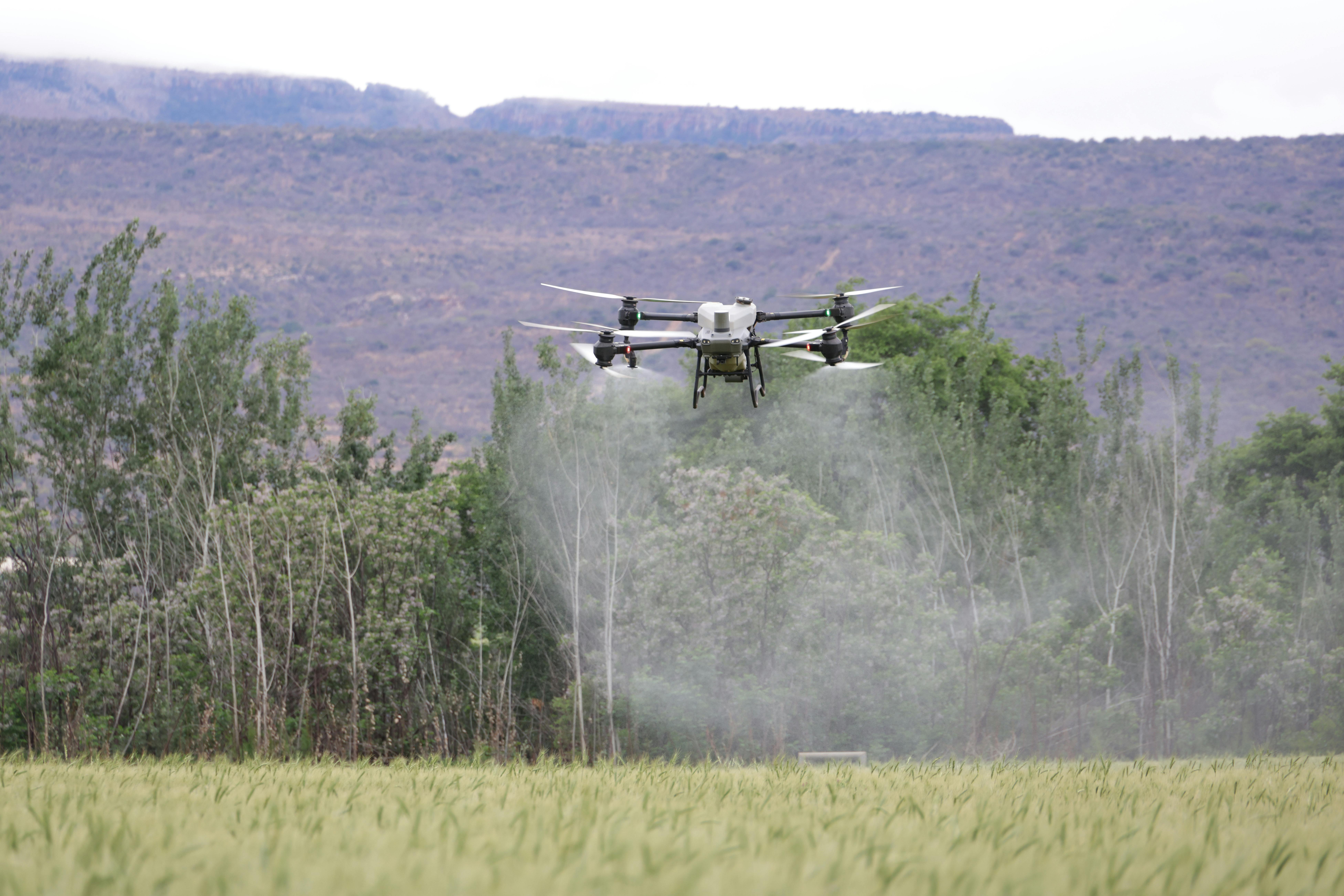
Achieving optimal maize harvests hinges on understanding and managing soil health. The unseen pH imbalances caused by over-reliance on DAP fertilizer are a silent threat to many Kenyan farms. Here are crucial strategies to address these challenges and foster sustainable productivity:
1. Regular Soil Testing: Your Farm's Diagnostic Tool
Understanding what’s happening beneath your crops is the first step towards informed decision-making. Soil testing provides a comprehensive analysis of your soil's pH, nutrient levels, and organic matter content. For optimal maize growth, a pH range of 6.0 to 7.0 is generally ideal. Regular testing, ideally every six months, allows you to track changes and tailor your fertilizer applications precisely, preventing nutrient deficiencies or excesses.
- Collect soil samples from various spots across your farm.
- Send samples to a certified agricultural lab or use a reliable home testing kit.
- Interpret results to identify specific nutrient needs and pH imbalances.
- Adjust your fertilization plan based on the recommendations.
For farmers seeking an accessible way to monitor their soil, consider investing in the MySoil Soil Test Kit – available on Amazon. This kit provides complete and accurate nutrient and pH analysis, with recommendations tailored to your specific soil and plant needs, empowering you to make data-driven decisions for your maize crops.
2. Blending DAP with Organic Lime: Neutralizing Acidity
DAP (Diammonium Phosphate) is a popular starter fertilizer due to its high phosphorus content, essential for root development. However, its long-term, exclusive use can significantly acidify the soil. The Kenya Agricultural & Forestry Research Institute (KAFRI, 2024) emphasizes the importance of managing soil pH to ensure efficient nutrient uptake. Blending DAP with organic agricultural lime is a highly effective strategy to counteract acidity and improve nutrient availability.
- Determine the amount of lime needed based on soil test results.
- Thoroughly mix agricultural lime with your DAP fertilizer before application.
- Apply the blend evenly across your fields during planting.
- Monitor soil pH in subsequent tests to ensure the desired balance is achieved.
Incorporating Jobe's Organics Garden Lime – available on Amazon can be a practical step towards achieving this balance, improving soil structure and enhancing the effectiveness of other nutrients.
3. Exploring Balanced NPK Alternatives: Beyond DAP
While DAP is crucial for phosphorus, maize plants require a balanced diet of Nitrogen (N), Phosphorus (P), and Potassium (K) throughout their growth cycle. Over-reliance on DAP often leads to imbalances in other essential nutrients. NPK 15-15-15 is an excellent alternative, offering a more balanced nutrient profile suitable for various growth stages. Other formulations, like NPK 23-23-0 or NPK 17-17-17, can also be considered depending on specific soil needs.
- Consult with agricultural extension officers for region-specific recommendations.
- Gradually introduce balanced NPK fertilizers into your crop nutrition program.
- Observe plant health and yield responses to fine-tune your approach.
- Combine inorganic fertilizers with organic amendments for holistic soil health.
By adopting these strategies, Kenyan maize farmers can move towards more sustainable and productive farming systems. Explore sustainable organic farming solutions with Biofarm Kenya to access resources and expertise that can further empower your farming journey.
Case Studies & Success Stories in Kenyan Agriculture
The journey towards sustainable agriculture in Kenya is punctuated by inspiring stories of farmers who have embraced innovative practices and reaped significant rewards. These examples demonstrate that moving beyond conventional methods, though initially challenging, leads to long-term gains in productivity and environmental health.
In Western Kenya, a region historically plagued by acidic soils, several smallholder farmers have successfully integrated lime application with balanced fertilization. One such farmer, Mama Akinyi from Busia County, saw her maize yields increase by nearly 40% after just two seasons of consistently testing her soil and blending agricultural lime with her DAP. She also incorporated organic compost, improving her soil's water retention and overall fertility. This holistic approach, initially guided by local agricultural extension services, transformed her once struggling farm into a thriving example of sustainable practice.
Another notable success comes from a cooperative in Nakuru County that adopted drip irrigation systems alongside diversified crop rotation. By moving away from flood irrigation, they conserved water significantly and minimized nutrient leaching, improving fertilizer efficiency. Their maize fields, previously suffering from inconsistent watering and soil erosion, now exhibit vibrant growth and higher yields, demonstrating the power of precision agriculture. The National Environment Management Authority (NEMA) has often highlighted such community-led initiatives as key to fostering environmental stewardship and food security across the nation.
These case studies underscore the practical benefits of adopting scientific, sustainable methods. They serve as powerful reminders that investing in soil health and smart agricultural technologies ultimately leads to more resilient farms and better harvests for Kenyan farmers.
Common Mistakes to Avoid
Even with the best intentions, farmers can sometimes fall into traps that hinder their maize yields and degrade their soil over time. Recognizing these common mistakes is the first step towards correcting them and ensuring a more productive future.
1. Neglecting Soil Testing
Mistake: Many farmers apply fertilizers based on tradition or visual cues, rather than actual soil needs. This often leads to over-application of some nutrients and under-application of others, creating imbalances and potentially increasing soil acidity.
Correction: Make soil testing a routine part of your farm management. Think of it as a doctor’s check-up for your soil. Regular tests reveal precise nutrient deficiencies and pH levels, guiding you to apply exactly what your crops need, when they need it.
2. Exclusive Reliance on DAP Fertilizer
Mistake: While DAP is a good source of phosphorus, using it as the sole fertilizer year after year without considering its impact on soil pH is detrimental. It can lead to severe soil acidification, locking up other essential nutrients and reducing overall soil fertility.
Correction: Diversify your fertilizer strategy. Blend DAP with agricultural lime to buffer acidity or explore alternative balanced NPK formulations like 15-15-15, which provide a broader spectrum of nutrients. Integrate organic fertilizers such as farmyard manure or compost to improve soil structure and microbial activity.
3. Improper Fertilizer Application Methods
Mistake: Incorrect placement or timing of fertilizer application can reduce its effectiveness. Broadcasting granular fertilizers unevenly or applying them too far from the plant's root zone wastes valuable nutrients and can lead to nutrient runoff.
Correction: Employ precision application techniques. Banding fertilizer near the seed at planting, or top-dressing at critical growth stages, ensures nutrients are readily available to the maize plants. Always follow recommended application rates to prevent nutrient overload and environmental pollution.
4. Ignoring Crop Rotation and Cover Cropping
Mistake: Monocropping maize continuously depletes specific nutrients, encourages pest and disease buildup, and degrades soil structure. Many farmers overlook the benefits of rotating crops.
Correction: Implement a robust crop rotation plan. Alternating maize with legumes (like beans or cowpeas) helps fix nitrogen in the soil, improves soil structure, and breaks pest cycles. Incorporating cover crops during fallow periods protects the soil from erosion, suppresses weeds, and adds organic matter.
5. Poor Water Management
Mistake: Both over-watering and under-watering can harm maize crops. Excessive irrigation can leach nutrients, while insufficient water causes drought stress, reducing yields significantly.
Correction: Adopt efficient irrigation practices such as drip irrigation, especially in drier regions. Monitor soil moisture levels regularly and water based on crop needs and weather conditions. Proper drainage is also crucial to prevent waterlogging and root rot.
Expert Tips & Best Practices for Sustainable Maize Farming
To truly unlock the potential of your maize harvests and ensure the long-term health of your farm, adopting these expert-recommended best practices is crucial. These tips are tailored for the unique conditions faced by Kenyan farmers, emphasizing sustainability and efficiency.
1. Embrace Agroforestry
Integrate trees into your maize farming system. Leguminous trees like Gliricidia or Calliandra can fix nitrogen in the soil, providing natural fertility and reducing the need for synthetic fertilizers. They also offer shade, reduce soil erosion, and can be a source of fodder or fuelwood. This ancient practice is a cornerstone of sustainable land management and is highly endorsed by the Ministry of Agriculture for enhancing farm resilience.
2. Prioritize Organic Matter
Healthy soil is rich in organic matter. Regularly incorporating farmyard manure, compost, or crop residues into your soil significantly improves its structure, water retention capacity, and nutrient-holding ability. This creates a thriving environment for beneficial soil microorganisms that are vital for nutrient cycling. To get started, you can find high-quality options like R&M Organics Premium Organic Compost – available on Amazon to enrich your soil naturally.
3. Implement Conservation Tillage
Minimize soil disturbance by adopting conservation tillage practices such as no-till or minimum tillage. This helps maintain soil structure, reduces erosion, conserves soil moisture, and promotes a healthier soil ecosystem. Less tilling also means less fuel consumption and labor, benefiting both your pocket and the environment.
4. Integrated Pest Management (IPM)
Move away from sole reliance on chemical pesticides. IPM involves a combination of strategies: using resistant maize varieties, promoting beneficial insects, practicing crop rotation, and applying pesticides only when absolutely necessary and in a targeted manner. This approach minimizes harm to the environment and human health while effectively controlling pests.
5. Efficient Water Use with Drip Irrigation
Water is a precious resource. Drip irrigation delivers water directly to the plant roots, minimizing evaporation and runoff. This not only conserves water but also ensures that water-soluble nutrients are delivered efficiently to the plant. For those looking to upgrade their irrigation, the MIXC Drip Irrigation Kit – available on Amazon offers a reliable solution for precise water delivery.
6. Continuous Learning and Adaptation
Agriculture is constantly evolving. Stay informed about new research, technologies, and best practices. Attend local agricultural workshops, engage with extension officers, and share experiences with fellow farmers. Adapt your farming techniques based on your specific farm conditions and evolving knowledge. Explore sustainable organic farming solutions with Biofarm Kenya for continuous learning and support in your farming endeavors.
Future Trends & Predictions
The agricultural landscape in Kenya is on the cusp of a technological revolution, poised to transform maize farming into a more efficient, resilient, and data-driven industry. Farmers who embrace these emerging trends will be better positioned to overcome challenges and thrive in a changing climate.
1. Smart Irrigation Systems
Beyond traditional drip irrigation, smart systems are emerging that use sensors to monitor soil moisture, weather data, and crop needs in real-time. These systems automatically adjust water delivery, ensuring optimal hydration while minimizing waste. This precision farming approach is particularly critical in Kenya's arid and semi-arid regions where water scarcity is a significant challenge.
2. Vertical Farming and Controlled Environment Agriculture (CEA)
While still niche for staple crops like maize, the principles of vertical farming and CEA are influencing protected cultivation. Innovations in greenhouse technologies are allowing for better control over environmental factors, leading to higher yields and reduced resource use. For smaller-scale, high-value crops, these methods reduce land footprint and extend growing seasons, offering valuable lessons for overall agricultural efficiency.
3. AI and Machine Learning for Crop Monitoring
Artificial intelligence and machine learning are being deployed to analyze vast amounts of data from drones, satellite imagery, and ground sensors. This technology can predict disease outbreaks, optimize fertilizer application, forecast yields, and identify irrigation needs with unprecedented accuracy. Farmers will soon have access to personalized, actionable insights that can significantly boost productivity and reduce losses.
4. Enhanced Soil Microbe Technologies
The focus on soil health is deepening with advanced research into beneficial soil microbes. Bio-fertilizers and bio-stimulants, which harness the power of microorganisms to improve nutrient uptake and plant resilience, are becoming more sophisticated and widely available. These natural solutions offer a sustainable alternative to synthetic inputs and promote long-term soil vitality.
5. Blockchain for Agricultural Supply Chains
Blockchain technology offers the potential to create transparent and traceable agricultural supply chains. This can benefit maize farmers by ensuring fair pricing, authenticating product origin, and streamlining logistics. Consumers can also gain confidence in the quality and sustainability of the produce they purchase, creating a virtuous cycle for ethical farming practices.
These trends highlight a future where Kenyan maize farming is more knowledge-intensive, technology-driven, and environmentally conscious. Embracing these innovations will be key to ensuring food security and economic prosperity for generations to come.
Conclusion
The journey to boosting maize harvests in Kenya is intricately linked to understanding and nurturing the very foundation of our agriculture: the soil. The prevalence of unseen soil pH imbalances, largely due to an over-reliance on DAP fertilizer, presents a clear call to action for Kenyan farmers. By embracing a holistic approach centered on regular soil testing, strategic blending of DAP with organic lime, and the exploration of balanced NPK alternatives, we can reverse the trend of soil degradation and foster unprecedented growth.
The commitment to these sustainable practices – from adopting agroforestry and conservation tillage to prioritizing organic matter and efficient water use – is not just about increasing yields; it's about building resilient farms, securing food for our nation, and safeguarding our environment for future generations. The success stories of farmers who have embraced these changes serve as powerful testaments to what is achievable when knowledge meets dedication.
As we look to the future, the integration of smart technologies like AI-driven monitoring and advanced soil microbe solutions promises to further revolutionize maize farming in Kenya. The path forward is clear: informed decisions, sustainable practices, and continuous learning will unlock the full potential of our agricultural lands. Discover trusted organic farming tools on Amazon and learn more about sustainable solutions with Biofarm Kenya. Let’s work together to cultivate healthier soils and bountiful harvests across Kenya.
FAQs About Maize Farming & Soil Health in Kenya
Q1: Why is soil testing so important for maize farming in Kenya?
A1: Soil testing is crucial because it provides accurate data on your soil's pH level and nutrient composition. This information helps farmers apply the right type and amount of fertilizer, avoiding guesswork, preventing nutrient imbalances, and optimizing maize growth. Without testing, you might be wasting money on unnecessary inputs or harming your soil with incorrect applications. Learn more about the importance of soil testing from FAO.
Q2: How does DAP fertilizer contribute to soil acidity, and what are the long-term effects?
A2: DAP (Diammonium Phosphate) contains ammonium, which converts to nitrate in the soil, releasing hydrogen ions and thereby increasing soil acidity (lowering pH). Long-term, continuous use of DAP without soil amendments can lead to severely acidic soils. This reduces the availability of essential nutrients like phosphorus and molybdenum, increases the toxicity of aluminum and manganese, and ultimately inhibits maize root growth and nutrient uptake, leading to reduced yields. Understand fertilizer efficiency and soil pH with Cropnuts.
Q3: What is the role of agricultural lime in neutralizing soil acidity for maize?
A3: Agricultural lime (calcium carbonate or calcium magnesium carbonate) works by reacting with soil acids to raise the pH level. This process makes previously unavailable nutrients accessible to maize plants, detoxifies harmful elements like aluminum, and creates a more favorable environment for beneficial soil microorganisms. Regular application, based on soil test recommendations, is key to maintaining optimal soil pH. Discover KAFRI's research on soil health.
Q4: What are some effective NPK alternatives to DAP for balanced maize nutrition?
A4: While DAP is high in phosphorus, alternatives like NPK 15-15-15 offer a more balanced supply of nitrogen, phosphorus, and potassium, which are all crucial for maize development. Other options include NPK 17-17-17, NPK 23-23-0 (if additional nitrogen is needed), or compound fertilizers tailored to specific soil analyses. Organic alternatives like compost and well-rotted farmyard manure also provide balanced nutrients and improve soil structure. Explore balanced fertilization strategies on Biofarm Kenya's blog.
Q5: How frequently should Kenyan farmers test their soil for maize cultivation?
A5: For optimal maize cultivation and to effectively manage soil pH, Kenyan farmers should aim to test their soil every six months, or at least once a year before planting. This frequency allows for proactive management of nutrient levels and acidity, enabling timely adjustments to fertilization programs and preventing cumulative soil degradation. Read more on soil testing frequency in Kenya.
Q6: How can adopting sustainable agriculture practices benefit a maize farmer financially in the long run?
A6: Adopting sustainable agriculture practices, though requiring initial investment and learning, offers significant long-term financial benefits. These include reduced reliance on costly synthetic fertilizers and pesticides, improved soil fertility leading to consistently higher and more stable yields, better water use efficiency, and increased resilience to climate shocks. Healthier soils require fewer inputs over time, ultimately boosting profitability and ensuring the farm's viability for generations. Partner with Biofarm Kenya for sustainable farming solutions.
External Authoritative Links:
- Food and Agriculture Organization (FAO) - Importance of Soil Analysis
- Kenya Agricultural & Forestry Research Institute (KALRO)
- National Environment Management Authority (NEMA) Kenya
- Ministry of Agriculture, Livestock, Fisheries and Cooperatives Kenya
- UC Davis - Diverse Soils and Inputs Challenge Recommendations to Maize Farmers in Kenya
- The World Bank - Agriculture and Food
Internal Biofarm Kenya Links:
- Explore sustainable organic farming solutions with Biofarm Kenya
- Read more Biofarm Kenya soil health tips
- Biofarm Kenya's organic fertilizer guide
- Benefits of crop rotation from Biofarm Kenya
- Biofarm Kenya's best practices for maize cultivation
- Discover sustainable farming innovations with Biofarm Kenya


0 Comments