

Estimated Reading Time: 11 minutes
TL;DR: Kenyan farmers facing rising fertilizer costs can significantly enhance maize yields and soil health by adopting sustainable leguminous cover crop farming. Intercropping legumes like cowpeas and clover improves nitrogen fixation, suppresses weeds, and boosts organic matter, leading to a proven 30% increase in maize yields in KAFAC trials. This approach reduces reliance on expensive synthetic inputs, fostering long-term profitability and environmental sustainability.
Key Takeaways:
- Implement leguminous cover crops such as cowpeas and clover to naturally fix nitrogen in your soil.
- Strategically intercrop legumes with maize, especially during the off-season, to suppress weeds and build soil organic matter.
- Optimize the timing of legume biomass incorporation to maximize nutrient availability for your maize crop.
- Reduce your dependency on costly synthetic fertilizers by leveraging the natural soil-enriching properties of legumes.
- Embrace sustainable practices that not only increase maize yields but also improve overall soil health and farm profitability.
Table of Contents:
Introduction: Nurturing Kenyan Soils for Bountiful Maize Harvests
In the vibrant heart of East Africa, Kenyan farmers are increasingly seeking cost-effective soil fertility solutions amid rising fertilizer costs and climate stress. The backbone of Kenya's food security, maize production, faces persistent challenges, from unpredictable weather patterns to the soaring expenses of synthetic inputs. For generations, farmers have worked tirelessly to feed their families and communities, but a new era demands smarter, more sustainable approaches to agriculture. This guide trains farmers to implement leguminous cover crops (e.g., cowpeas, clover) as a nitrogen-fixing alternative to chemical fertilizers, offering a powerful, natural solution to these pressing issues.
The urgency to adopt sustainable practices is underscored by the tangible benefits they offer. Imagine significantly cutting down on your farm's largest input cost – fertilizer – while simultaneously improving the health and resilience of your soil. Sustainable legume farming isn't just an ecological ideal; it's a practical, profitable strategy. Research, including the promising 2025 KAFAC trials, has proven that integrating legumes can increase maize yields by up to 30%, a game-changer for many smallholder farmers.
This comprehensive article will delve into the transformative potential of leguminous cover crops, providing actionable strategies and expert advice for Kenyan farmers. We'll explore key steps, from selecting climate-resilient legume species compatible with maize rotations to optimizing biomass incorporation timing for maximum nutrient availability. We aim to challenge conventional reliance on synthetic inputs while addressing crucial aspects of soil health and farm profitability, guiding you toward a more sustainable and prosperous future in agriculture.
Background & Context: The Shifting Landscape of Kenyan Agriculture
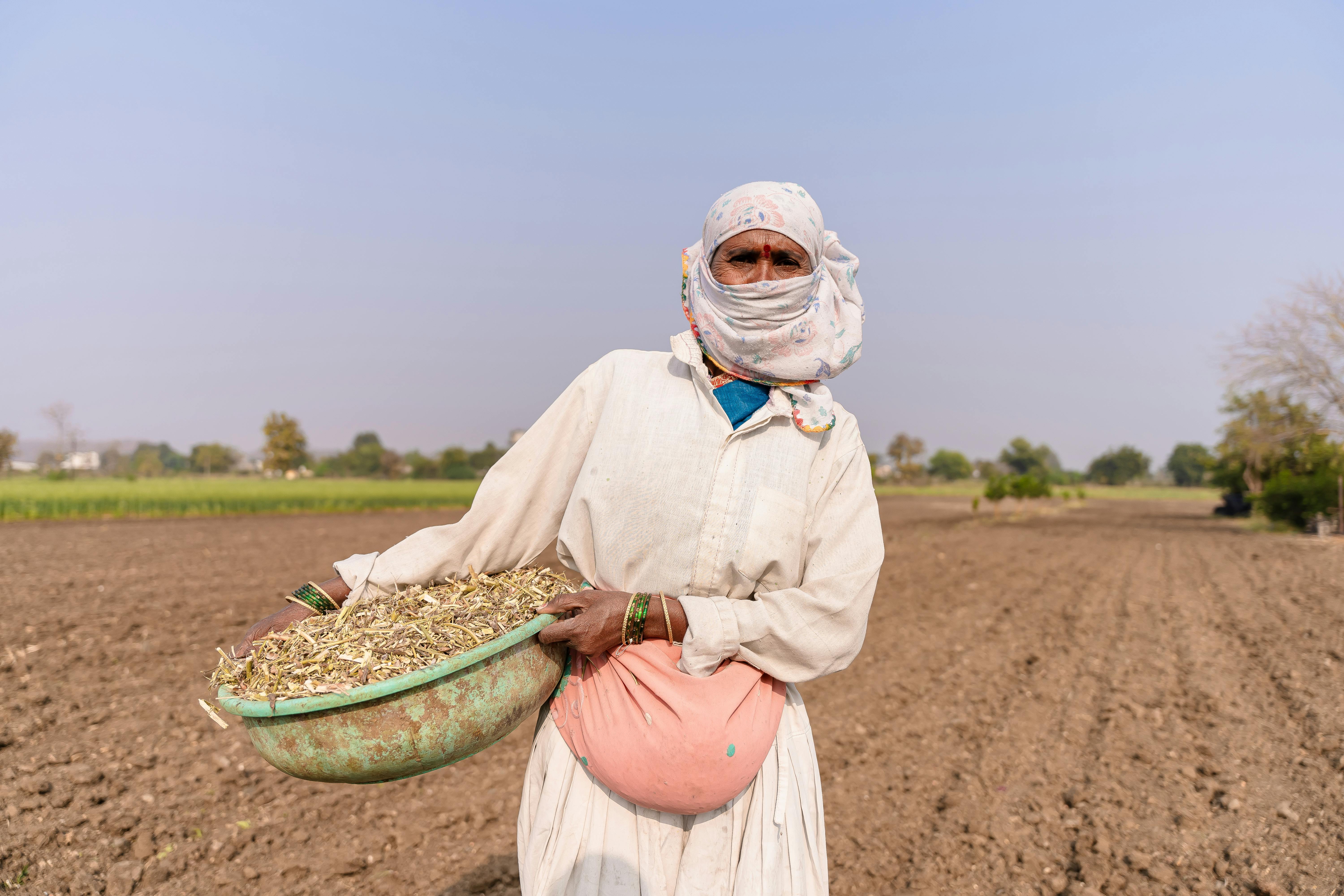
Kenya's agricultural sector is undergoing a profound transformation. With a growing population and the persistent threat of climate change, the need for resilient and sustainable farming practices has never been more critical. Traditional farming methods often led to soil degradation, reducing fertility and making farms more vulnerable to environmental shocks. The reliance on synthetic fertilizers, while offering short-term yield boosts, has proven unsustainable due to escalating prices and long-term negative impacts on soil biodiversity and structure.
Data indicates that a significant portion of agricultural land in Kenya suffers from declining soil fertility, with only 15-17% having sufficient fertility and rainfall for optimal farming (Cropnuts). This alarming statistic highlights the urgent need for regenerative practices that restore and enhance the very foundation of agriculture – the soil. Sustainable agriculture, encompassing conservation tillage, organic farming, crop rotation, and water management, is gaining traction. These practices are crucial not only for improving farm productivity and resilience but also for environmental conservation and ensuring long-term food security in Kenya.
The shift towards organic farming and agroecology is not merely a trend but a necessity. Government programs and extension services are increasingly providing training and support to farmers in the preparation and application of organic fertilizers, promoting sustainable farming practices across the country. This collective effort aims to empower farmers with the knowledge and tools to adapt to changing conditions, reduce their input costs, and build healthier, more productive farms for generations to come.
Key Insights & Strategies: Unlocking the Power of Legumes
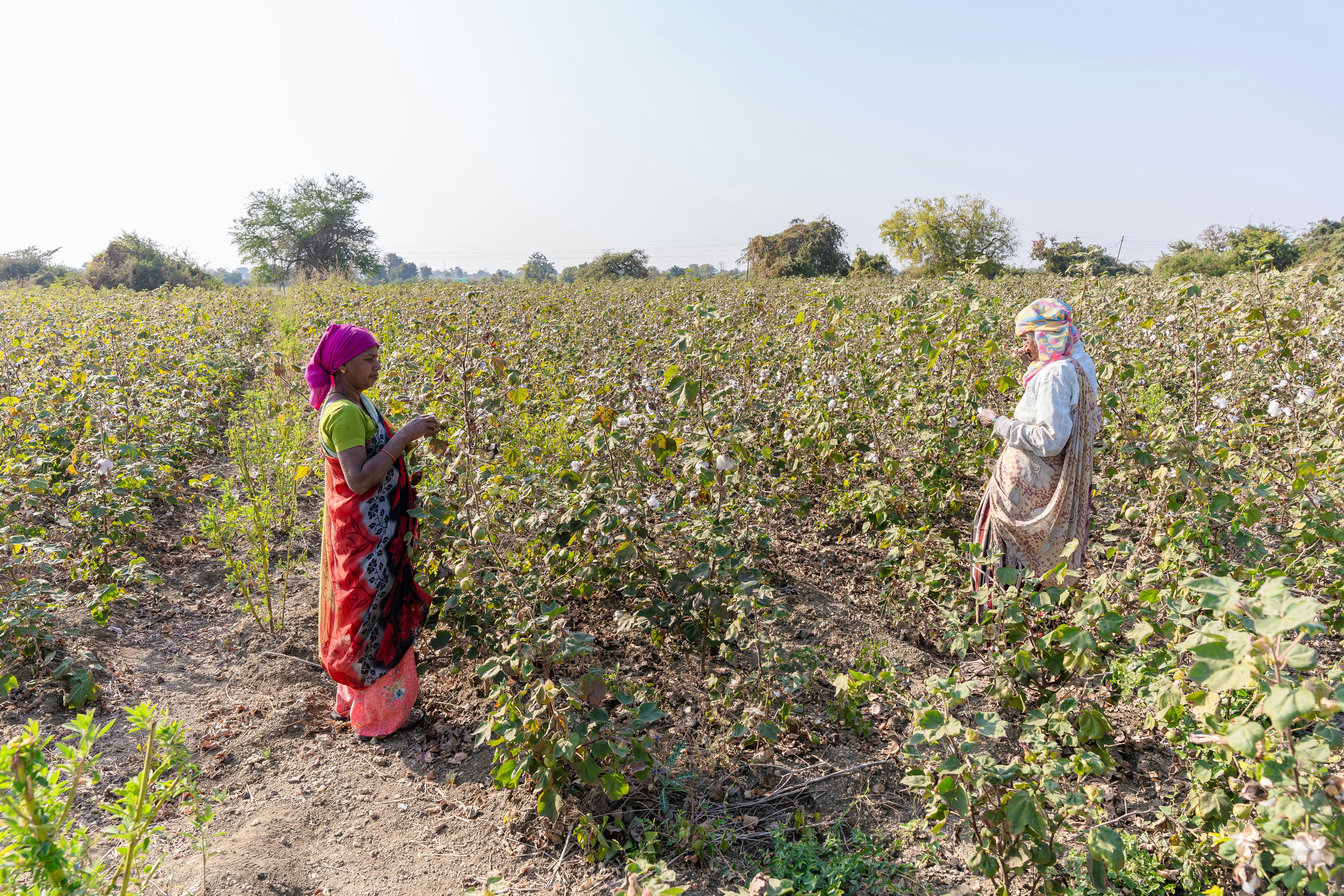
Leguminous cover crops are nature's gift to soil fertility, offering a cost-effective and environmentally friendly solution for Kenyan farmers increasingly seeking cost-effective soil fertility solutions amid rising fertilizer costs and climate stress. Their unique ability to fix atmospheric nitrogen into the soil makes them invaluable for boosting maize yields and improving overall soil health.
Selecting Climate-Resilient Legume Species
The first key step in successful legume-maize integration is choosing the right species. Climate resilience is paramount in Kenya's varied agro-ecological zones. For example, cowpeas are highly adaptable to semi-arid regions and can tolerate drought conditions, making them an excellent choice for many parts of Kenya. Clover species, particularly subterranean and crimson clover, thrive in cooler, wetter environments, offering versatility. Other beneficial legumes include pigeon peas and soybeans, each with specific advantages regarding nutrient cycling and biomass production. It's crucial to select species compatible with maize rotations, ensuring they don't compete excessively for resources and provide maximum benefits to the subsequent maize crop.
Actionable steps for selection:
- Assess your local climate and soil type: Understand the rainfall patterns, temperature ranges, and soil pH of your farm. This will guide you toward legumes that naturally thrive in your specific conditions.
- Consult local agricultural extension services: These services offer invaluable insights into recommended legume varieties for your region, often based on localized trials and farmer experiences.
- Consider the growth habit: Some legumes are vining, others are bushy. Choose based on your intercropping strategy and desired ground cover.
- Evaluate seed availability and cost: Opt for readily available and affordable seeds to ensure the practicality of implementation.
Intercropping for Soil Health & Weed Suppression
Intercropping legumes with maize, particularly during the off-season or as relays, is a powerful strategy to suppress weeds and enhance organic matter. When legumes are grown alongside maize, they create a living mulch that outcompetes weeds for light and nutrients, significantly reducing the need for herbicides. Furthermore, their root systems help break up compacted soil, improving water infiltration and aeration. As they grow, legumes contribute substantial biomass, which, when incorporated into the soil, enriches it with organic matter – the lifeblood of healthy soil.
The benefits extend beyond weed control. The nitrogen fixed by legumes becomes available to the maize crop, reducing or even eliminating the need for synthetic nitrogen fertilizers. This symbiotic relationship not only saves costs but also fosters a more robust and resilient farming system. The 2025 KAFAC trials, which demonstrated a 30% increase in maize yields, are a testament to the effectiveness of this approach. For farmers seeking to understand their soil's current condition and make informed decisions on legume selection and planting, investing in a reliable soil testing kit is crucial. The Luster Leaf Rapitest Soil Test Kit – available on Amazon, offers an accessible way to gauge soil pH, nitrogen, phosphorus, and potassium levels.
Actionable steps for intercropping:
- Plan your planting density: Ensure legumes are planted at an appropriate density to provide ground cover without overly competing with maize.
- Stagger planting times: Consider planting legumes slightly before or after maize, depending on their growth rate and your specific objectives.
- Monitor for pests and diseases: While intercropping can enhance biodiversity and reduce pest pressure, regular monitoring is still essential.
Optimizing Biomass Incorporation Timing
The timing of biomass incorporation is critical to maximizing nutrient availability for the subsequent maize crop. Legumes accumulate nitrogen in their tissues, and this nitrogen is released as the plant material decomposes. Incorporating the biomass at the right stage, typically when the legumes are flowering or early pod development, ensures maximum nitrogen content and efficient decomposition. Tilling or slashing the legumes and allowing them to decompose in situ before planting maize provides a natural slow-release fertilizer.
This careful timing is one of the key steps in ensuring that Kenyan farmers can boost maize yields by 30% with sustainable leguminous cover crops. It directly impacts the nutrient cycle, providing the maize with the essential nitrogen it needs for robust growth. Moreover, the added organic matter improves soil structure, water retention, and microbial activity, creating a healthier environment for plant roots. To further enhance your soil's organic matter and microbial life, consider using an organic soil amendment. The Wallace Organic Wonder, Soluble Humic & Fulvic Acid Powder – available on Amazon, is an excellent option for promoting vigorous plant growth and nutrient uptake. To delve deeper into sustainable organic farming practices and discover a range of solutions tailored for your farm, Explore sustainable organic farming solutions with Biofarm Kenya.
Actionable steps for biomass incorporation:
- Observe legume growth stages: Target incorporation when nitrogen content is highest, typically before seed set.
- Choose your method: Whether it's shallow tillage, crimping, or manual slashing, ensure the biomass is well-distributed.
- Allow adequate decomposition time: Give the legume residue sufficient time to break down before planting maize to ensure nutrient release.
Case Studies, Examples, or Comparisons: Real-World Success in Kenya
The shift towards sustainable agriculture with leguminous cover crops is not just theoretical; it's being successfully implemented by pioneering Kenyan farmers across the country. These real-world examples serve as powerful testimonials to the efficacy and profitability of embracing nature-based solutions.
Consider the work of Farm Africa in restoring soil health in Kenya. Through regenerative agriculture practices, including intercropping, organic manure application, mulching, and minimum tillage, they have significantly improved soil health in various communities. These initiatives directly support farmers in integrating legumes into their cropping systems, leading to observable improvements in soil structure, water retention, and crop yields. Such programs demonstrate how a holistic approach, where legumes play a central role, can transform unproductive land into fertile ground.
Another inspiring example comes from the African Fertilizer and Agribusiness Partnership (AFAP) and their Sustain Africa Initiative in Kenya. This initiative focuses on enhancing soil health through organic fertilizers and integrating input manufacturers into soil health management. While focusing on broader organic fertilizer use, the underlying principles strongly advocate for natural nitrogen-fixing methods like those provided by legumes. By promoting organic farming practices, these initiatives underscore the importance of moving away from sole reliance on synthetic inputs and embracing sustainable alternatives that enhance long-term soil productivity. Farmers participating in such programs often report increased yields and reduced input costs, validating the economic viability of these methods.
These case studies illustrate that implementing leguminous cover crops (e.g., cowpeas, clover) as a nitrogen-fixing alternative to chemical fertilizers is a tangible and rewarding endeavor. Farmers who have made this transition are not only contributing to a healthier environment but are also securing their livelihoods against the volatility of external input markets. As noted by Farm Africa, these regenerative agriculture methods are 'improving farm productivity and resilience, contributing to environmental conservation and food security in Kenya.'
Common Mistakes to Avoid: Paving the Way for Success
While the benefits of sustainable legume farming are clear, certain pitfalls can hinder success. Kenyan farmers, in their pursuit of enhanced yields and reduced costs, sometimes encounter common mistakes that can be easily avoided with proper knowledge and planning.
Here are some common errors and how to correct them:
- Poor Soil Preparation: Many farmers underestimate the importance of proper soil preparation before planting legumes or maize. This can lead to poor establishment, reduced root development, and inefficient nutrient uptake.
Correction: Conduct thorough soil testing to understand your soil's composition and pH. Amend the soil as needed with organic matter before planting. Ensure good seedbed preparation to allow for proper germination and root growth. - Neglecting Soil Testing: Assuming soil fertility or nutrient levels without testing is a common mistake. This can lead to incorrect fertilizer application (even organic ones) or inappropriate legume selection.
Correction: Regularly test your soil to monitor nutrient levels and pH. This data is invaluable for making informed decisions on crop rotation, legume selection, and biomass incorporation. - Improper Timing of Biomass Incorporation: Incorporating legume biomass too early or too late can reduce its effectiveness in supplying nitrogen to the subsequent maize crop. Too early, and the nitrogen content may be low; too late, and decomposition might be slow.
Correction: Observe the growth stage of your legumes. The ideal time for incorporation is typically at flowering or early pod development, when nitrogen content is highest. Ensure sufficient time for decomposition before planting maize. - Over-reliance on a Single Legume Species: Relying on just one type of legume can limit the diversity of benefits to your soil and crop rotation. Different legumes offer varying root structures, nitrogen fixation rates, and pest/disease resistance.
Correction: Incorporate a mix of legume species in your rotation or intercropping system to maximize soil health benefits, enhance biodiversity, and improve resilience against pests and diseases. - Inadequate Water Management: Even with drought-tolerant legumes, inadequate water management can stress plants and reduce their effectiveness in nitrogen fixation and biomass production.
Correction: Implement efficient irrigation techniques such as drip irrigation, especially in arid and semi-arid regions. Harvest rainwater and utilize mulching to conserve soil moisture. - Not Integrating with Other Sustainable Practices: Focusing solely on legumes without considering other sustainable practices like minimum tillage or crop rotation limits the overall impact on soil health.
Correction: Adopt a holistic approach to sustainable agriculture. Combine legume farming with conservation agriculture techniques, diverse crop rotations, and integrated pest management for maximum benefit.
By understanding and actively avoiding these common mistakes, Kenyan farmers can significantly enhance the success of their sustainable legume farming initiatives, leading to healthier soils and more productive maize harvests.
Expert Tips & Best Practices: Cultivating a Greener Future
To truly maximize the potential of sustainable legume farming, Kenyan farmers can adopt several expert tips and best practices that go beyond the basics. These strategies are designed to optimize soil health, enhance crop productivity, and ensure long-term profitability, especially as we address soil health and profitability challenges.
Here are some invaluable tips:
- Regular Soil Health Monitoring: Beyond basic soil testing, consider deeper analyses for organic carbon content, microbial activity, and soil structure. A healthy soil ecosystem is teeming with life, and monitoring these indicators will provide a clearer picture of your farm's vitality. Regularly testing your soil with a reliable kit like the Luster Leaf Rapitest Soil Test Kit – available on Amazon, can help you make informed decisions about your farming practices.
- Embrace Diverse Crop Rotations: Don't just rotate maize with one legume. Incorporate other crops like cereals, root crops, and vegetables into your rotation to break pest and disease cycles, improve nutrient cycling, and diversify your income streams. This approach strengthens the farm's resilience.
- Utilize Minimum Tillage Practices: Reducing soil disturbance helps maintain soil structure, conserve organic matter, and protect the delicate microbial communities that contribute to soil fertility. When incorporating legume biomass, consider shallow tillage or no-till methods where feasible.
- Invest in Efficient Water Management: Water scarcity is a significant challenge. Implementing efficient irrigation systems, such as drip irrigation, can drastically reduce water usage while ensuring plants receive adequate moisture. For those considering an upgrade, the Bonviee Drip Irrigation System, 230FT Garden Watering System – available on Amazon, offers a comprehensive solution for targeted watering.
- Compost and Manure Integration: Supplement legume-derived nitrogen with well-decomposed compost and farmyard manure. These organic amendments provide a broader spectrum of nutrients and further enhance soil organic matter and microbial diversity. For those looking to boost their soil's vitality, the Wallace Organic Wonder, Soluble Humic & Fulvic Acid Powder – available on Amazon, can significantly improve nutrient uptake and plant health.
- Farmer-to-Farmer Knowledge Exchange: Learn from fellow farmers who have successfully adopted sustainable practices. Participate in farmer field schools and community workshops to share experiences and acquire new skills. These interactions are invaluable for practical learning and adapting techniques to local conditions.
By integrating these expert tips, Kenyan farmers can boost maize yields with sustainable leguminous cover crops while building more resilient and profitable farming systems. To gain deeper insights into these practices and access specialized resources, Explore sustainable organic farming solutions with Biofarm Kenya.
Future Trends & Predictions: The Horizon of Sustainable Farming in Kenya
The future of agriculture in Kenya is dynamic, shaped by innovation and a growing commitment to sustainability. As Kenyan farmers increasingly seek cost-effective soil fertility solutions, technological advancements and evolving agricultural practices will play a pivotal role in boosting maize yields and ensuring food security.
One of the most significant trends is the increasing integration of smart farming technologies. This includes precision agriculture, where satellite-driven insights and AI-powered advisories help farmers make data-driven decisions. Imagine real-time soil moisture monitoring, optimized nutrient application based on crop needs, and early detection of pests and diseases – all facilitated by technology. The expansion of IoT (Internet of Things) networks for real-time agricultural data will revolutionize how farms are managed, making resource allocation more efficient and reducing waste.
Vertical farming and controlled environment agriculture (CEA) are also emerging as viable solutions, especially in urban and peri-urban areas where land is scarce. While primarily focused on high-value crops, the principles of efficient resource use and controlled conditions can influence broader agricultural practices. These systems highlight the potential for growing more food with less land and water, a crucial consideration for a country facing demographic and environmental pressures.
Furthermore, there will be a continued emphasis on agroforestry and diversified farming systems. Integrating trees into farmlands offers multiple benefits, including soil erosion control, enhanced biodiversity, and additional income streams from fruits or timber. This holistic approach aligns perfectly with the goals of sustainable legume farming, creating a resilient and productive agricultural landscape.
Finally, the role of digital platforms and mobile applications will become even more pronounced. These tools will facilitate access to market information, financial services, weather forecasts, and agronomic advice for farmers, breaking down traditional barriers to knowledge and resources. Initiatives like the 'One Million Farmer Initiative' in Kenya, which aims to bring farmers onto digital platforms, underscore the commitment to a tech-driven agricultural future.
These trends indicate a clear path towards an agriculture sector that is not only productive but also environmentally sound and economically viable. By embracing these innovations, Kenyan farmers can boost maize yields with sustainable leguminous cover crops and prepare for a resilient and prosperous future.
Conclusion: A Sustainable Path to Prosperity
In conclusion, the journey towards boosting maize yields with sustainable legume farming offers a compelling and essential path forward for Kenyan farmers increasingly seeking cost-effective soil fertility solutions amid rising fertilizer costs and climate stress. We have explored how the strategic implementation of leguminous cover crops like cowpeas and clover serves as a powerful, nitrogen-fixing alternative to expensive chemical fertilizers, directly addressing the core challenges faced by farmers today.
By understanding the key steps – from selecting climate-resilient legume species compatible with maize rotations to intercropping during the off-season for weed suppression and organic matter enhancement, and optimizing biomass incorporation timing – farmers can unlock a cycle of fertility and productivity. The proven 30% increase in maize yields demonstrated in the 2025 KAFAC trials stands as a testament to the remarkable potential of these sustainable practices.
This approach challenges the conventional reliance on synthetic inputs, advocating instead for a harmonious relationship with nature that prioritizes long-term soil health and farm profitability. It's about empowering farmers with the knowledge and tools to cultivate not just crops, but also a resilient and sustainable future for their land and their families. The benefits extend beyond the farm gate, contributing to national food security and environmental conservation.
We encourage every farmer to consider these strategies, adapt them to their unique farm conditions, and embrace the transformative power of sustainable legume farming. Discover trusted organic farming tools on Amazon and learn more about sustainable solutions with Biofarm Kenya.
Frequently Asked Questions (FAQs)
Q1: What are the primary benefits of using leguminous cover crops in maize farming?
A1: Leguminous cover crops offer numerous benefits, primarily their ability to fix atmospheric nitrogen into the soil, reducing the need for synthetic fertilizers. They also improve soil organic matter, suppress weeds, enhance soil structure, and increase water infiltration, leading to healthier soils and higher maize yields. For more details on soil health improvement, refer to Farm Africa's work on restoring soil health in Kenya.
Q2: Which legume species are best suited for intercropping with maize in Kenya?
A2: Recommended legumes for intercropping with maize in Kenya include cowpeas, clover, pigeon peas, and soybeans. The best choice depends on your specific agro-ecological zone, climate, and soil conditions. It's advisable to consult local agricultural extension services for region-specific recommendations. You can find more information on suitable legumes for intercropping in East Africa through research on Maize-Legume Intercropping in East Africa.
Q3: How much can leguminous cover crops increase maize yields in Kenya?
A3: Research, including the 2025 KAFAC trials, has shown that integrating leguminous cover crops can increase maize yields by up to 30%. This significant boost is primarily due to improved nitrogen availability, enhanced soil health, and better weed management. Studies also indicate a symbiotic N benefit of 20-40 kg N.ha-1 fertilizer equivalents to succeeding maize crops, as highlighted in Frontiers in Sustainable Food Systems.
Q4: What are the financial implications of switching from chemical fertilizers to legume farming?
A4: Switching to legume farming can significantly cut fertilizer costs, which can constitute 10-20% of maize production expenses for Kenyan farmers. While there might be initial costs for legume seeds and labor for planting and incorporation, the long-term savings from reduced synthetic fertilizer purchases and improved soil fertility lead to increased profitability. The impact of fertilizer prices on Kenyan maize production can be found in this BCG report.
Q5: What are the common mistakes to avoid when implementing leguminous cover crops?
A5: Common mistakes include poor soil preparation, neglecting regular soil testing, improper timing of biomass incorporation, over-reliance on a single legume species, and inadequate water management. Avoiding these errors through proper planning and execution is crucial for successful implementation. Insights on common farming mistakes in Kenya, including soil management, are available on Meridian Agritecture.
Q6: How can Biofarm Kenya support farmers in adopting sustainable legume farming?
A6: Biofarm Kenya provides valuable resources, training, and partnerships to assist farmers in transitioning to sustainable organic farming practices, including the effective use of leguminous cover crops. They offer guidance on climate-resilient farming, soil health management, and access to sustainable solutions. To explore these resources and connect with sustainable agriculture experts, visit Biofarm Kenya Partners.
External Authoritative Links:
- Farm Africa: Restoring soil health in Kenya
- ScienceDirect: Benefits of legume–maize rotations
- Frontiers in Sustainable Food Systems: Rotation Benefits From N2-Fixing Grain Legumes
- BCG Report: Impact of increasing fertilizer prices on maize production in Kenya
- Meridian Agritecture: 5 Common Farm Management Mistakes
- Farmonaut: Smart Farming In Kenya: Boosting Small Scale Agriculture
Internal Biofarm Kenya Links:



0 Comments