

Estimated Reading Time: 11 minutes
TL;DR: Amid Kenya's recurring droughts, intercropping millet/sorghum with legumes is emerging as a powerful climate-smart agricultural practice, offering higher yields and reduced labor. This method, backed by a 2024 KARI study, boosts yields by 37% and cuts weeding by 40% in arid regions, outperforming traditional maize-legume systems. Farmers require crucial training on precise spacing ratios (2:1 legume-millet rows), nitrogen-fixing techniques, and sourcing drought-tolerant seeds to maximize its benefits. Embrace this sustainable approach to build more resilient farms and secure food production in Kenya.
Key Takeaways:
- Climate-smart intercropping, especially millet/sorghum with legumes, significantly enhances crop resilience against drought and boosts overall yields in Kenya.
- A 2024 KARI study highlights a 37% yield increase and 40% reduction in weeding labor, demonstrating the economic and environmental advantages of this practice.
- Farmers must prioritize training in precise spacing (2:1 legume-millet), nitrogen fixation, and drought-tolerant seed selection to optimize intercropping success.
- Integrating organic farming principles and modern tools like soil testing kits and drip irrigation systems can further amplify the benefits of intercropping.
- Shifting away from a sole reliance on maize towards diversified, climate-adaptive crops is vital for long-term food security and sustainable agricultural development in Kenya.
Table of Contents:
Introduction
Kenya's agricultural landscape, a lifeline for millions, faces persistent challenges from unpredictable weather patterns, primarily recurring droughts. In this changing climate, the need for resilient and sustainable farming practices has never been more urgent. Amid Kenya's recurring droughts, intercropping millet/sorghum with legumes (vs. traditional maize-legume systems) is surging as a climate-smart practice. This innovative approach offers a beacon of hope, promising not just survival but thriving yields for smallholder farmers. Farmers need training on precise spacing ratios (2:1 legume-millet rows), nitrogen-fixing techniques, and drought-tolerant seed sourcing. A 2024 KARI study found this method boosts yields by 37% in arid regions while reducing weeding labor by 40%—defying conventional wisdom that maize is the 'must-grow' crop. This article delves deep into the transformative power of climate-smart intercropping, providing practical guidance, expert tips, and real-world examples to help Kenyan farmers boost their yields and build a more secure future.
Background & Context

The agricultural sector is the backbone of Kenya's economy, contributing significantly to the GDP and employing the majority of the rural population. However, it's also highly vulnerable to climate change impacts. Organic farming, while still a niche, is gaining traction as farmers and consumers increasingly recognize its benefits for soil health, environmental sustainability, and food safety. Soil fertility degradation is a widespread issue, often exacerbated by conventional farming practices, leading to reduced productivity and increased reliance on external inputs.
Intercropping, the practice of growing two or more crops in proximity, is an ancient technique revitalized by modern agricultural science. In Kenya, traditional intercropping often involved maize and legumes. However, with increasing aridity, crops like millet and sorghum, known for their drought tolerance, are becoming central to climate-smart strategies. These cereal-legume systems offer a synergistic relationship: legumes fix atmospheric nitrogen, enriching the soil for the cereals, while the cereals provide structural support and can help suppress weeds. This biological interaction is a cornerstone of sustainable agriculture, reducing the need for synthetic fertilizers and herbicides.
Key Insights & Strategies for Climate-Smart Intercropping
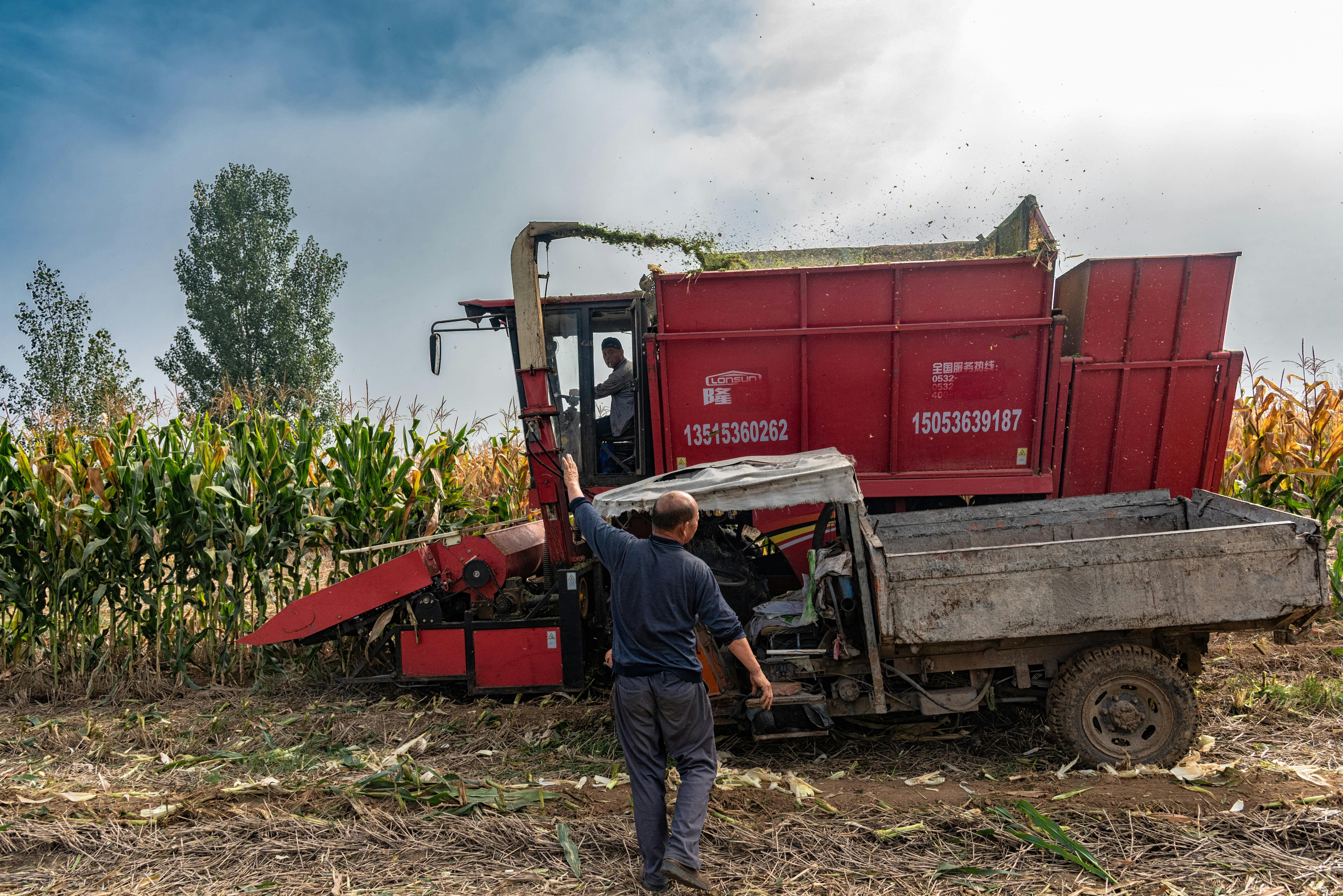
1. Embrace Drought-Tolerant Combinations: Millet/Sorghum with Legumes
The core of climate-smart intercropping in Kenya lies in selecting the right crops. Millet and sorghum are inherently more drought-resilient than maize, making them ideal partners for legumes like cowpeas, green grams, or pigeon peas in arid and semi-arid lands (ASALs). This combination not only ensures a harvest even in challenging conditions but also diversifies farmer income.
- Select appropriate varieties: Choose improved, early-maturing, and disease-resistant varieties of both cereals and legumes suitable for your specific agro-ecological zone.
- Understand growth habits: Pair crops with complementary growth habits to avoid excessive competition for light and nutrients. Taller cereals can provide shade for ground-covering legumes.
- Rotate intercropping systems: Integrate different intercropping patterns over seasons to maximize soil benefits and break pest and disease cycles.
For farmers looking to improve soil health and nutrient cycling, adding organic matter is crucial. Consider a high-quality organic fertilizer like the Neptune's Harvest Organic Hydrolized Fish & Seaweed Fertilizer – available on Amazon, which provides a balanced array of nutrients and beneficial microbes to support robust plant growth in intercropped systems.
2. Optimize Spacing Ratios for Resource Efficiency
The success of intercropping hinges on precise plant arrangement. The 2:1 legume-millet row ratio, as highlighted by KARI, is a critical starting point. This ratio ensures adequate space for both crops to thrive without undue competition, especially for light and water.
- Measure accurately: Use ropes or marked sticks to ensure consistent spacing between rows and within rows.
- Consider plant architecture: Adapt spacing slightly based on the expected mature size of your chosen crop varieties.
- Stagger planting times: In some cases, planting one crop slightly earlier than the other can reduce initial competition, especially if one crop has a slower early growth rate.
3. Master Nitrogen-Fixation Techniques
Legumes are nature's nitrogen factories, converting atmospheric nitrogen into a form usable by plants. This process is vital for reducing reliance on synthetic fertilizers and building soil fertility naturally.
- Inoculate legume seeds: Use appropriate rhizobium inoculants before planting legume seeds to enhance nitrogen fixation efficiency. This is a cost-effective way to boost soil fertility.
- Maintain healthy soil: Good soil structure, adequate moisture, and balanced pH are crucial for optimal rhizobium activity.
- Avoid excessive nitrogen application: High levels of synthetic nitrogen can inhibit the natural nitrogen fixation process by legumes.
To accurately assess your soil's needs, including pH levels which are crucial for nitrogen-fixing bacteria, a reliable soil testing kit is invaluable. The Luster Leaf 1601 Rapitest Soil Test Kit – available on Amazon can help you make informed decisions about soil amendments.
4. Prioritize Drought-Tolerant Seed Sourcing
The genetic potential of your crops is a primary determinant of yield, especially under climate stress. Sourcing high-quality, drought-tolerant seeds is non-negotiable for climate-smart intercropping.
- Connect with certified suppliers: Purchase seeds from reputable dealers, research institutions (like KARI), or recognized seed banks to ensure genetic purity and performance.
- Explore local landraces: Local varieties often possess inherent resilience to specific regional conditions; consider integrating them into your system after proper evaluation.
- Participate in farmer field schools: These programs often provide access to improved seed varieties and knowledge on best practices.
For more advanced sustainable practices and access to a network of like-minded farmers and experts, Explore sustainable organic farming solutions with Biofarm Kenya.
Case Studies & Success Stories in Kenyan Intercropping
Across Kenya, farmers are demonstrating the tangible benefits of adopting climate-smart intercropping. In arid regions of Kitui and Machakos counties, where traditional maize yields have plummeted due to erratic rainfall, farmers who have shifted to intercropping millet or sorghum with cowpeas report significantly higher food security and even surplus for market. These farmers, often participants in local agricultural extension programs, receive training on optimal plant spacing and nutrient management, showcasing the power of knowledge transfer.
One notable example comes from a community project in Turkana. With support from the Food and Agriculture Organization (FAO), farmers were introduced to pearl millet and green gram intercropping. Initial results showed that despite challenging conditions, the intercropped fields produced enough food for participating families, whereas monoculture fields often failed entirely. The legumes also visibly improved soil structure and fertility over several seasons, leading to sustained productivity. This highlights the critical role of external support and localized research in promoting successful agricultural transitions. The FAO continues to advocate for such climate-resilient practices across Sub-Saharan Africa, emphasizing food security and sustainable livelihoods. (Source: FAO Kenya)
Furthermore, organizations like the Kenya Agricultural and Livestock Research Organization (KALRO, formerly KARI) have been at the forefront of researching and disseminating information on improved intercropping techniques tailored for Kenya's diverse agro-ecological zones. Their studies continue to provide data-backed evidence for the efficacy of these systems, encouraging wider adoption among smallholder farmers.
Common Mistakes to Avoid
While intercropping offers immense potential, certain pitfalls can negate its benefits if not carefully managed. Avoiding these common mistakes is crucial for maximizing your yields and resource efficiency.
1. Inadequate Spacing and Competition
One of the most frequent errors is planting crops too closely, leading to intense competition for light, water, and nutrients. This can result in stunted growth for both crops, defeating the purpose of intercropping. Ensure you adhere to recommended spacing ratios, such as the 2:1 legume-millet rows, and consider the mature size of your chosen varieties.
2. Ignoring Soil Nutrient Needs
Assuming legumes will completely negate the need for all other nutrients is a misconception. While they fix nitrogen, other essential macronutrients (phosphorus, potassium) and micronutrients are still vital for optimal growth. Regularly conduct soil tests and supplement with organic manure or targeted mineral fertilizers as needed, based on scientific recommendations.
3. Poor Weed Management
Though intercropping can help suppress weeds, it doesn't eliminate the need for weed control entirely. Allowing weeds to flourish, especially during the early growth stages, can severely impact crop establishment and yield. Implement timely weeding, either manually or through appropriate organic mulching techniques, to give your crops the best chance.
4. Neglecting Pest and Disease Monitoring
Intercropping can sometimes reduce pest pressure by confusing pests or providing habitat for natural enemies. However, it's not a foolproof solution. Neglecting regular scouting for pests and diseases can lead to outbreaks that affect multiple crops. Implement integrated pest management (IPM) strategies from the outset, focusing on prevention and early intervention with organic-approved methods.
5. Using Uncertified Seeds
The temptation to use uncertified or saved seeds of unknown origin can be high, but it risks introducing diseases, pests, or using varieties with low genetic potential for yield and drought tolerance. Always source certified, drought-tolerant seeds from reputable suppliers to ensure you start with strong, healthy plants adapted to your local conditions.
Expert Tips & Best Practices for Enhanced Yields
Beyond the foundational principles, a few expert tips can further elevate your intercropping success and ensure long-term sustainability on your farm.
1. Diversify Your Legumes
Don't stick to just one legume. Experiment with different types like groundnuts, common beans, or lablab alongside your millet and sorghum. Each legume has slightly different nutrient benefits and growth habits, which can offer greater resilience and soil enrichment. Diversification also provides a wider array of dietary options and market opportunities.
2. Integrate Organic Matter Regularly
Healthy soil is the bedrock of successful intercropping. Continuously enrich your soil with compost, well-rotted manure, and crop residues. This improves soil structure, water retention, and microbial activity, creating an optimal environment for both cereals and legumes. Regular addition of organic matter enhances the natural fertility cycle, making your farm more resilient.
For farmers aiming to cultivate their own nutrient-rich compost, a robust compost bin is an excellent investment. The VermiHut 5-Tray Worm Compost Bin – available on Amazon is a highly effective solution for turning organic waste into valuable soil amendment.
3. Explore Micro-Irrigation Solutions
Even in drought-prone areas, targeted water application can make a significant difference, especially during critical growth stages. Consider investing in simple drip irrigation systems or pitcher irrigation. These methods deliver water directly to the plant roots, minimizing evaporation and maximizing water use efficiency, crucial for establishing healthy intercropped fields.
4. Practice Continuous Learning and Adaptation
Agriculture is dynamic, especially under climate change. Attend farmer field schools, workshops, and engage with agricultural extension officers. Share your experiences with fellow farmers and learn from theirs. The most successful farmers are those who continuously learn, adapt their practices, and are open to integrating new, evidence-based techniques into their systems.
5. Leverage Biofarm Kenya Resources
Biofarm Kenya is committed to supporting farmers in their journey towards sustainable and productive agriculture. We provide valuable resources, training opportunities, and connections to expert networks that can help you implement climate-smart intercropping effectively. Our partners offer a range of solutions tailored for Kenyan agricultural contexts. Explore sustainable organic farming solutions with Biofarm Kenya to access vital information and support for your farming endeavors.
To ensure efficient water delivery directly to your plants, especially in arid conditions, consider a reliable drip irrigation system like the Rain Bird Drip Irrigation Watering Kit – available on Amazon. This can significantly improve water use efficiency for your intercropped fields.
Future Trends & Innovations in Climate-Smart Agriculture
The future of agriculture in Kenya, particularly in the face of climate change, is poised for exciting transformations driven by technology and innovative practices. Farmers adopting climate-smart intercropping today are already at the forefront of this evolution, but emerging trends promise even greater resilience and productivity.
1. Precision Agriculture and AI-Driven Crop Monitoring
The integration of Artificial Intelligence (AI) and machine learning with precision agriculture tools will revolutionize farming. Drones equipped with sensors can monitor crop health, identify nutrient deficiencies, and even detect pest infestations in intercropped fields with unprecedented accuracy. AI algorithms can then provide real-time recommendations for irrigation, fertilization, and pest control, optimizing resource use and maximizing yields.
2. Vertical Farming and Controlled Environment Agriculture (CEA)
While intercropping maximizes land use in open fields, vertical farming and CEA offer solutions for urban areas or regions with extremely limited arable land and water. These systems use stacked layers for crop production, often indoors, with controlled temperature, humidity, and light. Though currently more capital-intensive, advancements will make them more accessible, complementing traditional farming by providing high-value crops with minimal environmental footprint.
3. Advanced Drought-Tolerant Seed Technologies
Ongoing research in plant breeding and biotechnology continues to develop new crop varieties with enhanced drought tolerance, improved nutrient use efficiency, and greater pest and disease resistance. These 'super seeds' will play a crucial role in future intercropping systems, pushing yield boundaries even in the most challenging environments.
4. Smart Irrigation Systems
Beyond basic drip irrigation, future systems will incorporate soil moisture sensors, weather forecasts, and AI to deliver water with extreme precision, automatically adjusting to crop needs and environmental conditions. This hyper-efficient water management will be critical for sustaining intercropping yields in increasingly water-scarce regions.
5. Regenerative Agriculture Practices
Building on the principles of organic farming and sustainability, regenerative agriculture focuses on holistic land management practices that not only produce food but also restore soil health, enhance biodiversity, and sequester carbon. Intercropping is a natural fit within regenerative systems, promoting soil cover, diversity, and nutrient cycling, thus strengthening the farm's entire ecosystem.
Conclusion
The journey towards a resilient and prosperous agricultural sector in Kenya is undeniably linked to the adoption of climate-smart practices like intercropping. The evidence is clear: by strategically combining drought-tolerant cereals such as millet and sorghum with nitrogen-fixing legumes, farmers can achieve significantly higher yields, reduce labor, and enhance the long-term health of their soil. The 2024 KARI study unequivocally demonstrates the transformative potential of these methods, offering a viable alternative to conventional maize-centric systems, especially in the face of escalating climate challenges.
Embracing precise spacing ratios, understanding nitrogen fixation, and prioritizing the sourcing of drought-tolerant seeds are not merely best practices but essential steps towards securing food production and improving livelihoods. As we look to the future, the integration of cutting-edge technologies and a continuous commitment to sustainable principles will further amplify the benefits of intercropping, ensuring that Kenyan agriculture remains productive and adaptive.
We encourage every farmer in Kenya to explore these innovative techniques, leverage available resources, and join a growing community dedicated to sustainable farming. Discover trusted organic farming tools on Amazon and learn more about sustainable solutions with Biofarm Kenya. Together, we can cultivate a future of abundance and resilience for Kenya's agricultural heartland.
FAQs About Climate-Smart Intercropping in Kenya
Q1: What are the primary benefits of intercropping millet/sorghum with legumes in Kenya's arid regions?
A: The primary benefits include a significant boost in crop yields (up to 37% reported by KARI), improved soil fertility due to nitrogen fixation by legumes, reduced need for synthetic fertilizers, enhanced weed suppression, and increased resilience to drought. This diversification also minimizes risks associated with single crop failure. (Source: FAO Kenya)
Q2: How does the 2:1 legume-millet row spacing ratio optimize yields?
A: The 2:1 ratio ensures optimal resource partitioning, reducing competition for light, water, and nutrients between the two crop types. This specific spacing allows legumes sufficient sunlight for photosynthesis and nitrogen fixation, while millets or sorghum get enough space to develop their root systems and canopy without being overshadowed, leading to healthier growth and higher overall productivity per unit area. (Source: KALRO)
Q3: Where can Kenyan farmers access training on climate-smart intercropping techniques?
A: Farmers can access training through various channels, including agricultural extension services provided by the Ministry of Agriculture, research institutions like KALRO (formerly KARI), non-governmental organizations focusing on sustainable agriculture, and farmer field schools. Biofarm Kenya also offers resources and connections to partners who provide training. (Source: Biofarm Kenya Partners)
Q4: What role do nitrogen-fixing techniques play in sustainable intercropping?
A: Nitrogen-fixing techniques, primarily through the symbiotic relationship between legumes and rhizobium bacteria, are crucial for naturally enriching soil fertility. This reduces the reliance on costly and environmentally impactful synthetic nitrogen fertilizers, improves soil health, and enhances the nutrient availability for companion cereal crops, making the farming system more sustainable and cost-effective. (Source: NEMA Kenya)
Q5: How can farmers identify and source drought-tolerant seeds in Kenya?
A: Farmers should source drought-tolerant seeds from certified seed suppliers, government agricultural research institutions (like KALRO), and reputable seed companies that conduct trials for local adaptation. Local agricultural extension officers can also provide guidance on recommended varieties for specific regions and connect farmers with trusted sources. (Source: Ministry of Agriculture, Livestock, Fisheries and Cooperatives)
Q6: What are the economic benefits for smallholder farmers adopting this intercropping method?
A: Economic benefits include increased overall yields and thus higher income from diversified crops, reduced expenditure on synthetic fertilizers due to natural nitrogen fixation, decreased labor costs for weeding (by up to 40% according to KARI), and greater food security for the farming household. The resilience against drought also minimizes the risk of total crop failure, stabilizing farmer livelihoods. (Source: World Bank Kenya)
Internal Links:


0 Comments