

Estimated Reading Time: 11 minutes
TL;DR:
- Combat drought and boost yields in Kenyan sorghum farms by adopting conservation agriculture.
- Key methods include retaining crop residues for soil moisture, intercropping with legumes for nitrogen, and staggered planting for pest control.
- Transitioning from conventional tillage to conservation practices enhances soil health, reduces erosion, and improves water efficiency.
- Utilize modern tools like soil testing kits and efficient irrigation systems to optimize farm management.
- Embrace climate-smart strategies for long-term food security and agricultural resilience in Kenya.
Key Takeaways:
- Implement minimum tillage to preserve soil structure and microbial activity.
- Ensure consistent soil cover with crop residues or mulch to minimize evaporation and regulate soil temperature.
- Integrate diverse crops, especially legumes, into your sorghum rotation to improve soil fertility naturally.
- Strategically plan planting dates to disrupt pest cycles and optimize resource use.
- Regularly monitor soil health and moisture levels to make informed management decisions.
Table of Contents:
- Introduction
- Background & Context
- Key Insights or Strategies
- Retaining Crop Residues for Enhanced Soil Moisture
- Intercropping Sorghum with Legumes for Nitrogen Fixation
- Adopting Staggered Planting Dates to Mitigate Pest Outbreaks
- Case Studies, Examples, or Comparisons
- Common Mistakes to Avoid
- Expert Tips or Best Practices
- Future Trends or Predictions
- Conclusion
- FAQs
Introduction
Kenya's agricultural landscape, a lifeline for millions, is increasingly under pressure from erratic rainfall patterns and prolonged droughts. For Kenyan farmers increasingly seek drought-resistant crop strategies amid erratic rainfall, the quest for sustainable and resilient farming methods has never been more urgent. Sorghum, a hardy and nutritious cereal, presents a viable solution, yet its cultivation must evolve to meet modern climate challenges. This article provides a comprehensive guide to building resilient sorghum farms through conservation agriculture, a proven approach that champions soil health and water efficiency. Our training focus is on transitioning to conservation agriculture (minimum tillage + mulching) for sorghum farming. By adopting key evidence-backed steps such as retaining crop residues to boost soil moisture retention, intercropping sorghum with legumes like cowpeas to enhance nitrogen fixation, and adopting staggered planting dates to mitigate pest outbreaks, farmers can transform their operations. This approach challenges conventional plowing practices while aligning with rising demand for climate-smart techniques, promising a future of higher yields and greater environmental stewardship.
Background & Context

Agriculture remains the backbone of the Kenyan economy, contributing significantly to the Gross Domestic Product (GDP) and providing livelihoods for over 70% of the rural population. However, climate change poses a significant threat, with recurrent droughts leading to food insecurity and economic instability. In response, there's a growing movement towards organic farming and sustainable agriculture practices. Conservation agriculture (CA) has emerged as a critical strategy, particularly in dryland areas. CA principles—minimum soil disturbance, permanent soil cover, and crop diversification—are designed to enhance soil fertility, improve water use efficiency, and increase agricultural productivity sustainably.
Data from organizations like the Kenya Agricultural and Livestock Research Organization (KALRO) consistently highlights the benefits of CA. Studies show that minimum tillage can reduce soil erosion by up to 90% and increase soil organic matter by 1-2% over several seasons, leading to significant improvements in soil structure and water infiltration. Furthermore, the adoption of drought-tolerant crops like sorghum, combined with CA practices, is crucial for strengthening the resilience of smallholder farmers against climatic shocks. The demand for such climate-smart techniques is not just an environmental imperative but also an economic opportunity, fostering agribusiness growth and ensuring long-term food security for the nation.
Key Insights or Strategies
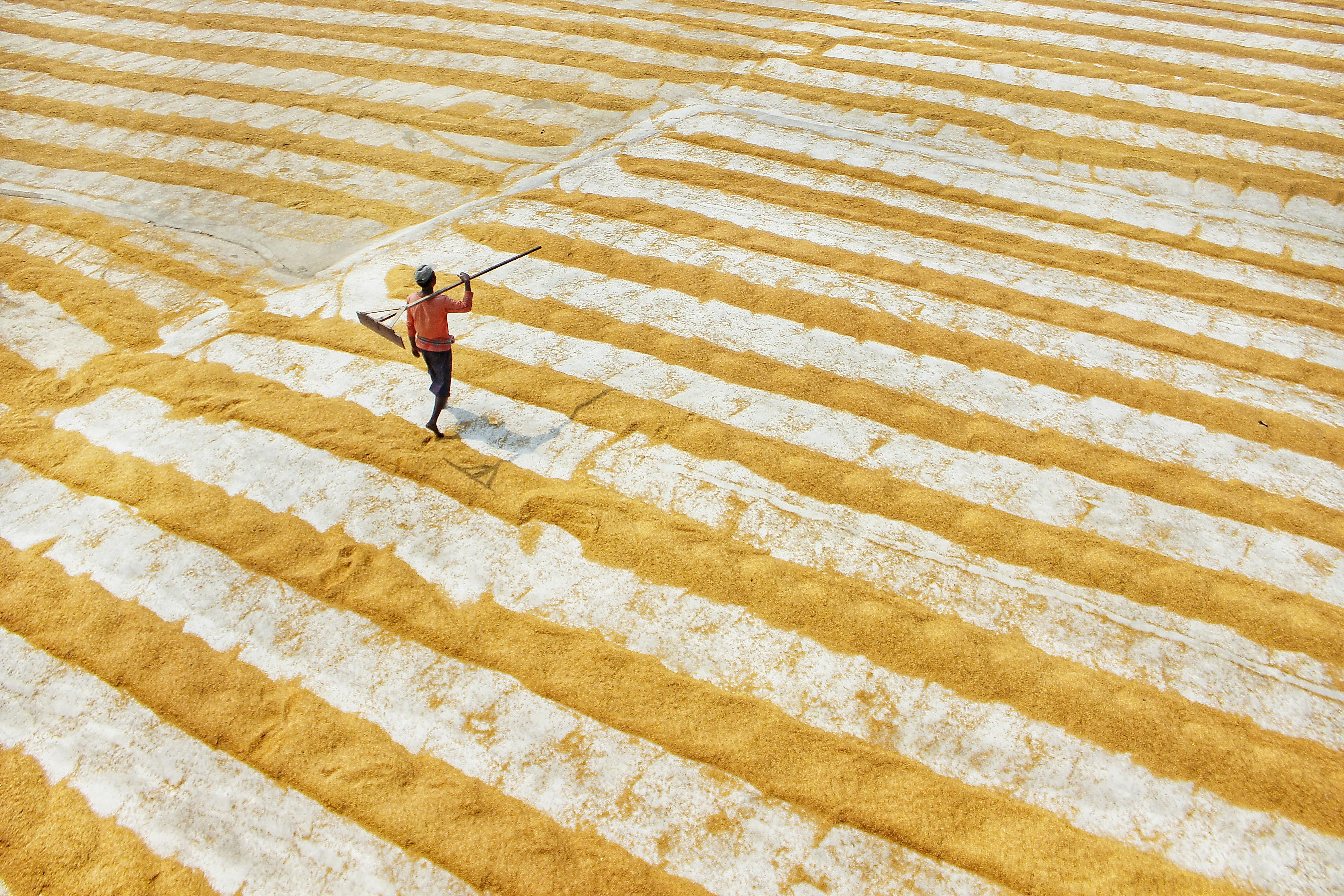
Retaining Crop Residues for Enhanced Soil Moisture
One of the cornerstones of conservation agriculture is maintaining a permanent soil cover through crop residues. After harvesting, instead of burning or removing plant remains, leaving them on the soil surface acts as a natural mulch. This layer significantly reduces evaporation, helping the soil retain moisture for longer periods. A KALRO 2025 study, for instance, projected a 30-50% reduction in evaporation rates in fields where crop residues were retained. This is especially vital in arid and semi-arid regions of Kenya where water scarcity is a constant challenge.
Beyond moisture retention, crop residues also suppress weed growth, reduce soil temperature fluctuations, and gradually decompose, enriching the soil with organic matter. This organic matter improves soil structure, aeration, and nutrient-holding capacity, creating a healthier environment for sorghum roots to thrive. For farmers committed to this practice, ensuring a consistent residue cover is paramount.
Actionable Steps:
- Implement minimum tillage: Avoid plowing or excessive soil disturbance after harvest to keep residues intact on the surface.
- Distribute residues evenly: Ensure a uniform layer of crop residue across the field to maximize its benefits.
- Consider mechanical shredding: If residues are too bulky, use a flail mower or shredder to break them down into smaller pieces for easier management and faster decomposition.
- Monitor soil moisture: Regularly check soil moisture levels to observe the direct impact of residue retention and adjust irrigation if necessary. A reliable tool like the Luster Leaf Rapitest Soil Test Kit – available on Amazon can help you understand your soil's needs better.
Intercropping Sorghum with Legumes for Nitrogen Fixation
Intercropping, the practice of growing two or more crops in proximity, is a powerful strategy in conservation agriculture, particularly when it involves legumes. When intercropping sorghum with legumes like cowpeas, green grams, or beans, farmers leverage the natural ability of legumes to fix atmospheric nitrogen into the soil. This symbiotic relationship, facilitated by bacteria in the legume's root nodules, provides a sustainable source of nitrogen for both the legume and the neighboring sorghum plants. This reduces the need for synthetic nitrogen fertilizers, cutting costs and minimizing environmental impact.
Beyond nitrogen fixation, intercropping offers several other advantages. It enhances biodiversity on the farm, providing varied habitats for beneficial insects and microorganisms. It also helps to suppress weeds, reduce pest pressure by providing natural repellents or trap crops, and can provide an additional crop yield, diversifying farmer income. The choice of legume should be suited to local conditions and market demand.
Actionable Steps:
- Select suitable legumes: Choose legumes that are well-adapted to your local climate and soil conditions, and which complement sorghum's growth cycle.
- Optimize planting patterns: Experiment with different planting arrangements (e.g., alternate rows, relay cropping) to ensure both crops receive adequate sunlight and nutrients.
- Manage nutrient balance: While legumes provide nitrogen, monitor other soil nutrients and supplement with organic amendments if necessary to support healthy growth for both crops.
- Embrace organic soil amendments: Boost your soil's overall health and microbial activity with solutions like the Wallace Organic Wonder, Soluble DS-80 Humic/Fulvic Acid (1lb) – available on Amazon , which promotes nutrient uptake.
For more comprehensive solutions and expert guidance on sustainable practices, explore sustainable organic farming solutions with Biofarm Kenya .
Adopting Staggered Planting Dates to Mitigate Pest Outbreaks
Pest management is a continuous challenge in agriculture. Adopting staggered planting dates to mitigate pest outbreaks is an intelligent and proactive strategy in conservation agriculture. Instead of planting the entire sorghum field at once, farmers plant smaller sections sequentially over a period. This creates a varied age structure of plants in the field.
This strategy disrupts the life cycles of many common sorghum pests, such as stem borers and armyworms. Pests that emerge at a specific time will find only a limited portion of the crop in their preferred developmental stage, preventing widespread infestation. It also allows for more targeted and localized pest control interventions, reducing the need for broad-spectrum pesticides and supporting beneficial insect populations. This approach is a cornerstone of Integrated Pest Management (IPM).
Actionable Steps:
- Plan your planting schedule: Divide your total planting area into smaller blocks and determine optimal planting intervals based on local pest cycles and weather patterns.
- Monitor pest populations: Regularly scout different sections of your field to identify pest hotspots and tailor your management efforts accordingly.
- Combine with other IPM strategies: Integrate staggered planting with other pest control methods like companion planting, physical barriers, and biological controls for maximum effectiveness.
Case Studies, Examples, or Comparisons
Across Kenya, numerous farmers are successfully transitioning to conservation agriculture, demonstrating its tangible benefits. In Kitui County, a region often grappling with erratic rainfall, farmer groups supported by organizations like the Food and Agriculture Organization (FAO) have seen remarkable improvements. Ms. Agnes Mwende, a smallholder farmer, adopted minimum tillage and intercropped her sorghum with cowpeas. Prior to CA, her sorghum yields were inconsistent and heavily reliant on favorable rains. After three seasons of CA, she reported a 40% increase in sorghum yield and an additional harvest from cowpeas, significantly boosting her household's food security and income. Her farm now boasts richer soil, less erosion, and visibly healthier crops, even during dry spells.
Similarly, in Busia County, a project by the Kenya Agricultural and Livestock Research Organization (KALRO) introduced farmers to residue retention and diversified cropping. Initial skepticism about leaving crop residues on fields, a departure from traditional clean-cultivation, was overcome by observing neighboring demonstration plots. Farmers involved in the program noted improved soil workability, fewer weeds, and a reduction in fertilizer costs due to enhanced soil fertility. These localized successes underscore the transformative power of conservation agriculture tailored to local conditions. The FAO's ongoing work in Kenya emphasizes sustainable agricultural practices as key to achieving food security and climate resilience for millions.
Common Mistakes to Avoid
While conservation agriculture offers immense benefits, missteps can hinder its effectiveness. Avoiding these common mistakes is crucial for successful implementation:
1. Inconsistent Residue Management: A common error is not maintaining sufficient crop residue cover throughout the year. If residues are removed for livestock feed or fuel, the soil loses its protective layer, leading to increased evaporation, erosion, and weed pressure. Correction: Prioritize keeping at least 30% soil cover. If residues are scarce, consider cover crops like legumes or grasses during fallow periods to build biomass and protect the soil.
2. Immediate Expectation of High Yields: Transitioning to conservation agriculture is a process. Soil health takes time to rebuild, and yields might initially plateau or even slightly dip before significant improvements are observed. Farmers expecting immediate dramatic increases can become disheartened. Correction: Understand that CA is a long-term investment. Focus on gradual improvements in soil quality, water retention, and overall farm resilience, with yield increases following in subsequent seasons.
3. Improper Tool Adaptation for Minimum Tillage: Simply reducing plowing without adapting planting equipment can be problematic. Conventional planters may struggle with heavy residue cover, leading to poor seed placement and germination. Correction: Invest in or adapt existing planters for minimum tillage conditions, such as those with disc openers or residue managers, to ensure effective seed-to-soil contact through the residue layer.
4. Neglecting Soil Testing: Guessing soil nutrient levels or pH can lead to imbalances, even with practices like intercropping. Without knowing the soil's specific needs, applying the wrong amendments can be wasteful or even detrimental. Correction: Conduct regular soil tests (every 2-3 years) to accurately assess nutrient levels, pH, and organic matter content. This guides precise application of organic fertilizers or lime, optimizing plant nutrition.
5. Lack of Crop Diversification: Relying solely on sorghum, even with residue retention, misses a key benefit of CA. Monoculture can still deplete specific nutrients and foster specific pest populations. Correction: Implement diverse crop rotations, including different cereal crops, legumes, and even cover crops. This enhances soil biodiversity, breaks pest and disease cycles, and improves overall soil fertility.
Expert Tips or Best Practices
To truly thrive with conservation sorghum farming in Kenya, integrating expert tips and best practices is essential. These locally relevant insights, combined with access to quality resources, can significantly boost your farm's productivity and resilience.
1. Start Small and Learn: Don't convert your entire farm to conservation agriculture overnight. Begin with a smaller plot or a few rows to understand the techniques and observe how they perform in your specific microclimate and soil conditions. This allows for learning and adaptation without risking your entire harvest.
2. Invest in Quality Seeds: Select certified, drought-resistant sorghum varieties that are well-adapted to your local environment. Quality seeds are the foundation of a robust crop, capable of performing well even under challenging conditions.
3. Integrate Animal Manure Judiciously: If you have livestock, incorporate well-composted animal manure into your fields. This natural fertilizer enriches the soil with vital nutrients and organic matter, complementing the benefits of crop residues and intercropping. For managing waste effectively and creating nutrient-rich compost, consider exploring solutions for sustainable farming.
4. Precision Water Management: Even with improved soil moisture retention, efficient irrigation is critical, especially during prolonged dry spells. Consider implementing targeted watering systems. A MIXC 230FT Quick-Connect Drip Irrigation System Kit – available on Amazon can deliver water directly to the plant roots, minimizing waste and maximizing efficiency.
5. Continuous Learning and Networking: Join farmer groups, attend workshops, and seek advice from agricultural extension officers. Learning from peers and experts who have successfully adopted conservation agriculture can provide invaluable insights and support. Organizations like Biofarm Kenya regularly share updated research and practical advice.
6. Embrace Protective Structures (If Feasible): For small-scale, high-value crops or seed nurseries, even a compact protective structure can make a big difference. The SPECILITE 56×56×78Inch Walk-in Greenhouse – available on Amazon can offer a controlled environment, protecting young plants from harsh weather and pests.
To deepen your understanding and access a network of sustainable farming experts, explore sustainable organic farming solutions with Biofarm Kenya .
Future Trends or Predictions
The future of sorghum farming in Kenya, particularly within the framework of conservation agriculture, is poised for exciting innovations. We anticipate a significant shift towards more technologically driven and data-centric approaches that will further enhance farm resilience and productivity.
One major trend is the widespread adoption of smart irrigation systems. These systems, often powered by sensors and AI, monitor real-time soil moisture, weather forecasts, and crop needs to deliver precise amounts of water. This dramatically reduces water waste, a critical advantage in drought-prone areas, and ensures optimal water availability for sorghum, especially during crucial growth stages.
AI-driven crop monitoring is another area of rapid development. Drones equipped with multispectral cameras can scan vast sorghum fields, identifying nutrient deficiencies, disease outbreaks, and pest infestations long before they are visible to the naked eye. This allows for early, targeted interventions, minimizing crop loss and the overuse of inputs.
Furthermore, advancements in precision agriculture will see more localized application of organic fertilizers and targeted pest control. This hyper-efficient approach, combined with genetically improved sorghum varieties that are even more drought-tolerant and pest-resistant, will lead to higher yields with fewer resources. Vertical farming, while not directly applicable to extensive sorghum fields, could influence the broader agricultural ecosystem by freeing up land and diversifying food sources. These innovations, coupled with a continued commitment to conservation agriculture principles, promise a more robust, efficient, and sustainable future for Kenyan sorghum farmers.
Conclusion
Building resilient sorghum farms with conservation methods is not merely an agricultural strategy; it is a vital pathway to food security and sustainable livelihoods for Kenyan farmers. By embracing minimum tillage, judiciously retaining crop residues, strategically intercropping with legumes, and intelligently staggering planting dates, farmers can significantly enhance soil health, conserve precious water resources, and effectively manage pests. These practices, backed by robust research and successful local case studies, offer a powerful antidote to the challenges posed by climate change. The journey towards resilient farming is continuous, yet with the right knowledge, tools, and community support, the future of sorghum cultivation in Kenya is bright and abundant.
Discover trusted organic farming tools on Amazon and learn more about sustainable solutions with Biofarm Kenya .
FAQs
Q1: What is conservation agriculture and why is it important for sorghum farming in Kenya?
Conservation agriculture (CA) is an approach to farming that minimizes soil disturbance (minimum tillage), maintains a permanent soil cover (e.g., crop residues or cover crops), and diversifies crop species. For sorghum farming in Kenya, CA is crucial because it enhances soil health, increases water infiltration and retention (vital during droughts), reduces erosion, improves nutrient cycling, and makes farms more resilient to climate change impacts. It's a key strategy for sustainable food production in semi-arid regions. (Source: FAO - Conservation Agriculture)
Q2: How does retaining crop residues help with soil moisture in sorghum fields?
Retaining crop residues on the soil surface acts as a natural mulch. This organic layer significantly reduces direct evaporation from the soil, shades the soil from intense sun, and helps to moderate soil temperature fluctuations. By keeping the soil cooler and covered, moisture loss is minimized, allowing the soil to retain water for longer periods, which is critical for sorghum growth during dry spells. Additionally, decomposing residues add organic matter, further improving soil water-holding capacity. (Source: Kenya Agricultural and Livestock Research Organization (KALRO))
Q3: Which legumes are best for intercropping with sorghum in Kenyan climatic conditions?
In Kenyan climatic conditions, several legumes are highly suitable for intercropping with sorghum. Popular choices include cowpeas (Vigna unguiculata), green grams (Vigna radiata), common beans (Phaseolus vulgaris), and pigeon peas (Cajanus cajan). These legumes are well-adapted to semi-arid environments, fix significant amounts of nitrogen, and offer additional food or income for farmers. The best choice often depends on specific local rainfall patterns, soil types, and market preferences. (Source: ICRISAT - Sorghum)
Q4: What are the main challenges when transitioning from conventional farming to conservation agriculture?
Transitioning to conservation agriculture can present several challenges. These include initial investment in appropriate minimum tillage equipment, a learning curve for new management practices, potential for initial yield reductions as the soil system adjusts, and overcoming traditional mindsets that favor plowing. Managing crop residues can also be challenging if there is competition for biomass (e.g., for livestock feed or fuel). However, long-term benefits typically outweigh these initial hurdles. (Source: Conservation Agriculture Global Website)
Q5: How can farmers get training and support for implementing conservation agriculture in Kenya?
Kenyan farmers can access training and support for conservation agriculture through various channels. Agricultural extension services from the Ministry of Agriculture are a primary resource. Non-governmental organizations (NGOs) focused on sustainable agriculture, research institutions like KALRO, and farmer field schools also offer practical training and demonstrations. Online resources, like those provided by Biofarm Kenya, also serve as valuable learning platforms. Networking with other conservation farmers in local communities can also provide peer support and shared learning. (Source: Biofarm Kenya Partners)
Q6: What is the role of soil testing in successful conservation sorghum farming?
Soil testing plays a crucial role in successful conservation sorghum farming by providing an accurate diagnosis of soil health. It helps farmers understand their soil's specific pH, nutrient levels (nitrogen, phosphorus, potassium, micronutrients), and organic matter content. This information enables precise nutrient management, allowing farmers to apply only what is needed, reducing waste, optimizing plant growth, and preventing nutrient imbalances. Regular soil testing ensures that conservation efforts are complemented by optimal soil fertility for maximum sorghum yields. (Source: National Environment Management Authority (NEMA) Kenya)


0 Comments