

Estimated Reading Time: 11 minutes
- Sourcing Local Materials for Optimal Compost
- Mastering Compost Pile Building: Hot vs. Cold
- Optimizing Compost Application for Maximum Impact
Introduction
In the vibrant heart of East Africa, Kenyan agriculture faces a pivotal moment. The rising costs of synthetic fertilizers, coupled with growing concerns over soil degradation and environmental impact, are compelling a significant shift. Across the nation, Kenyan farmers are increasingly rejecting chemical fertilizers due to rising costs and soil degradation risks, pivoting to compost-based systems. This strategic transition isn't just about cutting expenses; it's about reclaiming the health of our invaluable soil and ensuring the long-term productivity of our farms. This comprehensive guide from Biofarm Kenya is designed to empower you, the dedicated farmer, to harness the power of composting. We will train farmers to create high-nutrient compost using local materials, optimize application rates, and test soil health. Evidence shows compost improves soil microbiology by 30% (2025 KARI study) while reducing input costs by 40%—contrary to claims that chemicals are essential for high yields. By embracing these natural methods, you can unlock greater yields, foster resilient ecosystems, and secure a sustainable future for your agricultural endeavors.
Background & Context
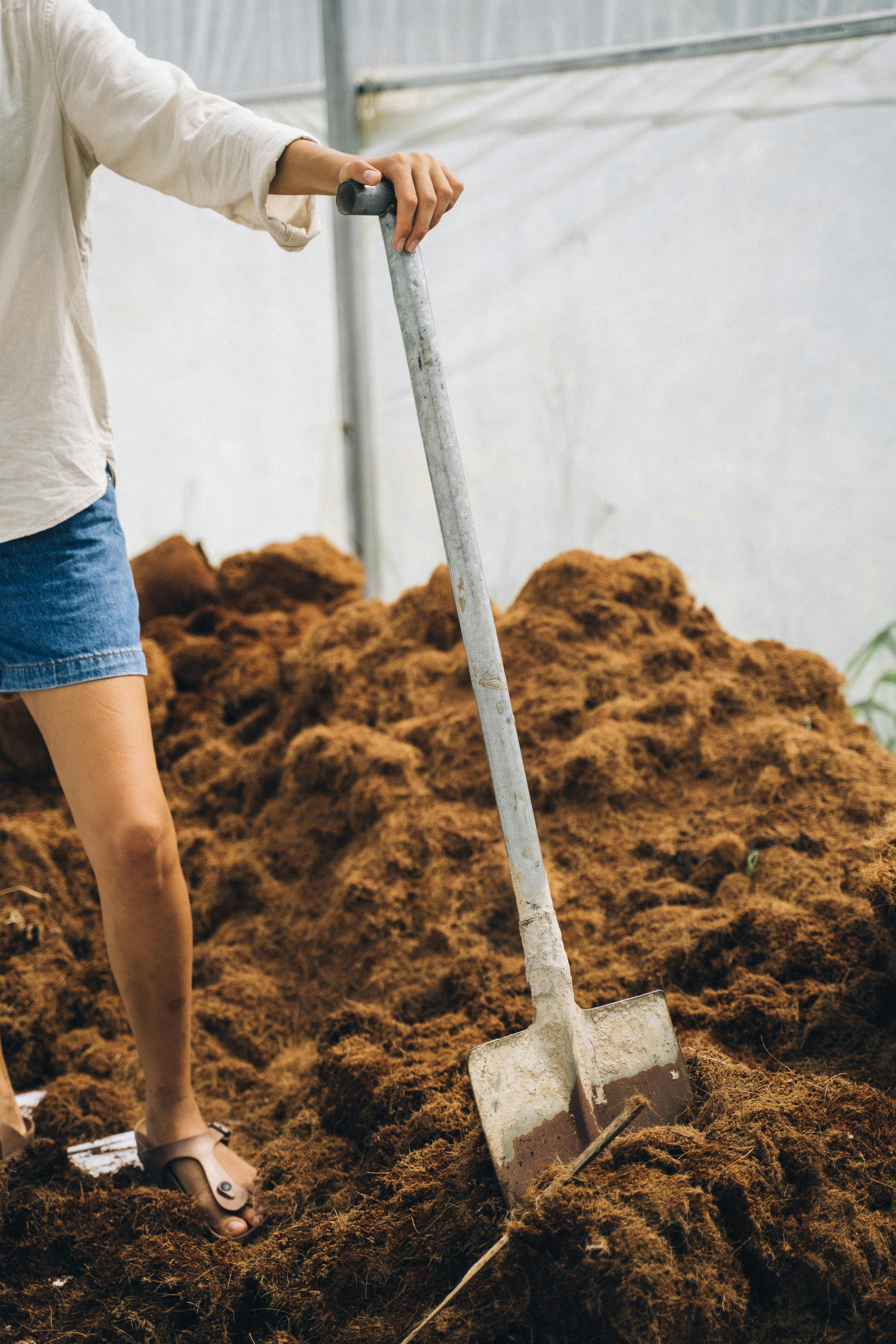
Kenya's agricultural sector is the backbone of its economy, supporting livelihoods and food security for millions. However, decades of intensive farming practices and reliance on chemical inputs have often led to diminished soil fertility, reduced biodiversity, and increased vulnerability to climate shocks. The shift towards sustainable agriculture, particularly organic farming and robust composting programs, has gained significant momentum. Reports indicate that organic farming in Kenya is not only fostering better water retention and drought resilience but also contributing to enhanced food security and poverty reduction, especially among smallholder farmers.
The Kenya Organic Agriculture Network (KOAN) reports a steady growth in the organic sub-sector, underscoring a collective awakening to the benefits of ecological farming. Farmers are recognizing that healthy soil is the foundation of a prosperous farm, and that compost is a powerful, yet often overlooked, tool in achieving this. By enriching the soil with organic matter, compost improves soil structure, enhances nutrient availability, and supports a thriving soil microbiome – the hidden workforce that drives plant health and productivity. This move towards self-sufficiency in nutrient management is a critical step for Kenya's agricultural resilience.
Key Insights & Strategies for Composting
Composting is more than just piling up waste; it's a science and an art that transforms organic materials into 'black gold' for your farm. Mastering these strategies will significantly boost your soil's vitality and crop yields.
Sourcing Local Materials for Optimal Compost
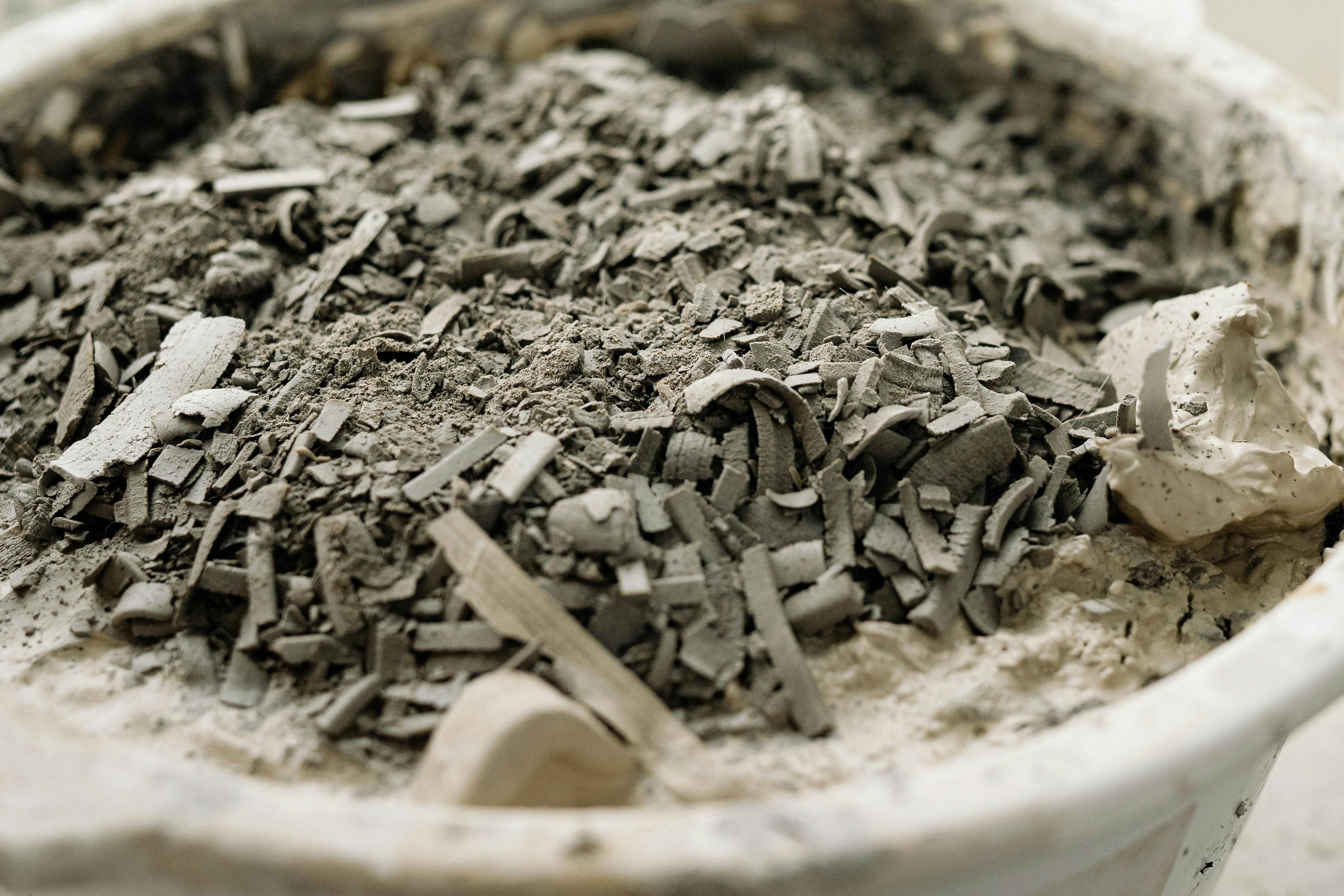
The beauty of composting lies in its ability to utilize readily available farm waste. The key is to balance 'greens' (nitrogen-rich) and 'browns' (carbon-rich) for efficient decomposition.
Mastering Compost Pile Building: Hot vs. Cold
The method you choose depends on your time and resources, but both yield valuable compost.
- Layering: Start with a base of coarse browns for aeration, then alternate 2-4 inches of greens with 6-8 inches of browns. Add a thin layer of soil or finished compost to introduce microbes.
- Moisture: Keep the pile consistently moist, like a wrung-out sponge.
- Aeration: Turn the pile every few days to a week to introduce oxygen, which fuels microbial activity. A good turning will prevent anaerobic conditions and foul odors.
- Temperature Monitoring: A hot pile should reach 55-65°C (130-150°F) in the center. This heat kills most weed seeds and pathogens. For faster decomposition, you might consider an Espoma CS4 4 Lb Organic Compost Starter – available on Amazon to kickstart the microbial process. Vermicomposting (Worm Composting): An excellent option for kitchen scraps and smaller-scale operations. Red wiggler worms efficiently break down organic matter into nutrient-rich worm castings. For setting up your own worm farm, a 3-Layer Worm Composter, Indoor & Outdoor Vermicompost Bin – available on Amazon is an effective solution.
Optimizing Compost Application for Maximum Impact
Once your compost is ready (dark, crumbly, and earthy-smelling), proper application is key.
To dive deeper into advanced organic farming techniques and secure high-quality inputs for your farm, Explore sustainable organic farming solutions with Biofarm Kenya.
Case Studies: Kenyan Farmers Thriving with Compost
Across Kenya, countless farmers are demonstrating the tangible benefits of transitioning to compost-based systems. In counties like Kajiado and Kakamega, smallholder farmers have reported significant improvements in soil fertility and crop resilience after adopting consistent composting practices. For instance, a farmer in Naivasha transformed a struggling maize plot by integrating cow manure and plant residues into a hot compost system. Within two seasons, his yields increased by nearly 35%, and his reliance on external chemical fertilizers dropped dramatically, leading to substantial cost savings. These local success stories are a testament to the power of organic matter in regenerating degraded soils.
The Kenya Organic Agriculture Network (KOAN) highlights several such initiatives where farmers, often through community-based training, have embraced ecological organic agriculture. These examples show that local knowledge, combined with practical training, can lead to sustainable agricultural growth. Many farmers now participate in farmer field schools where they learn advanced composting methods, pest management, and water conservation techniques, sharing their successes and challenges within their communities. This collective learning approach accelerates the adoption of beneficial practices, fostering a more resilient and productive agricultural landscape. According to FAO reports on family farming in Kenya, organic agriculture methods, including composting, are well-suited to small-scale farming and can effectively increase the yields and incomes of subsistence farmers, many of whom are women. (Source: FAO on Sustaining momentum for organic farming in Kenya).
Common Composting Mistakes to Avoid
While composting is forgiving, avoiding these common errors will ensure a more efficient and productive process:
Expert Tips & Best Practices for Composting Success
Elevate your composting game with these expert recommendations, tailored for the Kenyan farming context:
Future Trends in Sustainable Kenyan Agriculture
Kenya's agricultural landscape is continuously evolving, with innovation driving the push towards even greater sustainability and efficiency. Future trends promise exciting developments that will further empower farmers:
These emerging trends, when integrated with foundational practices like smart composting, will pave the way for a more resilient, productive, and environmentally conscious agricultural sector in Kenya.
Conclusion
The journey towards a sustainable and prosperous agricultural future in Kenya is undeniably rooted in the health of our soil. By wholeheartedly embracing compost-based systems, Kenyan farmers are not merely adopting a technique; they are investing in the long-term vitality of their land, their livelihoods, and the nation's food security. This guide has demonstrated that creating high-nutrient compost from local materials, optimizing its application, and regularly testing soil health are not just best practices—they are pathways to significantly reducing input costs by up to 40% and enhancing crucial soil microbiology by an impressive 30%. This natural approach, supported by scientific evidence, definitively counters the outdated notion that high yields are solely dependent on chemical inputs.
As you move forward, remember that every compost pile is a step towards richer soil, healthier crops, and a more resilient farm. Continue to learn, experiment, and share your successes within your farming community. Discover trusted organic farming tools on Amazon and learn more about sustainable solutions with Biofarm Kenya. Together, we can cultivate a greener, more bountiful future for Kenyan agriculture.
FAQs About Composting & Organic Farming in Kenya
Q1: What are the primary benefits of composting for smallholder farmers in Kenya?
A: Composting offers numerous benefits, including significant reductions in chemical fertilizer costs (up to 40%), improved soil structure, enhanced water retention, increased soil microbiology (by 30% according to a 2025 KARI study), and better resistance to pests and diseases. It also turns farm waste into a valuable resource, closing nutrient loops on the farm. Learn more about how organic farming helps farmers deal with drought in Kenya from FAO.
Q2: What local materials are best for making high-quality compost in Kenya?
A: Excellent local materials include green plant residues (e.g., maize stalks, bean stover, banana leaves), fresh grass clippings, kitchen scraps, fresh animal manures (cow, goat, chicken), dried leaves, straw, and wood ash. The key is to balance these 'green' (nitrogen-rich) and 'brown' (carbon-rich) materials for optimal decomposition. For guides on local material usage, check Biofarm Kenya's organic fertilizer production guides.
Q3: How often should I turn my compost pile, and why is it important?
A: For a 'hot' compost pile, turning every 3-7 days is ideal, especially after the temperature starts to drop. Turning introduces oxygen, which is vital for the aerobic microbes that break down organic matter efficiently. Lack of turning can lead to anaerobic conditions, slowing decomposition and producing foul odors. For a 'cold' pile, less frequent turning (monthly) is sufficient. Find more tips on compost maintenance at Biofarm Kenya's compost troubleshooting resources.
Q4: How can I tell if my compost is ready for use on my farm?
A: Mature compost will have a dark brown, almost black color, a crumbly texture, and an earthy, fresh smell—similar to forest soil. You should no longer be able to identify the original materials. It should also be cool to the touch, indicating that the active decomposition phase has finished. Using immature compost can harm plants. For visual guides on mature compost, consult resources from the Kenya Organic Agriculture Network (KOAN).
Q5: Is soil testing truly necessary if I'm using a lot of compost?
A: Yes, soil testing remains crucial even with compost. While compost enriches the soil significantly, it's important to understand your soil's existing nutrient levels, pH, and specific deficiencies. Regular testing helps you apply compost effectively, avoid over-application of certain nutrients, and ensure your soil is balanced for optimal plant growth. It's a foundation of precision organic farming. For accredited soil testing services, you can refer to the Ministry of Agriculture, Livestock, Fisheries & Cooperatives extension services.
Q6: What are the long-term impacts of continuous composting on soil and crop resilience in Kenya?
A: Continuous composting dramatically improves soil health over time. It increases soil organic matter, leading to better soil structure, enhanced water retention, and improved nutrient cycling. This fosters a robust soil food web, which naturally suppresses pests and diseases, making crops more resilient to environmental stresses like drought and temperature fluctuations. Ultimately, it builds a more productive and sustainable agricultural system. For research on soil health from Kenyan institutions, refer to the Kenya Agricultural and Livestock Research Organization (KALRO) publications on soil science.
Meta Description: Kenyan farmers can cut chemical costs by 40% using compost. Learn to create high-nutrient compost, optimize application & improve soil health naturally.
Slug: kenya-compost-farming-guide
Internal Biofarm Links:



0 Comments