

Estimated Reading Time: 11 minutes
TL;DR: Kenyan farmers can significantly enhance water resilience by integrating agroforestry with rainwater harvesting. This approach not only reduces dependency on erratic rainfall but also cuts irrigation costs and boosts crop yields, especially during dry spells. Key to success are selecting drought-tolerant trees, utilizing organic mulch, and cultivating climate-resilient crops. Embracing these sustainable practices leads to healthier soils and more secure livelihoods in the face of escalating water scarcity.
Key Takeaways:
- Integrate agroforestry systems by planting drought-tolerant trees to provide shade and improve soil health.
- Implement efficient rainwater harvesting techniques to capture and store water for irrigation during dry periods.
- Utilize mulching with pruned branches and organic matter to drastically reduce soil moisture evaporation.
- Adopt climate-resilient and drought-tolerant crop varieties suitable for local conditions.
- Regularly test soil health to inform precise nutrient management and water application strategies.
Table of Contents
Introduction: Cultivating Resilience in a Water-Scarce Landscape
The lifeblood of agriculture in Kenya, water, is becoming an increasingly precious and unpredictable resource. Kenyan farmers face rising water scarcity and erratic rainfall, a challenge exacerbated by climate change. This escalating crisis threatens food security, livelihoods, and the very foundation of rural economies. However, amidst these challenges, a paradigm shift towards sustainable farming offers a beacon of hope. By integrating traditional wisdom with modern innovation, farmers can build resilience and ensure productivity even in the face of severe water stress.
This guide is designed to empower farmers by training them to integrate agroforestry with rainwater harvesting, a powerful combination proven to reduce irrigation dependency. We will explore key steps, including selecting drought-tolerant tree species like Acacia senegal to shade crops, using mulch from pruned branches to retain crucial soil moisture, and intercropping with climate-resilient crops such as millet. A promising 2025 study by Kenya’s Agricultural Research Institute projects that farms adopting this integrated method could save a remarkable 40% on water costs and increase yields by 25% during critical dry spells. This article will provide actionable insights to transform these challenges into opportunities for sustainable growth and water resilience across Kenya.
Background & Context: Kenya's Agricultural Heartbeat Under Threat
Agriculture is the backbone of Kenya's economy, employing over 70% of the rural population and contributing significantly to the GDP. However, the sector is disproportionately affected by climate change, with recurrent droughts and unpredictable rainfall patterns becoming the norm. Kenya is classified as a water-scarce country, with per capita water availability falling below the global threshold of 1000 cubic meters annually, a figure projected to decrease further with population growth. This acute water stress jeopardizes food production and increases vulnerability among smallholder farmers who largely depend on rain-fed agriculture.
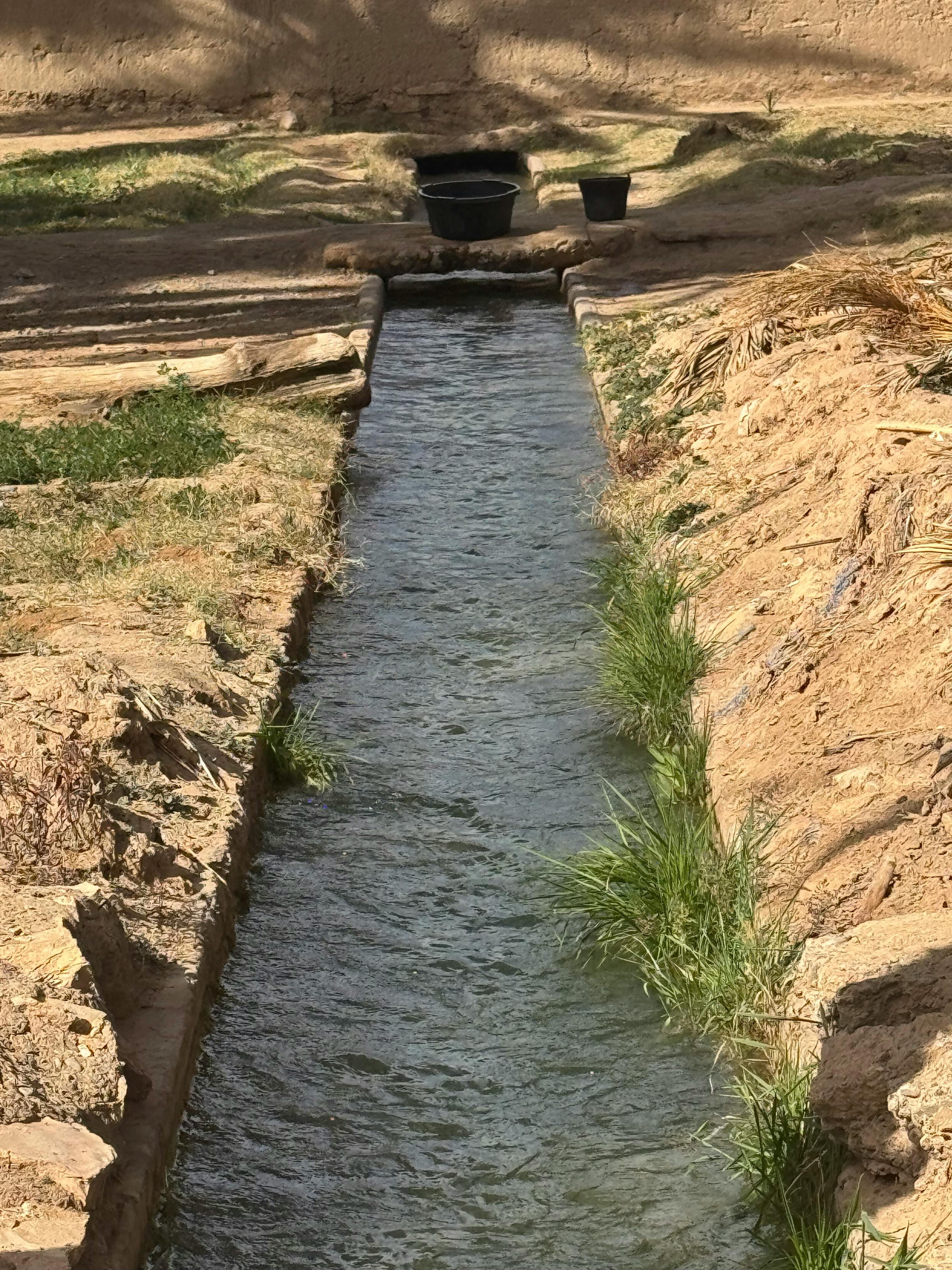
In response, there's a growing movement towards sustainable agricultural practices, including organic farming and agribusiness innovation. Organic farming in Kenya, though gaining momentum, faces hurdles such as limited access to certified inputs and high certification costs for small-scale producers. Despite these challenges, the benefits—improved soil fertility, enhanced biodiversity, and reduced reliance on costly external inputs—make it a vital path forward. Sustainable approaches like agroforestry and rainwater harvesting are not merely environmental choices; they are economic imperatives that build long-term resilience and productivity for Kenyan farmers.
Key Insights & Strategies for Water-Smart Farming
Building water resilience requires a multi-faceted approach, integrating proven techniques that enhance both water availability and retention. Here are critical strategies for Kenyan farmers.
1. Harnessing Agroforestry for Soil Health and Shade
Agroforestry, the integration of trees and shrubs with crops or livestock, is a cornerstone of water-smart farming. Trees provide invaluable benefits, including increased soil organic matter, improved water infiltration, and reduced evaporation through shade. Selecting native, drought-tolerant species like Acacia senegal or fruit trees suitable for your region can create a microclimate that benefits understory crops. The fallen leaves and pruned branches enrich the soil, creating a natural mulch layer.
- Select Appropriate Tree Species: Choose indigenous, fast-growing, and nitrogen-fixing trees that thrive in local conditions and offer multiple benefits (e.g., fodder, timber, fruit).
- Strategic Planting: Plant trees in patterns that provide optimal shade without competing excessively with crops for light and nutrients. Contour planting can also help reduce soil erosion.
- Pruning for Mulch: Regularly prune tree branches and use the biomass as mulch around your crops. This organic matter significantly boosts soil moisture retention.
To truly understand your soil's needs and optimize these practices, regular testing is vital. The Luster Leaf 1662 Professional Soil Test Kit – available on Amazon can provide comprehensive insights into your soil's pH, nitrogen, phosphorus, and potassium levels, enabling informed decisions for healthier crops and better water management.
2. Maximizing Rainwater Harvesting and Storage
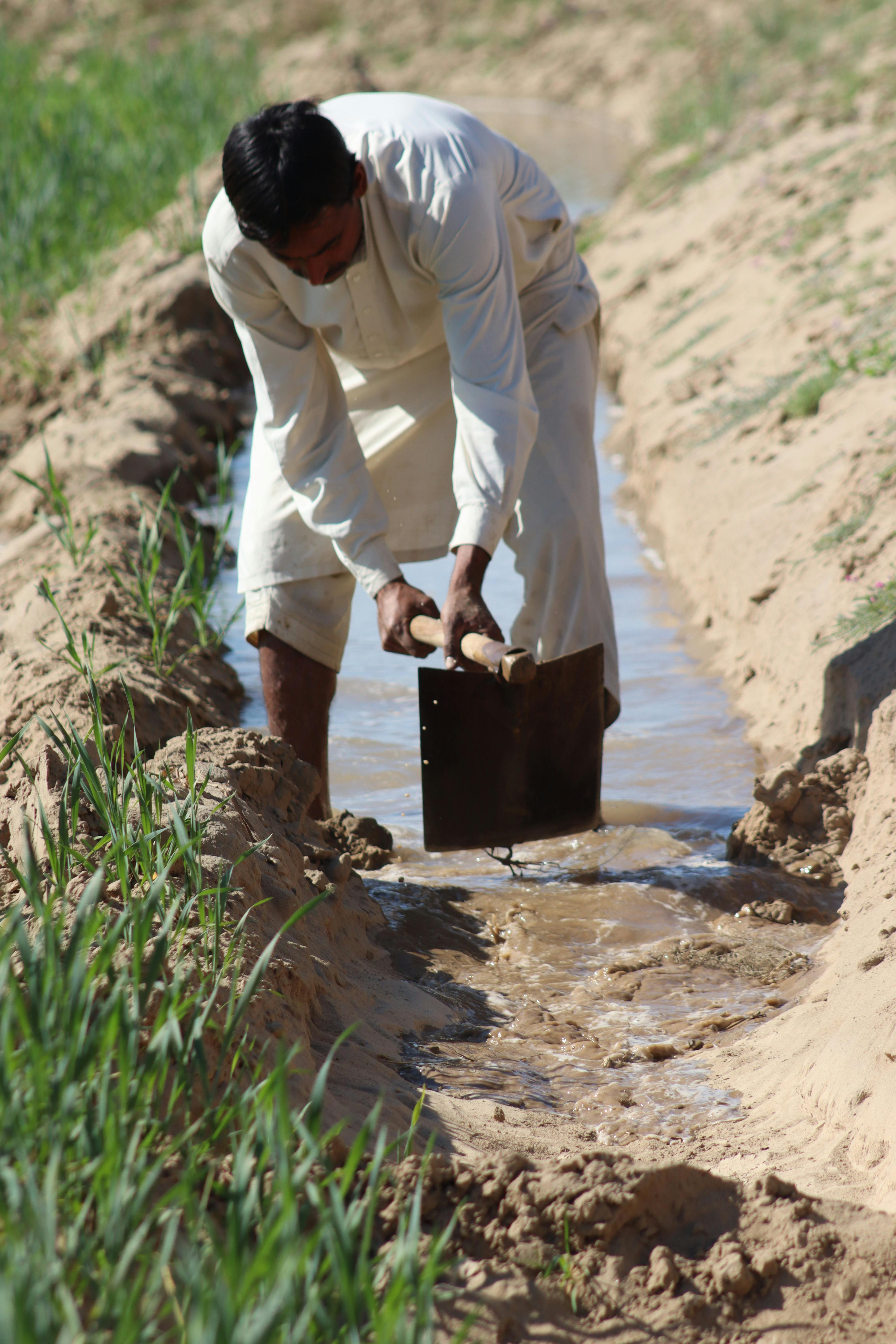
Rainwater harvesting is a direct and effective way to mitigate water scarcity. Capturing and storing rainwater, especially during the rainy seasons, provides a reliable water source for irrigation during dry periods. Simple and scalable systems can be implemented on farms of any size.
- Roof Catchments: Collect rainwater from farm building roofs and direct it into storage tanks or reservoirs.
- Surface Runoff Harvesting: Construct small earth dams, water pans, or contour trenches to capture and hold surface runoff water, allowing it to slowly infiltrate the soil or be channeled to storage.
- Efficient Storage Solutions: Invest in durable storage solutions like plastic tanks or lined earth ponds. Even a Collapsible Rain Barrel – available on Amazon can be a cost-effective way to start collecting water for your garden or small farm plots.
3. Implementing Efficient Irrigation and Soil Moisture Conservation
Even with harvested rainwater, efficient use is paramount. Drip irrigation minimizes water loss through evaporation and runoff by delivering water directly to the plant roots. Coupled with strategic soil conservation techniques, this can drastically reduce water consumption.
- Drip Irrigation Systems: Install drip lines or micro-sprinklers that deliver water precisely to the plant root zone, reducing waste by up to 50% compared to traditional methods.
- Mulching: Beyond agroforestry biomass, use crop residues, straw, or even plastic mulch to cover bare soil. Mulch acts as a protective layer, reducing evaporation, suppressing weeds, and regulating soil temperature.
- Conservation Tillage: Minimize soil disturbance to maintain soil structure, increase organic matter, and enhance water infiltration and retention. No-till farming is a prime example of this.
For reliable and efficient water delivery, especially in areas with limited resources, a Drip Irrigation Kit for Small Farms – find it on Amazon provides a comprehensive solution to ensure your plants get the water they need, precisely when they need it.
These insights form the bedrock of sustainable water management. To delve deeper into organic farming methodologies and innovative solutions tailored for the Kenyan context, you can explore sustainable organic farming solutions with Biofarm Kenya .
Case Studies: Kenyan Farmers Leading the Way
Across Kenya, pioneering farmers are demonstrating the tangible benefits of water-smart agricultural practices. Their successes offer compelling examples of resilience and innovation.
In Murang'a County, central Kenya, horticulture farmers like David Maina have adopted water pans for sustainable smart farming. By excavating and lining large ponds to capture rainwater runoff, these farmers create substantial water reserves that sustain their crops throughout dry seasons. This simple yet effective innovation ensures continuous crop production, stabilizes income, and reduces vulnerability to climate shocks. The water pans also support small-scale aquaculture, diversifying farm income and providing additional food sources.
Further illustrating the power of integration, farmers in arid and semi-arid lands (ASALs) like Kitui and Machakos have embraced agroforestry systems championed by organizations such as the World Agroforestry Centre (ICRAF) and the Kenya Agricultural and Livestock Research Organization (KALRO). These farmers strategically plant drought-tolerant trees such as Faidherbia albida and various acacia species alongside their staple crops. The trees provide shade, reducing soil moisture evaporation, and their deep root systems improve soil structure, allowing better water infiltration. Furthermore, the leaf litter enriches the soil with organic matter, boosting fertility. This integrated approach not only enhances water resilience but also revitalizes degraded lands and supports biodiversity. A 2021 review on the Status of Agroforestry Practices in Kenya highlights how these systems contribute to food security and environmental conservation.
These examples underscore that combining agroforestry with effective rainwater harvesting and soil moisture conservation techniques is not just theoretical; it's a practical, impactful reality for Kenyan farmers. They are cultivating not just crops, but also a future of greater resilience and sustainability.
Common Mistakes to Avoid in Water-Resilient Farming
While the path to water-smart farming is promising, several common pitfalls can hinder progress and waste precious resources. Being aware of these mistakes allows farmers to proactively correct them.
1. Neglecting Soil Health: Many farmers overlook the fundamental role of healthy soil in water retention. Compacted, nutrient-depleted soil cannot absorb or hold water efficiently, leading to runoff and rapid evaporation. Correction: Implement practices that build soil organic matter, such as composting, mulching, and incorporating cover crops. Regular soil testing helps pinpoint deficiencies and guide amendments.
2. Inefficient Irrigation Methods: Over-reliance on traditional flood or furrow irrigation leads to significant water loss through evaporation and deep percolation beyond the root zone. Correction: Transition to efficient irrigation systems like drip irrigation or micro-sprinklers. Water early in the morning or late in the evening to minimize evaporation.
3. Improper Mulching: While mulching is crucial, applying too little or using materials that decompose too quickly or attract pests can negate its benefits. Correction: Apply a thick, consistent layer (5-10 cm) of organic mulch like straw, wood chips, or pruned plant material. Replenish as it decomposes. Ensure the mulch doesn't directly touch plant stems to prevent rot.
4. Ignoring Drought-Tolerant Varieties: Planting crop varieties not adapted to local dry conditions can result in crop failure during water stress. Correction: Research and adopt climate-resilient and drought-tolerant crops and tree species suitable for your specific agro-ecological zone. Organizations like KALRO and CIMMYT offer valuable resources on these varieties.
5. Lack of Integrated Approach: Focusing on one water-saving technique in isolation without considering its interaction with other farm elements often yields suboptimal results. Correction: Adopt a holistic, integrated approach that combines agroforestry, rainwater harvesting, soil conservation, and efficient irrigation. Each component reinforces the others, creating a robust water-resilient system.
Expert Tips for Maximizing Water Efficiency and Yields
Beyond avoiding common mistakes, incorporating expert tips can further optimize your water management strategies and boost overall farm productivity. These locally relevant practices are tailored to the Kenyan agricultural landscape.
1. Embrace Terracing and Fanya Juu: On sloped land, terracing or creating 'fanya juu' (soil bunds thrown uphill) structures significantly reduces water runoff and soil erosion, allowing more rainwater to infiltrate the soil. This ancient technique is remarkably effective in capturing and conserving moisture.
2. Practice Intercropping and Crop Rotation: Planting different crops together (intercropping) or rotating them over seasons improves soil health, breaks pest cycles, and optimizes water and nutrient use. Legumes, for instance, fix nitrogen, reducing the need for synthetic fertilizers which can demand more water for absorption. Consider varieties like millet or sorghum, known for their drought resilience.
3. Utilize Natural Composting: Creating your own compost from farm waste enriches your soil with organic matter, dramatically improving its water-holding capacity. Good compost acts like a sponge, holding moisture for longer periods. To accelerate this process, consider using an Organic Compost Starter like Espoma CS4 – readily available on Amazon , which helps break down organic materials faster and creates nutrient-rich humus.
4. Monitor Weather Patterns and Forecasts: Stay informed about local weather forecasts to anticipate rainfall and plan irrigation schedules accordingly. This prevents over-irrigation when rain is expected and ensures timely watering during dry spells. Simple observation of indigenous indicators can also be valuable.
5. Protect Water Sources: Ensure that natural water sources like springs and rivers on or near your farm are protected from contamination and degradation. Plant trees along riverbanks (riparian zones) to prevent erosion and filter runoff, contributing to cleaner water.
By integrating these expert tips, Kenyan farmers can transform their farms into water-smart ecosystems that are both productive and resilient. For a broader range of resources and partnership opportunities in sustainable agriculture, don't hesitate to explore sustainable organic farming solutions with Biofarm Kenya .
Future Trends: Innovating for a Water-Secure Agricultural Future
The future of agriculture in Kenya will be increasingly shaped by technological advancements and innovative practices aimed at enhancing water resilience. These emerging trends promise to further empower farmers in their fight against water scarcity.
Smart Irrigation Systems: The integration of sensors, AI, and IoT (Internet of Things) devices will enable precision irrigation. These systems can monitor soil moisture, weather conditions, and plant water needs in real-time, delivering the exact amount of water required, minimizing waste. Mobile-controlled irrigation systems are already becoming accessible, offering convenience and efficiency.
Vertical Farming and Hydroponics: As land and water become scarcer, controlled environment agriculture (CEA) offers a solution. Vertical farms and hydroponic systems use significantly less water (up to 90% less than traditional farming) by recirculating nutrient-rich water. While initial setup costs can be high, these methods offer high yields and consistent production, especially in urban or peri-urban areas.
Climate-Resilient Crop Breeding: Ongoing research by institutions like KALRO and CIMMYT continues to develop new crop varieties with enhanced drought tolerance, heat resistance, and pest resilience. These genetically improved crops will play a crucial role in maintaining food security under changing climatic conditions.
Agro-Climatic Advisory Services: AI-driven platforms and mobile applications are increasingly providing tailored agro-climatic advisories to farmers. These services offer localized weather forecasts, optimal planting times, irrigation recommendations, and pest and disease alerts, enabling data-driven decision-making. Such tools enhance proactive management of water resources.
Water Harvesting Innovations: Beyond traditional methods, advancements in atmospheric water generation (though niche and energy-intensive) and more efficient, cost-effective large-scale water storage solutions are continuously being explored. Decentralized water management, where communities manage their own water resources, will also gain prominence.
These future trends, combined with proven sustainable practices, paint a picture of a more resilient and water-secure agricultural sector in Kenya. Embracing innovation will be key to navigating the challenges ahead.
Conclusion: A Sustainable Path to Water Resilience
Kenya's agricultural sector stands at a critical juncture, facing unprecedented challenges from water scarcity and climate variability. However, by embracing sustainable farming practices, particularly the powerful combination of agroforestry and rainwater harvesting, Kenyan farmers can not only mitigate these risks but also build a more resilient and prosperous future. Integrating drought-tolerant tree species, implementing efficient rainwater collection, and prioritizing soil moisture conservation through mulching are fundamental steps. These methods, supported by robust research and practical applications, lead to reduced irrigation dependency, significant water cost savings, and enhanced yields, as demonstrated by the projected 25% yield increase from the 2025 Kenya’s Agricultural Research Institute study.
The journey towards water resilience is continuous, requiring adaptation, learning, and a commitment to nurturing our precious natural resources. By adopting these integrated strategies, farmers safeguard their livelihoods, contribute to national food security, and ensure the health of our planet for generations to come. Empower yourself with the knowledge and tools to transform your farm into a beacon of sustainable water management.
Discover trusted organic farming tools on Amazon and learn more about sustainable solutions with Biofarm Kenya .
FAQs: Your Questions on Water-Smart Farming Answered
1. What is agroforestry, and how does it help with water scarcity in Kenya?
Agroforestry is a land-use management system in which trees or shrubs are grown around or among crops or pastureland. It helps combat water scarcity by improving soil structure, increasing organic matter, reducing soil erosion, and providing shade that lowers evaporation rates, thereby conserving soil moisture. Learn more about agroforestry from the World Agroforestry Centre (ICRAF).
2. How can I implement rainwater harvesting on a small farm in Kenya?
Small farms can implement rainwater harvesting by collecting water from rooftops of farm buildings into tanks or constructing small earth dams and water pans to capture surface runoff. Simple gutter systems and accessible storage containers can make a big difference. Read about optimizing rainwater harvesting system designs for smallholders.
3. Which drought-tolerant crops are best suited for Kenyan farmers?
For Kenyan farmers, excellent drought-tolerant crop options include pearl millet, sorghum, cowpeas, pigeon pea, cassava, and certain hybrid maize varieties developed for arid conditions. These crops have evolved to withstand prolonged dry spells and often require less water. Discover more about the adoption of drought-tolerant crops in East Africa.
4. What are effective mulching techniques for soil moisture retention?
Effective mulching involves applying a 5-10 cm layer of organic material (like straw, crop residues, or pruned branches) around plants. This layer acts as a barrier, reducing direct sunlight on the soil, minimizing evaporation, and suppressing weed growth, all of which conserve moisture. Explore various soil moisture conservation techniques.
5. How can I improve my farm's soil health to better retain water?
Improving soil health for water retention involves increasing organic matter content through composting, incorporating cover crops, practicing minimal tillage, and reducing reliance on chemical fertilizers. Healthy soil with good structure acts like a sponge, absorbing and holding water more effectively. Review policy briefs on strengthening agroecological practices to enhance soil health.
6. Where can Kenyan farmers find resources and support for sustainable farming?
Kenyan farmers can find resources and support from organizations like KALRO (Kenya Agricultural and Livestock Research Organization), Farm Africa, the World Agroforestry Centre (ICRAF), and various NGOs promoting sustainable agriculture. Biofarm Kenya also offers valuable partnerships and solutions. Explore sustainable organic farming solutions with Biofarm Kenya.
Discover the hidden benefits of agroforestry for Kenyan farms
Your step-by-step guide to setting up a farm rainwater harvesting system
Top drought-tolerant crops for enhanced food security in Kenya
Essential soil testing tools for organic farmers in Kenya
Mastering organic composting for richer soil and higher yields
Meet the Kenyan farmers innovating for water resilience



0 Comments