

Estimated Reading Time: 9 minutes
Table of Contents
- Introduction: Safeguarding Kenya's Harvests
- Background & Context: The Persistent Threat of Fall Armyworm in Kenya
- Key Insights & Strategies: Mastering IPM for FAW Control
- Case Studies & Examples: Kenyan Farmers Leading the Way
- Common Mistakes to Avoid in Fall Armyworm Management
- Expert Tips & Best Practices for Sustainable FAW Control
- Future Trends & Predictions in Agricultural Pest Management
- Conclusion: Cultivating Resilience Against Fall Armyworm
- FAQs: Your Questions on Fall Armyworm Control Answered
Introduction: Safeguarding Kenya's Harvests
The prosperity of Kenya's agricultural sector, a cornerstone of its economy and food security, faces an ongoing battle against formidable pests. Among these, the Fall Armyworm (FAW), Spodoptera frugiperda, stands out as a particularly destructive force, especially for staple crops like maize. The devastating impact of this pest has made fall armyworm infestations a critical concern, driving urgent searches for effective control methods among Kenyan farmers.
In response to this growing challenge, it's clear that training must prioritize integrated pest management (IPM). This holistic approach combines biopesticides (e.g., spinosad), pheromone traps, and crop rotation to offer a multi-pronged defense. A seminal 2025 KARI study definitively shows that IPM reduces infestations by an impressive 60% compared to chemical-only approaches, while simultaneously minimizing resistance risks and protecting beneficial insects. For farmers across Kenya seeking to protect their livelihoods and ensure food security, embracing these cost-effective, sustainable strategies is not just an option—it's a necessity. This article provides a comprehensive, step-by-step guide to help you implement these vital IPM strategies effectively.
Background & Context: The Persistent Threat of Fall Armyworm in Kenya
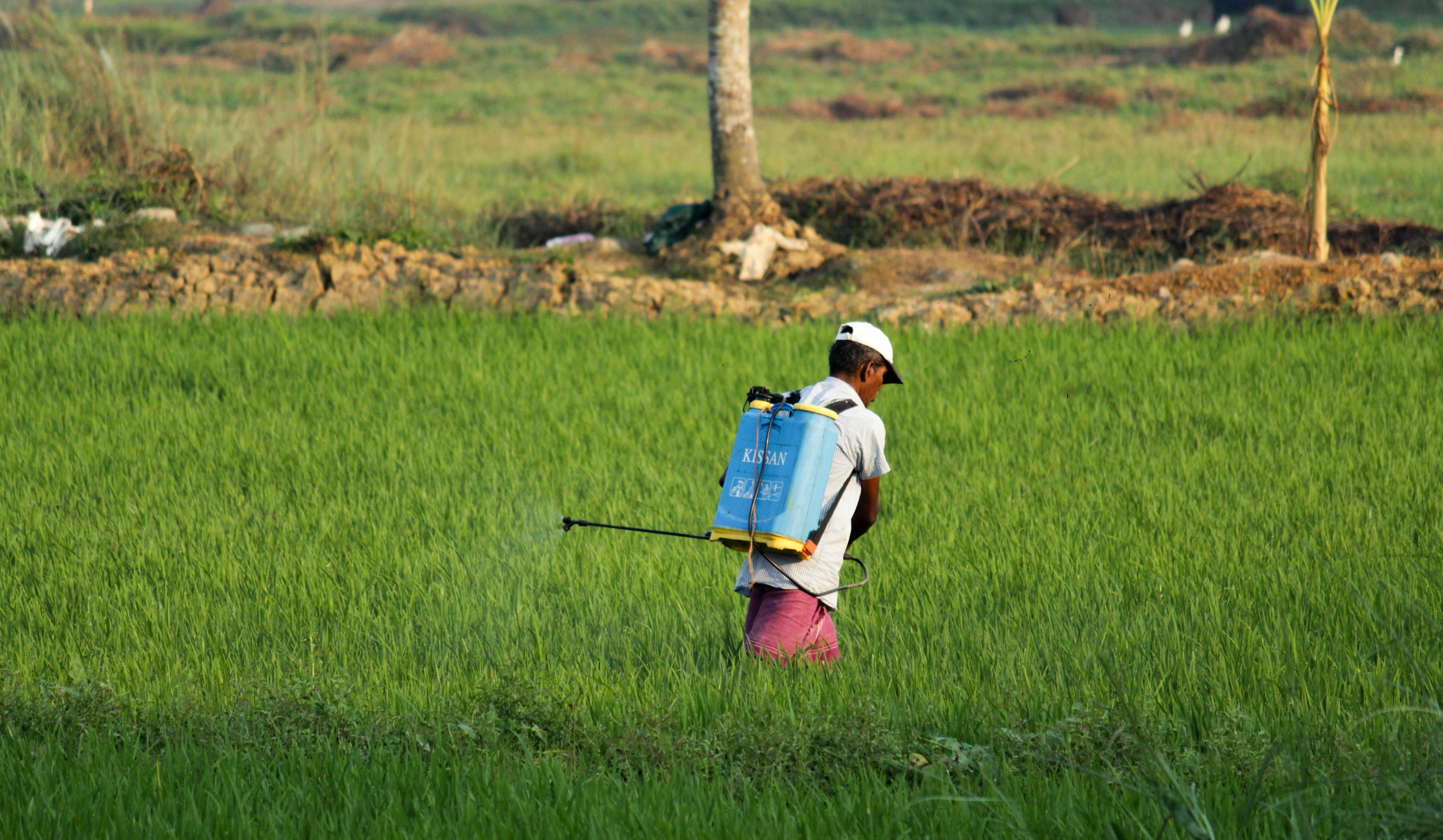
Since its arrival in sub-Saharan Africa in 2016, the Fall Armyworm has wreaked havoc on agricultural systems, with Kenya being particularly hard-hit. Its rapid reproduction, migratory capabilities, and diverse host range make it a persistent and challenging pest. Traditional reliance on synthetic chemical pesticides often proves unsustainable, leading to pest resistance, environmental degradation, and health risks for farmers and consumers.
In Kenya, the shift towards sustainable agriculture, including organic farming practices, is gaining momentum. This movement is vital not only for environmental preservation but also for ensuring long-term food security and improving farmer incomes. Data from the Kenya National Bureau of Statistics (KNBS) indicates a steady increase in organic farming adoption, driven by growing consumer demand for organic produce and greater awareness of soil fertility preservation. Sustainable agribusiness growth in the region hinges on innovative solutions to pest challenges like FAW, making IPM a cornerstone of future agricultural development.
Key Insights & Strategies: Mastering IPM for FAW Control
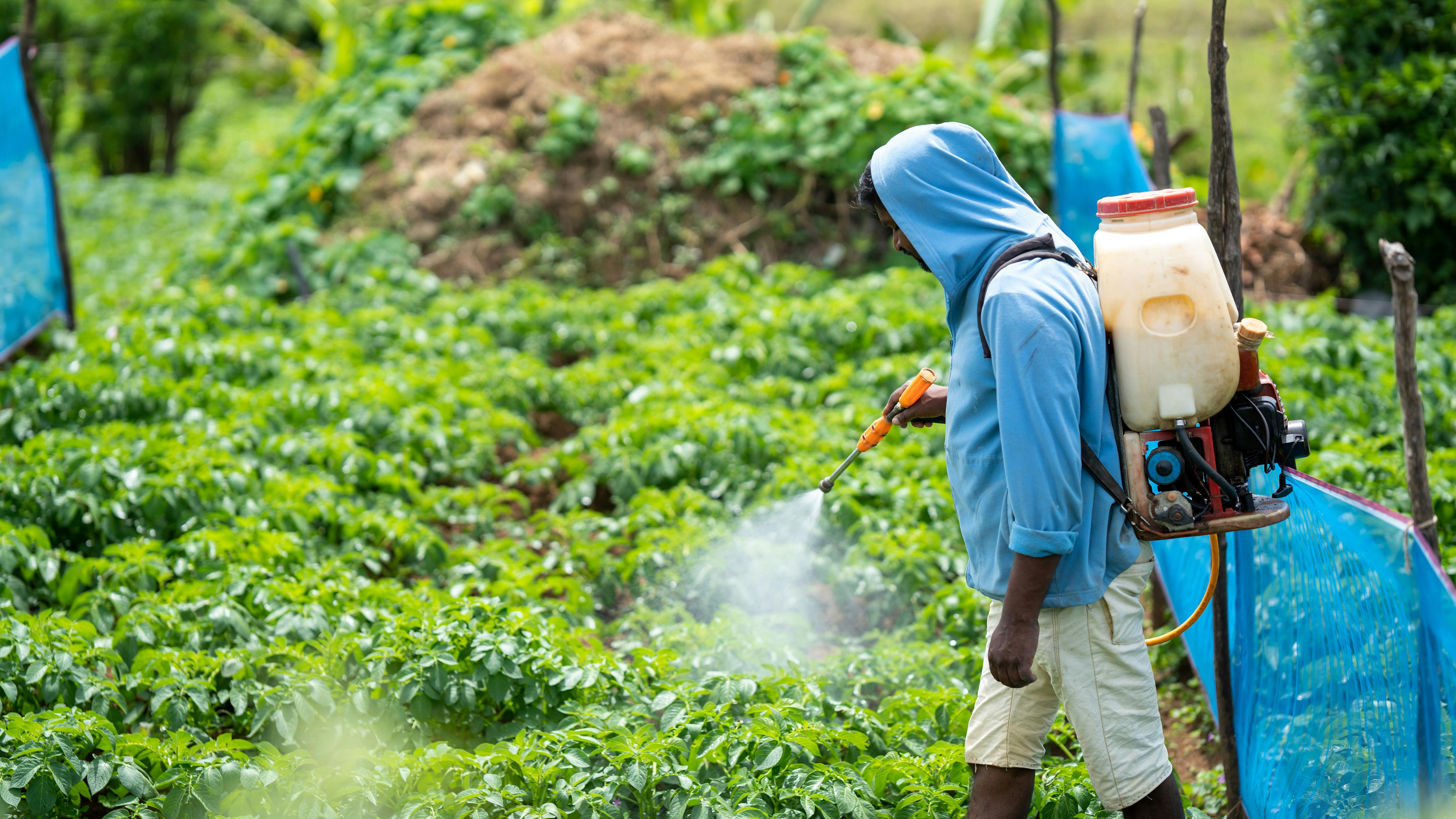
Implementing a robust Integrated Pest Management program is crucial for effective Fall Armyworm control. This approach leverages a combination of methods to reduce pest populations below economic injury levels while minimizing environmental impact.
1. Biological Control: Harnessing Nature's Defenders
Biological control involves using natural enemies—predators, parasitoids, and pathogens—to keep FAW populations in check. This is a cornerstone of sustainable pest management.
- Conserve Natural Enemies: Avoid broad-spectrum pesticides that harm beneficial insects. Provide habitat for natural predators like ladybugs, lacewings, and parasitic wasps.
- Introduce Biopesticides: Utilize biopesticides derived from naturally occurring substances or organisms. These include entomopathogenic fungi (e.g., Metarhizium anisopliae), bacteria (e.g., Bacillus thuringiensis or Bt), and plant extracts (like neem oil).
- Timing is Key: Apply biopesticides when FAW larvae are young and most vulnerable. Regular scouting helps determine optimal application times. For an effective organic solution, consider the NATRIA Neem Oil Spray for Plants Pest Organic Disease Control – available on Amazon. This organic spray helps manage various pests including armyworms.
2. Cultural Control: Smart Farming Practices
Cultural practices manipulate the growing environment to make it less favorable for FAW reproduction and survival.
- Crop Rotation: Rotate susceptible crops like maize with non-host crops such as legumes (beans, groundnuts) or root crops (sweet potatoes, cassava). This breaks the FAW life cycle and reduces pest build-up in the soil.
- Intercropping: Plant maize alongside repellent crops like desmodium or trap crops like Napier grass (the 'push-pull' strategy). Desmodium repels FAW moths ('push'), while Napier grass attracts them to lay eggs, but the larvae do not survive on it ('pull').
- Timely Planting & Harvesting: Plant early or late to avoid peak FAW migration periods, if possible, and harvest promptly to remove host material.
- Field Sanitation: Remove crop residues after harvest to eliminate overwintering sites for FAW pupae.
3. Mechanical Control: Direct Intervention
Mechanical methods involve physically removing or deterring pests.
- Hand Picking: In small fields, farmers can manually remove and destroy egg masses and young larvae.
- Ash or Sand Application: Applying fine sand or wood ash into the maize whorl can suffocate or dislodge young larvae.
- Pheromone Traps: Deploy NATRIA Armyworm Pheromone Traps – available on Amazon to monitor FAW moth populations. These traps help determine pest pressure and guide the timing of other control interventions.
4. Monitoring & Scouting: Early Warning Systems
Regular field visits are paramount for early detection and assessment of FAW infestation levels.
- Daily Field Walks: Inspect plants, especially the whorls of maize, for egg masses, larval feeding damage, or the presence of larvae.
- Use Pheromone Traps: As mentioned, these are excellent for monitoring adult moth activity, indicating when a new generation of larvae is expected.
- Record Keeping: Maintain records of scouting observations, trap catches, and control measures applied. This data helps in making informed decisions for future seasons.
For more in-depth knowledge and resources on these strategies, Explore sustainable organic farming solutions with Biofarm Kenya.
Case Studies, Examples, or Comparisons: Kenyan Farmers Leading the Way
Across Kenya, innovative farmers are successfully implementing IPM strategies to combat Fall Armyworm, proving that sustainable solutions are not only viable but also highly effective. One notable example is the 'push-pull' technology pioneered by the International Centre of Insect Physiology and Ecology (ICIPE) in collaboration with farmers in Western Kenya.
Farmers participating in this program plant desmodium between maize rows (the 'push' plant, which repels FAW moths) and Napier grass around the maize plot (the 'pull' plant, which attracts moths to lay eggs). The Napier grass, however, produces a sticky substance that traps and kills the larvae, preventing them from developing. A study published by the FAO highlights the remarkable success of push-pull, demonstrating significant reductions in FAW infestation rates and increased maize yields, often by 20-30% in affected areas. This not only controls FAW but also suppresses striga weed and improves soil fertility through nitrogen fixation by desmodium, showcasing a truly holistic approach to farming challenges.
Another success story comes from smallholder farmers in Kiambu County, who, through Farmer Field Schools supported by the Ministry of Agriculture, have adopted systematic scouting and timely application of biopesticides like Bt. By understanding the FAW life cycle and targeting young larvae, they have significantly minimized crop damage without resorting to harmful chemicals. These farmers often complement their efforts with simple mechanical methods like applying sand or ash to infested whorls, proving that a combination of methods yields the best results. These localized successes underscore the importance of tailored, community-based IPM strategies for sustainable agricultural resilience in Kenya.
Common Mistakes to Avoid in Fall Armyworm Management
While the principles of IPM are clear, common pitfalls can hinder their effectiveness. Avoiding these mistakes is crucial for successful FAW control.
- Over-reliance on Chemical Pesticides: A singular focus on synthetic chemicals leads to resistance development in FAW, making control increasingly difficult. It also eliminates beneficial insects that naturally control pests, creating a treadmill effect.
- Incorrect Identification of Pest Stages: Applying pesticides at the wrong larval stage (e.g., when larvae are too large and protected within the maize whorl) significantly reduces efficacy. Early identification of young larvae is critical.
- Neglecting Field Sanitation: Leaving crop residues in the field provides breeding grounds and overwintering sites for FAW, ensuring a continued infestation cycle. Proper residue management is often overlooked but vital.
- Lack of Monitoring: Without regular scouting and the use of monitoring tools like pheromone traps, farmers cannot accurately assess pest pressure or time their interventions effectively, leading to reactive rather than proactive management.
- Ignoring Soil Health: Poor soil fertility and structure lead to weak plants that are more susceptible to pest attacks. A common mistake is not investing in long-term soil health management, which is foundational to plant resilience.
- Failure to Diversify Crops: Continuous monoculture, especially of maize, creates an ideal environment for FAW proliferation. Not incorporating crop rotation or intercropping strategies is a missed opportunity for natural pest disruption.
Expert Tips & Best Practices for Sustainable FAW Control
To truly achieve sustainable and effective Fall Armyworm control, Kenyan farmers can integrate these expert tips into their daily practices, moving beyond basic IPM to a more refined approach.
- Invest in Quality Biopesticides: While chemical pesticides offer quick fixes, high-quality biopesticides provide a sustainable alternative. Look for products containing Bt (Bacillus thuringiensis) or neem extracts that are certified for organic use. Ensure you purchase from reputable suppliers and follow application rates diligently.
- Master Application Techniques: For biopesticides to be effective, they must reach the target. Use a Chapin 1-Gallon Pump Sprayer – available on Amazon for precise application into the maize whorl where FAW larvae reside. This minimizes waste and maximizes contact, increasing efficacy.
- Practice Water Management: Proper irrigation can indirectly support FAW management. Healthy, well-watered plants are more resilient. Conversely, water stress can make plants more attractive to pests. Implement efficient irrigation systems to ensure optimal plant health.
- Embrace Digital Tools: Utilize mobile apps and SMS services designed to provide real-time FAW alerts, identification guides, and management recommendations tailored to local conditions. Tools like the FAO's FAMEWS (Fall Armyworm Monitoring and Early Warning System) can be invaluable.
- Community Collaboration: Work with neighboring farmers to implement area-wide IPM strategies. Pests like FAW do not respect farm boundaries, so a collective approach is far more effective than individual efforts. Share knowledge and resources.
- Enhance Soil Health Continuously: Regularly test your soil to understand its nutrient profile and pH. A MySoil Soil Test Kit – available on Amazon can help you make informed decisions about amendments. Healthy soil promotes vigorous plant growth, which naturally reduces vulnerability to pests. Incorporate organic matter through composting and cover cropping to build long-term soil resilience.
By adopting these advanced tips, farmers can not only control Fall Armyworm but also build a more resilient and sustainable farming system. Remember to Explore sustainable organic farming solutions with Biofarm Kenya for ongoing support and innovative agricultural resources.
Future Trends & Predictions in Agricultural Pest Management
The fight against pests like the Fall Armyworm is constantly evolving, driven by technological advancements and a growing emphasis on sustainability. Several exciting trends are poised to reshape pest management in Kenya and beyond.
- Precision Agriculture with AI and Drones: Drones equipped with multispectral cameras can detect early signs of FAW infestation across large fields, providing precise data for targeted interventions. AI algorithms can analyze this data to predict outbreaks, optimize biopesticide application, and even identify specific larval stages, leading to more efficient and less wasteful control measures.
- Advanced Biopesticides and Biocontrol Agents: Research is continually yielding new, more potent, and highly specific biopesticides. We can expect to see novel formulations derived from bacteria, fungi, and plant extracts, alongside the development of enhanced biological control agents, including genetically improved natural enemies that are more effective against FAW.
- Gene Editing for Pest-Resistant Crops: While still in early stages for smallholder adoption, advances in gene-editing technologies like CRISPR offer the potential to develop maize varieties with inherent resistance to FAW. This could significantly reduce the need for external interventions, though regulatory and ethical considerations remain.
- Smart Trapping Systems: Future pheromone traps may incorporate IoT (Internet of Things) sensors to automatically count captured moths and transmit data in real-time to farmers' smartphones, providing instant alerts and data for predictive modeling.
- Climate-Smart Pest Management: As climate change alters pest distribution and intensity, integrated strategies will increasingly incorporate climate data. This will help farmers adapt their planting schedules, crop choices, and pest management tactics to changing environmental conditions, building greater resilience into their farming systems.
These innovations promise a future where sustainable, data-driven pest management becomes the norm, empowering Kenyan farmers with more effective and environmentally friendly tools to safeguard their harvests.
Conclusion: Cultivating Resilience Against Fall Armyworm
The battle against Fall Armyworm infestations is a critical front in Kenya's pursuit of food security and sustainable agricultural growth. As we've explored, the most robust and sustainable defense lies not in a single solution, but in the comprehensive and adaptive framework of Integrated Pest Management (IPM). By integrating biopesticides, pheromone traps, and strategic crop rotation, farmers can achieve significant reductions in pest damage—up to 60% as demonstrated by recent studies—while safeguarding their land, health, and the environment from the risks associated with chemical-only approaches.
The journey to effective FAW control is ongoing, but with a commitment to early detection, smart cultural practices, and the judicious use of biological and mechanical interventions, Kenyan farmers can transform this challenge into an opportunity for innovation and resilience. Embracing knowledge, collaborating with communities, and utilizing available tools and resources are paramount. By consistently applying these sustainable strategies, we collectively move towards a future where Kenyan farms are not only productive but also ecologically balanced and economically viable.
Discover trusted organic farming tools on Amazon and learn more about sustainable solutions with Biofarm Kenya, your partner in cultivating a greener, more prosperous agricultural landscape.
FAQs: Your Questions on Fall Armyworm Control Answered
1. What is Fall Armyworm (FAW) and why is it a threat to Kenyan agriculture?
The Fall Armyworm (Spodoptera frugiperda) is a destructive pest native to the Americas that arrived in Africa in 2016. It primarily attacks maize, but also feeds on over 80 other crop species, including sorghum, millet, and rice. In Kenya, its rapid spread, high reproductive rate, and voracious feeding habits lead to significant yield losses, threatening food security and farmers' livelihoods. Learn more about FAW from the FAO.
2. What is Integrated Pest Management (IPM) for Fall Armyworm?
IPM is a holistic approach that combines various pest control methods to manage FAW populations sustainably. It emphasizes prevention, monitoring, and the use of environmentally friendly tactics such as cultural practices (crop rotation, intercropping), biological control (biopesticides, natural enemies), and mechanical control (hand-picking, pheromone traps), resorting to chemical pesticides only as a last resort and with careful consideration. Explore IPM principles on CABI.org.
3. How effective are biopesticides like spinosad or neem oil against FAW?
Biopesticides can be highly effective against FAW, especially when applied at the correct larval stage (young larvae). Spinosad, derived from a soil bacterium, is a potent biopesticide that disrupts the FAW nervous system. Neem oil, a botanical pesticide, acts as an antifeedant, repellent, and insect growth regulator. Both are safer alternatives to synthetic chemicals and play a crucial role in reducing resistance development. Read about spinosad from the EPA.
4. Can crop rotation truly help in controlling Fall Armyworm?
Yes, crop rotation is a highly effective cultural control method. By rotating maize with non-host crops like legumes (beans, groundnuts) or root crops, you disrupt the FAW life cycle, preventing continuous breeding and population build-up in the same field. This starves out the pest and reduces the likelihood of severe infestations in subsequent seasons. Understand the benefits of crop rotation on ResearchGate.
5. Where can Kenyan farmers get training and support for IPM strategies?
Kenyan farmers can access training and support through various channels. These include government agricultural extension services, local Farmer Field Schools (FFS), NGOs, and agricultural research institutions like KARI (Kenya Agricultural and Livestock Research Organization) and ICIPE (International Centre of Insect Physiology and Ecology). Biofarm Kenya also provides resources and connections to sustainable farming solutions. Connect with Biofarm Kenya for sustainable organic farming solutions.
6. What are the long-term benefits of adopting sustainable FAW control methods?
Adopting sustainable FAW control methods offers numerous long-term benefits. These include reduced pesticide costs, improved soil health and biodiversity, minimized environmental pollution, enhanced food safety, and increased consumer confidence in produce. Furthermore, it builds farmer resilience against future pest outbreaks, fosters a healthier ecosystem, and ensures the long-term viability of agricultural lands, contributing significantly to national food security. Discover more about sustainable agriculture from UNEP.
External Authoritative Links:
- Food and Agriculture Organization of the United Nations (FAO) - Fall Armyworm
- Centre for Agriculture and Bioscience International (CABI) - Integrated Pest Management
- United States Environmental Protection Agency (EPA) - Spinosad
- ResearchGate - The role of crop rotation in sustainable agriculture
- United Nations Environment Programme (UNEP) - Sustainable Agriculture
- FAO - Integrated Pest Management for Fall Armyworm in Africa
Internal Biofarm Kenya Links:
- Explore sustainable organic farming solutions with Biofarm Kenya
- Biofarm Kenya: Enhancing Soil Fertility for Better Yields
- Biofarm Kenya: Organic Biopesticide Solutions
- Biofarm Kenya: The Benefits of Crop Rotation
- Biofarm Kenya: Farmer Training Programs
- Contact Biofarm Kenya for Expert Agricultural Advice



0 Comments