

Estimated Reading Time: 11 minutes
TL;DR: Profitable Organic Farming in Kenya
Transitioning to organic farming in Kenya offers significant benefits, boosting farm profits by up to 25% through reduced input costs and improved soil health. Key strategies include building nutrient-rich compost with local residues, applying biochar to enhance water retention, and utilizing green manures like Desmodium for natural nitrogen fixation. Early investments in soil health can lead to yield parity with conventional methods within two seasons. Avoiding common mistakes like inconsistent soil testing and improper compost management is crucial. Embrace sustainable practices to secure long-term profitability and environmental resilience for your farm.
Key Takeaways:
Table of Contents
Introduction
The agricultural landscape in Kenya is at a crossroads. For too long, farmers have grappled with the ever-increasing costs of chemical fertilizers and the visible degradation of their precious soil. These challenges have compelled a significant shift, with many looking towards more sustainable and economically viable alternatives. The good news is that rising costs and soil degradation from chemical fertilizers have shifted farmer focus to organic alternatives. This guide offers a comprehensive pathway to help Kenyan farmers transition to profitable organic farming, emphasizing sustainable practices that boost both soil health and your bottom line.Our focus is squarely on empowering farmers with practical, locally-sourced solutions. By embracing methods such as building nutrient-rich compost, applying biochar, and cultivating green manures, you can revitalize your land, significantly cut input costs, and ultimately achieve higher profits. We'll delve into proven techniques and highlight real-world benefits, drawing on research and local examples to illustrate the immense potential of this agricultural transformation.
Background & Context
Kenya's agricultural sector, the backbone of its economy, faces mounting pressure. Soil degradation, driven by intensive conventional farming practices and over-reliance on synthetic inputs, threatens long-term food security and farmer livelihoods. Simultaneously, global market volatility and increasing fertilizer prices squeeze profit margins, making traditional farming methods less sustainable. These factors underscore the urgent need for a paradigm shift towards organic agriculture.
The transition to organic farming is not merely an environmental choice; it's a strategic business decision. Studies, including those highlighted in research on organic and conventional farming systems in Kenya, indicate that while initial yields might vary, organic systems can achieve profitability comparable to or even exceeding conventional methods in the medium to long term, particularly after the initial conversion phase. This is primarily due to reduced input costs and the potential for premium pricing for organic produce. The Food and Agriculture Organization (FAO) notes that formal organic agriculture in Kenya dates back to the early 1980s, promoted by NGOs to address declining productivity, poverty, and food insecurity, proving its long-standing relevance and potential.
Key Insights or Strategies for a Profitable Transition
Successfully transitioning to organic farming requires a holistic approach, focusing on building resilient soil ecosystems and minimizing external inputs. Our guide trains farmers to transition using locally-sourced compost, biochar, and green manures. These key steps are not only environmentally sound but also economically beneficial, leading to healthier crops and significant cost savings.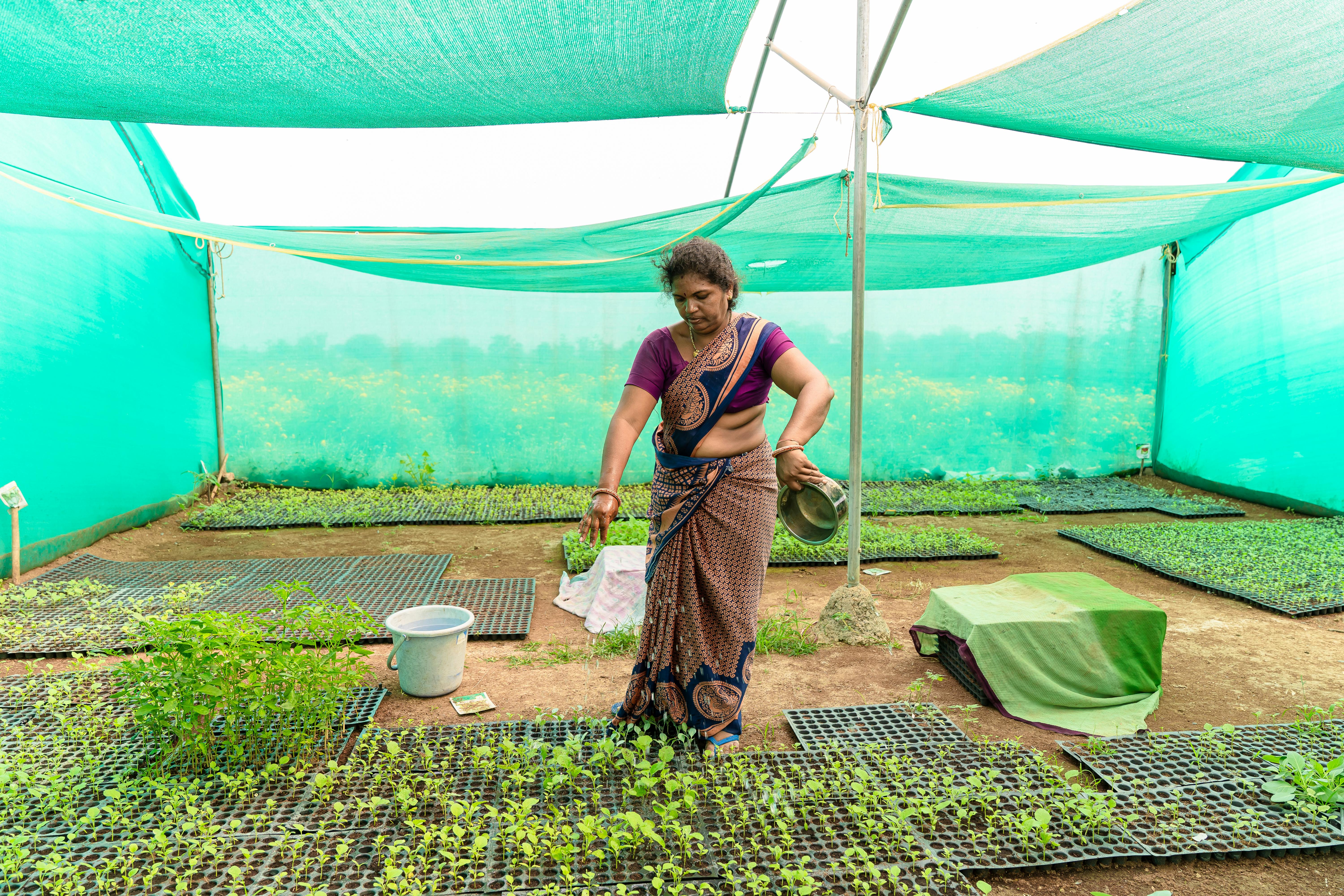
1. Building Nutrient-Rich Compost Piles
Composting is the cornerstone of organic farming, transforming farm waste into black gold. It's about recycling nutrients and building soil structure.- Gather Materials: Collect diverse organic matter like crop residues (maize stalks, bean husks), animal manure (cow, chicken, goat), kitchen scraps, and leaves. A mix of 'greens' (nitrogen-rich, like fresh manure) and 'browns' (carbon-rich, like dry leaves) is essential.
- Layering Technique: Build your compost pile in layers. Start with a coarse layer for aeration, then alternate layers of greens and browns. Keep the pile moist, like a wrung-out sponge.
- Regular Turning: Turn the pile regularly (every 1-2 weeks initially) to introduce oxygen, which speeds up decomposition and ensures even breakdown.
- Local Impact: Research from Jomo Kenyatta University shows 30% yield parity with chemicals after 2 seasons when farmers effectively use nutrient-rich compost. This highlights the rapid and tangible benefits of good composting practices.
For farmers seeking an efficient way to manage their organic waste and produce valuable compost, understanding your soil's current state is vital. Boost your yields with thePawfly 4 in 1 Soil Test Kit for pH, Nitrogen, Phosphorus & Potassium – available on Amazon. This tool helps you tailor your compost and amendments more effectively.
2. Harnessing the Power of Biochar
Biochar, a charcoal-like material produced from biomass pyrolysis, is a game-changer for soil health, particularly in arid and semi-arid regions of Kenya.- Source Sustainable Biochar: Seek biochar made from agricultural waste or sustainably harvested wood. Quality matters for soil benefit.
- Proper Application: Apply biochar at rates of 5-10 tons/ha to boost water retention. It's best mixed into the topsoil before planting, allowing it to integrate well with existing soil particles.
- Long-term Benefits: Biochar dramatically improves soil structure, enhances nutrient retention, and provides a habitat for beneficial soil microbes, making your soil more resilient to drought and nutrient leaching.
- Research Backing: Studies in Kenya confirm that biochar application significantly revitalizes degraded soils, improving water retention and overall soil fertility on smallholder farms.
3. Cultivating Green Manures for Natural Nitrogen Fixation
Green manures are crops grown specifically to be incorporated into the soil, enriching it with organic matter and essential nutrients.- Choose Legumes: Plant legumes like Desmodium, Crotalaria, or Sunn Hemp. These crops have a symbiotic relationship with soil bacteria that fix atmospheric nitrogen, converting it into a form plants can use.
- Timing is Key: Sow green manures during fallow periods or as intercrops. Incorporate them into the soil just before they flower for maximum biomass and nutrient content.
- Natural Nitrogen Boost: Planting legumes like Desmodium to fix nitrogen naturally eliminates the need for synthetic nitrogen fertilizers, a major cost saving for farmers.
- Enhanced Soil Structure: The deep root systems of many green manures also help break up compacted soil, improving drainage and aeration.
4. Understanding Your Soil: The Foundation of Organic Success
Before making any significant changes, knowing your soil's current condition is paramount. Soil testing helps you understand nutrient levels, pH, and organic matter content. This knowledge guides your decisions on compost application, biochar rates, and the selection of appropriate green manures. Regular testing allows for precise adjustments, preventing over-application of inputs and ensuring your efforts are targeted and effective.To truly thrive, farmers need to equip themselves with the best tools and knowledge. Explore sustainable organic farming solutions with Biofarm Kenya for resources and support tailored to the Kenyan context.
Case Studies, Examples, or Comparisons
The success of organic farming is not just theoretical; it's being demonstrated by dedicated farmers across Kenya. Take, for instance, the remarkable findings from a 2024 study in the Tana River Basin, which found farms using this mix (compost, biochar, green manures) saw 25% higher profits due to input cost savings. This regional success story is a testament to the economic viability of organic practices.In Western Kenya, smallholder farmers adopting integrated organic practices, often supported by local NGOs and research from institutions like JKUAT, have seen significant improvements. By incorporating improved fallows with leguminous trees and shrubs, they have managed to restore soil fertility, increase maize yields, and reduce reliance on expensive mineral fertilizers. These initiatives often focus on local knowledge combined with scientific recommendations, creating sustainable systems tailored to specific ecological zones.
Another compelling example comes from farmers who have embraced small-scale greenhouse farming combined with organic principles. By using locally made compost and incorporating efficient water management systems like drip irrigation, they achieve higher yields in controlled environments, extending growing seasons and ensuring consistent supply to local markets. These farmers often report healthier produce and reduced pest pressure, further cutting down on input costs. The FAO has consistently highlighted how organic agriculture is well-suited to small-scale farming in developing countries like Kenya, increasing yields and incomes, particularly benefiting women farmers.
Common Mistakes to Avoid in Organic Farming
Transitioning to organic farming can be incredibly rewarding, but it’s not without its pitfalls. Avoiding these common mistakes can save you time, effort, and money, ensuring a smoother and more profitable journey.- Neglecting Soil Testing: Jumping into organic practices without understanding your soil's baseline condition (pH, nutrient levels) is like driving blind. This can lead to improper application of compost or biochar, wasting valuable resources and delaying results. Regular soil testing is crucial for informed decision-making.
- Inconsistent Composting Practices: haphazardly building compost piles, without proper layering or turning, leads to slow decomposition, nutrient imbalances, and potentially anaerobic conditions that produce undesirable odors and pathogens. Consistency in moisture, aeration, and material balance is vital.
- Over-reliance on a Single Organic Input: While compost, biochar, and green manures are powerful, relying solely on one while neglecting others can lead to imbalanced soil nutrition. A diverse approach, integrating all these methods, creates a truly resilient and fertile soil ecosystem.
- Ignoring Crop Rotation and Diversity: Monocropping, even organically, depletes specific soil nutrients and increases pest and disease pressure. Implementing diverse crop rotations and intercropping naturally breaks pest cycles, improves nutrient cycling, and enhances biodiversity.
- Inadequate Pest and Disease Management: Simply stopping chemical use without implementing organic pest management strategies (e.g., beneficial insects, companion planting, neem extracts) can lead to crop losses. A proactive, integrated pest management approach is essential.
- Insufficient Water Management: Organic soils often have better water retention, but inefficient irrigation can still lead to water waste or plant stress. Ensure you have effective water delivery systems, especially in drier regions.
Expert Tips or Best Practices for Sustainable Profitability
Maximizing your profits in organic farming hinges on adopting best practices that prioritize soil health, resource efficiency, and market readiness. These expert tips are tailored to help Kenyan farmers excel.- Start Small and Scale Up: Don't convert your entire farm at once. Begin with a manageable section to learn and refine your organic practices before expanding. This minimizes risk and allows for continuous learning.
- Prioritize On-Farm Resource Cycling: Maximize the use of materials already on your farm – crop residues, animal waste, weeds. This drastically reduces the need for external inputs and builds self-sufficiency.
- Invest in Water Efficiency: In Kenya’s varied climates, efficient water use is critical. Consider implementing drip irrigation systems, especially for high-value crops, to conserve water and deliver it directly to plant roots. Maintain healthy soil with MIXC Quick-Connect Drip Irrigation System Kit , an excellent choice for targeted watering.
- Continuous Learning and Adaptation: Attend local agricultural workshops, join farmer cooperatives, and stay updated on new organic techniques. What works in one area might need slight adjustments in another.
- Explore Value Addition: Consider processing your organic produce (e.g., drying fruits, making jams, producing organic flour). Value addition can significantly increase your profit margins and open new market opportunities.
- Seek Certification or Participatory Guarantee Systems (PGS): For premium market access, consider organic certification or joining a local PGS. This assures consumers of your organic integrity and often commands better prices.
For high-quality soil amendments that complement your organic efforts, consider products likeWallace Organic Wonder, Soluble Humic & Fulvic Acid Powder – available on Amazon. These can significantly enhance nutrient uptake and overall plant vigor.
To deepen your understanding and access specialized organic solutions, explore sustainable organic farming solutions with Biofarm Kenya and connect with a community dedicated to agricultural excellence.
Future Trends or Predictions in Organic Agriculture
The future of organic farming in Kenya is dynamic and full of exciting possibilities, driven by technological advancements and a growing demand for sustainable food systems. Farmers who embrace these emerging trends will be well-positioned for long-term success.- Smart Irrigation and Sensor Technology: Expect wider adoption of smart irrigation systems that use soil moisture sensors and weather data to optimize water delivery, minimizing waste and maximizing efficiency. This is particularly crucial in regions facing water scarcity.
- Precision Organic Farming: While typically associated with conventional farming, precision agriculture principles are adapting to organic. This involves using drones for monitoring crop health, targeted application of organic pest controls, and data analytics to inform decision-making, ensuring resources are used optimally.
- Vertical and Urban Organic Farms: As urbanization continues, vertical farming and urban agriculture initiatives will grow, providing fresh, locally-sourced organic produce to city dwellers. These methods often integrate hydroponics or aeroponics with organic nutrient solutions, offering high yields in compact spaces.
- Advanced Bio-inputs: Research into new bio-fertilizers (e.g., enhanced microbial inoculants), bio-pesticides, and biostimulants will continue to expand, offering organic farmers more sophisticated and effective tools for crop protection and nutrition.
- AI-Driven Crop Monitoring: Artificial intelligence and machine learning will increasingly assist farmers in identifying plant diseases, predicting yields, and optimizing planting schedules, making organic farming more data-driven and efficient.
- Carbon Sequestration Payments: As the global focus on climate change intensifies, organic farmers, with their carbon-friendly practices, may increasingly benefit from carbon credits or payments for sequestering carbon in their soils, adding another revenue stream.
Conclusion
The journey to profitable organic farming in Kenya is a strategic and rewarding one. By embracing the foundational principles of soil health through compost, biochar, and green manures, farmers can significantly reduce their reliance on costly chemical inputs, mitigate environmental degradation, and ultimately achieve greater financial returns. The evidence, from local studies in the Tana River Basin to the ongoing research at Jomo Kenyatta University, clearly demonstrates that a well-planned organic transition leads to sustainable profitability and more resilient farming systems.The path forward involves continuous learning, adaptation, and a commitment to nurturing the land. By avoiding common mistakes and adopting expert best practices, Kenyan farmers can confidently step into a future where their farms are not only productive and profitable but also contribute positively to the environment and the well-being of their communities.
Discover trusted organic farming tools and resources on Amazon and learn more about sustainable solutions with Biofarm Kenya .
FAQs About Organic Farming in Kenya
Q1: How quickly can I expect to see profits after transitioning to organic farming in Kenya?
While the initial transition period (typically 2-3 years) may require adjustments and potentially slight yield dips, profitability can emerge relatively quickly. Research from Jomo Kenyatta University indicates that yield parity with conventional farming can be achieved within two seasons with effective organic practices like composting. A 2024 study in the Tana River Basin even found 25% higher profits due to input cost savings on farms using integrated organic methods. The long-term benefits of reduced input costs and potential for premium prices for organic produce generally lead to sustained higher profitability. For more detailed insights, refer to studies on organic farming profitability in Kenya.
Q2: What are the best local materials for making compost in Kenya?
Kenya offers a wealth of readily available materials for nutrient-rich compost. Excellent 'greens' (nitrogen sources) include fresh animal manure (cow, goat, chicken), fresh green weeds, and kitchen scraps. For 'browns' (carbon sources), you can use dry crop residues (maize stalks, bean husks), dry leaves, straw, and wood ash. The key is to have a good mix and maintain proper moisture and aeration for effective decomposition. The FAO provides excellent resources on enriched compost for higher yields.
Q3: Is biochar effective in improving water retention in Kenyan soils, especially in dry areas?
Absolutely. Biochar is highly effective in improving soil water retention, which is crucial for Kenyan farms, particularly in arid and semi-arid regions. Its porous structure acts like a sponge, holding water and nutrients, and releasing them slowly to plants. Studies conducted on smallholder farms in Kenya have consistently shown that biochar application significantly enhances soil fertility and soil water retention. For more scientific evidence, you can explore research on biochar's effects on soil in Kenya.
Q4: Which green manure crops are most recommended for nitrogen fixation in Kenya?
Several leguminous green manure crops are highly effective for nitrogen fixation in Kenyan farming systems. Desmodium is particularly noteworthy and widely recommended. Other excellent choices include Crotalaria, Sunn Hemp, Mucuna (Velvet Bean), and various types of local beans or cowpeas grown specifically for green manure. These crops enrich the soil with nitrogen, improve organic matter, and suppress weeds. Learn more about the role of green manure cover crops in Western Kenya.
Q5: What support is available for Kenyan farmers looking to transition to organic farming?
A growing network of organizations, research institutions, and government initiatives support organic farming in Kenya. The Kenya Organic Agriculture Network (KOAN) is a key national body. Institutions like Jomo Kenyatta University of Agriculture and Technology (JKUAT) offer training and conduct research. While Kenya does not yet have an official stand-alone organic agriculture policy, the Ministry of Agriculture recognizes the importance of sustainable practices. Additionally, organizations like Biofarm Kenya provide resources, training, and a platform for farmers to connect and access sustainable solutions. FAO's insights on sustaining momentum for organic farming in Kenya offer further context.
Q6: How can I effectively manage pests and diseases organically without using synthetic chemicals?
Effective organic pest and disease management relies on an integrated approach. This includes promoting biodiversity (attracting beneficial insects), using resistant crop varieties, implementing proper crop rotation, practicing good field sanitation, and employing biological controls (e.g., neem oil, insecticidal soaps). Companion planting, where certain plants deter pests or attract beneficials, is also highly effective. Understanding local pest cycles and encouraging natural predators are fundamental. Biofarm Kenya offers valuable guidance on sustainable pest and disease management strategies.



0 Comments