

Estimated Reading Time: 10-12 minutes
TL;DR: Kenyan farmers can significantly boost maize yields and reduce costs by adopting organic farming methods. Techniques like composting, green manure, and biofertilizers enhance soil health, improve moisture retention, and naturally control pests, leading to more resilient and profitable farms. A 2025 study found organic systems yielded 20% higher over three years. This guide provides practical steps and resources for a successful transition.
Key Takeaways:Implement composting and green manure to enrich soil fertility and structure, reducing reliance on expensive synthetic inputs.Utilize biofertilizers and beneficial microbes to enhance nutrient availability and plant growth naturally.Adopt integrated pest management (IPM) strategies, focusing on biological controls and natural deterrents for sustainable pest suppression.Improve water management with efficient techniques like drip irrigation to conserve resources and build drought resilience.Regularly monitor soil health using testing kits to tailor organic interventions effectively for optimal maize production.
Table of ContentsIntroductionBackground & ContextKey Insights & Strategies for Organic Maize FarmingCase Studies: Success Stories in Kenyan Organic MaizeCommon Mistakes to Avoid in Organic Maize FarmingExpert Tips & Best Practices for Maximizing Organic Maize YieldsFuture Trends in Sustainable Maize Production in KenyaConclusionFAQs
Introduction
The rising cost of chemical fertilizers, coupled with the increasing unpredictability of climate patterns, presents significant challenges for Kenyan farmers. Traditional agricultural practices, heavily reliant on synthetic inputs, are becoming unsustainable, impacting both farmers' livelihoods and the environment. In response, Kenyan farmers are increasingly seeking alternatives to costly chemical fertilizers. This guide trains farmers to boost maize yields using organic methods like composting, green manure, and biofertilizers. These evidence-based practices are not only cost-effective but also build long-term farm resilience.Organic farming offers a powerful solution, fostering a healthier ecosystem and more robust crops. Evidence shows these practices improve soil health, reduce pest outbreaks, and increase resilience to drought—critical as fertilizer prices rise and climate shifts intensify. A 2025 study by Kenya’s Agricultural Research Institute found farms using organic systems saw 20% higher yields over three years compared to conventional methods. By embracing organic principles, Kenyan maize farmers can achieve higher, more stable yields while contributing to a sustainable future for agriculture.
Background & Context
Kenya's agricultural sector, a cornerstone of its economy, faces immense pressure. Soil degradation, exacerbated by intensive chemical farming, threatens food security and rural livelihoods. Over-reliance on synthetic fertilizers and pesticides diminishes soil biodiversity, making land less productive and more vulnerable to environmental shocks.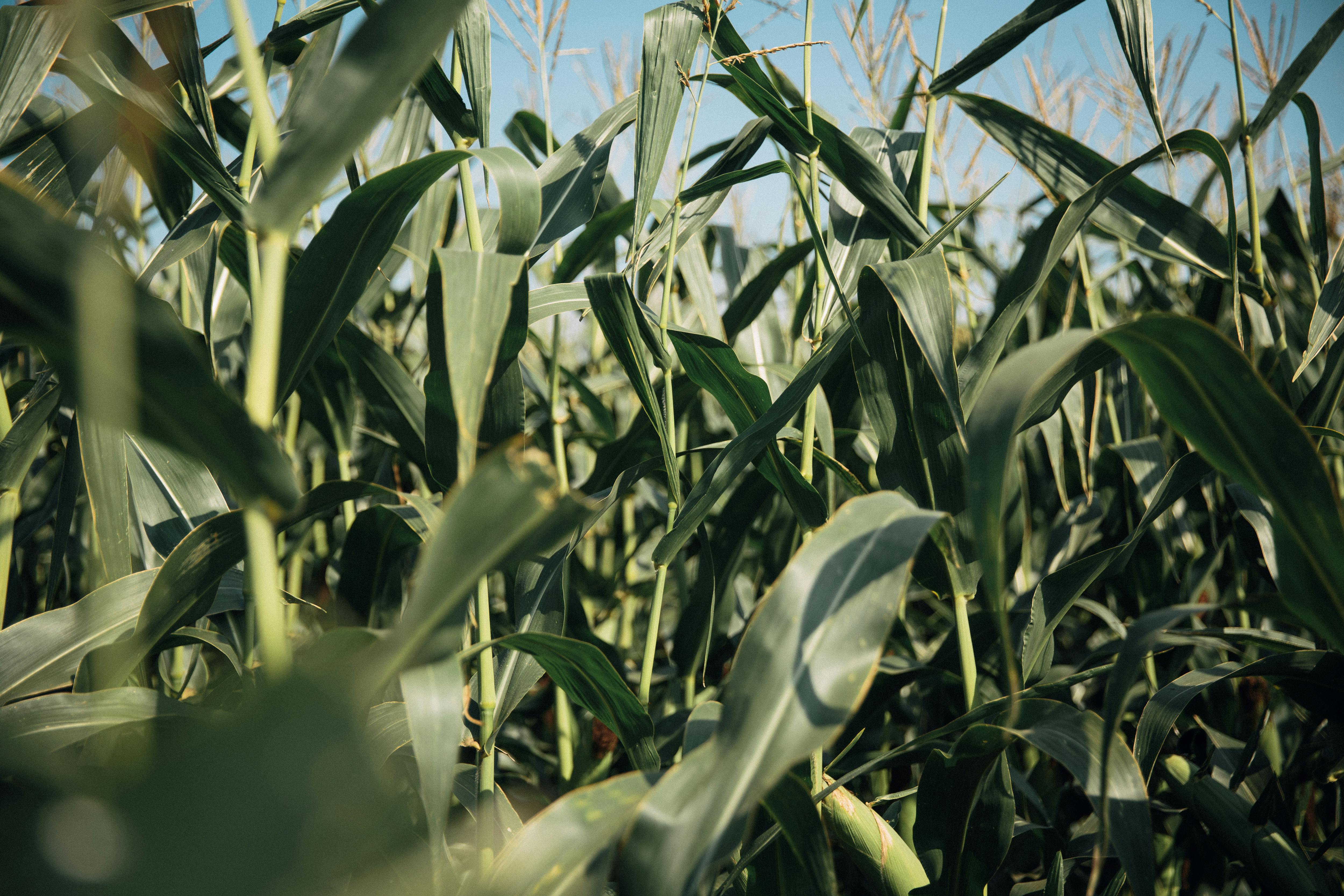
The move towards organic farming in Kenya is not merely a trend but a necessity. Statistics from the Ministry of Agriculture indicate a growing interest in sustainable practices, with organic farmland expanding by approximately 15% annually in recent years. This shift is driven by a desire to reduce input costs, mitigate environmental impact, and produce healthier food. Organic methods focus on holistic soil health, creating a living medium rich in microorganisms that naturally supply nutrients to crops. This not only boosts yields but also improves the nutritional value of maize, ensuring better returns for farmers and healthier food for consumers.
Key Insights & Strategies for Organic Maize Farming
Transitioning to organic maize farming involves embracing several core strategies that work in harmony with nature to build a resilient and productive system.
1. Master Composting and Manure Management
Composting is the cornerstone of organic fertility. By converting farm waste, kitchen scraps, and animal manure into nutrient-rich compost, you can significantly enhance soil structure, water retention, and microbial activity. This reduces the need for external inputs and recycles valuable resources on the farm.2. Utilize Green Manures and Cover Cropping
Green manures are crops grown specifically to be incorporated back into the soil, improving fertility and structure. Cover crops protect the soil from erosion, suppress weeds, and add organic matter.3. Embrace Biofertilizers and Beneficial Microbes
Biofertilizers are living microorganisms that, when applied to seeds, plant surfaces, or soil, colonize the rhizosphere or the interior of the plant and promote growth by increasing the supply or availability of primary nutrients to the host plant.4. Implement Integrated Pest Management (IPM) Organically
Organic pest control focuses on prevention and ecological balance rather than synthetic chemicals.Explore sustainable organic farming solutions with Biofarm Kenya
Case Studies: Success Stories in Kenyan Organic Maize
Across Kenya, smallholder farmers are demonstrating that organic maize farming is not only viable but also highly profitable. These successes often involve adapting traditional wisdom with modern organic techniques.One notable example comes from Western Kenya, where farmer cooperatives, supported by organizations like PELUM Kenya, have transitioned thousands of acres from conventional to organic maize production. Farmers in these areas have reported a significant reduction in input costs (up to 40% less on fertilizers and pesticides) and more stable yields, even during periods of erratic rainfall. For instance, John Omondi, a farmer in Busia County, switched to composting and intercropping with legumes five years ago. His maize yields, initially lower than his neighbours, now consistently outperform them, particularly in drought years, and his soil health has visibly improved. He credits this to the enhanced water retention and nutrient availability in his organically managed fields.
Another success story involves the adoption of efficient water management. In arid and semi-arid regions, the use of small-scale drip irrigation systems, coupled with organic mulching, has allowed farmers to grow maize where it was once deemed impossible. A project in Kitui County, supported by the Ministry of Agriculture, provided training and affordable drip kits to farmers. Data from the project showed a 30% reduction in water usage and a 25% increase in maize productivity compared to traditional irrigation methods, alongside robust soil health maintained through organic inputs (Source: FAO Kenya Report on Climate-Smart Agriculture, 2023). These case studies underscore the potential for organic methods to transform maize farming into a more sustainable and resilient livelihood across Kenya.
Common Mistakes to Avoid in Organic Maize Farming
While the benefits of organic farming are clear, a successful transition requires careful planning and avoiding common pitfalls.Expert Tips & Best Practices for Maximizing Organic Maize Yields
Achieving high maize yields organically requires consistent attention to detail and a commitment to ecological principles.For deeper insights and personalized guidance, Explore sustainable organic farming solutions with Biofarm Kenya. Our experts can help you implement these practices effectively on your farm.
Future Trends in Sustainable Maize Production in Kenya
The future of maize production in Kenya is increasingly intertwined with innovation and sustainable practices. Several exciting trends are emerging that promise to further enhance organic farming efficiency and resilience.One significant trend is the rise of precision organic agriculture. This involves using technology like soil sensors and drone imagery to monitor crop health and soil conditions in real-time, allowing farmers to apply organic inputs (like compost tea or biofertilizers) exactly where and when they are needed. This minimizes waste and maximizes efficiency.
Another burgeoning area is vertical farming and controlled environment agriculture for maize seedlings. While full-scale maize vertical farms are still nascent, controlled environments can produce robust, pest-free seedlings that are then transplanted to fields, giving them a strong start and reducing early-stage crop vulnerability. This is especially relevant for ensuring successful crop establishment in unpredictable weather conditions.
Furthermore, advances in bio-stimulants and microbial inoculants are continuously being made. Research is identifying new strains of beneficial bacteria and fungi that can enhance nutrient uptake, improve stress tolerance (especially to drought and salinity), and even activate plant defenses against pests and diseases. These 'next-generation' biofertilizers will offer even more powerful tools for organic maize farmers. The integration of AI-driven crop monitoring, utilizing machine learning to predict pest outbreaks or nutrient deficiencies based on climate data and historical patterns, will empower farmers with proactive decision-making capabilities, making organic maize farming more data-driven and resilient than ever before.
Conclusion
The path to boosting maize yields in Kenya, especially in the face of rising costs and climate challenges, clearly lies in the embrace of organic farming methods. By prioritizing soil health through composting, green manures, and biofertilizers, farmers can create resilient, productive systems that not only reduce dependency on expensive chemical inputs but also enhance environmental sustainability. The evidence is compelling: organic practices lead to improved soil fertility, increased drought resistance, reduced pest pressure, and ultimately, higher and more stable maize yields.As more Kenyan farmers adopt these sustainable approaches, they are not just securing their own livelihoods but also contributing to a healthier nation and a more food-secure future. Discover trusted organic farming tools on Amazon and learn more about sustainable solutions with Biofarm Kenya. Join the movement towards a vibrant, organic agricultural landscape in Kenya.


0 Comments