

Estimated Reading Time: 12 minutes
TL;DR:
- Legume-maize rotation is a proven strategy for Kenyan farmers to significantly boost maize yields (up to 30%) and increase farm profitability.
- This sustainable practice enhances soil fertility through natural nitrogen fixation, reducing reliance on expensive synthetic fertilizers.
- Optimal 2:1 spacing patterns and strategic crop choices maximize land use and nutrient cycling, improving overall farm efficiency.
- Rotation actively suppresses pests and diseases by disrupting their life cycles, leading to healthier crops and reduced losses.
- Adopting these techniques helps combat soil degradation and moves away from less sustainable monocropping practices prevalent among smallholders.
Key Takeaways:
- Implement a legume-maize rotation plan to naturally enrich your soil with nitrogen and improve its structure.
- Experiment with 2:1 crop spacing for legumes and maize to optimize resource utilization and maximize yield per acre.
- Select appropriate legume varieties that thrive in your local conditions and complement maize growth.
- Monitor your soil health regularly using a soil testing kit to make informed decisions on nutrient management.
- Embrace integrated pest management strategies that leverage the disease-suppressing benefits of crop rotation.
Table of Contents
- Introduction: Sowing Seeds of Prosperity
- Background & Context: The Urgency for Sustainable Farming in Kenya
- Key Insights & Strategies for Successful Legume-Maize Rotation
- Harnessing Nitrogen Fixation for Healthier Soil
- Implementing Optimal 2:1 Crop Spacing Patterns
- Breaking Pest Cycles: The Disease Suppression Benefit
- Case Studies: Kenyan Farmers Thriving with Rotation
- Common Mistakes to Avoid in Legume-Maize Systems
- Expert Tips & Best Practices for Maximizing Your Returns
- Future Trends in Sustainable Kenyan Agriculture
- Conclusion: Cultivating a Prosperous Future
- FAQs: Your Legume-Maize Rotation Questions Answered
Introduction: Sowing Seeds of Prosperity
In Kenya's vibrant agricultural landscape, the pursuit of higher yields and greater profits often clashes with the critical need for sustainable farming practices. Kenyan farmers are increasingly seeking sustainable practices to combat soil depletion and boost profits. The challenge is significant: how can we feed a growing nation while preserving the very land that sustains us? This question lies at the heart of modern agriculture in East Africa. For too long, conventional methods, particularly monocropping maize, have inadvertently contributed to diminishing soil health, increased pest burdens, and ultimately, reduced farmer incomes.This guide trains farmers on evidence-based legume-maize rotation techniques, offering a beacon of hope for a more resilient and profitable future. We delve deep into understanding how this ancient yet scientifically validated practice can revolutionize your farm. We'll explore: 1) How nitrogen fixation improves soil fertility (ICRISAT 2024 trials show +30% maize yield), a critical factor for long-term productivity; 2) Optimal 2:1 crop spacing patterns that maximize land use efficiency, ensuring every inch of your farm works harder for you; and 3) Disease suppression benefits from breaking pest cycles, leading to healthier crops and reduced reliance on costly chemical interventions. Key source data reveals 78% of smallholders still monocrop maize, missing these significant gains and highlighting the urgent need for a shift in agricultural practices. By embracing legume-maize rotation, you're not just planting crops; you're investing in the long-term health of your soil, your farm, and your community.Background & Context: The Urgency for Sustainable Farming in Kenya
Kenya's agricultural sector is the backbone of its economy, employing over 70% of the rural workforce and contributing significantly to the national GDP. However, this vital sector faces immense pressure from climate change, soil degradation, and a rapidly increasing population. The reliance on maize as a staple food has led to widespread monocropping, where the same crop is grown year after year on the same land. While seemingly straightforward, this practice depletes essential soil nutrients, particularly nitrogen, and creates a conducive environment for specific pests and diseases to thrive.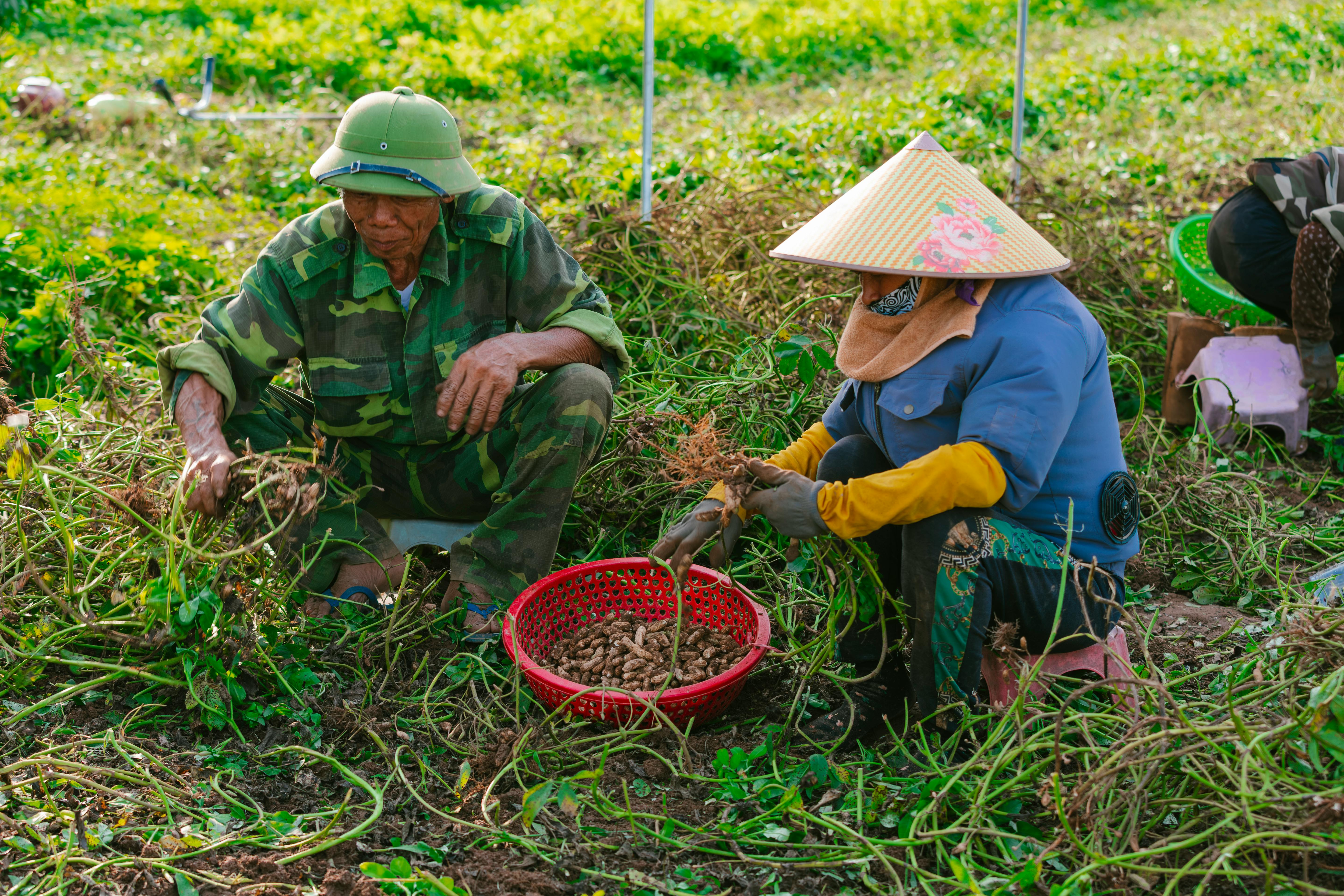 The consequences are stark: declining yields, increased input costs for synthetic fertilizers and pesticides, and ultimately, reduced farmer profitability. Organic farming and sustainable agriculture are not merely buzzwords; they represent a fundamental paradigm shift towards ecological balance and long-term productivity. In East Africa, there's a growing movement towards regenerative agriculture, focusing on rejuvenating soil fertility and building resilience against climate shocks. Studies show that sustainable practices like conservation agriculture and agroforestry can significantly enhance soil health and crop yields in Kenya, contributing to climate change mitigation by sequestering carbon. The urgent need to move away from unsustainable practices and embrace more holistic farming systems is paramount for the food security and economic well-being of Kenyan smallholder farmers.
Key Insights & Strategies for Successful Legume-Maize Rotation
Legume-maize rotation is a powerful, nature-based solution that revitalizes soil, boosts yields, and enhances farm resilience. By strategically alternating these crops, farmers can unlock a cascade of benefits that directly impact their bottom line and the health of their land.
Harnessing Nitrogen Fixation for Healthier Soil
Legumes, such as beans, groundnuts, cowpeas, and soybeans, possess a remarkable ability: they form a symbiotic relationship with beneficial soil bacteria called Rhizobia. These bacteria reside in nodules on the legume roots and convert atmospheric nitrogen into a form usable by plants – a process known as nitrogen fixation. This natural fertilization reduces the need for costly synthetic nitrogen fertilizers for subsequent maize crops. Research by ICRISAT and other agricultural bodies consistently demonstrates that maize yields following legumes can increase by 30% or more compared to continuous maize monoculture.- Choose the Right Legume: Select legume varieties well-suited to your local climate and soil conditions. Consider factors like maturity period, drought tolerance, and market demand for the legume itself.
- Inoculate Seeds: To maximize nitrogen fixation, consider using a high-quality seed inoculant containing the appropriate Rhizobia strains. This ensures a strong symbiotic relationship and optimal nitrogen transfer. For farmers looking to boost nitrogen fixation in their legume crops, the Park Seed Nature's Aid Garden Soil Inoculant – available on Amazon can provide beneficial bacteria for stronger plant growth.
- Incorporate Residue: After harvesting legumes, incorporate the plant residue (especially roots and stems) back into the soil. This organic matter further enriches the soil with nutrients and improves its structure.
Implementing Optimal 2:1 Crop Spacing Patterns
Efficient land use is crucial for smallholder farmers. A 2:1 crop spacing pattern, where two rows of maize are followed by one row of legumes, or vice versa, can significantly maximize land efficiency and yield. This intercropping approach ensures that both crops benefit from shared resources while minimizing competition. The specific pattern can be adjusted based on the growth habits of your chosen varieties and your land's topography.- Plan Your Layout: Before planting, carefully plan your row orientation and spacing. Consider sunlight exposure, water flow, and ease of cultivation.
- Stagger Planting: In some cases, staggering the planting times of maize and legumes can optimize resource utilization, ensuring one crop doesn't outcompete the other during critical growth stages.
- Monitor Growth: Regularly observe your crops for signs of nutrient deficiency or pest pressure. Adjust your management practices as needed to maintain healthy growth in both crops.
Breaking Pest Cycles: The Disease Suppression Benefit
Monocropping creates a predictable environment for pests and diseases, allowing them to build up their populations year after year. Legume-maize rotation disrupts these cycles. Different crops attract different pests and diseases, and by rotating them, you effectively starve out specific pathogens and insects that rely on a single host plant. This leads to a natural reduction in pest pressure and less reliance on chemical pesticides.- Rotate Wisely: Avoid planting maize or the same legume family in the same spot consecutively. Aim for a rotation cycle that spans several seasons to maximize disruption.
- Integrate Biological Controls: Combine crop rotation with other biological control methods, such as encouraging beneficial insects, to further enhance disease and pest suppression.
- Practice Good Sanitation: Remove diseased plant material promptly and maintain field hygiene to prevent the carryover of pathogens between seasons.
Case Studies: Kenyan Farmers Thriving with Rotation
Across Kenya, increasing numbers of smallholder farmers are transitioning from traditional monocropping to more diversified and sustainable systems like legume-maize rotation, yielding impressive results. These success stories serve as powerful testaments to the efficacy and profitability of such practices. One notable example comes from Western Kenya, where farmers participating in programs supported by organizations like One Acre Fund have seen tangible improvements.Consider the case of Mama Akinyi, a smallholder farmer in Kisumu County. For years, she struggled with diminishing maize yields and rising costs of synthetic fertilizers, trapped in a cycle of soil degradation. After adopting a maize-bean rotation, she observed a significant increase in her maize harvest, attributing it to healthier soil and fewer disease outbreaks. Her bean crop not only provided an additional income source but also improved her family's nutritional intake. A study by One Acre Fund (Kenya 2016 Long Rains Maize-Legume Rotation) demonstrated that maize profits increased by 44-56% with rotation compared to continuous monoculture maize, with maize yields following soybeans at 1.59 t/ha and following bush beans at 1.51 t/ha, compared to 1.23 t/ha for continuous maize.Another success story involves farmers in the semi-arid regions of Eastern Kenya who have incorporated drought-resistant legumes like cowpeas and green grams into their maize rotations. This strategy not only conserves soil moisture but also enhances nutrient cycling, making their farms more resilient to erratic weather patterns. The Ministry of Agriculture, Livestock, Fisheries and Cooperatives in Kenya has been actively promoting these diversification strategies through farmer field schools and extension services, recognizing their potential to bolster food security and farmer livelihoods. These examples clearly illustrate that by breaking away from the monoculture mindset and embracing diversified cropping systems, Kenyan farmers can achieve both environmental sustainability and economic prosperity.Common Mistakes to Avoid in Legume-Maize Systems
While legume-maize rotation offers immense benefits, certain pitfalls can hinder its success. Being aware of these common mistakes and understanding how to correct them is crucial for maximizing your yields and maintaining soil health.- Ignoring Soil Testing: Many farmers overlook the importance of soil testing. Without knowing your soil's current nutrient levels and pH, you might apply unnecessary inputs or miss critical deficiencies.
- Correction: Regularly conduct soil tests (at least once every 2-3 years) to understand your soil's specific needs. A comprehensive soil test will guide your fertilization and liming decisions, optimizing nutrient availability for both legumes and maize. For accurate insights into your farm's foundation, the MySoil Soil Test Kit – available on Amazon offers a complete and accurate nutrient and pH analysis tailored to your soil and plant needs.
- Improper Legume Selection: Choosing the wrong legume variety for your specific agro-ecological zone can lead to poor growth, low nitrogen fixation, and minimal benefits to the subsequent maize crop.
- Correction: Research and select legume varieties that are well-adapted to your local climate, soil type, and rainfall patterns. Consult with agricultural extension officers or local seed suppliers for recommendations.
- Inadequate Residue Management: Burning crop residues after harvest, a common practice, deprives the soil of valuable organic matter and nutrients.
- Correction: Instead of burning, incorporate crop residues into the soil. This practice enriches soil organic matter, improves soil structure, enhances water retention, and provides a slow release of nutrients for future crops.
- Poor Pacing or Timing of Rotation: Inconsistent rotation or planting the same crop too frequently can negate the disease suppression benefits and lead to nutrient imbalances.
- Correction: Develop a clear rotation plan that spans at least three to four seasons, ensuring a diverse sequence of crops. Varying the types of legumes (e.g., short-duration beans followed by longer-duration groundnuts) can also be beneficial.
- Over-reliance on Chemical Inputs: While the goal of rotation is to reduce chemical use, some farmers may still default to heavy synthetic fertilizer or pesticide application, diminishing the environmental and economic benefits.
- Correction: Embrace an integrated approach. Use chemical inputs strategically and as a last resort. Focus on building soil health through organic matter, cover cropping, and biological pest controls.
- Neglecting Weed Control: Weeds compete with both maize and legumes for nutrients, water, and sunlight, significantly impacting yields.
- Correction: Implement timely and effective weed management strategies, including manual weeding, mulching, and strategic intercropping, to minimize competition.
Expert Tips & Best Practices for Maximizing Your Returns
To truly harness the power of legume-maize rotation and maximize your farm's profitability, consider these expert tips and best practices tailored for Kenyan conditions:- Diversify Your Legumes: Don't stick to just one type of legume. Experiment with different varieties like common beans, green grams, cowpeas, groundnuts, or even soybeans. Each offers unique benefits and can cater to different market demands. This diversification further enhances soil health and resilience against pests and diseases.
- Embrace Conservation Tillage: Minimize soil disturbance through practices like no-till or minimum tillage. This helps preserve soil structure, organic matter, and moisture, which are crucial for the health of both maize and legumes. Reduced tillage also lessens soil erosion, a common problem in many Kenyan agricultural areas.
- Optimize Water Management: Efficient water use is paramount, especially in rain-fed agriculture. Consider implementing water-saving techniques. For instance, a Bonviee Drip Irrigation System – available on Amazon can significantly reduce water waste by delivering water directly to the plant roots, ensuring your crops receive adequate moisture without excessive runoff or evaporation. This is particularly beneficial during dry spells.
- Compost and Organic Amendments: While legumes fix nitrogen, good soil health requires a balance of nutrients and organic matter. Regularly incorporate compost, farmyard manure, or other organic amendments into your soil. This improves soil structure, water retention, and microbial activity. Maintain healthy soil with Espoma CS4 4 Lb Organic Compost Starter to accelerate the decomposition process and enrich your compost pile.
- Integrated Pest and Disease Management (IPDM): Beyond crop rotation, combine various strategies to manage pests and diseases. This includes using resistant crop varieties, encouraging natural predators, timely weeding, and employing biological control agents. The aim is to reduce reliance on synthetic pesticides, safeguarding both your crops and the environment.
- Knowledge Sharing and Community Learning: Connect with other farmers, participate in local agricultural workshops, and join farmer cooperatives. Sharing experiences and best practices can provide invaluable insights and support for adopting new techniques. Learning from peers who have successfully implemented legume-maize rotation can accelerate your own success.


0 Comments