

Estimated Reading Time: 11 minutes
TL;DR:
Key Takeaways:
Table of Contents:
- Introduction: Cultivating Resilience in Arid LandsBackground & Context: The Shifting Sands of Kenyan AgricultureKey Insights & Strategies: Mastering No-Till TechniquesCase Studies, Examples, & Comparisons: No-Till Success Stories in KenyaCommon Mistakes to Avoid: Navigating the No-Till TransitionExpert Tips & Best Practices: Maximizing Your No-Till ImpactFuture Trends & Predictions: The Horizon of Sustainable Farming in KenyaConclusion: A Greener Future, One No-Till Farm at a TimeFrequently Asked Questions (FAQs)
Introduction: Cultivating Resilience in Arid Lands
The rhythm of life in Kenya, particularly for its agricultural communities, is increasingly dictated by the erratic patterns of climate change. With droughts intensifying and water resources becoming scarcer, Kenyan farmers increasingly seek climate-resilient practices as droughts intensify. The need for innovative, sustainable farming methods has never been more urgent. This comprehensive guide trains farmers to adopt no-till techniques, which research shows enhance soil moisture retention (40% reduction in evaporation) and boost yields by 30% in semi-arid regions. No-till farming, a cornerstone of regenerative agriculture, offers a beacon of hope, promising not just survival but prosperity in the face of environmental challenges.
By minimizing soil disturbance, no-till methods protect the delicate soil structure, foster a thriving microbial ecosystem, and dramatically improve water infiltration and storage. This approach stands in stark contrast to conventional tillage, which, while traditionally practiced, often leads to soil erosion, compaction, and rapid moisture loss, exacerbating the impacts of drought. For a nation where agriculture forms the backbone of the economy and food security is paramount, embracing no-till isn't just an option; it's a strategic imperative for a sustainable future.
This guide delves into the practical aspects of implementing no-till farming in Kenya, from selecting appropriate cover crops to mastering precision planting. We'll explore the tangible benefits, share insights from local successes, and provide actionable steps to help you transform your farm into a resilient, productive hub. Our aim is to empower you with the knowledge and tools to not only adapt to a changing climate but to thrive within it, ensuring food security and economic stability for your family and community.
Background & Context: The Shifting Sands of Kenyan Agriculture
Kenya's agricultural sector, a significant contributor to the nation's GDP and employer of a large percentage of its workforce, is at a critical juncture. The fertile lands that once promised abundant harvests are now frequently parched by prolonged dry spells, while unpredictable heavy rains lead to devastating floods and soil erosion. These climatic shifts threaten food security, farmer livelihoods, and the broader economy.
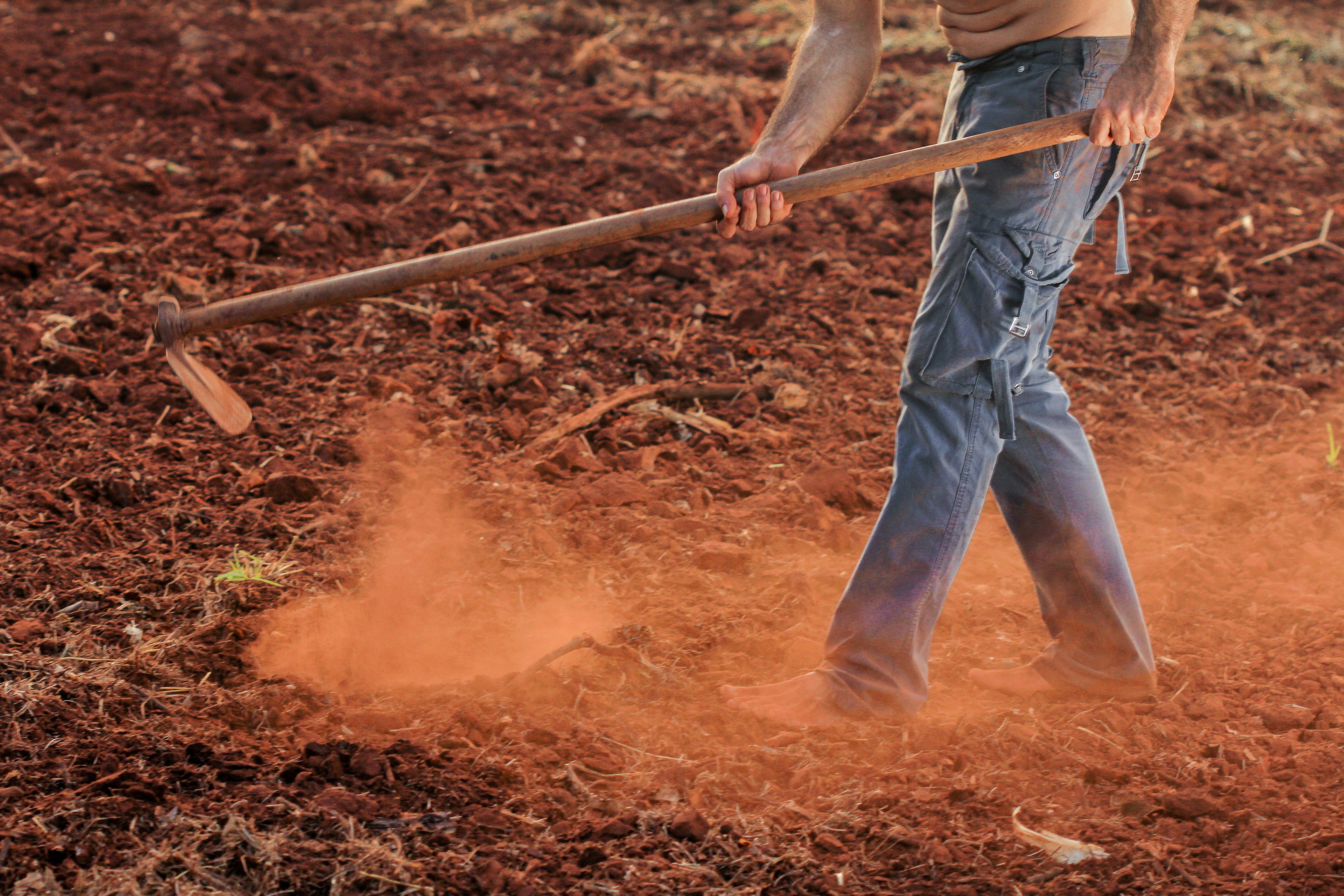
In response, there's a growing movement towards sustainable agriculture, with organic farming gaining considerable traction. Farmers are recognizing the long-term benefits of practices that nurture the land rather than deplete it. Soil fertility, once taken for granted, is now a major focus. Practices that build organic matter, improve soil structure, and enhance biodiversity are becoming essential for maintaining productivity.
The agribusiness landscape in Kenya is evolving rapidly, driven by both necessity and opportunity. Government initiatives, research institutions like KALRO, and organizations like Biofarm Kenya are actively promoting climate-smart agriculture. Organic farming, specifically, has seen increased interest, with a focus on natural inputs and methods that reduce reliance on synthetic chemicals. This shift is not merely about environmental stewardship; it's also about economic resilience, as healthy soils lead to more consistent yields and reduced input costs over time. The adoption of no-till farming fits perfectly within this paradigm, offering a scientifically proven path to a more sustainable and productive agricultural future.
Key Insights & Strategies: Mastering No-Till Techniques
Adopting no-till farming is a journey that begins with understanding its core principles and implementing them strategically. The goal is to mimic natural ecosystems, where soil is rarely disturbed, and organic matter is continuously added. Here are the key steps to successfully integrate no-till practices into your Kenyan farm:
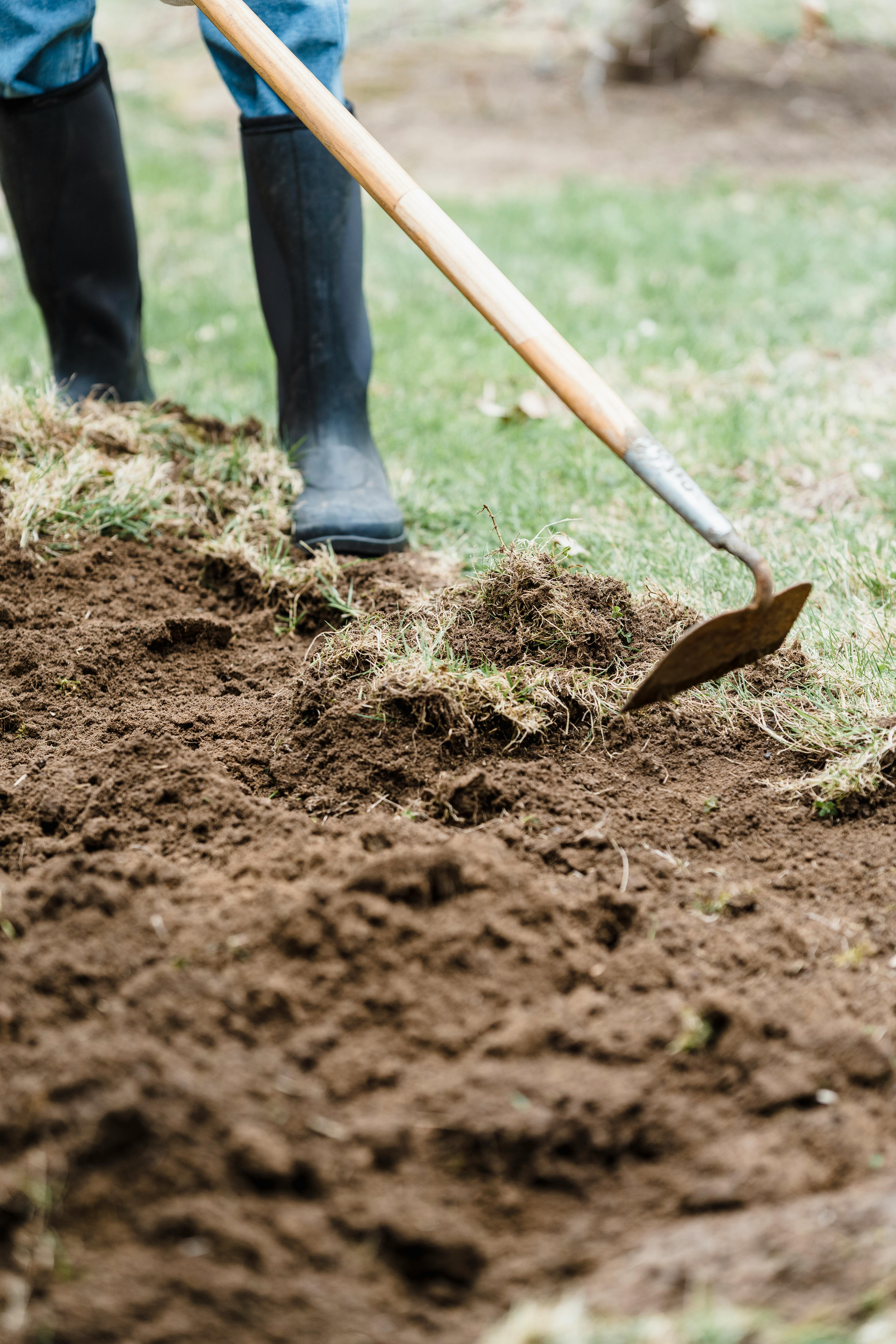
1. Cover Cropping with Legumes to Build Organic Matter
Cover crops are fundamental to no-till success. They are plants grown primarily to protect and enrich the soil rather than for immediate harvest. Leguminous cover crops, such as mucuna (velvet bean), lablab, and various clovers, are particularly beneficial in Kenya's semi-arid regions. They fix atmospheric nitrogen, naturally fertilizing the soil, and their extensive root systems improve soil structure and prevent erosion.
Actionable Steps:
2. Mulching with Crop Residues to Suppress Weeds
Mulching is a direct benefit of leaving crop residues on the soil surface. This layer acts as a physical barrier, suppressing weed growth, reducing soil temperature fluctuations, and critically, minimizing evaporation. This significantly improves soil moisture retention, a vital aspect for Kenyan farmers battling drought.
Actionable Steps:
To accurately understand your soil's composition and guide your mulching and fertilization efforts, consider using a reliable tool. Boost your yields with the MySoil Soil Test Kit – available on Amazon. This kit provides complete and accurate nutrient and pH analysis with recommendations tailored to your soil and plant needs.
3. Precision Planting Using Dibble Sticks or No-Till Planters
The essence of no-till is minimal soil disturbance. Traditional plowing is replaced by precision planting, which involves creating a small, localized opening in the soil for seed placement. This preserves soil structure and the protective mulch layer.
Actionable Steps:
For efficient and precise planting without disturbing your soil, especially for smaller operations, a handheld planter can be invaluable. Consider the Manual Seeder Handheld Corn Peanut Planter – available on Amazon, designed for precision seed placement with minimal effort.
These key steps—cover cropping, mulching, and precision planting—form the foundation of a successful no-till system, creating a virtuous cycle where healthy soil leads to higher, more resilient yields.
Explore sustainable organic farming solutions with Biofarm Kenya.
Case Studies, Examples, & Comparisons: No-Till Success Stories in Kenya
The theoretical benefits of no-till farming are strongly backed by practical success stories across Kenya, particularly in drought-prone areas. These examples demonstrate how small-scale farmers are transforming their land and livelihoods by adopting these sustainable practices.
The KALRO Trial in Baringo County
A shining example comes from the Kenya Agricultural and Livestock Research Organization (KALRO). A 2024 KALRO trial in Baringo County confirmed these methods outperform conventional plowing in water-stressed environments. This trial specifically focused on maize and bean production in semi-arid conditions, a common scenario for many Kenyan farmers. The results were compelling: farms utilizing no-till practices, combined with cover cropping and mulching, demonstrated significantly higher yields (up to 30% increase) and remarkable soil moisture retention (40% reduction in evaporation) compared to plots under conventional tillage. This scientific validation provides a strong impetus for widespread adoption of no-till across similar agro-ecological zones.
Farmer Innovations in Kitui and Makueni
Beyond institutional trials, individual farmers in counties like Kitui and Makueni, traditionally known for their dry conditions, have pioneered their own no-till journeys. Mary Wanjiku, a smallholder farmer in Kitui, transitioned to no-till on her two-acre farm after years of struggling with declining soil fertility and erratic rainfall. By adopting pigeon pea as a cover crop and consistently mulching with maize stalks, she not only saw a noticeable increase in her bean and sorghum yields but also observed a significant reduction in labor for weeding and plowing. 'My soil feels alive now,' she recounts, 'and I spend less money on external fertilizers.'
Similarly, John Mutua from Makueni, inspired by local agricultural extension services, implemented a diversified no-till system. He integrates dairy farming with crop production, using cow manure for compost and maintaining permanent beds with minimal disturbance. His farm now boasts healthier soil, higher organic matter content, and a more consistent water supply for his horticultural crops, even during dry periods. These farmer-led innovations underscore the adaptability and effectiveness of no-till farming in diverse Kenyan contexts. Their experiences provide valuable lessons and serve as powerful testimonials for their communities, illustrating that resilience can be cultivated, one careful step at a time.
These examples highlight the critical role of organizations like KALRO and local agricultural extension services in disseminating knowledge and supporting farmers in their transition to more sustainable methods. The success stories confirm that no-till is not just a theoretical concept but a practical, impactful solution for enhancing agricultural productivity and climate resilience in Kenya.
Common Mistakes to Avoid: Navigating the No-Till Transition
While no-till farming offers immense benefits, a successful transition requires careful planning and avoiding common pitfalls. Understanding these errors can save farmers time, resources, and potential yield losses.
1. Insufficient Residue Cover
One of the most frequent mistakes is not maintaining adequate crop residue or mulch cover. The protective layer is crucial for moisture conservation, weed suppression, and soil temperature regulation. Without it, the benefits of no-till are significantly diminished, leading to increased evaporation, higher weed pressure, and potentially lower yields.
2. Neglecting Soil Testing
Transitioning to no-till can alter soil nutrient dynamics. Some nutrients might become less available initially, or pH levels could shift. Assuming soil conditions remain constant without regular checks is a recipe for nutrient deficiencies or imbalances, impacting crop health and yields.
3. Improper Cover Crop Management
Cover crops are a cornerstone of no-till, but their mismanagement can lead to problems. Planting the wrong species for your climate, terminating them too early or too late, or allowing them to become weeds themselves can hinder your no-till system.
4. Poor Weed Management in the Initial Stages
While mulch and cover crops significantly reduce weeds, the initial years of no-till can sometimes see an increase in certain weed species adapted to undisturbed soil. Relying solely on the mulch layer without additional strategies can lead to overwhelming weed pressure.
5. Lack of Patience and Expecting Immediate Results
No-till farming is a long-term investment in soil health. It takes time for the soil ecosystem to rebuild, for organic matter to accumulate, and for the full benefits to manifest. Farmers expecting dramatic results in the first season might become discouraged.
Expert Tips & Best Practices: Maximizing Your No-Till Impact
To truly unlock the potential of no-till farming in Kenya, integrating expert advice and proven best practices is essential. These tips go beyond the basics, offering deeper insights into optimizing your system for sustained success and resilience.
1. Diversify Your Cover Crop Mix
Instead of relying on a single cover crop, cultivate a diverse mix. A combination of legumes (for nitrogen fixation), grasses (for biomass and root structure), and broadleaves (for breaking up compaction) can provide a wider range of benefits to your soil. This diversity mimics natural ecosystems, enhancing soil biodiversity and overall health.
2. Implement Rotational Grazing (If Applicable)
If you integrate livestock into your farm, consider incorporating rotational grazing on cover-cropped fields. Animals can graze on cover crops, adding organic matter through their droppings and trampling residues, further enhancing the mulch layer and stimulating microbial activity. Ensure grazing is managed to avoid compaction.
3. Consider Micro-Irrigation for Critical Stages
While no-till significantly boosts moisture retention, supplementary water might still be crucial during critical growth stages in prolonged droughts. Implementing efficient micro-irrigation systems, like drip irrigation, ensures water is delivered directly to the plant roots, minimizing waste. For small farms seeking efficient water delivery, the Drip Irrigation Kit for Small Farms – available on Amazon offers a cost-effective solution.
4. Embrace Organic Soil Amendments
No-till is about building soil health, which naturally includes nutrient cycling. Supplementing with organic amendments like compost, well-rotted manure, or biochar can accelerate this process, providing essential nutrients and boosting microbial life. Maintain healthy soil with Wallace Organic Wonder, Soluble Humic & Fulvic Acid Powder, a powerful organic concentrate to improve nutrient uptake.
5. Learn from Local No-Till Pioneers
Connect with other farmers in your area who have successfully adopted no-till practices. Local knowledge, shared experiences, and peer-to-peer learning can be invaluable. Join farmer groups or community workshops to exchange ideas and troubleshoot challenges.
By integrating these expert tips, Kenyan farmers can refine their no-till systems, accelerate the benefits, and build truly resilient and productive farms that can withstand the rigors of a changing climate.
Future Trends & Predictions: The Horizon of Sustainable Farming in Kenya
The future of agriculture in Kenya, particularly in the context of climate change and food security, is poised for significant innovation. No-till farming is just one piece of a larger puzzle, with several emerging trends set to reshape how we grow food sustainably.
1. Smart Irrigation Systems
Beyond traditional drip irrigation, smart irrigation systems are gaining traction. These systems leverage sensors, data analytics, and sometimes AI to monitor soil moisture, weather forecasts, and plant needs in real-time. They optimize water usage, delivering precise amounts exactly when and where needed, dramatically reducing water waste – a critical advancement for water-scarce regions in Kenya. Expect to see more localized, affordable versions of these technologies becoming accessible to smallholder farmers.
2. Precision Agriculture with AI and Drones
The integration of Artificial Intelligence (AI) and drone technology is already revolutionizing larger farms and will increasingly become available to smaller operations. Drones can survey fields for crop health, identify pest infestations, and monitor water stress with unparalleled accuracy. AI algorithms can then process this data to provide highly specific recommendations for planting, fertilizing, and disease management, allowing farmers to make data-driven decisions that enhance efficiency and yields while minimizing inputs.
3. Vertical Farming and Controlled Environment Agriculture (CEA)
For urban areas and regions with extremely limited arable land or harsh climates, vertical farming and Controlled Environment Agriculture (CEA) offer promising solutions. These methods involve growing crops in stacked layers, often indoors, with optimized light, temperature, and nutrient delivery. While initial setup costs can be high, the benefits of year-round production, minimal water usage (up to 95% less than traditional farming), and freedom from climate variability make them increasingly attractive for high-value crops and local food supply chains.
4. Enhanced Bio-inputs and Microbial Farming
The focus on soil health in no-till farming aligns perfectly with advancements in bio-inputs. Researchers are developing more effective biological fertilizers, biopesticides, and microbial inoculants that enhance nutrient availability, protect crops from pests and diseases, and improve soil resilience. These natural solutions reduce reliance on synthetic chemicals, further boosting the sustainability credentials of agricultural practices in Kenya.
5. Climate-Resilient Crop Varieties
Ongoing research and development are yielding new crop varieties specifically bred for enhanced drought tolerance, disease resistance, and higher yields under challenging conditions. Integrating these climate-resilient crops with no-till practices will create a powerful synergy, maximizing productivity and ensuring food security even in the most vulnerable regions. Collaboration between research institutions and local farmers will be key to the successful adoption of these improved varieties.
These trends paint a picture of a dynamic and technologically advanced agricultural future for Kenya. By embracing these innovations alongside foundational practices like no-till, Kenyan farmers can look forward to greater productivity, enhanced resilience, and a more sustainable food system for generations to come.
Conclusion: A Greener Future, One No-Till Farm at a Time
The challenges facing Kenyan agriculture are significant, but so too are the opportunities for transformation. This guide has illuminated the powerful potential of no-till farming as a central pillar of climate-resilient agriculture. By embracing key steps like cover cropping with legumes, mulching with crop residues, and precision planting, Kenyan farmers can not only boost their yields by an impressive 30% but also achieve a critical 40% reduction in soil moisture evaporation, directly combating the intensifying droughts.
The success stories from the KALRO trial in Baringo County and innovative smallholder farmers underscore that no-till isn't just theory; it's a proven, practical pathway to a more productive and sustainable future. By avoiding common mistakes and adopting expert tips, farmers can navigate the transition effectively, fostering vibrant soil ecosystems that deliver long-term benefits.
As we look to the horizon, emerging trends in smart irrigation, precision agriculture, and bio-inputs promise to further enhance the efficiency and resilience of our farming systems. Integrating these innovations with the foundational principles of no-till will empower Kenya's agricultural sector to thrive despite environmental pressures.
The journey to a greener, more food-secure Kenya begins on each farm, with each decision to nurture the soil. By adopting no-till practices, you are not just farming; you are investing in the health of your land, the future of your community, and the resilience of a nation. Discover trusted organic farming tools on Amazon and learn more about sustainable solutions with Biofarm Kenya.
Frequently Asked Questions (FAQs)
Q1: What exactly is no-till farming and why is it important for Kenyan farmers?
No-till farming, also known as zero tillage, is an agricultural technique for growing crops or pasture without disturbing the soil through tillage. It involves leaving the previous crop's residues on the soil surface as a protective layer. For Kenyan farmers, it's crucial because it significantly improves soil moisture retention (reducing evaporation by up to 40%), prevents soil erosion, enhances soil fertility by increasing organic matter, and reduces labor and fuel costs. This leads to more stable and higher yields, especially in drought-prone areas. Learn more from the FAO on Conservation Agriculture.
Q2: How do cover crops help in a no-till system?
Cover crops are plants grown primarily to protect and enrich the soil. In a no-till system, they are vital for several reasons: they suppress weeds, prevent soil erosion, add organic matter to the soil when they decompose, and improve soil structure. Leguminous cover crops, common in Kenya, also fix atmospheric nitrogen, acting as natural fertilizers. They essentially do the work that tillage traditionally attempted to achieve, but in a sustainable and soil-friendly manner. Explore KALRO's research on sustainable agriculture.
Q3: Can small-scale Kenyan farmers realistically implement no-till farming without expensive machinery?
Absolutely. While large-scale no-till often involves specialized planters, small-scale Kenyan farmers can implement no-till effectively using simple tools. Dibble sticks, hand jab planters, and even machetes can be used for precision planting through crop residues. The focus is on minimal soil disturbance, which is achievable manually. The primary investments are in knowledge, labor for initial residue management, and the cost of cover crop seeds. Over time, reduced weeding, irrigation, and fertilizer costs often make it more economical. Find practical small farm solutions with Biofarm Kenya.
Q4: What are the main challenges farmers might face when transitioning to no-till in Kenya?
Transitioning to no-till can present challenges. Initial weed management might require more attention, especially as perennial weeds adapt. Some farmers might also face a slight learning curve in managing crop residues or selecting appropriate cover crops for their specific conditions. It also takes time for soil health to fully recover and for the benefits to become evident, requiring patience. Access to appropriate no-till planting equipment (even simple hand tools) and quality cover crop seeds can also be a challenge in some areas. Consult the Kenyan Ministry of Agriculture for policy support.
Q5: How does no-till farming specifically help fight drought?
No-till farming significantly combats drought by enhancing the soil's capacity to retain moisture. The continuous layer of crop residue acts as a mulch, reducing direct sun exposure and wind erosion, which drastically lowers evaporation from the soil surface (up to 40%). Furthermore, undisturbed soil develops better structure with stable aggregates and increased organic matter, leading to improved water infiltration and greater water-holding capacity. This means more rainwater soaks into the ground and stays there for longer, making it available to crops during dry spells. Read about NEMA's efforts in environmental conservation.
Q6: Where can Kenyan farmers find reliable information and support for adopting no-till practices?
Kenyan farmers can access reliable information and support from several sources. The Kenya Agricultural and Livestock Research Organization (KALRO) provides extensive research and extension services. Agricultural extension officers at the county level are also valuable resources. Organizations like Biofarm Kenya offer practical guides, training, and a network of partners dedicated to sustainable farming. Farmer field schools and community-based organizations often facilitate peer learning and demonstration plots. Online resources and forums also provide a wealth of knowledge and connection to a broader farming community. Explore Biofarm Kenya's partner network and resources.
Meta Description: Kenyan farmers, boost yields 30% and retain 40% soil moisture. Learn no-till farming steps: cover cropping, mulching, precision planting for drought resilience. KALRO-proven guide.


0 Comments