

Estimated Reading Time: 9 minutes
TL;DR
- Maize-legume intercropping can increase profits by up to 30% for Kenyan farmers, especially in drought-prone regions.
- This practice naturally enhances soil fertility through nitrogen fixation and reduces pest outbreaks via increased crop diversity.
- Implementing proper crop selection, spacing, and water management are crucial for success.
- Embrace sustainable agriculture principles to build climate resilience and long-term farm profitability.
- Utilize modern tools like soil testing kits and drip irrigation to optimize intercropping systems.
Key Takeaways
- Strategically choose compatible maize and legume varieties suitable for your local climate and soil.
- Implement optimal spacing and planting patterns to ensure efficient resource utilization and minimize competition.
- Prioritize soil health through organic amendments and regular testing to support robust intercropped systems.
- Adopt integrated pest management strategies, leveraging the natural pest-repelling qualities of diverse crops.
- Continuously monitor crop performance and adapt your intercropping practices based on observed results and local research.
Table of Contents
- Introduction: Unlocking Profit with Intercropping in Kenya
- Background & Context: The Rise of Sustainable Farming in Kenya
- Key Insights & Strategies for Successful Intercropping
- Case Studies: Kenyan Farmers Thriving with Intercropping
- Common Mistakes to Avoid in Intercropping
- Expert Tips & Best Practices for Maximizing Intercropping Benefits
- Future Trends: Innovations Shaping Intercropping in Kenya
- Conclusion: Cultivating a Prosperous Future with Intercropping
- FAQs About Intercropping in Kenya
Introduction: Unlocking Profit with Intercropping in Kenya
In the vibrant agricultural landscapes of Kenya, farmers are constantly seeking innovative and sustainable methods to enhance productivity and secure their livelihoods. The escalating challenges of climate change, soil degradation, and pest infestations demand resilient farming solutions. Increasingly, Kenyan farmers are increasingly adopting maize-legume intercropping to boost profits and resilience, transforming their fields into vibrant ecosystems that yield multiple benefits. This guide trains farmers to implement intercropping systems that enhance soil fertility (via nitrogen fixation), reduce pest outbreaks (through crop diversity), and increase income streams.
Intercropping, an ancient practice revitalized by modern scientific understanding, involves growing two or more crops simultaneously on the same field. For maize, a staple food crop in Kenya, pairing it with legumes like beans, cowpeas, or groundnuts has shown remarkable results. Evidence from 2025 KAFRI trials shows intercropped fields yield 30% more profit than monocultures in drought-prone regions. This comprehensive guide from Biofarm Kenya delves into the practical strategies, benefits, and expert tips for successful intercropping, empowering farmers to achieve higher yields, improve soil health, and secure a more sustainable future.
Background & Context: The Rise of Sustainable Farming in Kenya

Kenya's agricultural sector forms the backbone of its economy, contributing significantly to the GDP and employing a large portion of its population. However, conventional farming practices have often led to challenges such as nutrient depletion, increased reliance on synthetic inputs, and vulnerability to climate shocks. Recognising these issues, there has been a significant shift towards sustainable agriculture in Kenya.
Organic farming, in particular, has seen a substantial surge. A recent survey revealed a steady growth, with the number of organic farms increasing from 8,004 in 2007 to an impressive 62,626 in 2022. This trend is driven by a growing market demand for organic produce and a collective understanding among farmers of the long-term benefits of ecological practices. Sustainable approaches like conservation tillage, crop rotation, agroforestry, and efficient water management are now at the forefront of agricultural development. These practices not only enhance soil health and improve crop yields but also promote biodiversity and conserve natural resources, laying the groundwork for resilient food systems across the nation.
Key Insights & Strategies for Successful Intercropping
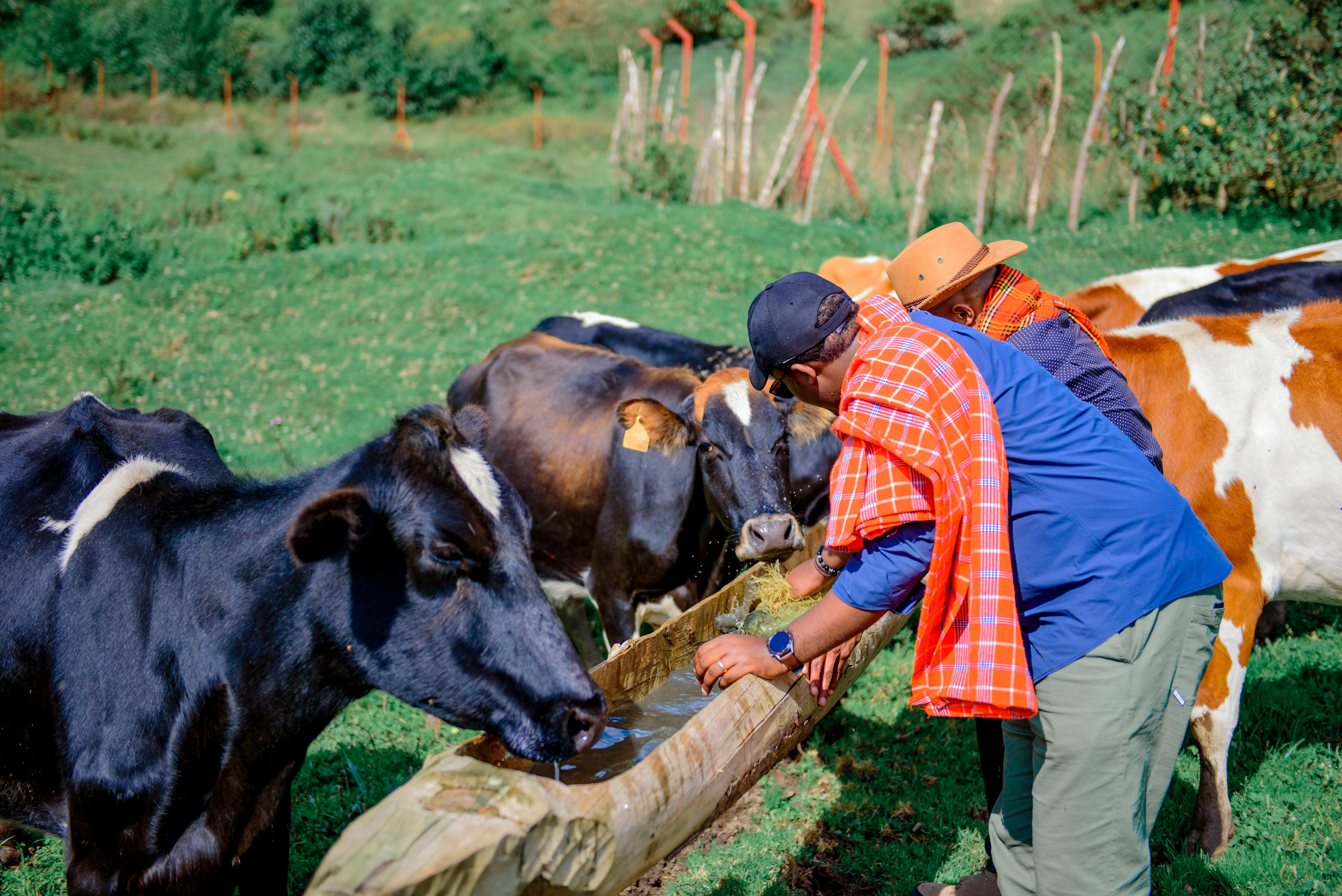
Implementing intercropping effectively requires careful planning and execution. Here are some key insights and strategies to help Kenyan farmers maximize the benefits of maize-legume intercropping:
1. Strategic Crop Selection and Variety Compatibility
Choosing the right maize and legume varieties is paramount. Opt for maize varieties with upright growth habits that don't excessively shade the legumes. For legumes, select varieties that are adapted to local conditions, have different maturity periods than maize, and exhibit strong nitrogen-fixing capabilities. Common bean, cowpea, and groundnut are popular choices in Kenya, known for their ability to thrive alongside maize while enriching the soil.
- Research local recommendations from agricultural extension services and research institutions like KAFRI.
- Consider the growth habits (bushy vs. climbing) and maturity dates of both crops to minimize competition for light and nutrients.
- Prioritize drought-tolerant varieties, especially for regions prone to water scarcity.
To give your intercropped plants the best start and sustained growth, consider using a high-quality, all-purpose liquid organic fertilizer. For boosting your yields, the True Organic Liquid All Purpose Plant Food – available on Amazon, provides essential nutrients organically, promoting vigorous growth for both your maize and legumes.
2. Optimal Spacing and Planting Patterns
Proper spacing is crucial to prevent competition and ensure both crops receive adequate sunlight, water, and nutrients. A common approach involves alternating one row of maize with one row of legumes. Research from CGIAR in Central Kenya has also explored staggered arrangements (like the MBILI system), demonstrating increased yields and economic returns, particularly in areas with poorer soil fertility.
- Maintain recommended spacing for maize, then plant legumes between maize rows or in alternate rows.
- Adjust plant density based on soil fertility and rainfall patterns to avoid overcrowding.
- Experiment with different patterns on a small scale to find what works best for your specific plot and crop varieties.
3. Enhancing Soil Fertility and Health
Legumes naturally fix atmospheric nitrogen into the soil, reducing the need for synthetic nitrogen fertilizers and improving overall soil health. This symbiotic relationship is a cornerstone of sustainable agriculture. Beyond nitrogen fixation, the diverse root systems of intercropped plants improve soil structure, aeration, and water infiltration.
- Incorporate organic matter like compost or farmyard manure before planting to build soil structure and nutrient content.
- Conduct regular soil tests to understand nutrient levels and pH. For precise soil analysis, the NewTest Soil Test Kit – available on Amazon, accurately measures pH, nitrogen, phosphorus, and potassium, guiding your fertilization strategy.
- Practice minimum tillage to preserve soil structure and microbial life, further supporting nutrient cycling.
For more advanced organic farming techniques and to explore innovative partnerships that can enhance your farm's productivity and sustainability, explore sustainable organic farming solutions with Biofarm Kenya.
4. Integrated Pest and Disease Management
Crop diversity in intercropping systems can naturally deter pests and reduce disease incidence. For example, some legumes release compounds that repel maize stem borers, while others provide habitat for beneficial insects that prey on pests. This biological pest control reduces reliance on chemical pesticides, leading to healthier crops and ecosystems.
- Monitor your fields regularly for signs of pests or diseases.
- Encourage beneficial insects by providing flowering plants around your farm.
- Employ cultural practices like timely planting and crop rotation within your intercropping system to disrupt pest cycles.
Case Studies: Kenyan Farmers Thriving with Intercropping
Across Kenya, numerous smallholder farmers are demonstrating the tangible benefits of intercropping. In Western Kenya, for instance, farmers participating in programs by organisations like One Acre Fund have successfully adopted maize-bean intercropping. These initiatives provide training and high-quality seeds, resulting in improved food security and increased income for families. The success stories often highlight how intercropping not only boosts yields but also provides nutritional diversity for household consumption and a surplus for market sale.
A notable example comes from the Kenya Sustainable Agriculture Land Management (SALM) Project, supported by the World Bank. This project has trained over 30,000 smallholder farmers in sustainable land management practices, including intercropping. Participants reported that maize yields tripled in just three years, showcasing the significant impact of adopting such smart agriculture skills. Women farmers, in particular, were noted for adopting more diverse land practices and achieving higher profits, underscoring the social and economic empowerment facilitated by these sustainable methods.
Furthermore, research from the University of Nairobi and CGIAR has consistently shown the economic viability of staggered maize-legume intercrop arrangements, proving robust increases in crop yields and economic returns, especially beneficial in the nutrient-poor highland areas of Central Kenya. These studies provide empirical evidence that thoughtful intercropping designs can significantly outperform monocultures, offering a pathway to sustainable intensification for Kenyan agriculture.
Common Mistakes to Avoid
While intercropping offers many advantages, certain pitfalls can hinder its success. Avoiding these common mistakes is crucial for maximizing your profits and maintaining a healthy farm ecosystem.
- Incorrect Crop Combination: Planting crops that compete heavily for the same resources (light, water, nutrients) can lead to reduced yields for both. Ensure your chosen maize and legume varieties are compatible and complement each other.
- Inadequate Spacing: Overcrowding is a frequent error. Too many plants in a small area intensify competition, limit air circulation, and can increase susceptibility to diseases. Follow recommended spacing guidelines for both crops.
- Neglecting Soil Fertility: While legumes fix nitrogen, overall soil health is critical. Relying solely on nitrogen fixation without considering other nutrient deficiencies or organic matter content can lead to suboptimal growth. Regular soil testing and organic amendments are vital.
- Poor Water Management: Intercropped systems may have different water requirements than monocultures. Inefficient irrigation, or lack thereof, especially in drought-prone areas, can stress crops. Implement efficient watering techniques like drip irrigation.
- Ignoring Pest and Disease Monitoring: While intercropping reduces pest pressure, it doesn't eliminate it entirely. Failing to monitor for pests and diseases can lead to outbreaks that compromise your harvest. Vigilant observation and timely intervention are necessary.
- Lack of Diversification in Legumes: Sticking to a single legume type might limit the full benefits of intercropping. Exploring different legume varieties can offer varied benefits in terms of nitrogen fixation, pest deterrence, and nutritional value.
Expert Tips & Best Practices for Maximizing Intercropping Benefits
To truly unlock the potential of intercropping, Biofarm Kenya experts recommend these locally relevant tips and best practices:
- Embrace Indigenous Knowledge: Many traditional farming communities in Kenya have practiced forms of intercropping for generations. Learn from local farmers and integrate their time-tested knowledge with modern agricultural science for optimal results.
- Start Small and Experiment: Before scaling up, dedicate a small plot to experiment with different maize-legume combinations, planting densities, and patterns. This allows you to learn what works best for your specific farm's microclimate and soil conditions.
- Utilize Green Manure Crops: In rotation or as part of a multi-seasonal intercropping plan, consider incorporating green manure crops. These plants are grown specifically to be ploughed back into the soil, further enriching its organic matter and nutrient content, which directly benefits your maize-legume system.
- Prioritize Water Conservation: With unpredictable rainfall patterns, efficient water use is critical. Implement water-saving techniques such as mulching, rain harvesting, and strategic irrigation. A Drip Irrigation Kit for Small Farms – available on Amazon can significantly reduce water wastage and ensure consistent moisture delivery directly to the root zone, maximizing the effectiveness of your intercropping efforts.
- Continuous Learning and Adaptation: Agriculture is dynamic. Stay informed about new research, attend Farmer Field Schools (FFS), and connect with agricultural extension officers. Being open to adapting your practices based on new knowledge and changing environmental conditions is key to long-term success.
- Boost Soil Microbiome with Compost: Beyond nitrogen fixation, a vibrant soil microbiome is essential for nutrient cycling and plant health. Regularly adding compost will introduce beneficial microorganisms. To accelerate your composting efforts and enrich your soil with vital organic matter, consider using an effective compost starter like the Espoma Organic Compost Starter – found on Amazon, which helps break down organic waste into rich humus.
By integrating these expert tips, Kenyan farmers can navigate the complexities of intercropping with confidence, leading to more productive and sustainable farms. To further support your journey into advanced organic farming and discover tailored solutions, explore sustainable organic farming solutions with Biofarm Kenya.
Future Trends: Innovations Shaping Intercropping in Kenya
The future of intercropping in Kenya is poised for exciting advancements, driven by technological innovations and a deeper understanding of ecological farming principles. Smart agriculture is rapidly gaining traction, with tools like AI-driven crop monitoring and precision farming techniques becoming more accessible to smallholder farmers. These innovations can provide real-time data on soil health, moisture levels, and plant stress, allowing for highly targeted interventions in intercropped fields.
Vertical farming and controlled-environment agriculture, while currently more suited for high-value crops in urban settings, are influencing how we think about space and resource efficiency. The principles of maximizing yield per square meter and optimizing growing conditions can be adapted to traditional intercropping systems, for instance, through better selection of plant architectures and innovative trellising for climbing legumes.
Moreover, the growing focus on carbon sequestration and climate-smart agriculture will further integrate intercropping with agroforestry systems. Innovations like Green Intelligence, which combines agroforestry with mobile apps for farmers to document tree planting and earn from carbon credits, exemplify how technology can enhance sustainable practices. As Kenya continues to embrace digital innovation in its agri-food systems, intercropping will undoubtedly benefit from enhanced research, improved varieties, and more efficient management tools, cementing its role as a cornerstone of resilient and profitable farming.
Conclusion: Cultivating a Prosperous Future with Intercropping
Maize-legume intercropping is more than just a farming technique; it’s a strategic pathway for Kenyan farmers to achieve greater profitability, enhanced ecological resilience, and long-term sustainability. By carefully selecting compatible crops, optimizing planting patterns, nurturing soil health, and embracing integrated pest management, farmers can unlock the significant potential of their land.
The evidence is clear: intercropping boosts income, enriches soil, and builds stronger, more diverse agricultural systems capable of withstanding environmental pressures. As we look to the future, the integration of traditional wisdom with modern agricultural innovations promises to make intercropping even more effective and accessible.
To embark on or enhance your intercropping journey, consider investing in quality agricultural tools and resources. Discover trusted organic farming tools on Amazon and learn more about sustainable solutions with Biofarm Kenya. Together, we can cultivate a prosperous and sustainable future for Kenyan agriculture.
FAQs About Intercropping in Kenya
1. What are the primary benefits of maize-legume intercropping for Kenyan farmers?
Maize-legume intercropping offers numerous benefits, including increased overall yield, enhanced soil fertility through nitrogen fixation by legumes, reduced pest and disease pressure due to crop diversity, better weed suppression, and improved income streams from multiple crops. Studies, like those referenced from KAFRI trials, show up to a 30% profit increase over monocultures, particularly in drought-prone areas. Learn more about the benefits of intercropping from FAO.
2. Which legume varieties are best suited for intercropping with maize in Kenya?
Commonly used and highly effective legume varieties for intercropping with maize in Kenya include common beans (Phaseolus vulgaris), cowpeas (Vigna unguiculata), and groundnuts (Arachis hypogaea). These legumes are chosen for their compatibility with maize, nitrogen-fixing capabilities, and adaptability to local growing conditions. CIMMYT provides insights into sustainable agriculture, including intercropping, in Kenya.
3. How does intercropping help improve soil fertility and reduce the need for chemical fertilizers?
Legumes have a unique symbiotic relationship with rhizobia bacteria in their root nodules, which convert atmospheric nitrogen into a form usable by plants—a process known as nitrogen fixation. This natural process enriches the soil with nitrogen, a vital nutrient for plant growth, thereby reducing the reliance on synthetic nitrogen fertilizers. The diverse root systems also improve soil structure and organic matter. The World Bank's Kenya SALM project highlights soil health benefits.
4. What are the common challenges faced by Kenyan farmers when implementing intercropping?
Challenges can include selecting incompatible crop varieties that compete for resources, incorrect plant spacing leading to overcrowding, potential for increased pest/disease management if not carefully planned, and varying water requirements between crops. Overcoming these requires careful planning, local knowledge, and sometimes, initial experimentation. One Acre Fund reports on trials addressing intercropping management practices.
5. How can farmers manage pests and diseases more effectively in intercropped systems?
Intercropping naturally enhances pest and disease management through increased biodiversity. Crop diversity can confuse pests, provide habitats for beneficial insects (predators of pests), and create physical barriers. Implementing Integrated Pest Management (IPM) strategies, such as biological control, cultural practices (e.g., proper spacing, timely planting), and using resistant varieties, further reduces the need for chemical interventions. The National Environment Management Authority (NEMA) promotes sustainable environmental practices in Kenya.
6. Where can Kenyan farmers find more resources and support for sustainable intercropping practices?
Kenyan farmers can access resources from various organizations including the Kenya Agricultural and Livestock Research Organization (KALRO), agricultural extension services provided by the Ministry of Agriculture, Farmer Field Schools (FFS), and NGOs like One Acre Fund. Biofarm Kenya also offers valuable insights and sustainable solutions through its network. Explore sustainable organic farming solutions with Biofarm Kenya.


0 Comments