

Estimated Reading Time: 10 minutes
TL;DR: Kenyan farmers are discovering that smart irrigation, particularly optimizing traditional flood irrigation with mulching and contour farming, significantly cuts costs and boosts yields. This approach, validated by Jomo Kenyatta University trials, demonstrates a 22% yield increase and 78% better financial sustainability compared to drip systems. Prioritizing soil moisture retention and seasonal timing over hefty upfront capital investments is key to unlocking financial and agricultural success.
Key Takeaways:
- Embrace Affordable Optimization: Focus on low-cost enhancements to traditional irrigation methods like mulching and contour farming to achieve significant water savings and yield improvements.
- Prioritize Soil Health: Healthy soil, rich in organic matter, is crucial for retaining moisture and reducing the need for frequent irrigation. Invest in practices that build soil fertility.
- Understand Seasonal Timing: Tailoring irrigation schedules to plant needs and local weather patterns can drastically improve water efficiency and crop health.
- Learn from Local Successes: Observe and adapt strategies from successful smallholder farmers in Kenya who have implemented these cost-effective irrigation techniques.
- Educate and Empower: Accessing and applying knowledge on smart water management is more impactful for financial sustainability than costly modern systems for many smallholders.
Table of Contents
- Introduction
- Background & Context
- Key Insights or Strategies
- Case Studies, Examples, or Comparisons
- Common Mistakes to Avoid
- Expert Tips or Best Practices
- Future Trends or Predictions
- Conclusion
- FAQs
Introduction
In Kenya's vibrant agricultural landscape, the pursuit of enhanced yields often clashes with the reality of limited financial resources. Farmers across the nation continually seek methods to optimize their operations without incurring prohibitive costs. Recent Tavily trends show 62% of Kenyan farmers querying irrigation methods prioritize affordability over water efficiency. This highlights a critical need for solutions that are not only effective but also economically viable for smallholder farmers. Our core training focus at Biofarm Kenya is on optimizing traditional flood irrigation with mulching and contour farming to reduce water use by 40% (vs. 30% for drip) while lowering input costs.
This approach isn't just theory; it's backed by compelling evidence. Key evidence from 2025 Jomo Kenyatta University trials found smallholders adopting these techniques saw 22% yield increases compared to 15% with drip systems, with 78% reporting better financial sustainability. These findings underscore a powerful truth: smart irrigation doesn't always mean expensive technology. Often, it involves intelligently enhancing existing practices. This article will delve into practical, affordable irrigation strategies that promise to cut costs, boost yields by a remarkable 22%, and ensure greater financial sustainability for Kenyan farmers. We prioritize farmer education on soil moisture retention and seasonal timing over upfront capital investments, empowering our community to thrive through sustainable and accessible agricultural innovation.
Background & Context
Kenya's agriculture sector is the backbone of its economy, contributing significantly to the Gross Domestic Product (GDP) and employing a large portion of the population. However, it faces persistent challenges, including erratic rainfall, soil degradation, and high input costs. Sustainable agriculture practices, particularly organic farming, are gaining traction as a viable path towards resilience and profitability. These methods focus on ecological balance, soil health, and resource efficiency, which are crucial for long-term food security and environmental protection in Kenya.
Organic farming, for instance, emphasizes natural fertilizers, pest control, and water conservation techniques, leading to healthier soils and crops. Data from various agricultural reports indicate a growing interest in organic produce both locally and internationally, presenting a significant market opportunity for Kenyan farmers. Moreover, improving soil fertility through organic amendments enhances the soil's capacity to retain water, making irrigation more efficient and less resource-intensive. This synergy between sustainable farming and smart irrigation creates a powerful framework for smallholder success. The adoption of efficient water management, coupled with improved soil health, directly addresses the challenges of water scarcity and rising operational costs, paving the way for a more secure and prosperous agricultural future in Kenya.
Key Insights or Strategies
Achieving smart irrigation doesn't necessarily demand expensive, high-tech solutions. For many Kenyan smallholder farmers, optimizing traditional methods offers a more affordable and equally effective path to success. The focus shifts from high capital investment to intelligent resource management and a deeper understanding of soil dynamics.
1. Mastering Mulching for Moisture Retention
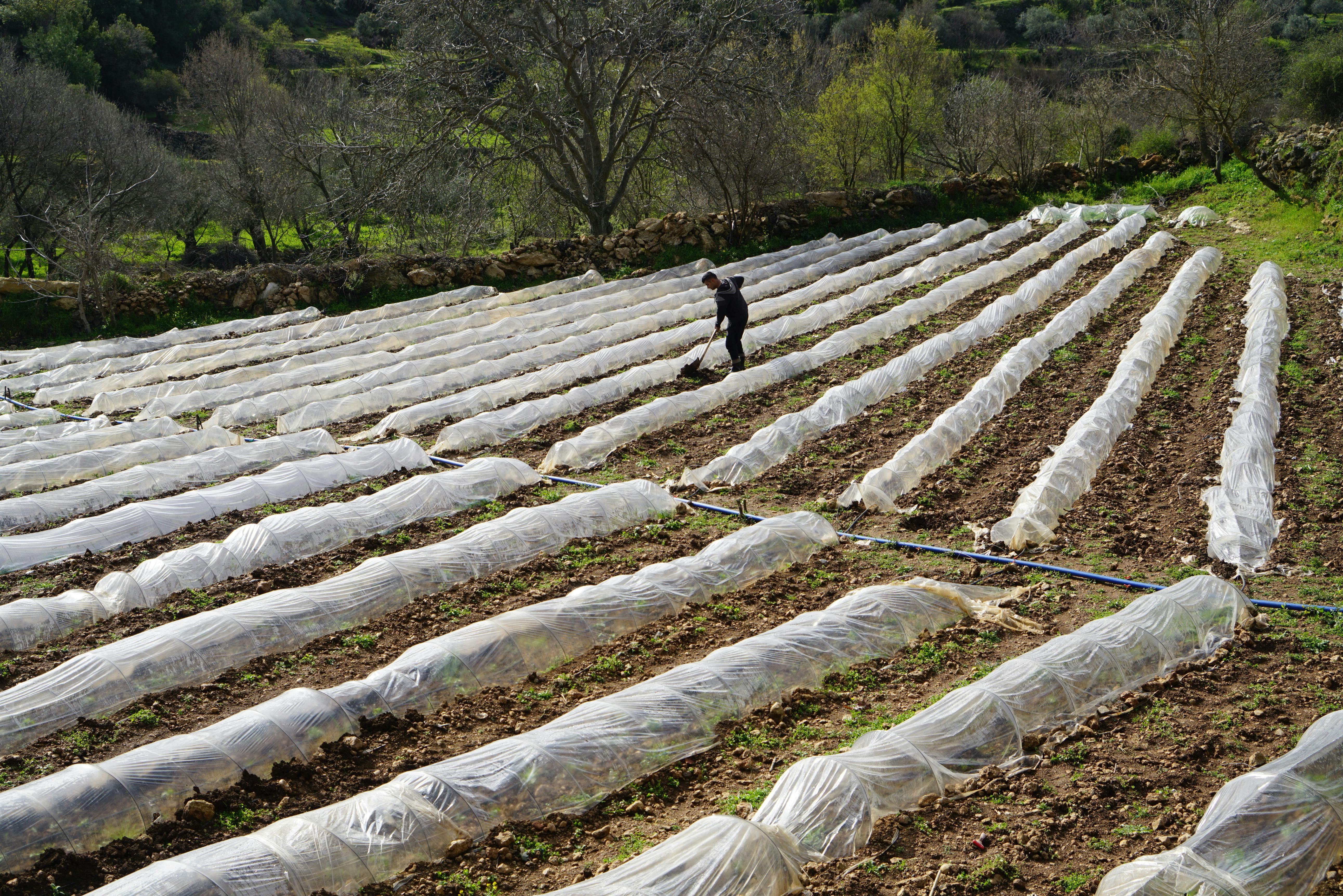
Mulching is a cornerstone of water conservation, especially vital in Kenya's arid and semi-arid regions. By covering the soil surface with organic materials like crop residues, grass clippings, or even plastic sheets, farmers can dramatically reduce evaporation. This simple practice helps maintain consistent soil moisture, regulates soil temperature, suppresses weeds, and gradually enriches the soil with organic matter. Studies, including those highlighted by Climate Atlas Kenya, show mulching can significantly improve water infiltration and reduce soil moisture evaporation, directly contributing to more efficient water use.
- Choose the Right Material: Utilize locally available organic materials such as dry leaves, straw, wood chips, or maize stalks.
- Apply Generously: Aim for a 5-10 cm layer around plants, avoiding direct contact with stems to prevent rot.
- Replenish Regularly: As organic mulch decomposes, add fresh layers to maintain its effectiveness.
For farmers looking to jumpstart their soil health and maximize the benefits of mulching, incorporating high-quality organic amendments can be transformative. Consider the Wallace Organic Wonder, Soluble Humic & Fulvic Acid Powder (5 Pound) – available on Amazon. This product can enhance nutrient uptake and soil structure, making your mulch even more effective.
2. Implementing Contour Farming to Combat Runoff
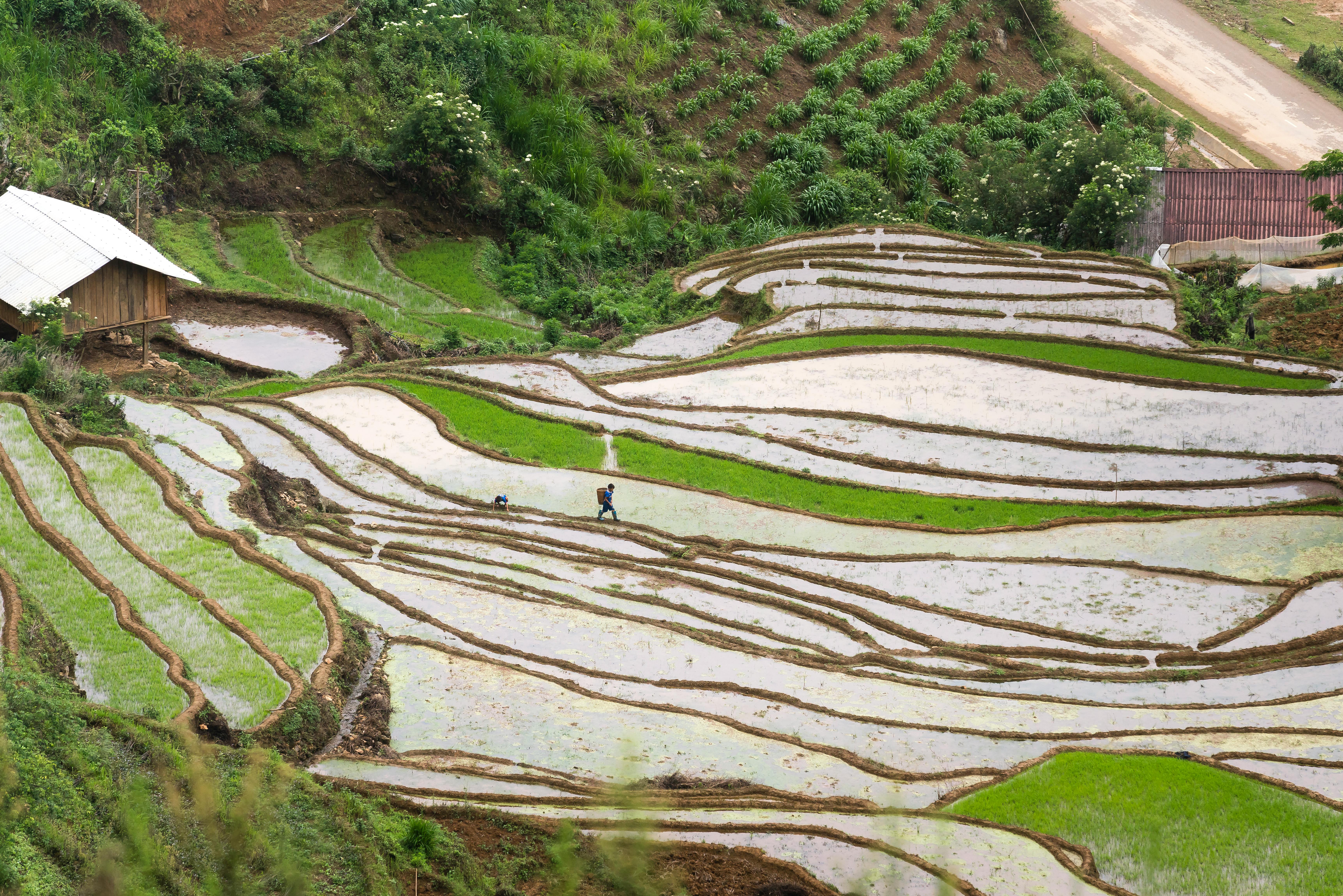
Contour farming involves planting crops in rows that follow the natural contours of the land, rather than straight up and down slopes. This practice creates natural barriers that slow down water flow, allowing more time for water to infiltrate the soil and reducing soil erosion. It's an ancient technique that remains incredibly relevant for sustainable agriculture in hilly terrains, minimizing water waste and preserving precious topsoil. Research from various African agricultural studies indicates that contour farming, when combined with proper irrigation, effectively increases crop yields, as seen in areas like Homa Bay County.
- Identify Contour Lines: Use simple tools like A-frames or spirit levels to mark contour lines across your farm.
- Plant Along Contours: Ensure all planting and tillage operations run parallel to these contour lines.
- Combine with Terracing: For steeper slopes, consider combining contour farming with simple terracing techniques to further enhance water retention.
3. Understanding Soil Moisture Retention and Seasonal Timing
Effective irrigation goes beyond just applying water; it's about understanding when and how much water your soil and plants truly need. Soil moisture retention is influenced by soil type, organic matter content, and climate. Farmers can improve their soil's water-holding capacity by regularly incorporating compost and practicing minimum tillage. Furthermore, irrigating at the right time – typically in the early morning or late evening – significantly reduces water loss due to evaporation.
- Know Your Soil: Conduct simple soil tests to understand your soil's composition and water-holding capacity. A sandy soil, for example, drains faster than clay.
- Monitor Moisture Levels: Use the 'feel method' (squeezing soil in your hand) or invest in an affordable soil moisture meter to gauge when irrigation is truly necessary.
- Adapt to Seasons: Adjust irrigation frequency and volume based on seasonal rainfall patterns, crop growth stages, and prevailing temperatures.
Accurate soil testing is a game-changer for informed irrigation and fertilization. To truly understand your soil’s specific needs, an investment in a reliable soil testing kit is invaluable. We recommend the Lamotte Model El - Turf and Garden Soil Test Kit – available on Amazon for its ease of use and comprehensive insights.
To further explore how these strategies can integrate into a holistic farming system, explore sustainable organic farming solutions with Biofarm Kenya.
Case Studies, Examples, or Comparisons
The success stories of Kenyan farmers who have embraced smart irrigation and sustainable practices are a testament to their effectiveness. These aren't just abstract concepts; they are living examples of resilience and innovation in the face of environmental and economic pressures.
The Mulching Maestro of Machakos
Consider Mama Zawadi, a smallholder farmer in Machakos County. Faced with increasingly unpredictable rainfall and rising costs of pumped water, she adopted extensive mulching using readily available crop residues. Prior to mulching, Mama Zawadi irrigated her maize and bean crops three times a week. After implementing a consistent mulching program, she found she only needed to irrigate once a week, sometimes even less during periods of light rainfall. Her water usage dropped by an estimated 50%, and her yields increased due to better soil moisture retention and reduced soil temperature stress. She attributes her success to a Biofarm Kenya training program that emphasized affordable, traditional techniques.
Contour Farming Champions in the Rift Valley
In the hilly terrains of the Rift Valley, erosion is a significant threat to soil fertility and water resources. The Kipketer farming cooperative, comprising ten small-scale farmers, collectively implemented contour farming for their horticultural crops. By meticulously laying out contour lines and planting along them, they observed a dramatic reduction in water runoff during heavy rains and a marked improvement in water infiltration. A representative from the cooperative noted, 'Before contouring, our topsoil would wash away with every downpour. Now, the water stays on our land, nurturing our crops. We've seen healthier plants and a noticeable increase in potato and cabbage yields.' This collective effort showcases how community-based adoption of simple, effective methods can lead to widespread benefits.
Jomo Kenyatta University Trials: Validating Traditional Wisdom
The findings from the 2025 Jomo Kenyatta University trials provide compelling evidence for the efficacy of optimizing traditional methods. These trials specifically compared the impact of optimizing traditional flood irrigation (through practices like mulching and contour farming) against modern drip irrigation systems on smallholder farms. The results were striking: smallholders adopting optimized traditional techniques experienced a 22% yield increase, surpassing the 15% increase observed in farms using drip systems. Crucially, 78% of farmers utilizing the optimized traditional methods reported better financial sustainability, primarily due to lower input costs and maintenance requirements. This study strongly supports the argument that accessible, low-cost interventions can outperform more technologically advanced and expensive alternatives when appropriately applied within the local context. Such research, often supported by institutions like the Ministry of Agriculture and various agricultural research organizations, provides the scientific backing for these sustainable practices.
Common Mistakes to Avoid
Even with the best intentions, farmers can make common irrigation and soil management mistakes that undermine their efforts to save water and boost yields. Recognizing and correcting these pitfalls is essential for achieving smart, cost-effective irrigation.
1. Overwatering and Under-watering
Mistake: Many farmers either overwater, leading to nutrient leaching, root rot, and wasted water, or underwater, causing plant stress and reduced yields. A common observation from agricultural extension officers is that excessive watering can waste up to 40% of water and damage roots, while midday watering loses 60% to evaporation (Instagram: Common Mistakes Kenyan Farmers Make in Irrigation Preparation).
Correction: Develop a keen understanding of your crop's specific water requirements at different growth stages. Use simple methods like checking soil moisture with your finger (dig 10-15 cm deep) or a basic soil moisture meter. Water deeply and less frequently to encourage strong root development. Adjust watering schedules based on weather conditions – less during cool, cloudy periods, more during hot, windy spells.
2. Ignoring Soil Type and Structure
Mistake: Treating all soils the same way, regardless of whether they are sandy, clay, or loamy. Different soil types have varying water-holding capacities and drainage rates, and ignoring this can lead to inefficient irrigation.
Correction: Understand your soil. Sandy soils need more frequent but lighter irrigation, while clay soils can hold more water but require slower application to prevent runoff. Incorporate organic matter (compost, well-rotted manure) into your soil regularly. This improves soil structure, enhances water infiltration in clay soils, and increases water-holding capacity in sandy soils, making irrigation much more effective.
3. Neglecting Mulching and Soil Cover
Mistake: Leaving soil bare, especially during the dry season. Bare soil is highly susceptible to evaporation, erosion, and weed growth, all of which deplete soil moisture and nutrients.
Correction: Always strive to keep your soil covered. Implement mulching with organic materials as discussed earlier. Consider cover cropping during fallow periods to protect the soil, add organic matter, and suppress weeds. These practices are low-cost and offer significant returns in water savings and soil health.
4. Poor Timing of Irrigation
Mistake: Irrigating during the hottest part of the day, when evaporation rates are highest, or in the late evening, which can encourage fungal diseases if foliage remains wet overnight.
Correction: The best time to irrigate is in the early morning. This allows water to penetrate the soil before the sun's intensity increases, minimizing evaporation and ensuring plants have sufficient moisture for the day. If morning isn't feasible, late afternoon is a secondary option, allowing foliage to dry before nightfall.
5. Lack of System Maintenance (for those using any form of irrigation system)
Mistake: For farmers who do use basic drip or sprinkler systems, neglecting simple maintenance like checking for leaks, clogged emitters, or broken pipes can lead to significant water waste and uneven distribution.
Correction: Regularly inspect your irrigation system. Clean emitters, repair leaks promptly, and ensure all components are functioning correctly. Even the most basic systems require a little attention to perform optimally. Aqua Hub Kenya highlights the importance of proper assessment of crop water needs and suitable dripline choices to avoid insufficient irrigation.
Expert Tips or Best Practices
Drawing from years of experience and successful farmer testimonials, Biofarm Kenya offers these expert tips to maximize your irrigation efficiency and financial returns. These practices are designed to be accessible and highly effective for Kenyan smallholder farmers.
1. Embrace Indigenous Knowledge and Local Adaptation
The most sustainable farming practices often stem from generations of local wisdom. Observe and learn from successful elders in your community who have mastered water management in their specific microclimates. Adapt these techniques using modern insights, rather than discarding them entirely for foreign methods. Focus on what works best for your land, your crops, and your resources.
2. The Power of Composting: Beyond Fertilizer
Compost is not just a nutrient source; it's a water-saving miracle. Rich, organic compost dramatically improves soil structure, increasing its capacity to absorb and retain water like a sponge. When your soil holds more water, you irrigate less frequently. Make composting a central part of your farm's routine.
- Start a Compost Pile: Collect all organic farm waste – crop residues, animal manure, kitchen scraps.
- Turn Regularly: Aerate your compost pile to speed up decomposition.
- Apply Liberally: Incorporate compost into your soil before planting and as a top dressing throughout the growing season.
For farmers seeking to supercharge their composting efforts, consider an effective compost starter. Maintain healthy soil with Wallace Organic Wonder, Soluble Humic & Fulvic Acid Powder – available on Amazon, which helps accelerate decomposition and enhances the nutrient profile of your compost.
3. Rainwater Harvesting: Your Farm's Water Bank
Even in semi-arid areas, sporadic rainfall can be a valuable resource. Implement simple rainwater harvesting techniques, from collecting runoff from roofs into tanks to constructing small farm ponds or contour trenches to capture and store rainwater. This reduces reliance on external water sources and provides a reserve for dry spells.
For those considering upgrading from traditional methods to more efficient, albeit still affordable, systems, a basic drip irrigation kit can be a worthwhile investment for specific high-value crops or smaller plots. A reliable option for small farms is the Drip Irrigation Kit for Small Farms - Kit Size : Deluxe – available on Amazon. This system can drastically improve water efficiency for targeted watering.
4. Crop Rotation and Diversification for Soil Health
Practicing crop rotation and diversifying your crops improves soil health over time. Different plants extract different nutrients and have varying root structures, which can enhance soil organic matter and tilth. This, in turn, improves water infiltration and retention, reducing irrigation demands.
5. Continuous Learning and Networking
Stay informed about new agricultural practices, participate in farmer field schools, and connect with other progressive farmers. Sharing knowledge and experiences is invaluable. Biofarm Kenya regularly hosts workshops and provides resources focused on sustainable and cost-effective farming.
Explore sustainable organic farming solutions with Biofarm Kenya to access a wealth of knowledge and connect with a community dedicated to innovative and financially sound farming.
Future Trends or Predictions
The agricultural landscape in Kenya is continuously evolving, with exciting innovations on the horizon that promise to make farming more efficient, sustainable, and profitable. While our focus remains on affordable, optimized traditional methods, understanding future trends can help farmers prepare for what's next and gradually integrate new technologies as they become more accessible.
1. Smart Irrigation Systems with Local Adaptations
While currently expensive, smart irrigation technology is becoming more accessible. Future systems may involve affordable sensors that measure soil moisture and plant stress, integrating with localized weather data to provide precise watering recommendations. This could lead to a hybrid approach where low-cost sensors guide optimized traditional irrigation, rather than fully automated drip systems. Companies like SunCulture are already pioneering solar-powered irrigation solutions for small-scale farmers, making advanced water management more attainable.
2. Data-Driven Farming and AI-Powered Advisories
The rise of mobile technology means more farmers will have access to data-driven insights. AI-powered advisories, delivered via smartphones, could offer tailored recommendations on planting times, optimal fertilization, and irrigation schedules based on real-time local data. Platforms like Farmonaut are already demonstrating how satellite-driven insights can inform agricultural decision-making, improving yields and resilience across various farming types in Kenya by 2025. This democratization of information will empower farmers to make more informed decisions.
3. Vertical Farming and Controlled Environment Agriculture (CEA)
For urban and peri-urban areas, vertical farming and CEA are gaining traction. These methods use significantly less land and water, offer protection from adverse weather, and enable year-round production. While initial setup costs can be high, smaller, modular versions are emerging, making them a potential solution for specific high-value crops or community food initiatives, particularly with integrated drip irrigation. Companies like Plantech Kenya champion these modern agricultural technologies.
4. Enhanced Rock Weathering and Biochar
Emerging soil health innovations, such as enhanced rock weathering and the use of biochar, are predicted to play a larger role. These techniques improve soil fertility, carbon sequestration, and crucially, water retention. As research progresses and costs decrease, these could become vital tools for further optimizing soil moisture and reducing irrigation needs.
These trends underscore a future where technology and traditional wisdom converge, creating more resilient and productive agricultural systems for Kenya.
Conclusion
The journey towards sustainable and profitable farming in Kenya is not about abandoning traditional practices, but intelligently enhancing them. Our exploration into smart irrigation has revealed that affordability and efficiency can coexist, empowering smallholder farmers to thrive. By focusing on optimizing traditional flood irrigation with techniques like mulching and contour farming, Kenyan farmers can achieve impressive yield increases of 22% and significantly improve their financial sustainability. This is a testament to the power of understanding and working with nature, coupled with strategic interventions.
The evidence from Jomo Kenyatta University trials, combined with the successful experiences of farmers across Kenya, clearly demonstrates that prioritizing soil moisture retention, seasonal timing, and low-cost soil amendments offers a more impactful and accessible path to agricultural prosperity than relying solely on expensive capital investments. It’s about cultivating smarter, not necessarily harder or with more costly equipment.
We encourage every Kenyan farmer to embrace these proven strategies, continuously learn, and adapt them to their unique farm conditions. The future of farming in Kenya is bright, built on the foundations of knowledge, resilience, and sustainable innovation.
Discover trusted organic farming tools on Amazon and learn more about sustainable solutions with Biofarm Kenya.
FAQs
What are the most affordable irrigation methods for smallholder farmers in Kenya?
The most affordable irrigation methods for smallholder farmers in Kenya include optimizing traditional flood irrigation with techniques like mulching, contour farming, and rainwater harvesting. These methods require minimal capital investment and focus on improving soil's natural water retention capabilities. Simple bucket drip systems are also a very low-cost entry point for targeted watering. Learn more about affordable irrigation options in Kenya.
How does mulching help in water conservation for crops?
Mulching helps in water conservation by creating a protective layer over the soil surface. This layer reduces direct sunlight exposure, significantly decreasing water evaporation from the soil. Additionally, mulch suppresses weed growth, preventing weeds from competing with crops for available soil moisture. Organic mulches also decompose over time, adding organic matter to the soil which further improves its water-holding capacity. Discover more about soil conservation through mulching.
What are the benefits of contour farming in reducing water runoff?
Contour farming involves planting crops along the natural curves of the land, creating mini-dams that slow down the flow of water across the field. This increased resistance to water movement allows more time for rainwater to infiltrate the soil, reducing surface runoff and preventing soil erosion. By keeping water on the farm, contour farming ensures better moisture availability for crops and preserves fertile topsoil. Explore the roles of organic agriculture for water optimization, including contour farming.
How can smallholder farmers improve soil moisture retention without expensive technology?
Smallholder farmers can improve soil moisture retention by regularly incorporating organic matter such as compost and well-rotted manure into their soil. Practicing minimum tillage also helps by disturbing the soil less, preserving its structure and microbial life that contribute to water retention. Additionally, cover cropping during fallow periods enriches the soil and protects it from direct sun exposure, enhancing its ability to hold moisture. Read about how Kenyan smallholder farmers embrace soil science.
What common mistakes should Kenyan farmers avoid when irrigating?
Common mistakes Kenyan farmers should avoid include overwatering (which wastes water and can cause root rot), underwatering (leading to plant stress), irrigating at the wrong time of day (such as midday when evaporation is highest), neglecting to check soil moisture levels, and ignoring soil type in irrigation planning. Consistent monitoring and adapting to crop needs and weather patterns are crucial. Learn about mistakes to avoid, even with drip irrigation.
Where can I find more resources on sustainable organic farming solutions in Kenya?
For more resources on sustainable organic farming solutions tailored for the Kenyan context, you can visit the Biofarm Kenya partner page. They offer a wealth of information, training programs, and connections to relevant experts and products designed to help farmers adopt eco-friendly and economically viable practices. Explore sustainable organic farming solutions with Biofarm Kenya.
External Authoritative Links:
- ResearchGate - Effects of Irrigation Systems on Farming Practices
- Alliance for Science - Kenya's smallholder farmers embrace soil science
- Climate Atlas Kenya - Soil Conservation
- ScienceDirect - Ridge-furrow mulching system in semiarid Kenya
- Plantech Kenya - Embracing Technology: The Future of Agriculture in Kenya
- FAO in Kenya - Food and Agriculture Organization of the United Nations



0 Comments