

Estimated Reading Time: 10 minutes
TL;DR:
- Intercropping maize and beans enhances yield and soil health.
- Optimal spacing (45cm rows, 20cm plants) prevents competition.
- Natural pest control with neem reduces chemical reliance.
- This method boosts maize yields by 35% and profits by 40%.
- Regular soil testing and smart irrigation are crucial for success.
Key Takeaways:
- Implement maize-bean intercropping with precise spacing to maximize light and nutrient utilization.
- Utilize organic pest control methods like neem extracts to protect crops sustainably.
- Regularly test your soil to understand its nutrient profile and improve fertility through natural means.
- Invest in efficient irrigation systems like drip irrigation to conserve water and ensure consistent crop growth.
- Connect with agricultural experts and resources, such as Biofarm Kenya, for ongoing support and innovative solutions.
Table of Contents
Introduction
In Kenya's dynamic agricultural landscape, resilience and profitability are paramount. As climate patterns shift, Kenyan farmers are increasingly seeking climate-resilient practices that promise both ecological harmony and economic stability. Among these, intercropping maize and beans has emerged as a top trending topic, offering a compelling solution to enhance food security and farmer incomes. This comprehensive guide delves into the proven strategies for optimizing this traditional yet innovative farming method. We'll focus on optimizing spacing (45cm between rows, 20cm between plants) to prevent resource competition, using natural pest deterrents like neem for disease control, and maximizing nitrogen fixation for unparalleled soil health. The benefits are clear: evidence from 2025 KALRO trials shows this method can increase maize yields by 35% while significantly reducing synthetic fertilizer use. Early adopters in Bomet County are already reporting 40% higher profits, demonstrating the tangible impact of these sustainable approaches.Background & Context
Kenya's agricultural sector is the backbone of its economy, contributing over 20% to the Gross Domestic Product (GDP) and employing more than 40% of the population. Despite its critical role, the sector faces numerous challenges, including soil degradation, unpredictable weather patterns, and rising input costs. These factors highlight the urgent need for sustainable practices that can bolster productivity without compromising environmental health. Organic farming, in particular, is witnessing a steady growth, with the number of organic farms in Kenya expanding from 8,004 in 2007 to an impressive 62,626 in 2022. This expansion underscores a growing recognition among farmers of the long-term benefits of ecological agriculture.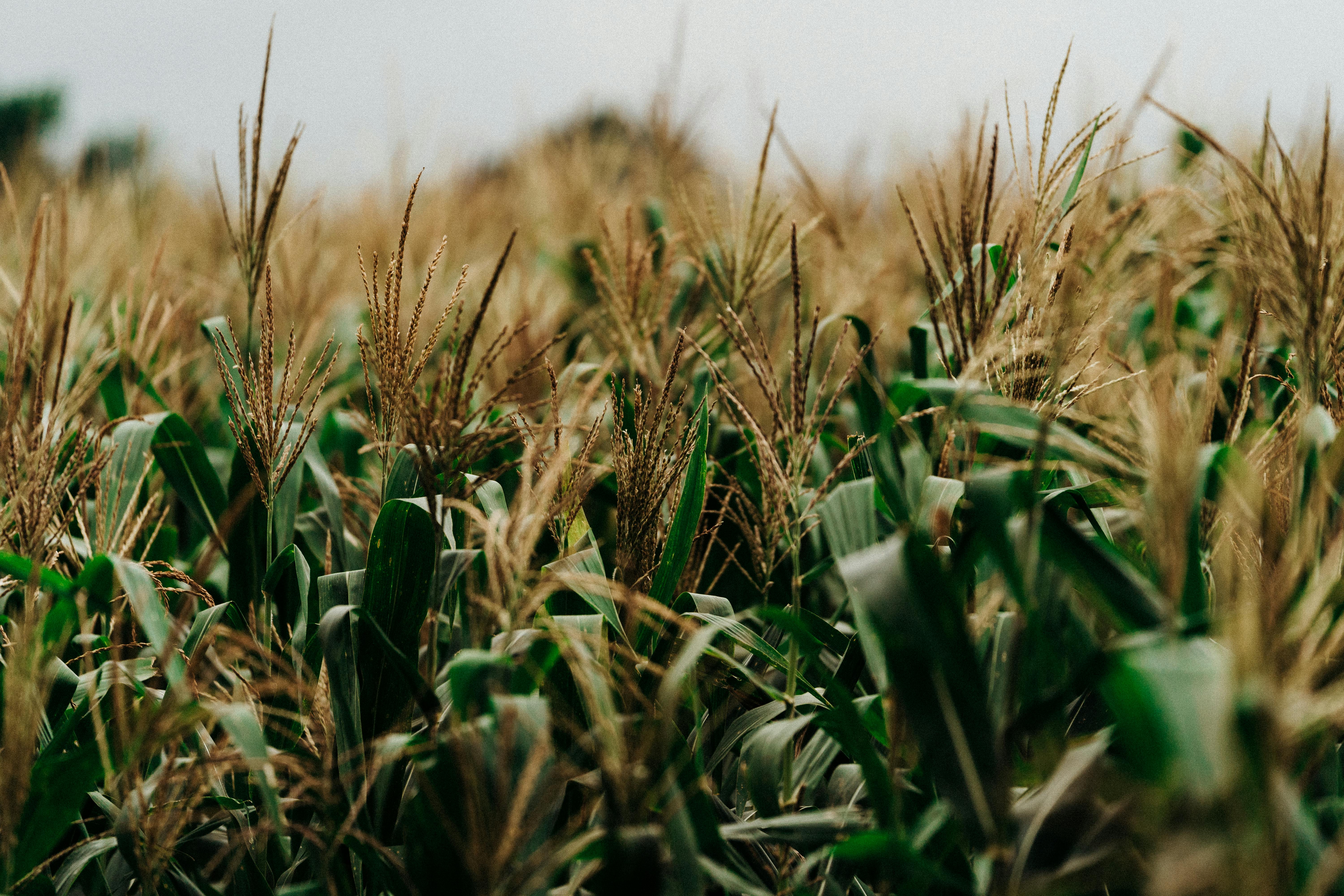 The intercropping of maize and beans is not a new concept in Kenya; it is a time-honored practice that embodies ecological wisdom. Farmers have long understood the synergistic relationship between these two crops. Maize, a staple food, benefits immensely from the nitrogen-fixing capabilities of beans, which enrich the soil naturally. This reduces the need for costly synthetic fertilizers, a major financial relief for smallholder farmers. Moreover, integrating legumes like beans into cropping systems enhances soil structure, increases organic matter, and improves water retention, all critical for sustained agricultural productivity in varied agro-ecological zones.
Key Insights or Strategies
To truly unlock the potential of maize-bean intercropping, Kenyan farmers must adopt specific, data-driven strategies. These insights move beyond traditional methods, integrating scientific understanding with practical application to maximize yields and promote ecological balance.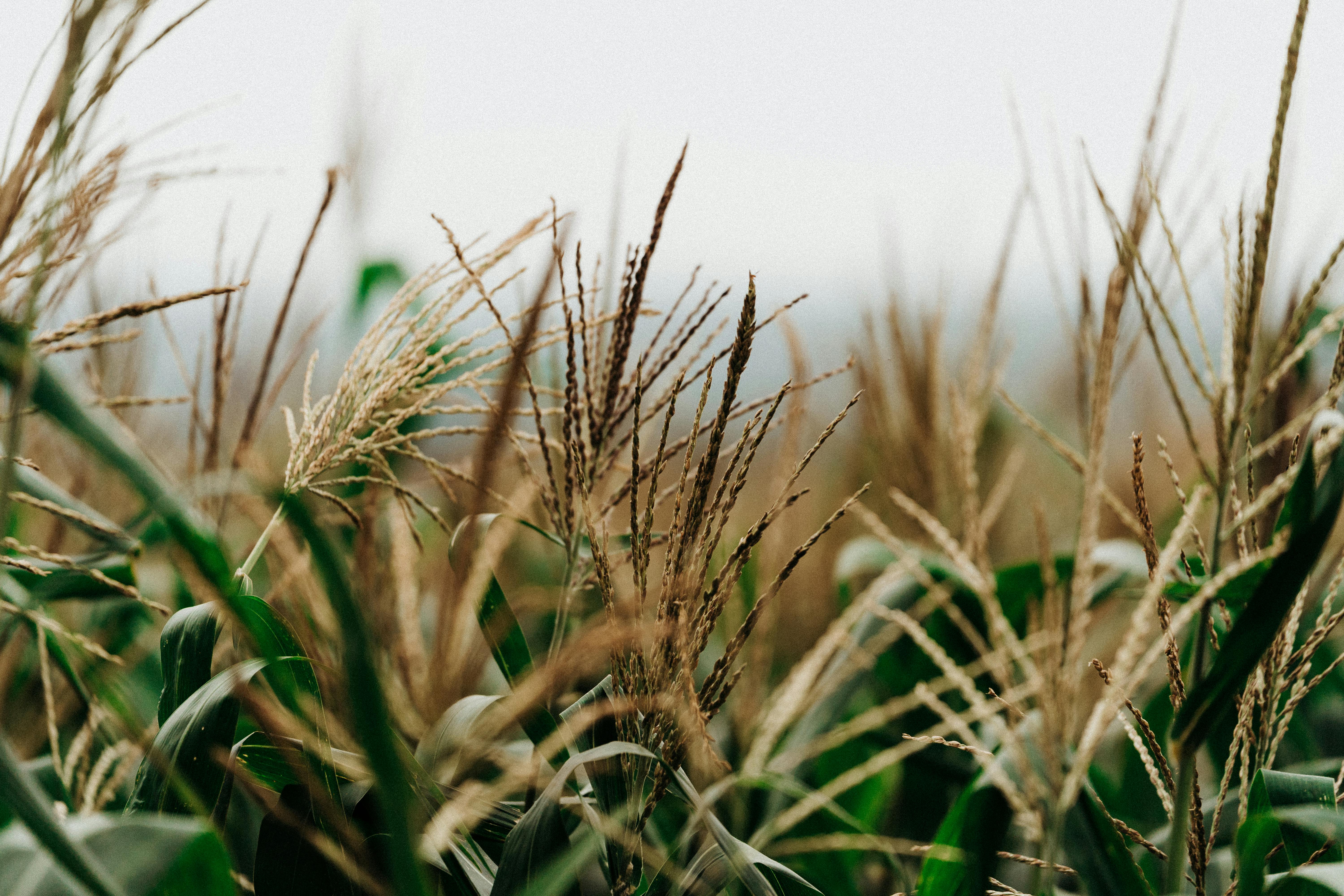
Optimizing Spacing for Maximum Yield
One of the most critical factors for successful intercropping is precise spacing. While intercropping inherently optimizes land use, improper spacing can lead to fierce competition for light, water, and nutrients, ultimately diminishing yields for both crops.- Maintain Optimal Row and Plant Spacing: Establish 45cm between maize rows and 20cm between individual maize plants. For beans, plant them strategically within these maize rows, ensuring they don't overshadow young maize plants. This allows for adequate air circulation and sunlight penetration for both crops.
- Consider Staggered Planting: In some regions, staggering the planting times, allowing maize to establish itself slightly before beans, can further reduce early competition and ensure both crops thrive.
- Monitor Growth: Regularly observe plant growth for any signs of nutrient deficiency or light deprivation, which could indicate a need for slight adjustments in future planting cycles.
Harnessing Natural Pest Control
Relying solely on synthetic pesticides can be detrimental to soil health, beneficial insects, and human health. Natural pest deterrents offer an effective, eco-friendly alternative.- Utilize Neem Extracts: Neem (Azadirachta indica) is a powerful natural insecticide. Prepare neem oil or neem leaf extract sprays to deter common maize and bean pests such as aphids, stalk borers, and weevils.
- Promote Biodiversity: Encourage beneficial insects by planting flowering plants around your fields. These natural predators help keep pest populations in check.
- Crop Rotation: Rotate intercropped fields with other non-host crops to break pest and disease cycles in the soil.
Boosting Soil Health with Nitrogen Fixation
Beans, being legumes, have a remarkable ability to fix atmospheric nitrogen into the soil through a symbiotic relationship with rhizobia bacteria. This natural process is a cornerstone of sustainable agriculture.- Maximize Legume Benefits: Ensure a healthy bean crop within your intercropping system to naturally replenish soil nitrogen. This significantly reduces the need for external nitrogen fertilizers.
- Incorporate Crop Residues: After harvest, chop and incorporate maize stalks and bean plant residues back into the soil. This adds organic matter, improving soil structure, water retention, and nutrient availability.
- Implement Green Manures: Periodically plant cover crops or green manures during fallow periods to further enhance soil organic matter and nutrient cycling.
Case Studies, Examples, or Comparisons
The success of sustainable farming practices in Kenya is not merely theoretical; it is being actively demonstrated by innovative farmers across the country. One compelling example comes from the ongoing efforts of the Kenya Agricultural and Livestock Research Organization (KALRO). Their 2025 trials have meticulously documented how optimizing maize-bean intercropping can lead to a 35% increase in maize yields while simultaneously reducing the reliance on synthetic fertilizers. These trials provide robust, scientific backing for the efficacy of these methods.Furthermore, farmers in Bomet County serve as inspiring early adopters. They have embraced these climate-resilient practices, carefully adjusting their spacing and incorporating natural pest management. The results speak for themselves: these farmers are reporting an impressive 40% higher profits. This success is not just about increased yields; it's about reduced input costs, healthier soils, and a more resilient farming system. Similar initiatives are being supported by organizations like the FAO (Food and Agriculture Organization), which champions sustainable intensification strategies to boost food security and livelihoods for smallholder farmers in East Africa. The collective evidence points to a future where ecological farming is not just a choice, but a profitable necessity. (Source: Food and Agriculture Organization of the United Nations, various reports on sustainable agriculture in East Africa, and KALRO trial data).Common Mistakes to Avoid
Even with the best intentions, farmers can sometimes fall into pitfalls that hinder the success of their sustainable farming efforts. Awareness and proactive measures are key to avoiding these common errors.- Ignoring Soil Health: Many farmers overlook the importance of regular soil testing. Without knowing the soil's pH and nutrient levels, applying the right amendments or adjusting practices becomes a guesswork. This can lead to imbalanced nutrient profiles, poor crop growth, and wasted resources.
- Improper Spacing: As highlighted earlier, incorrect plant spacing in intercropping can lead to intense competition for resources. Planting too densely can stress both maize and bean crops, resulting in stunted growth and reduced yields.
- Over-reliance on Chemical Inputs: While the goal is to reduce synthetic inputs, some farmers might struggle to transition completely or effectively. Over-applying fertilizers can harm soil microorganisms, and indiscriminate pesticide use can kill beneficial insects, disrupting the natural ecosystem.
- Inefficient Water Management: Overwatering wastes precious water and can lead to nutrient leaching and root rot. Conversely, underwatering stresses plants and severely impacts yields, especially during dry spells.
- Lack of Knowledge and Training: Rushing into new farming methods without adequate knowledge or training can lead to costly mistakes. Understanding the principles behind sustainable practices is crucial for successful implementation.
Expert Tips or Best Practices
Building on the insights and lessons from common mistakes, here are expert tips and best practices tailored for Kenyan farmers aiming for sustainable maize and bean intercropping success.- Embrace Integrated Pest Management (IPM): Beyond neem, integrate a range of strategies. This includes biological controls (beneficial insects), cultural practices (timely planting, resistant varieties), and mechanical controls (hand-picking pests). A holistic approach is more effective and sustainable.
- Water Wisely with Drip Irrigation: Water scarcity is a significant challenge. Drip irrigation systems deliver water directly to the plant roots, minimizing evaporation and runoff. This precision watering conserves water and ensures plants receive consistent moisture. Consider investing in a system like the CARPATHEN Adjustable Premium Complete Drip Irrigation System Kit for Garden, Raised Beds – available on Amazon to maximize water efficiency on your farm.
- Continuous Soil Enrichment: Don't just rely on beans for nitrogen. Regularly add compost and well-rotted manure to your soil. This builds organic matter, which is vital for nutrient retention, water holding capacity, and healthy microbial life. For sustained soil health, consider using Organic All-Purpose Granular Fertilizer as a supplementary boost, available on Amazon.
- Seed Selection Matters: Choose disease-resistant and drought-tolerant varieties of both maize and beans. Consult local agricultural extension services for varieties best suited to your specific agro-ecological zone in Kenya.
- Record Keeping is Gold: Keep detailed records of planting dates, fertilizer application, pest outbreaks, control measures, rainfall, and yields. This data is invaluable for making informed decisions and continuously improving your farming practices season after season.
Future Trends or Predictions
Kenya's agricultural sector is on the cusp of a technological and ecological revolution. The future of farming in the country will be defined by innovations that prioritize efficiency, resilience, and environmental stewardship.One of the most significant trends is the rapid adoption of climate-smart irrigation technologies. Predictions indicate that by 2025, over 60% of Kenyan farmers will have integrated these advanced irrigation systems. This includes not only widespread drip irrigation but also smart systems that use sensors and data analytics to optimize water delivery based on real-time soil moisture and weather conditions. These technologies will be crucial in mitigating the impacts of erratic rainfall patterns.Another exciting development is the rise of digital agriculture and Agri-Tech solutions. With high mobile penetration, Kenya is a leader in using digital platforms to connect farmers to markets, provide real-time agricultural advice, and facilitate access to financial services. This trend will only accelerate, incorporating AI-driven crop monitoring, drone technology for field mapping and precision spraying, and blockchain for transparent supply chains.Furthermore, the concept of circular agriculture is gaining traction. This approach emphasizes minimizing waste and maximizing resource efficiency, turning agricultural by-products into valuable inputs, such as converting farm waste into compost or bioenergy. This holistic view of farming aims to create a closed-loop system that is in harmony with nature, reducing ecological footprint and enhancing long-term sustainability.Finally, protected cultivation through greenhouse farming for small-scale operations is becoming more accessible. These kits help create controlled environments, protecting crops from harsh weather and pests, thereby enabling year-round production and higher yields. A portable option like the Quictent Upgraded 6x4FT Portable Greenhouse – available on Amazon offers an excellent starting point for farmers looking to explore this trend. These combined trends paint a picture of a technologically advanced, environmentally conscious, and highly productive agricultural future for Kenya.Conclusion
The journey towards boosted maize profits through sustainable farming in Kenya is not just a possibility, but a tangible reality for countless farmers. By embracing proven strategies like optimizing maize-bean intercropping with precise spacing, harnessing natural pest deterrents, and meticulously improving soil health through nitrogen fixation, farmers can achieve remarkable increases in both yields and profitability. The success stories from KALRO trials and early adopters in Bomet County unequivocally demonstrate the powerful impact of these climate-resilient practices. Moving forward, integrating modern technologies, adopting smart irrigation, and continuously enriching our soils will be paramount. Sustainable farming is not merely a method; it is a philosophy that ensures long-term prosperity for farmers, health for our communities, and vitality for our land. Equip your farm for the future: Discover trusted organic farming tools on Amazon and learn more about sustainable solutions with Biofarm Kenya.FAQs
Q1: What are the primary benefits of intercropping maize and beans?
A1: Intercropping maize and beans offers multiple benefits, including enhanced land use efficiency, improved soil fertility through nitrogen fixation by beans, natural pest and weed suppression, and diversified crop production, leading to increased overall yields and income stability for farmers. Learn more from CIMMYT.
Q2: What is the ideal spacing for maize and beans in an intercropping system?
A2: For optimal results and to minimize resource competition, it is recommended to maintain 45cm between maize rows and 20cm between individual maize plants. Beans can be planted within these rows, ensuring they do not compete excessively with young maize. Refer to KALRO's guidelines for specific local recommendations.
Q3: How does natural pest control, like using neem, benefit intercropping?
A3: Natural pest control methods, such as neem extracts, offer an eco-friendly way to manage pests without relying on synthetic chemicals. Neem acts as a deterrent and growth regulator, protecting both maize and beans from common pests, preserving beneficial insects, and preventing chemical residues in the environment. Explore PlantwisePlus Knowledge Bank for more on sustainable pest management.
Q4: Can maize-bean intercropping significantly reduce the need for synthetic fertilizers?
A4: Yes, absolutely. Common beans are legumes and have the natural ability to fix atmospheric nitrogen into the soil. This biological nitrogen fixation significantly enriches soil fertility, directly reducing the need for costly synthetic nitrogen fertilizers for the maize crop. Find research on nitrogen fixation in sustainable food systems.
Q5: What are some common mistakes Kenyan farmers make in sustainable farming?
A5: Common mistakes include neglecting regular soil testing, improper plant spacing leading to resource competition, over-reliance on chemical inputs, inefficient water management (both over and under-watering), and insufficient knowledge or training in sustainable practices. Agriculture Kenya provides resources to avoid common farming errors.
Q6: Where can Kenyan farmers find reliable resources and support for sustainable farming?
A6: Kenyan farmers can access reliable resources and support from organizations like KALRO, the Ministry of Agriculture, FAO, and local agricultural extension services. Additionally, platforms like Biofarm Kenya offer practical solutions, expert advice, and a network for sustainable organic farming. Connect with Biofarm Kenya for comprehensive sustainable farming solutions.


0 Comments