

Estimated Reading Time: 11 minutes
Table of Contents
- 1. The Foundation: Comprehensive Soil Testing
- 2. Fueling Life: Integrating Organic Compost with Mineral Fertilizers
- 3. Nature's Shield: Harnessing the Power of Cover Cropping
Introduction
Kenya, a nation deeply rooted in agriculture, faces increasing environmental pressures that threaten its food security and economic stability. The specter of climate change, manifest in unpredictable rainfall patterns and prolonged droughts, has brought soil health to the forefront of national dialogue. After 2025’s particularly challenging prolonged droughts and declining yields, Kenyan farmers are increasingly prioritizing soil health, recognizing it as the bedrock of resilient and productive farms. This guide aims to empower farmers to transition from heavy inorganic fertilizer dependence to evidence-backed regenerative practices. By adopting a holistic approach to soil management, Kenyan farmers can not only mitigate the impacts of climate change but also unlock greater yields and long-term sustainability.
The conventional reliance on synthetic fertilizers, while offering short-term gains, has often led to soil degradation, reduced microbial activity, and increased vulnerability to environmental shocks. This comprehensive guide trains farmers to transition from heavy inorganic fertilizer dependence to evidence-backed regenerative practices. We delve into key steps, supported by data from Kenya’s Agricultural Research Institute (2025), which shows farms using a hybrid approach—integrating organic compost with mineral fertilizers and cover cropping—improved yields by 22% compared to a 10% degradation in conventional plots. By embracing these methods, Kenyan farmers can foster healthier ecosystems, reduce input costs, and build a more secure future for their agricultural endeavors.
Background & Context
Agriculture is the backbone of the Kenyan economy, contributing over 20% to the GDP, employing more than 40% of the population, and driving 65% of export earnings. However, this vital sector is highly susceptible to climate variability. Research indicates that climate change is projected to significantly reduce the suitability of conditions for staple crops like maize, with sub-optimal conditions potentially increasing by up to 600% in some catchments. This alarming trend underscores the urgent need for a paradigm shift in farming methodologies.
Organic farming and sustainable agriculture are not just buzzwords; they are becoming essential for survival and prosperity. In East Africa, innovations in sustainable agriculture are rapidly gaining traction, with a focus on Climate-Smart Agriculture (CSA), the integration of indigenous crops, and agroforestry. These practices are designed to simultaneously increase agricultural productivity, enhance resilience to climate change, and reduce greenhouse gas emissions. The rising awareness among Kenyan farmers about the long-term degradation caused by chemical overuse is paving the way for a regenerative revolution, promising healthier soils and more robust harvests.
Key Insights or Strategies for Regenerative Farming

1. The Foundation: Comprehensive Soil Testing
Understanding what your soil needs is the critical first step in any regenerative journey. Blindly applying fertilizers can lead to nutrient imbalances, wastage, and environmental pollution. Soil testing provides a precise snapshot of your soil’s pH, nutrient levels (nitrogen, phosphorus, potassium, micronutrients), and organic matter content. This knowledge allows for targeted nutrient management, ensuring your crops get exactly what they need, when they need it.
By investing in regular soil testing, Kenyan farmers can avoid over-application of costly synthetic inputs, optimize plant health, and build a more robust soil ecosystem.
2. Fueling Life: Integrating Organic Compost with Mineral Fertilizers
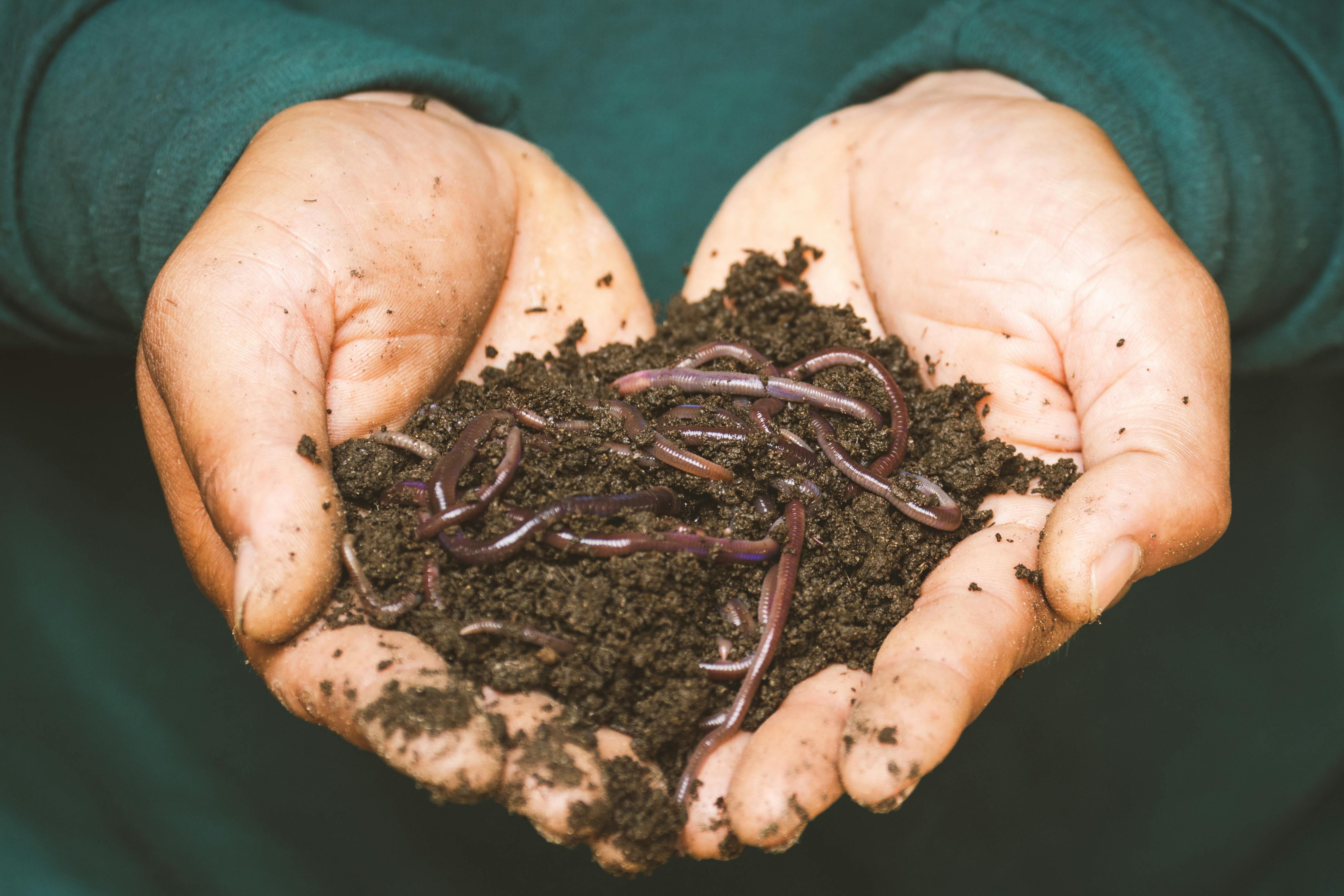
Regenerative agriculture emphasizes feeding the soil, not just the plant. Organic compost is teeming with beneficial microorganisms that enhance soil structure, improve water infiltration and retention, and make nutrients more available to plants. While completely transitioning to organic can be a long process, a hybrid approach—integrating 3-5 tons/acre of organic compost with reduced mineral fertilizers—can kickstart microbial diversity and significantly improve soil health.
This integration helps rebuild soil organic matter, which is crucial for nutrient cycling and water retention, especially in drought-prone areas faced by Kenyan farmers.
3. Nature's Shield: Harnessing the Power of Cover Cropping
Leaving soil bare between main cash crops is a missed opportunity for improvement. Cover crops act as nature’s living mulch, protecting the soil from erosion, suppressing weeds, and contributing organic matter. Leguminous cover crops, in particular, have the remarkable ability to fix atmospheric nitrogen into the soil, reducing the need for synthetic nitrogen fertilizers.
Cover cropping is a powerful regenerative practice that builds soil resilience, enhances biodiversity, and reduces the need for external inputs, benefiting Kenyan farmers facing volatile conditions.
To delve deeper into these and other transformative practices, explore sustainable organic farming solutions with Biofarm Kenya .
Case Studies and Success Stories from Kenyan Farms
Across Kenya, inspiring examples demonstrate the tangible benefits of adopting regenerative practices. In Bungoma County, smallholder maize farmers, traditionally reliant on DAP fertilizer, saw a 25% increase in maize yields after three seasons of incorporating compost and legume cover crops. This was coupled with a significant reduction in input costs, directly improving their livelihoods. The success was attributed to enhanced soil water retention and improved nutrient availability, especially crucial during dry spells.
Another compelling case comes from a women's cooperative in Machakos that adopted climate-smart agriculture principles, including drought-resistant indigenous crops, agroforestry, and efficient drip irrigation systems. Their diversified farming approach not only ensured food security during periods of drought but also generated additional income through the sale of surplus produce and tree saplings. This initiative, supported by local agricultural extension services, showcased how integrated systems can foster both ecological health and economic resilience. The FAO has consistently highlighted similar initiatives across East Africa, emphasizing the role of localized, sustainable innovations in achieving food security and environmental conservation. (Source: FAO East Africa)
These examples underscore that a shift towards regenerative soil practices is not merely theoretical but a proven path to success for Kenyan farmers, offering concrete solutions to contemporary agricultural challenges.
Common Mistakes to Avoid
Transitioning to regenerative agriculture requires diligence and a willingness to learn from common pitfalls. Avoiding these mistakes can save time, resources, and ensure a smoother transition for Kenyan farmers:
By being aware of these common errors, Kenyan farmers can make more informed decisions and accelerate their journey towards truly regenerative and resilient farming systems.
Expert Tips or Best Practices
To truly thrive in the evolving agricultural landscape, Kenyan farmers can adopt several best practices that combine traditional wisdom with modern innovation:
By integrating these expert tips, Kenyan farmers can cultivate not just crops, but also a more sustainable and profitable future for their land. For more insights and resources, explore sustainable organic farming solutions with Biofarm Kenya .
Future Trends or Predictions
The future of Kenyan agriculture is poised for significant transformation, driven by innovation and a growing imperative for sustainability. Several key trends are expected to shape farming practices in the coming years:
These trends paint a picture of a more technologically advanced, resilient, and environmentally conscious agricultural sector in Kenya, driven by the dedication of its farmers and the potential of cutting-edge solutions.
Conclusion: Cultivating a Sustainable Future
The journey towards regenerative agriculture is not just about adopting new techniques; it's about fostering a deeper connection with the land and building resilience for future generations. As Kenyan farmers navigate the complexities of a changing climate, prioritizing soil health through practices like precise soil testing, integrating organic compost, and judicious cover cropping offers a clear path to increased yields and reduced dependence on external inputs. The evidence is compelling: a hybrid approach combining the best of traditional knowledge and modern science leads to healthier soils and more abundant harvests.
By embracing these transformative methods, farmers can improve their economic stability, enhance food security, and contribute to a more sustainable Kenya. The challenges are significant, but so are the opportunities for growth and innovation. Discover trusted organic farming tools on Amazon and learn more about sustainable solutions with Biofarm Kenya . Your soil is your greatest asset; let's nurture it for a prosperous tomorrow.
FAQs: Your Regenerative Farming Questions Answered
Q1: What is regenerative agriculture and how does it differ from organic farming?
A: Regenerative agriculture is a holistic farming approach that focuses on restoring and enhancing ecosystem health, particularly soil health, by increasing biodiversity, sequestering carbon, and improving water cycles. While organic farming prohibits synthetic inputs, regenerative agriculture goes a step further by actively rebuilding soil organic matter and biodiversity, often incorporating practices like no-till, cover cropping, and managed grazing. It aims to not just sustain, but to regenerate degraded ecosystems. (Regeneration International)
Q2: How can smallholder farmers in Kenya afford the initial investment for regenerative practices?
A: While some initial investments might be needed (e.g., for soil testing kits, cover crop seeds, or drip irrigation), many regenerative practices are low-cost or use on-farm resources. Composting uses farm waste, and local seed exchanges can provide cover crop seeds. Additionally, organizations like Biofarm Kenya and various NGOs offer training, micro-financing, and support programs to help smallholder farmers transition affordably. Government incentives and farmer cooperatives also play a crucial role in pooling resources and knowledge. (Biofarm Kenya Partners)
Q3: What are the best cover crops for Kenyan climates and soil types?
A: The best cover crops depend on your specific region and farming goals. Common and effective cover crops for various Kenyan climates include legumes like Crotalaria, Dolichos Lablab, and various types of vetch for nitrogen fixation. Non-legumes such as oats, millet, and daikon radish can improve soil structure and scavenge nutrients. It's crucial to consult local agricultural extension services or experienced regenerative farmers in your area for species best suited to your specific soil and rainfall patterns. (Kenya Agricultural and Livestock Research Organization (KALRO))
Q4: How long does it take to see noticeable improvements in soil health and crop yields with regenerative practices?
A: The timeline for results varies based on the initial soil degradation, the specific practices implemented, and environmental conditions. However, many Kenyan farmers report noticeable improvements in soil structure, water retention, and initial yield stability within 1-3 years. Significant increases in soil organic matter and a substantial reduction in synthetic input dependence typically take 3-5 years or more. Consistency and a long-term perspective are key to realizing the full benefits of regenerative agriculture. (National Environment Management Authority (NEMA) Kenya)
Q5: Can regenerative agriculture help mitigate the effects of drought in Kenya?
A: Absolutely. Regenerative practices are highly effective in building soil resilience to drought. By increasing soil organic matter, practices like composting and cover cropping significantly improve the soil's water holding capacity, allowing it to absorb and retain more moisture during rainy seasons and release it slowly during dry spells. Enhanced soil structure also promotes deeper root penetration, enabling plants to access water from lower soil profiles. These combined effects help crops withstand prolonged periods of dryness, a critical advantage for Kenyan farmers. (World Bank Kenya)
Q6: Where can Kenyan farmers find reliable training and resources on regenerative agriculture?
A: There are numerous resources available. Local agricultural extension offices often provide training and advice. NGOs focused on sustainable agriculture, such as Biofarm Kenya, offer workshops, demonstration farms, and farmer-to-farmer learning networks. Online platforms and communities also provide a wealth of information. Farmers are encouraged to seek out hands-on training and connect with experienced regenerative farmers in their communities to learn best practices tailored to local conditions. (Explore sustainable organic farming solutions with Biofarm Kenya)




0 Comments