

Estimated Reading Time: 18 minutes
Table of Contents
Introduction: Cultivating Resilience in Arid Lands
Introduction: Cultivating Resilience in Arid Lands
In Kenya, where agricultural livelihoods are the backbone of many communities, the specter of erratic rainfall and prolonged droughts looms large. Kenyan farmers are increasingly seeking drought mitigation strategies amid erratic rainfall, a challenge exacerbated by climate change. Traditional farming methods struggle under these conditions, leading to food insecurity and economic hardship. But there's a powerful, sustainable, and surprisingly simple solution gaining traction: sand dams. These innovative structures are transforming arid landscapes into productive agricultural zones, offering a lifeline to communities desperate for reliable water sources.
This guide trains farmers to build sand dams—low-cost, sustainable water storage structures that outperform traditional dams. Unlike conventional dams that store open water susceptible to evaporation, sand dams capture water within riverbed sands, significantly reducing loss and creating a perennial water source. The environmental and economic benefits are profound, making them vital for arid regions.
Background & Context: Kenya's Water Challenge
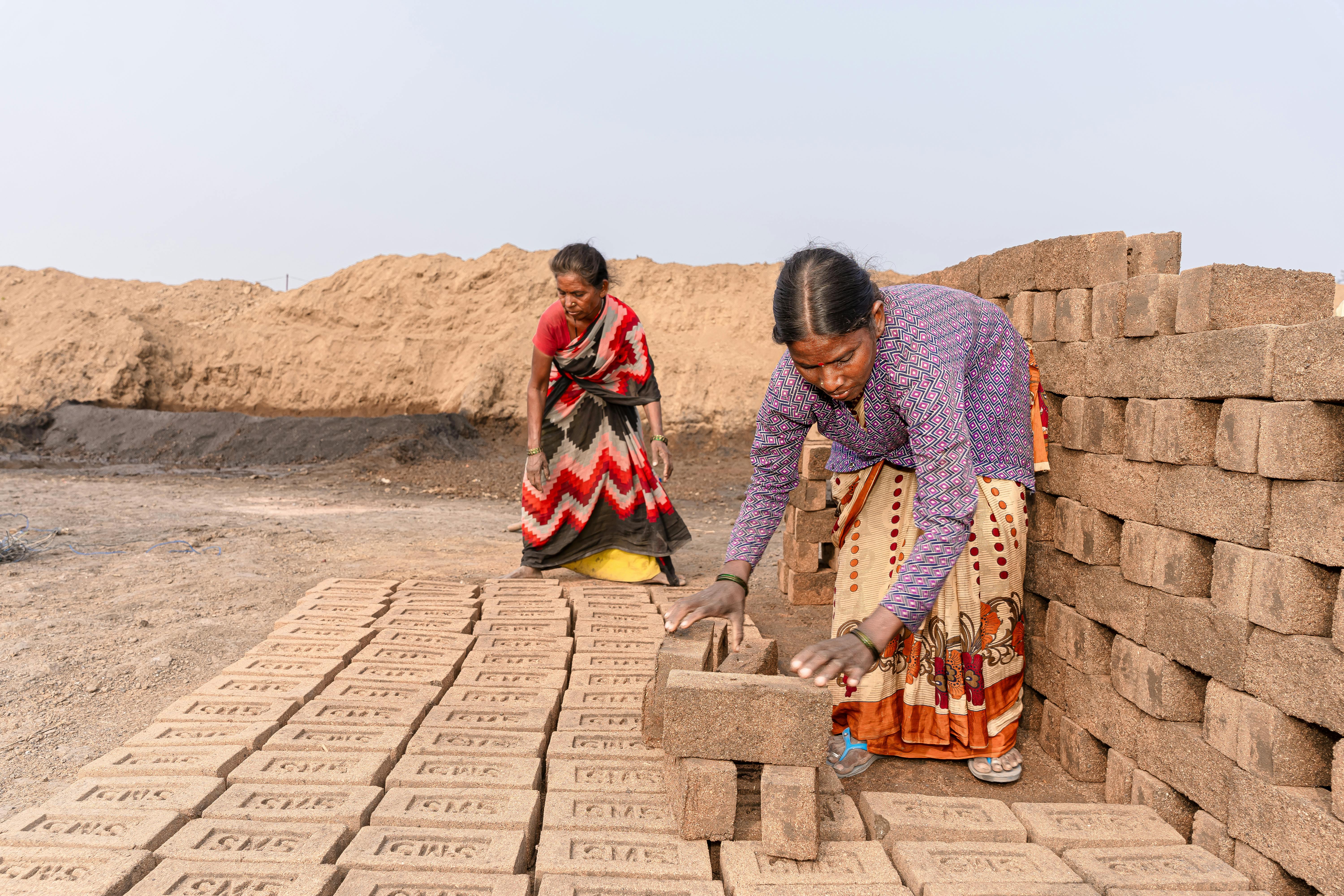
Kenya's agricultural sector, a cornerstone of its economy, faces immense pressure from water scarcity. Approximately 80% of Kenya's landmass is classified as arid or semi-arid (ASALs), home to a significant portion of the country's population and livestock. This vulnerability is compounded by climate change, which brings more frequent and intense droughts, directly impacting crop yields and food security. The National Agriculture Production Report highlights the urgent need for resilient water management solutions to sustain and grow organic farming practices and agribusiness in these regions.
Organic farming in Kenya has seen steady growth, with a substantial increase in certified organic farms. However, this growth is often hampered by the lack of consistent water supply. Sustainable agriculture, which emphasizes ecological balance and resource efficiency, necessitates innovative approaches to water harvesting and conservation. Sand dams present a compelling solution, aligning perfectly with the principles of sustainable and organic farming by providing a reliable water source that supports biodiversity, soil health, and overall ecosystem resilience. Evidence from 2024 NGO trials shows sand dams increase water availability by 300% and reduce erosion, making them vital for arid regions. This underscores their role not just as water infrastructure, but as a holistic tool for ecological restoration.
Key Insights & Strategies for Sand Dam Success
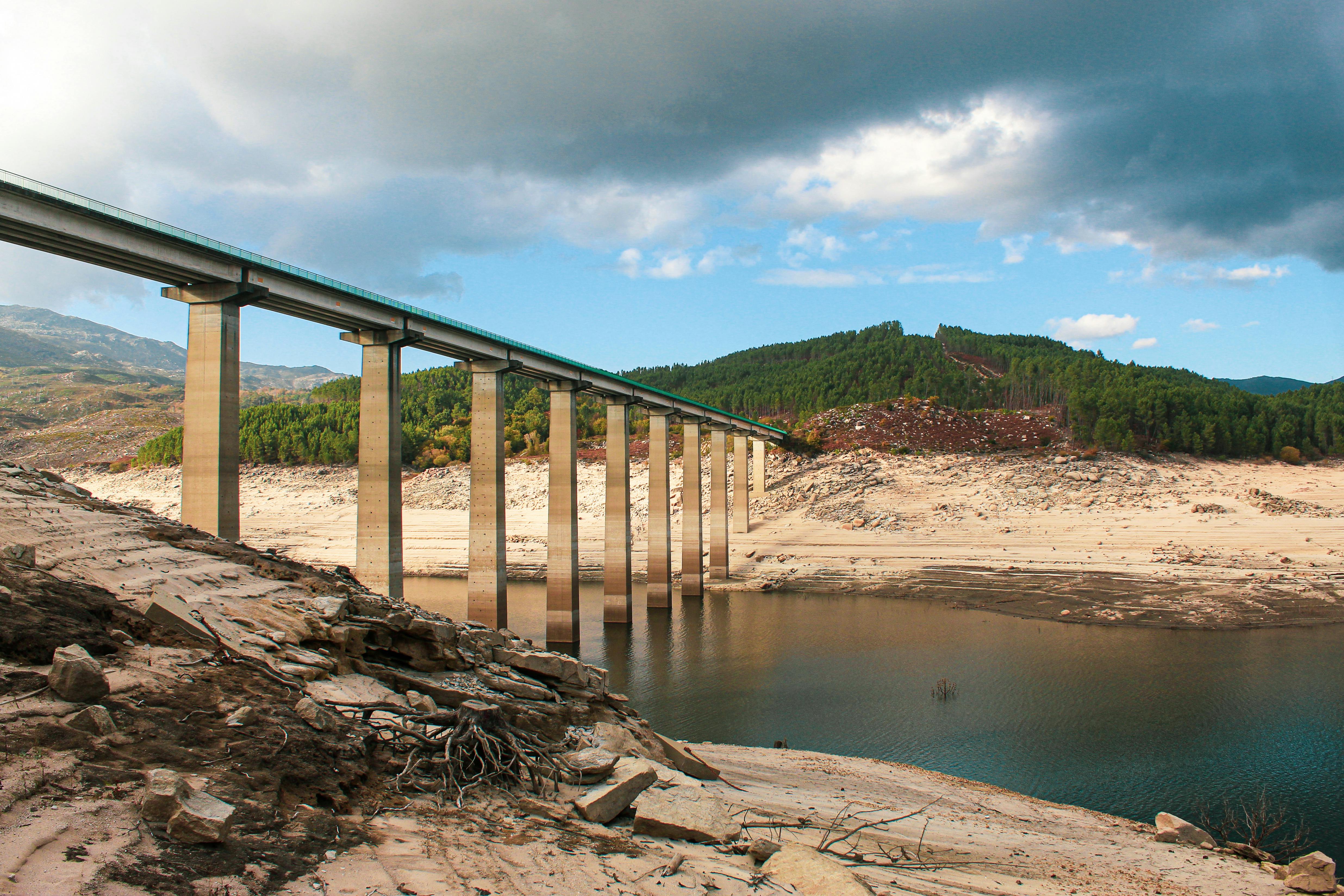
Building effective sand dams requires a strategic approach, blending traditional knowledge with modern engineering principles. Key steps include site selection using geological surveys, community-based construction techniques, and integrating with micro-irrigation.
Choosing the Right Location: Site Selection
The success of a sand dam begins with meticulous site selection. This is not merely about finding a riverbed, but identifying a location with the right geological and hydrological characteristics.
Understanding your soil's composition and pH is also vital for optimizing your farm's productivity, especially when planning for irrigation. For precise measurements, consider the NewTest Soil Test Kit 4 Parameters – available on Amazon , a professional and accurate tool for assessing nutrient levels and pH.
Community-Based Construction Techniques
Sand dams are not just structures; they are community assets. Their construction is inherently participatory, fostering ownership and sustainability.
Community involvement extends beyond building; it includes managing and maintaining the dam, ensuring its longevity and equitable water distribution.
Integrating with Micro-Irrigation
While sand dams provide the water, micro-irrigation systems ensure its efficient use, transforming subsistence farming into more productive agriculture.
By combining sand dams with micro-irrigation, farmers can increase their crop yields, diversify their produce, and achieve greater food security.
To delve deeper into sustainable water management and agricultural practices, Explore sustainable organic farming solutions with Biofarm Kenya.
Case Studies: Sand Dams Transforming Lives
Across Kenya, sand dams have proven their efficacy in revolutionizing arid farming. Organizations like the Africa Sand Dam Foundation (ASDF) have been instrumental in partnering with communities, demonstrating how simple, community-driven engineering can yield immense benefits. In Kitui County, a region frequently hit by drought, numerous communities have successfully constructed sand dams, leading to perennial water availability. A notable example is the Kyalika community, which, with ASDF's support, built several sand dams. These structures have not only provided reliable water for domestic use and livestock but have also enabled irrigated farming for the first time, transforming barren lands into green oases. Farmers in Kyalika have reported significant increases in crop production, cultivating vegetables, fruits, and cereals, thereby enhancing food security and generating income.
The impact extends beyond water. Studies by institutions like Water Resources Management Authority (WRMA) and various NGOs indicate that sand dams contribute to restoring local ecosystems. By elevating the water table, they support the regrowth of indigenous vegetation, reduce soil erosion, and improve groundwater recharge, creating a more resilient environment. These initiatives underscore the powerful synergy between community empowerment and sustainable innovation. The success stories from regions like Machakos and Makueni further validate sand dams as a critical tool for climate change adaptation in Kenya’s ASALs, fostering vibrant agricultural economies where despair once prevailed. (Source: VOA News on sand dam success in Kenya and research on sand dam contributions to water security in Kenya).
Common Mistakes to Avoid
While sand dams offer immense potential, their effectiveness can be undermined by common pitfalls. Avoiding these errors is crucial for long-term success and sustainability.
Firstly, poor site selection is a critical mistake. Building a sand dam in an unsuitable geological location, such as a riverbed with highly permeable bedrock or insufficient sand-carrying capacity, can lead to minimal water retention or even structural failure. It is imperative to conduct thorough geological assessments to ensure the chosen site can effectively store water and accumulate sand.
Secondly, lack of community involvement can doom a project. If communities are not engaged in the planning, construction, and maintenance phases, there will be little sense of ownership or responsibility. This often leads to neglect, disrepair, and unsustainable water management practices. Successful projects are always community-led and driven.
Thirdly, ignoring the upstream catchment area is another common oversight. Without a healthy upstream catchment, the sand dam may not receive sufficient water or sediment to fill properly, or it could be overwhelmed by flash floods and debris. Implementing upstream soil conservation measures, such as terracing and agroforestry, is vital to protect the dam and optimize its function.
Finally, failure to integrate with efficient water use technologies wastes the precious resource. Building a sand dam without incorporating micro-irrigation systems means water might still be used inefficiently through flood irrigation, negating much of the dam's benefit. Always pair sand dams with drip irrigation or other water-saving techniques.
Expert Tips & Best Practices for Maximizing Impact
To truly unlock the potential of sand dams and foster thriving agricultural systems in Kenya's arid lands, consider these expert tips and best practices:
For farmers looking to establish an efficient water delivery system for their crops, especially after building a sand dam, a reliable drip irrigation kit is essential. The Drip Irrigation Kit for Small Farms - Premium Size – available on Amazon , offers a comprehensive solution for precise and water-saving irrigation.
To further enhance your sustainable farming journey and learn more about water conservation techniques specific to your region, Explore sustainable organic farming solutions with Biofarm Kenya.
Future Trends: Innovating for Water-Secure Farming
The future of agriculture in Kenya, particularly in arid regions, is inextricably linked to technological innovation and sustainable practices. Sand dams are just one piece of a larger puzzle. We are on the cusp of a revolution driven by smart farming technologies that promise to make agriculture more resilient, efficient, and productive.
These future trends, combined with foundational strategies like sand dams, paint a hopeful picture for water-secure and sustainable farming in Kenya. Embracing these innovations will be key to feeding a growing population amidst changing climatic conditions.
Conclusion: A Water-Rich Future for Kenyan Agriculture
The challenge of drought in Kenya's arid and semi-arid lands is formidable, but the solution lies within reach—and beneath our feet. Sand dams represent a powerful testament to sustainable innovation, offering Kenyan farmers a robust, low-cost, and community-driven approach to water security. By capturing and storing precious rainfall within riverbed sands, these structures not only provide perennial water sources but also contribute significantly to soil conservation and ecological restoration. The journey to a water-secure agricultural future involves meticulous site selection, strong community engagement, and the smart integration of micro-irrigation systems.
The profound impact of sand dams—increasing water availability by up to 300% and fostering resilient farming communities—underscores their vital role in drought mitigation strategies. As we look ahead, combining these proven methods with emerging smart farming technologies will further fortify Kenya's agricultural sector against the vagaries of climate change. Embracing sand dams is more than just building infrastructure; it's about cultivating resilience, empowering communities, and ensuring a sustainable, food-secure future for all.
Discover trusted organic farming tools on Amazon and learn more about sustainable solutions with Biofarm Kenya .
Frequently Asked Questions (FAQs)
What is a sand dam and how does it work?
A sand dam is a reinforced concrete or masonry wall built across a sandy riverbed in arid areas. Instead of storing open water, it traps sand behind it, allowing rainwater to collect within the porous sand particles. This stored water is protected from evaporation and contamination, making it a clean and reliable source for communities. The sand naturally filters the water, improving its quality. (Source: The Water Project)
How much does it cost to build a sand dam in Kenya?
The cost of building a sand dam varies significantly based on size, location, materials, and labor. However, sand dams are generally considered a low-cost, high-impact solution, especially when leveraging local materials and community labor. Compared to traditional dams or boreholes, they offer a more affordable and sustainable alternative. (Source: PreventionWeb)
What are the environmental benefits of sand dams?
Beyond water provision, sand dams offer numerous environmental benefits. They recharge local aquifers, raise the water table, reduce soil erosion upstream, promote the growth of vegetation along riverbanks, and enhance biodiversity. By stabilizing riverbeds, they also mitigate the impacts of flash floods. (Source: PubMed Central (NIH))
Can sand dams support large-scale agriculture?
Sand dams are primarily designed for small-scale, community-based agriculture and domestic use. While they significantly boost water availability (often by 300% or more for local needs), their capacity might be limited for very large commercial farming operations without additional water harvesting or storage solutions. They are most effective when integrated with efficient micro-irrigation systems. (Source: FAO - Water Harvesting)
How long do sand dams last?
With proper construction and regular maintenance, sand dams can last for more than 50 years. Their durability is enhanced by the fact that the water is stored within the sand, protecting the structure from direct sunlight and minimizing evaporation, which often degrades open water reservoirs. Community involvement in ongoing maintenance is key to their longevity. (Source: Water.org)
Where can Kenyan farmers get support for building sand dams and adopting sustainable farming?
Kenyan farmers can find support from various NGOs specializing in water harvesting and sustainable agriculture, local government initiatives, and agricultural extension services. Organizations like Africa Sand Dam Foundation, The Water Project, and Biofarm Kenya provide training, resources, and community mobilization for sand dam projects and broader sustainable farming practices. (Source: Biofarm Kenya Partners)


0 Comments