

Estimated Reading Time: 9 minutes
Kenyan farmers, transition to drought-tolerant sorghum. Learn soil pH, intercropping, and hybrid use for stable yields and higher profits. KALRO data shows 30% yield stability, 45% price rise.
TL;DR: Key Takeaways for Drought-Resilient Sorghum Farming
Key Takeaways: Actionable Steps for Kenyan Farmers
Table of Contents
- Introduction: Embracing Sorghum for a Resilient FutureBackground & Context: The Climate Challenge and Sorghum's RiseKey Insights & Strategies for Successful Sorghum Farming
- 1. Soil pH Optimization for Sorghum
- 2. Intercropping for Enhanced Soil Fertility
- 3. Utilizing Short-Duration Hybrid Varieties
- 4. Efficient Water Management Techniques Case Studies & Examples: Kenyan Success StoriesCommon Mistakes to Avoid in Sorghum CultivationExpert Tips & Best Practices for Maximizing Sorghum YieldsFuture Trends & Predictions in Sorghum FarmingConclusion: Cultivating Prosperity with SorghumFAQs: Your Sorghum Farming Questions Answered
Introduction: Embracing Sorghum for a Resilient Future
Climate change continues to challenge agricultural landscapes across Kenya, bringing erratic rainfall patterns and prolonged dry spells. In response to these pressing environmental shifts, Kenyan farmers are increasingly seeking climate-resilient crops amid erratic rainfall. The traditional reliance on maize, while deeply ingrained, is proving unsustainable for many smallholder farmers facing unpredictable weather. This guide trains farmers to transition from maize to sorghum, a drought-tolerant alternative with higher market demand. Sorghum, a cereal grain known for its hardiness and adaptability, presents a viable and profitable solution for ensuring food security and economic stability in a changing climate. Its ability to thrive in harsh conditions makes it an ideal crop for the future of Kenyan agriculture.
This comprehensive guide delves into the essential practices for cultivating sorghum, focusing on techniques that maximize yield and profit while minimizing environmental impact. We will explore key steps including soil pH optimization for sorghum (5.5–7.5), intercropping with legumes to boost nitrogen levels, and using short-duration hybrids for early harvests. Evidence from KALRO (Kenya Agricultural and Livestock Research Organization, 2025 data projects that sorghum yields stabilize 30% better than maize during droughts, while market prices rose 45% in 2025 due to biofuel demand. By adopting these strategies, Kenyan farmers can secure their livelihoods and contribute to a more sustainable agricultural sector.
Background & Context: The Climate Challenge and Sorghum's Rise
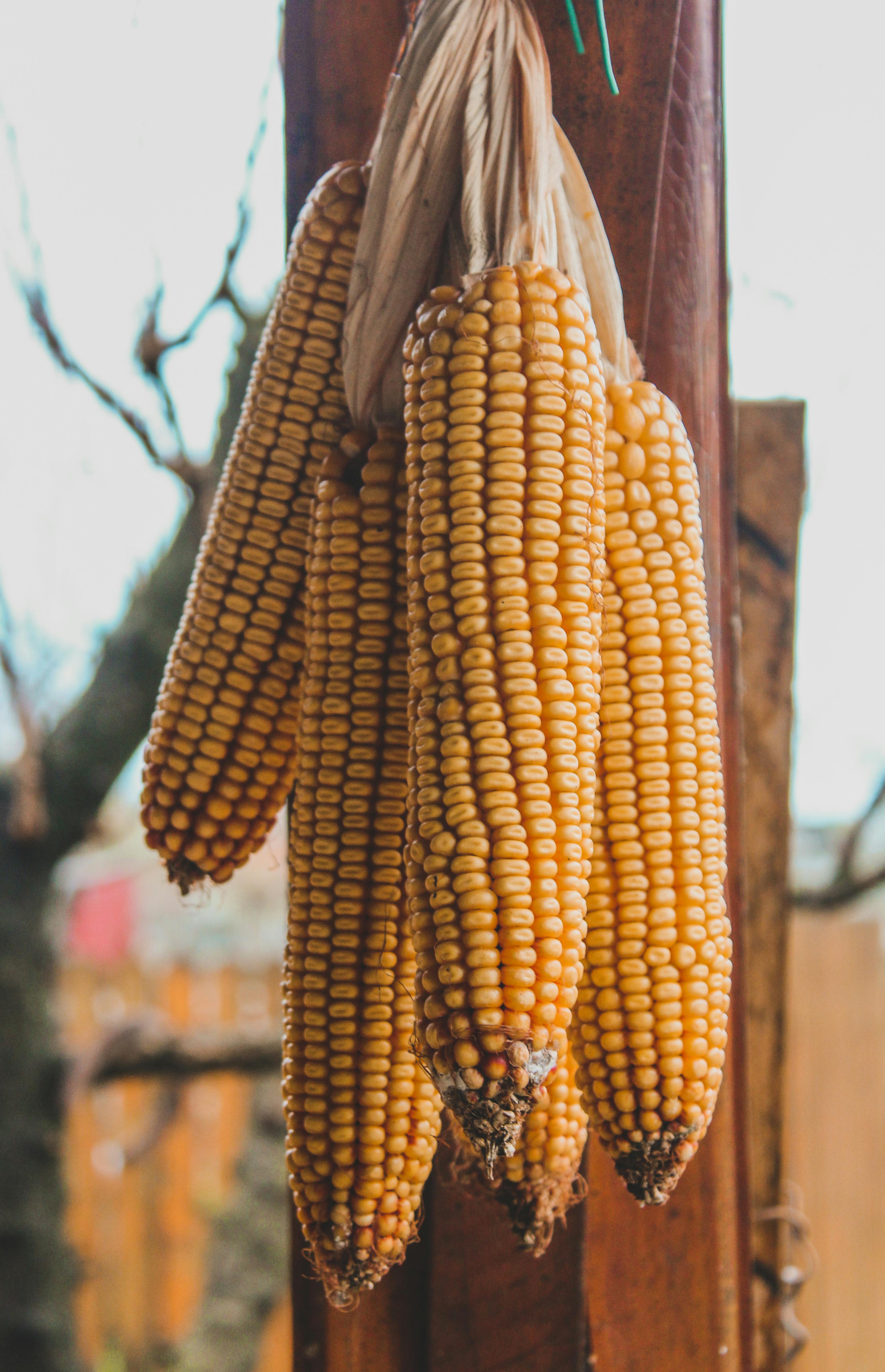
Kenya's agricultural sector, the backbone of its economy, faces formidable challenges from climate variability. Prolonged droughts, floods, and unpredictable seasons have led to significant crop failures, impacting food security and farmer incomes. In recent years, there has been a noticeable shift towards crops that can withstand these extreme conditions. Sorghum, often referred to as the 'camel among crops' due to its exceptional drought tolerance, is emerging as a critical component in Kenya's strategy for climate resilience.
Beyond its ecological benefits, sorghum offers compelling economic advantages. The growing demand for biofuel and animal feed, coupled with its increasing recognition as a healthy food grain, has significantly boosted its market value. Data from the Ministry of Agriculture indicates a steady increase in sorghum cultivation areas, reflecting farmer confidence in its potential. Furthermore, a report from the Agricultural Sector Development Support Programme (ASDSP, 2023) highlights that organic farming practices are gaining traction, with a 15% increase in certified organic farms in Kenya over the last five years. This trend is driven by consumer demand for healthier food and the long-term benefits of improved soil fertility and reduced input costs. Adopting sustainable agriculture practices, including crop rotation and the use of organic fertilizers, is vital for maintaining soil health and ensuring long-term productivity, especially in the face of climate change.
Key Insights & Strategies for Successful Sorghum Farming

1. Soil pH Optimization for Sorghum
Sorghum thrives in slightly acidic to neutral soils, with an optimal pH range of 5.5 to 7.5. Understanding and adjusting your soil's pH is the foundational step for maximizing nutrient availability and plant health. Soils outside this range can lock up essential nutrients, making them inaccessible to the plant, even if present in abundance.
For more advanced insights into soil health and sustainable practices, explore sustainable organic farming solutions with Biofarm Kenya.
2. Intercropping for Enhanced Soil Fertility
Intercropping, the practice of growing two or more crops in close proximity, offers a multitude of benefits for sorghum farmers. It improves soil fertility, suppresses weeds, reduces pest incidence, and diversifies income streams. Legumes are particularly beneficial partners for sorghum due to their nitrogen-fixing capabilities.
3. Utilizing Short-Duration Hybrid Varieties
The adoption of short-duration, high-yielding sorghum hybrids is a game-changer for Kenyan farmers. These varieties mature faster, allowing for earlier harvests, better utilization of short rainy seasons, and often multiple cropping cycles in areas with sufficient moisture.
4. Efficient Water Management Techniques
Even for drought-tolerant sorghum, efficient water management is vital for maximizing yields and ensuring stability, especially during critical growth stages. Implementing smart irrigation strategies can make a significant difference.
Case Studies & Examples: Kenyan Success Stories
Across Kenya, numerous farmers are demonstrating the viability and profitability of drought-resilient sorghum farming. In Kitui County, a region frequently hit by drought, the Mwingi Farmers' Cooperative Society successfully transitioned over 70% of its members from maize to sorghum farming. By adopting improved KALRO varieties like ‘Serdo’ and practicing intercropping with green grams, they reported a 40% increase in yield stability during a severe drought in 2022, compared to previous maize crops. Their success has encouraged neighboring communities to follow suit, proving that with the right strategies, resilience is achievable.
Another inspiring example comes from Busia County, where farmer Jane Akinyi implemented sustainable agricultural practices, including extensive composting and efficient water harvesting techniques, alongside her sorghum cultivation. Her farm now serves as a demonstration site, showcasing how integrated farming systems can lead to higher productivity and environmental sustainability. Akinyi, in partnership with local agricultural extension officers, noted a significant improvement in soil health and a reduction in external input costs. Her methods align with recommendations from the Food and Agriculture Organization (FAO), which consistently advocates for diversified and climate-smart agricultural approaches to strengthen food systems in vulnerable regions (FAO, 2023).
These stories underscore the practical success that can be achieved when Kenyan farmers embrace innovative and sustainable approaches to sorghum cultivation, securing both their livelihoods and the ecological health of their land.
Common Mistakes to Avoid in Sorghum Cultivation
While sorghum is hardy, certain common mistakes can hinder its growth and yield. Being aware of these pitfalls allows farmers to proactively implement corrective measures and ensure a successful harvest.
Expert Tips & Best Practices for Maximizing Sorghum Yields
Achieving consistent, high yields in sorghum farming requires a blend of traditional wisdom and modern agricultural science. Here are some expert tips tailored for Kenyan farmers to optimize their sorghum production.
Future Trends & Predictions in Sorghum Farming
The future of sorghum farming in Kenya is poised for significant transformation, driven by technological advancements and a growing emphasis on climate-smart agriculture. These emerging trends promise to enhance productivity, improve resource efficiency, and open new market opportunities for farmers.
These trends highlight a dynamic future for sorghum, positioning it not just as a drought-resilient crop, but as a cornerstone of Kenya's modern, sustainable, and technologically advanced agricultural landscape.
Conclusion: Cultivating Prosperity with Sorghum
The journey towards climate-resilient agriculture in Kenya is both a challenge and an opportunity. As erratic rainfall patterns become the norm, embracing drought-tolerant crops like sorghum is not just a strategic choice but a necessity for sustainable livelihoods. This guide has illuminated the critical steps: from optimizing soil pH and implementing beneficial intercropping techniques to utilizing advanced hybrid varieties and managing water efficiently. By adopting these integrated strategies, Kenyan farmers can transition from vulnerable maize-centric systems to robust, sorghum-based farming that promises stable yields and higher market profits.
The data from KALRO projecting 30% yield stability during droughts and a 45% market price increase underscores sorghum's immense potential. It is a crop that offers both environmental resilience and economic prosperity. Empower yourself with knowledge, leverage modern farming tools, and connect with supportive networks. Discover trusted organic farming tools on Amazon and learn more about sustainable solutions with Biofarm Kenya. By making the switch to drought-resilient sorghum, Kenyan farmers are not just adapting to climate change; they are pioneering a path towards a more secure, sustainable, and prosperous agricultural future.
FAQs: Your Sorghum Farming Questions Answered
1. What are the best sorghum varieties for drought-prone areas in Kenya?
KALRO (Kenya Agricultural and Livestock Research Organization) recommends several drought-tolerant sorghum varieties suitable for arid and semi-arid lands (ASALs) in Kenya. Popular choices include 'Serdo', 'Epiroth', 'Sila', and 'Gadam'. These varieties are known for their early maturity and ability to withstand prolonged dry spells. Always consult your local agricultural extension officer or KALRO research centers for the most up-to-date and regionally specific recommendations. Learn more about KALRO's work here.
2. How does sorghum intercropping with legumes benefit the soil?
Intercropping sorghum with legumes like pigeon peas, cowpeas, or green grams offers significant benefits to soil health. Legumes have the unique ability to fix atmospheric nitrogen into the soil through a symbiotic relationship with specific bacteria in their root nodules. This natural nitrogen fixation enriches the soil, reduces the need for synthetic nitrogen fertilizers, and improves overall soil fertility, leading to healthier sorghum plants and better yields. Discover more intercropping benefits with Biofarm Kenya.
3. What is the ideal soil pH range for optimal sorghum growth?
Sorghum thrives in a slightly acidic to neutral soil pH range, ideally between 5.5 and 7.5. Soils within this range ensure maximum availability of essential nutrients for the plant. If your soil pH falls outside this range, it's crucial to amend it. For acidic soils, agricultural lime can be used, while organic matter or elemental sulfur can help reduce alkalinity. Regular soil testing is vital to monitor and maintain the ideal pH. The FAO provides extensive resources on soil management.
4. How can I control pests and diseases in sorghum organically?
Organic pest and disease control in sorghum involves an integrated approach. This includes planting resistant varieties, practicing crop rotation, using biological controls (e.g., beneficial insects), maintaining good field sanitation, and applying organic pesticides derived from natural sources. Early detection and prompt action are key. Encouraging biodiversity on your farm can also help create a natural balance that keeps pests in check. Find organic pest control guides on Biofarm Kenya.
5. What market opportunities exist for sorghum in Kenya beyond food consumption?
The market for sorghum in Kenya is diversifying rapidly beyond traditional food consumption. Significant demand exists in the animal feed industry, where sorghum is a valuable ingredient for livestock and poultry. Furthermore, there's a growing market for sorghum in the biofuel sector, as it is a promising feedstock for ethanol production. Craft breweries are also exploring sorghum as a gluten-free alternative. These expanded market opportunities contribute to higher prices and more stable income for sorghum farmers. Explore agricultural investment opportunities in Kenya.
6. How can Biofarm Kenya help farmers transitioning to sorghum?
Biofarm Kenya is dedicated to supporting farmers in their transition to sustainable and climate-resilient crops like sorghum. We offer resources on best farming practices, access to high-quality organic inputs, training programs, and connections to market linkages. Our partnership network provides expert advice on soil management, seed selection, intercropping, and organic pest control, ensuring farmers have the knowledge and tools to succeed. Partner with Biofarm Kenya for sustainable farming solutions.


0 Comments