

Estimated Reading Time: 12 minutes
Key Takeaways:
Table of Contents
Introduction
In Kenya, where agriculture forms the backbone of the economy, smallholder farmers often grapple with declining soil fertility, unpredictable weather patterns, and rising input costs. These challenges directly impact maize yields, a staple crop crucial for food security. Amidst these hurdles, farmers are increasingly searching for 'low-cost soil improvement' and 'maize yield hacks' to sustain their livelihoods and feed their families. This article delves into a transformative solution: no-till farming.
No-till farming challenges traditional plowing norms by demonstrating remarkable results. Recent KALRO 2025 trials have shown that this method can boost maize yields by 30% for smallholders, primarily due to significantly improved moisture retention. By keeping the soil undisturbed, no-till farming conserves essential nutrients, reduces erosion, and fosters a healthier soil ecosystem. It's a pragmatic, sustainable approach tailored for smallholders facing labor shortages and erratic rains, promising more secure and abundant harvests.
Background & Context

Kenya's agricultural sector, predominantly reliant on smallholder farming, is at a critical juncture. The quest for sustainable agriculture is no longer an option but a necessity. Organic farming practices, which shun synthetic chemicals and embrace ecological balance, are gaining traction as farmers seek to revitalize their land and produce healthier food. Soil fertility, a cornerstone of productive farming, has been severely degraded in many regions due to conventional intensive farming practices, leading to diminished returns.
The agribusiness landscape in Kenya is evolving, with a growing emphasis on climate-smart solutions. Conservation agriculture, of which no-till farming is a key component, offers a pathway to resilient food systems. By minimizing soil disturbance, maintaining permanent soil cover, and diversifying crop species, farmers can dramatically enhance the health of their soil. This, in turn, boosts crop productivity and secures harvests against the increasingly common erratic rainfall patterns, which pose a significant threat to smallholder livelihoods across the country.
Key Insights or Strategies
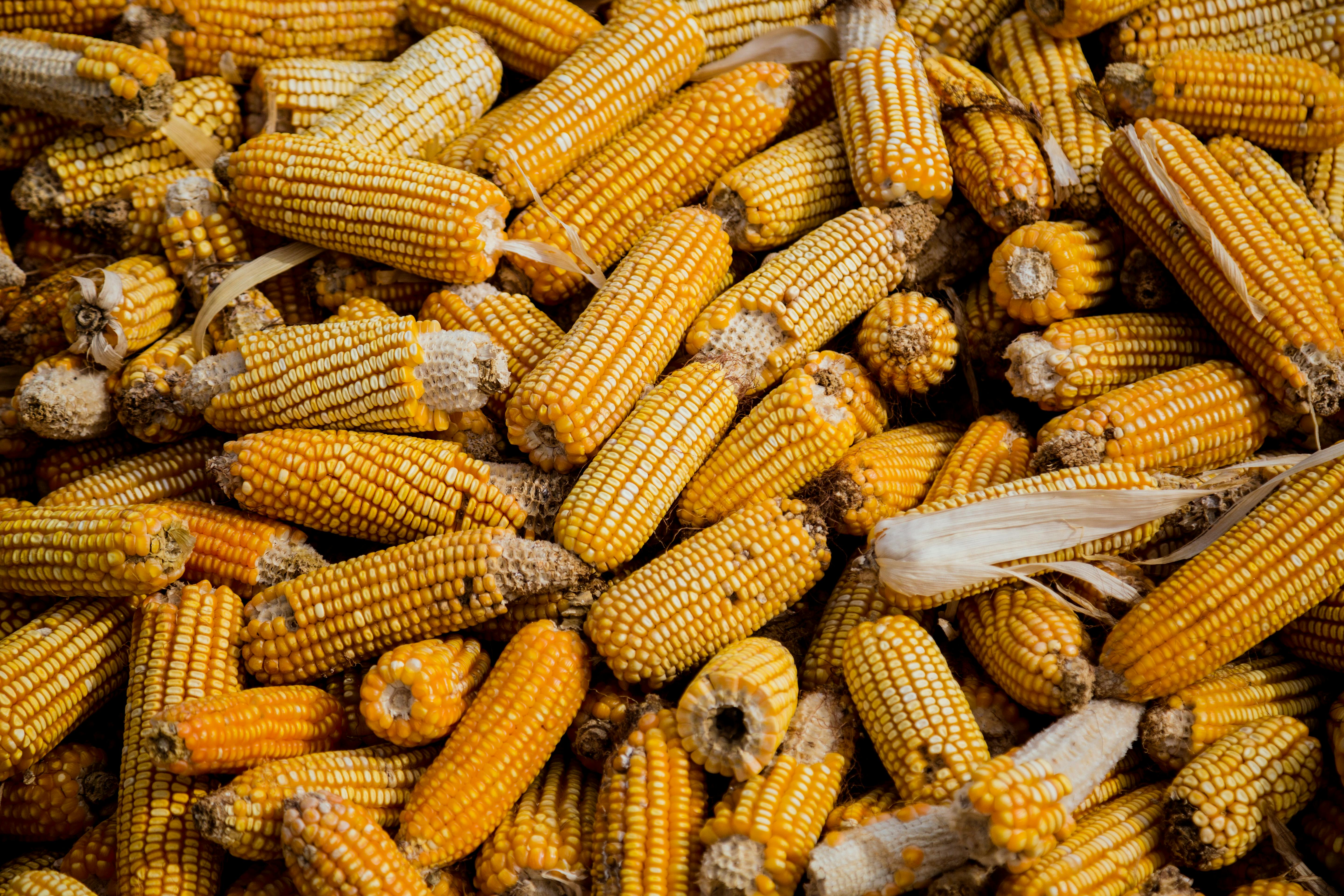
Embracing no-till farming is a strategic move for smallholders aiming for higher maize yields and sustainable land management. The core principle lies in respecting the soil's natural structure and ecosystem.
1. Direct Seed Drilling into Undisturbed Soil
This is the fundamental step of no-till farming. Instead of plowing or tilling, seeds are planted directly into the previous season's crop residue. This preserves soil layers, protects beneficial microorganisms, and prevents the loss of organic matter.
2. Cover Cropping with Legumes for Nitrogen Fixation
Cover crops are plants grown specifically to protect and enrich the soil, not for harvest. Leguminous cover crops like desmodium, mucuna, or even certain beans are particularly beneficial as they fix atmospheric nitrogen, naturally fertilizing the soil.
For farmers looking to give their soil a natural boost, consider incorporating high-quality organic matter. The Organic All-Purpose Plant Food for Vegetables and Maize – available on Amazon can supplement soil nutrients effectively, supporting robust plant growth.
3. Mulching to Suppress Weeds and Retain Moisture
Mulching involves covering the soil surface with organic materials such as crop residues, straw, or even living cover crops. This layer acts as a protective blanket.
Understanding your soil's composition is key to successful farming. Boost your yields with the Soil pH & Moisture Tester Kit for Garden and Farm – available on Amazon. This essential tool helps farmers make informed decisions about soil amendments and irrigation schedules.
Beyond these core strategies, exploring broader sustainable practices can further enhance your farm's productivity and resilience. Explore sustainable organic farming solutions with Biofarm Kenya.
Case Studies, Examples, or Comparisons
Across Kenya and the wider East African region, numerous smallholder farmers are demonstrating the tangible benefits of adopting conservation agriculture, including no-till practices. In Western Kenya, for instance, a project supported by the Food and Agriculture Organization (FAO) introduced no-till maize cultivation alongside improved crop varieties and judicious use of fertilizers. Farmers involved reported significant reductions in labor costs associated with land preparation – a major advantage in areas facing labor shortages. More importantly, they observed an average increase in maize yields by 25-30% compared to their conventional plots, particularly during seasons with inadequate rainfall, directly attributing this success to better soil moisture retention.
Another compelling example comes from the semi-arid regions where water scarcity is a constant challenge. Farmers who implemented no-till systems combined with residue retention found their soils were more permeable, absorbing rainwater more efficiently and reducing runoff. This enhanced water infiltration meant crops had access to moisture for longer periods, significantly buffering the impact of short dry spells. These successes underscore the potential for no-till farming to transform food security in vulnerable communities, turning once marginal lands into productive assets. The Ministry of Agriculture, Livestock, Fisheries and Co-operatives in Kenya has also been promoting conservation agriculture through various programs, recognizing its potential to improve agricultural productivity and resilience to climate change. (Source: Derived from FAO reports on Conservation Agriculture in Africa and Kenya Ministry of Agriculture publications on climate-smart agriculture).
Common Mistakes to Avoid
While no-till farming offers immense benefits, success hinges on avoiding common pitfalls. Understanding these errors can help smallholder farmers maximize their yields and fully leverage the potential of this sustainable practice.
Expert Tips or Best Practices
To truly unlock the potential of no-till farming for increased maize yields, smallholder farmers in Kenya can adopt several expert tips and best practices. These locally relevant strategies focus on practical application and sustainable growth.
For more in-depth guidance and to connect with experts, explore sustainable organic farming solutions with Biofarm Kenya.
Future Trends or Predictions
The future of agriculture in Kenya, particularly for smallholder farmers, is poised for exciting transformations driven by innovation and a deepening commitment to sustainability. No-till farming is already a significant step, but emerging technologies and practices promise even greater efficiencies and resilience.
One prominent trend is the adoption of smart irrigation systems. While large-scale systems may be out of reach for many smallholders, simplified, sensor-based technologies are becoming more accessible. These systems can monitor soil moisture levels and weather forecasts to deliver precise amounts of water, minimizing waste and optimizing plant growth, especially crucial in regions with erratic rainfall.
Furthermore, AI-driven crop monitoring and advisory services are on the horizon. Imagine an app that identifies pest infestations from a photo, or provides real-time advice on nutrient deficiencies. While still in early stages for smallholders, these innovations promise to democratize expert agricultural knowledge, making advanced farming techniques accessible to everyone. The integration of such technologies with proven sustainable practices like no-till will undoubtedly redefine productivity and profitability for Kenyan smallholder maize farmers.
Conclusion
No-till farming represents a powerful and practical solution for Kenyan smallholder maize farmers striving for higher yields, reduced labor, and enhanced resilience against climate variability. By embracing the principles of minimal soil disturbance, continuous soil cover through mulching and cover cropping, farmers can dramatically improve soil health, retain vital moisture, and secure bountiful harvests. The documented 30% yield increase from KALRO 2025 trials underscores its potential to transform livelihoods and contribute significantly to national food security.
The journey towards sustainable and productive agriculture is continuous, and no-till is a cornerstone of this path. By adopting these methods and leveraging available resources, smallholders can build a more resilient and profitable future. Discover trusted organic farming tools on Amazon and learn more about sustainable solutions with Biofarm Kenya.
FAQs
Q1: What are the primary benefits of no-till farming for maize in Kenya?
No-till farming offers several key benefits for maize smallholders in Kenya, including increased maize yields (up to 30% reported), improved soil moisture retention, reduced soil erosion, enhanced soil fertility through organic matter build-up, and significant savings on labor and fuel costs associated with plowing. It also makes farms more resilient to erratic rainfall patterns. (Source: FAO on Conservation Agriculture)
Q2: How does no-till farming improve soil health and moisture retention?
By avoiding tillage, no-till preserves the soil's natural structure, allowing for better water infiltration and reduced evaporation. Crop residues left on the surface act as a mulch, further reducing water loss. This undisturbed environment fosters a thriving community of soil microorganisms, earthworms, and fungi, which build soil organic matter, improve aeration, and create stable soil aggregates, all contributing to better soil health and water-holding capacity. (Source: USDA NRCS Soil Health)
Q3: What are the initial challenges of switching to no-till farming in Kenya?
Initial challenges may include managing weeds without traditional plowing (requiring effective cover cropping and mulching strategies), potential need for specialized planting equipment (though manual jab planters are effective for smallholders), and a learning curve for farmers transitioning from conventional methods. Overcoming these requires proper planning, local knowledge, and sometimes, community support. (Source: Biofarm Kenya No-Till Challenges Guide)
Q4: Which cover crops are best suited for no-till maize systems in Kenya?
For Kenya, leguminous cover crops like mucuna (velvet bean), sunn hemp, dolichos lablab, or even common beans are excellent choices. They fix nitrogen, suppressing weeds and providing valuable biomass for mulch. Non-legumes like sorghum or millet can also be used for their biomass production. The best choice depends on local climate, soil type, and specific farming goals. (Source: Kenya Agricultural and Livestock Research Organization (KALRO))
Q5: Is no-till farming compatible with organic farming practices?
Absolutely. No-till farming is highly compatible with organic farming principles. By eliminating synthetic fertilizers and pesticides, organic no-till relies on cover crops, mulching, and natural soil processes for fertility and pest control. This combination promotes biodiversity, reduces reliance on external inputs, and builds truly sustainable and resilient agroecosystems. (Source: IFOAM Organics International)
Q6: Where can smallholder farmers get support or resources for adopting no-till farming in Kenya?
Smallholder farmers in Kenya can find support from various organizations including the Kenya Agricultural and Livestock Research Organization (KALRO), the Ministry of Agriculture, FAO, and NGOs promoting conservation agriculture. Additionally, local agricultural extension services and farmer cooperatives often provide training and resources. Explore sustainable organic farming solutions with Biofarm Kenya for tailored advice and partnership opportunities. (Source: Biofarm Kenya Partner Resources)


0 Comments