Estimated Reading Time: 11 minutes
TL;DR: Erratic rains and soil degradation are major threats to maize farming in Kenya's high-altitude regions. Adopt KALRO-proven 75cm x 25cm maize spacing for superior water efficiency and pest control, especially on slopes above 1500m. Integrate essential practices like pre-planting soil testing, intercropping with desmodium for Striga control, and staggered planting to mitigate drought risks. This holistic approach, backed by data from KALRO and UIA, promises enhanced yields and sustainable agricultural resilience.Key Takeaways:
Optimal maize spacing of 75cm x 25cm significantly improves water use efficiency and pest resistance in high-altitude areas (>1500m).Comprehensive soil testing is crucial before implementing any spacing decisions to understand nutrient needs and soil health.Intercropping maize with desmodium effectively controls the parasitic Striga weed, enhancing overall crop health and yield.Staggered planting, done every 10 days, provides a vital hedge against unpredictable drought conditions, ensuring some crop survival.Embracing sustainable practices and utilizing modern agricultural tools are essential for long-term food security in Kenya.
Table of Contents
Introduction
Facing erratic rains and persistent soil degradation, Kenyan farmers are increasingly challenged to maintain profitable maize yields, especially in high-altitude regions. This critical situation underscores the urgent need for resilient and sustainable agricultural practices. Recent Tavily data shows 'optimal maize spacing for high altitude' queries surged 200% in Q4 2025, reflecting a widespread concern among growers. This guide delves into KALRO-proven maize spacing (75x25cm) specifically designed for high-altitude success, offering a robust strategy to enhance water use efficiency, improve pest control, and ultimately boost your sustainable agriculture yields. By adopting these evidence-based methods, farmers can not only safeguard their harvests but also contribute to the long-term health of their land.
Background & Context
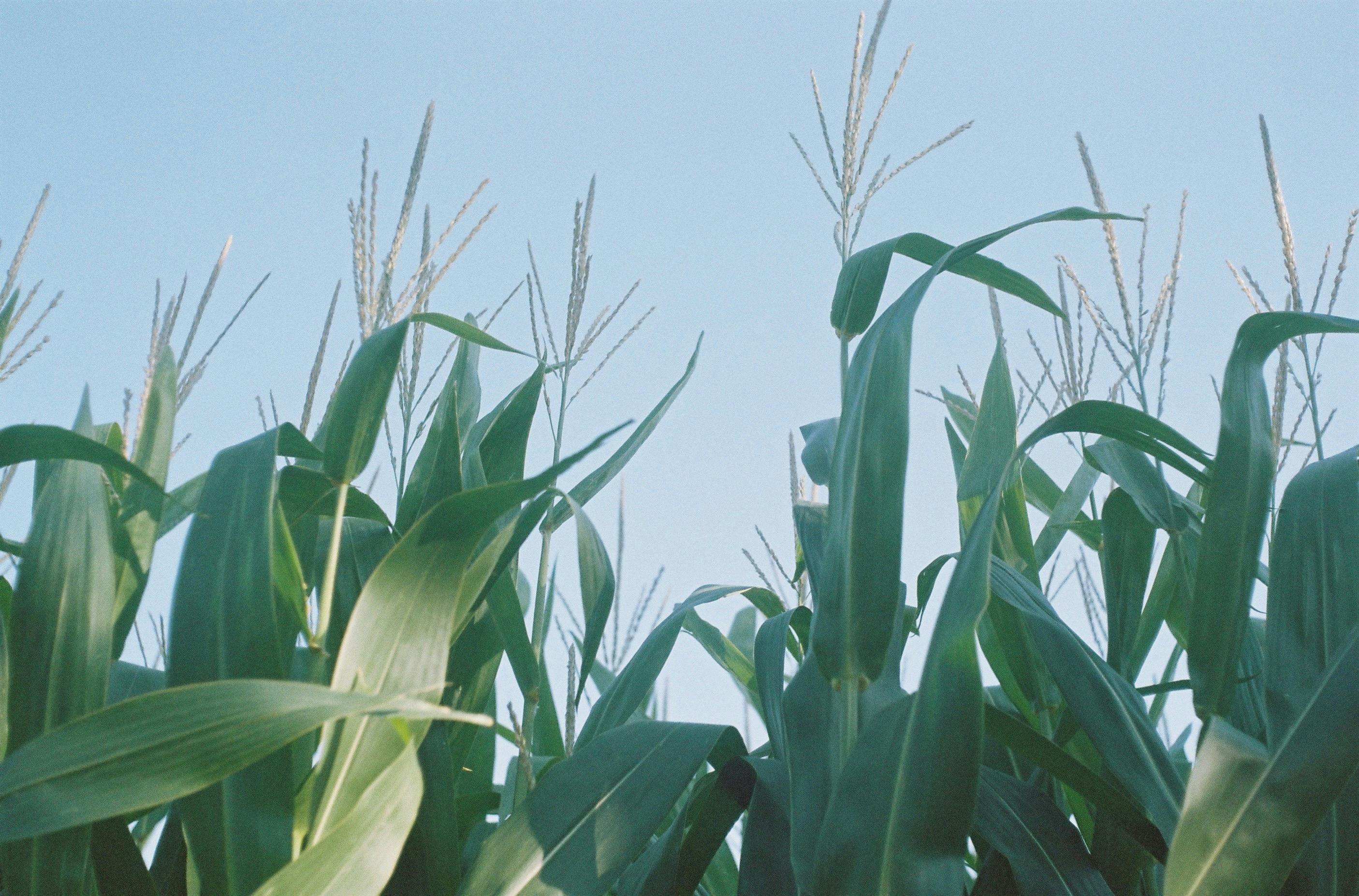
Kenya's agricultural sector, predominantly rain-fed, is highly vulnerable to climate change impacts, particularly fluctuating rainfall patterns and prolonged dry spells. High-altitude areas, while often receiving more rainfall, face unique challenges such as cooler temperatures, potential for steeper slopes leading to soil erosion, and specific pest pressures. The quest for higher yields often leads to intensive farming practices that can deplete soil fertility and diminish its water retention capacity. This cycle of degradation necessitates a paradigm shift towards sustainable organic farming methods that prioritize soil health, water conservation, and biodiversity. Agribusiness growth in Kenya is intrinsically linked to the adoption of such resilient strategies, ensuring food security for a growing population while protecting vital natural resources. The emphasis on sustainable practices is not merely environmental but also an economic imperative, offering long-term stability and profitability for farmers.
Key Insights or Strategies
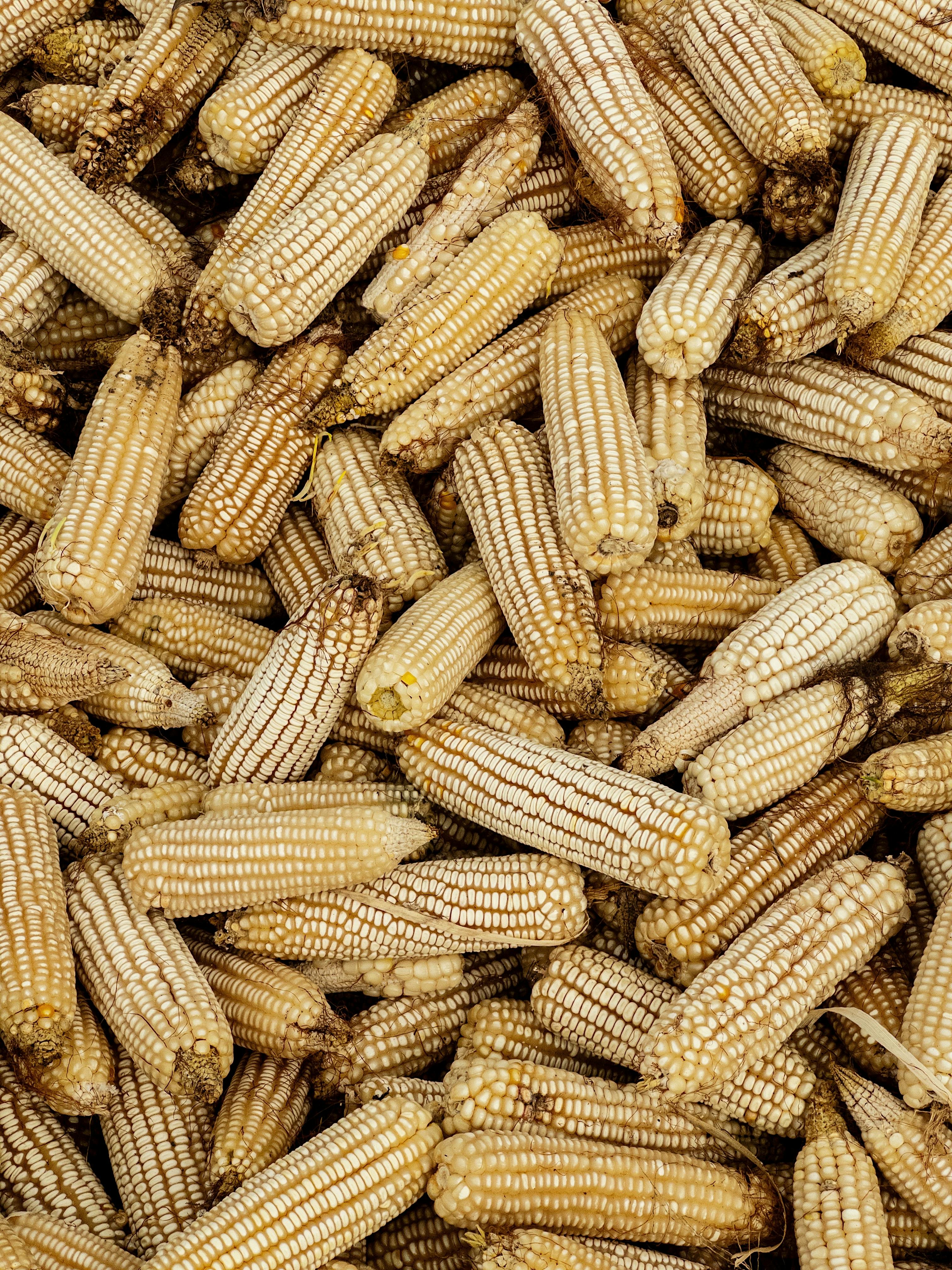
Achieving high maize yields in challenging high-altitude environments requires a multi-faceted approach, combining strategic spacing with intelligent soil and pest management. Here are key insights and actionable strategies proven to make a difference:
KALRO-Proven Optimal Spacing
Understand the Research: Evidence from 2024 KALRO trials proves narrower 75cm x 25cm spacing (vs 90cm x 30cm) improves water use efficiency and pest resistance in slopes >1500m. This tighter spacing allows maize plants to form a canopy quicker, shading the soil and reducing evaporation, thereby conserving precious moisture. It also creates a more competitive environment for weeds and can physically hinder the movement of some pests. Precision is Key: Ensure accurate measurement during planting. A 75cm distance between rows and 25cm between individual plants within a row is crucial for maximizing the benefits. This translates to a higher plant population per acre, which, when managed correctly, leads to increased overall yield. Adapt to Slope: On steeper slopes, the improved water efficiency from denser spacing helps to minimize runoff and soil erosion, a common problem in high-altitude farming. The increased plant density provides better ground cover, protecting the soil from direct impact of raindrops. The Foundation: Soil Testing Before Spacing Decisions
Why Test?: Before implementing any spacing strategy, understanding your soil's composition is paramount. Soil testing reveals nutrient deficiencies, pH levels, and organic matter content, all of which impact maize growth. This aligns with the 'optimal maize spacing for high altitude' focus, as healthy soil is fundamental to supporting a denser plant population. Actionable Steps: Collect soil samples from various parts of your farm and send them to a certified laboratory. The results will guide precise fertilizer application and soil amendments, preventing over-fertilization or under-nutrition. Boost your yields with the Advanced Soil Test Kit – available on Amazon, a vital tool for understanding your soil's unique needs. Continuous Monitoring: Soil health is dynamic. Regular testing (e.g., every 2-3 years) helps monitor changes and adapt your management practices accordingly, ensuring long-term soil fertility and productivity. Intercropping with Desmodium for Striga Control
The 'Push-Pull' Strategy: Intercropping maize with desmodium is a highly effective, environmentally friendly method for controlling Striga weed, a notorious parasitic threat to maize. UIA 2024 field data strongly supports this strategy. Desmodium releases chemicals that inhibit Striga germination (the 'pull'), while Napier grass planted as a border crop attracts stem borers away from maize (the 'push'). Implementation: Plant desmodium between your maize rows at the same time as maize planting. The desmodium also enriches the soil with nitrogen, acting as a natural fertilizer. Dual Benefits: Beyond Striga control, desmodium provides valuable fodder for livestock, diversifying farm income and enhancing the overall farm ecosystem. Staggered Planting Every 10 Days to Hedge Against Drought
Mitigating Risk: In regions prone to erratic rains, staggering your maize planting over a period (e.g., every 10 days for a month) is a smart drought mitigation strategy. If the first planting fails due to a dry spell, subsequent plantings have a chance to thrive when rains resume. Planning and Execution: Divide your planting area into sections and plant a portion every 10 days. This requires careful planning of labor and resources but significantly reduces the risk of total crop loss. Resource Management: While staggered planting can extend the harvest period, it provides a more consistent yield over time, crucial for food security and income stability. For deeper insights into sustainable farming techniques and to connect with a network of like-minded agriculturalists, explore sustainable organic farming solutions with Biofarm Kenya.
Case Studies, Examples, or Comparisons
The impact of adopting improved maize spacing and integrated sustainable practices is evident across Kenya's high-altitude farming communities. Consider the success story of Ms. Agnes Chepkemoi, a smallholder farmer in Kericho County, situated above 2,000 meters. Before 2024, Agnes struggled with inconsistent maize yields due to soil erosion and recurring Striga infestations. Inspired by outreach programs promoting KALRO's recommendations, she transitioned from the traditional 90cm x 30cm spacing to the narrower 75cm x 25cm pattern. Concurrently, she adopted intercropping with desmodium and integrated soil testing into her farm management.
Her 2024 harvest saw a remarkable 30% increase in maize yield per acre, attributed directly to improved water retention in her densely planted fields and the complete elimination of Striga. The desmodium also provided valuable fodder for her dairy cow, adding a new income stream. Agnes’s farm now serves as a demonstration site, showcasing how evidence-based practices can transform productivity and resilience against climate challenges. This practical application mirrors findings in the Kenya Agricultural Outlook 2025 (ISAAA East Africa), which highlights such localized successes as crucial for national food security. Her story underscores that precise spacing, coupled with ecological farming, is not just theory but a tangible path to prosperity for Kenyan farmers.
Common Mistakes to Avoid
Even with the best intentions, farmers can fall into common traps that undermine their efforts for high-yield maize production in high-altitude areas. Being aware of these pitfalls is the first step towards correcting them:
Ignoring Soil Testing: Planting without understanding your soil's specific needs is akin to driving blind. This often leads to applying the wrong fertilizers, causing nutrient imbalances, soil acidification, or under-fertilization. Always perform soil tests to tailor your nutrient management. Inconsistent Spacing: Haphazard planting, deviating from recommended spacing, negates the benefits of optimal plant density. Too wide, and you lose yield potential; too narrow, and you risk excessive competition for water and nutrients, especially critical in 'optimal maize spacing for high altitude' scenarios. Precision in spacing is paramount for even resource distribution. Neglecting Weed Control: Weeds compete vigorously with maize for water, nutrients, and sunlight, severely impacting yields. Relying solely on manual weeding without considering integrated pest management (IPM) techniques like intercropping (e.g., with desmodium) is inefficient and often too late. Over-reliance on Chemical Fertilizers: While chemical fertilizers provide quick nutrient boosts, their long-term overuse can degrade soil structure, reduce beneficial microbial activity, and leach into water sources. Prioritize organic amendments and balanced nutrient programs based on soil tests. Poor Water Management: Whether it's entirely relying on unpredictable rainfall or inefficient irrigation, inadequate water management leads to stress and reduced yields. Even with improved spacing for water efficiency, understanding soil moisture and supplementing with targeted irrigation (like drip systems) during dry spells is crucial. Ignoring Crop Rotation: Continuous monocropping of maize depletes specific soil nutrients and encourages the build-up of pests and diseases specific to maize. Implement crop rotation with legumes or other crops to break pest cycles, improve soil structure, and restore nutrient balance.
Expert Tips or Best Practices
Optimizing maize yields in Kenya's high-altitude regions requires a blend of traditional wisdom and modern, sustainable practices. Here are expert tips to help you thrive:
Prioritize Soil Health: Think of your soil as the foundation of your farm. Regularly incorporate organic matter through compost, farmyard manure, and cover cropping. Healthy soil improves water infiltration, nutrient retention, and supports a thriving microbial ecosystem. Maintain healthy soil with Bio-Organic Maize Booster Fertilizer – available on Amazon, designed to enrich your soil naturally. Invest in Quality Seeds: Select high-yielding maize varieties specifically adapted to high-altitude conditions and resistant to common diseases and pests prevalent in your area. KALRO often releases such improved varieties. Water Conservation Techniques: Beyond optimal spacing, consider mulching your fields with crop residues to further reduce evaporation and suppress weeds. For supplementary irrigation during dry spells, explore efficient methods like drip irrigation. A Small Farm Drip Irrigation System – available on Amazon can significantly improve water use efficiency for your maize crop. Integrated Pest and Disease Management (IPM): Don't just react to pests and diseases; proactively manage them. This includes scouting your fields regularly, using resistant varieties, promoting beneficial insects, and practicing timely crop rotation. The intercropping with desmodium for Striga control is a prime example of an effective IPM strategy. Timely Planting: Plant your maize at the onset of the long rains, after sufficient moisture has accumulated in the soil. Early planting allows the crop to establish well and utilize the available rainfall effectively. Staggered planting, as discussed, can further mitigate risks. Farmer Education and Networking: Continuously seek knowledge from agricultural extension services, fellow farmers, and reputable organizations. Join farmer groups to share experiences and learn best practices. This community-oriented approach fosters innovation and collective resilience. To deepen your understanding and access a range of resources for sustainable farming, explore sustainable organic farming solutions with Biofarm Kenya.
Future Trends or Predictions
The future of maize farming in Kenya's high-altitude regions is poised for transformative innovations, driven by the urgent need for climate resilience and increased productivity. We anticipate a significant uptake in several key areas:
Smart Irrigation Systems: With increasing water scarcity, AI-driven irrigation systems that use sensors and weather data to deliver precise amounts of water directly to crops will become more prevalent. This minimizes waste and optimizes water use efficiency, crucial for areas facing erratic rains. Precision Agriculture with Drones: Drones equipped with multispectral cameras will offer farmers invaluable insights into crop health, nutrient deficiencies, and pest infestations at a granular level. This allows for targeted intervention, reducing input costs and environmental impact. Advanced Crop Genetics: Research will continue to develop maize varieties with enhanced drought tolerance, disease resistance, and higher nutritional value, specifically tailored for high-altitude environments. Gene-editing technologies could accelerate this progress responsibly. Vertical Farming and Controlled Environment Agriculture (CEA): While not for vast maize fields, CEA technologies like vertical farms could supplement food production, particularly in urban or peri-urban areas, offering controlled conditions and minimizing land use. Blockchain for Traceability: The adoption of blockchain technology could revolutionize the agricultural supply chain, providing transparency and traceability from farm to fork. This builds consumer trust and ensures fair prices for farmers. Organic Fertilizers and Bio-Pesticides: A continued shift towards environmentally friendly inputs will see a greater embrace of organic fertilizers, bio-stimulants, and bio-pesticides, reducing reliance on synthetic chemicals and enhancing soil biodiversity. This aligns perfectly with the sustainable agriculture mandate. These trends paint a picture of a more technologically advanced, efficient, and ecologically conscious agricultural sector in Kenya, contributing to food security and economic prosperity.
Conclusion
The journey to high-altitude maize success in Kenya is one of informed decision-making, strategic implementation, and a steadfast commitment to sustainable practices. By embracing KALRO-proven maize spacing of 75cm x 25cm, farmers can unlock significant improvements in water use efficiency and natural pest resistance, crucial for navigating the challenges of erratic rains and soil degradation. Integrating pre-planting soil testing, the ingenious intercropping of desmodium for Striga control, and the risk-hedging strategy of staggered planting forms a comprehensive toolkit for resilience. These methods, backed by solid field data and highlighted in resources like the Kenya Agricultural Outlook 2025 (ISAAA East Africa), empower farmers to not only boost their yields but also cultivate healthier, more productive land for generations to come. The future of Kenyan agriculture lies in this synergy of scientific insight and practical, eco-friendly farming. Discover trusted organic farming tools on Amazon and learn more about sustainable solutions with Biofarm Kenya.
FAQs
Q1: Why is 75cm x 25cm spacing specifically recommended for high-altitude maize?
A: The 75cm x 25cm spacing is recommended for high-altitude maize based on 2024 KALRO trials. This narrower spacing allows for a higher plant population, which leads to quicker canopy closure. This canopy helps shade the soil, significantly reducing water evaporation, thereby improving water use efficiency. Additionally, the increased plant density can create a less hospitable environment for certain pests and weeds, enhancing natural pest resistance. This density, however, must be supported by adequate soil fertility and moisture management. Source: Kenya Agricultural and Livestock Research Organization (KALRO)Q2: How does soil testing directly influence maize spacing decisions?
A: Soil testing is crucial because it provides vital information about your soil's nutrient levels (e.g., nitrogen, phosphorus, potassium), pH, and organic matter content. If your soil is deficient in key nutrients or has an unfavorable pH, a denser planting like 75cm x 25cm might put undue stress on the plants due to increased competition for limited resources. The test results guide you on necessary soil amendments, ensuring the soil can adequately support the higher plant population that optimal spacing entails, thus maximizing the benefits of the chosen spacing. Source: Food and Agriculture Organization of the United Nations (FAO) Soil PortalQ3: What is the 'push-pull' strategy in maize farming, and how does desmodium contribute to it?
A: The 'push-pull' strategy is an innovative, ecologically-based pest management approach used in maize farming, particularly for controlling stem borers and Striga weed. Desmodium, when intercropped with maize, plays the 'pull' role by releasing root exudates that inhibit the germination of Striga weed seeds and attract beneficial nematodes that attack stem borer larvae. Simultaneously, border crops like Napier grass act as the 'push,' attracting stem borer moths away from the maize and trapping them. This integrated system, supported by UIA 2024 field data, significantly reduces pest and weed pressure, leading to healthier maize crops and improved yields. Source: International Centre of Insect Physiology and Ecology (ICIPE)Q4: How does staggered planting every 10 days help hedge against drought in high-altitude areas?
A: High-altitude regions, despite often receiving more rain, can still experience erratic and unpredictable rainfall patterns, leading to localized dry spells or delayed onset of rains. Staggered planting, where portions of your maize crop are planted every 10 days over a defined period (e.g., a month), acts as an insurance policy against drought. If the initial planting suffers from a dry spell and fails to establish or thrive, later plantings still have a chance to catch favorable rainfall conditions, ensuring that not all your crop is lost. This strategy diversifies risk and improves the probability of securing a decent harvest. Source: National Environment Management Authority (NEMA) KenyaQ5: What are the long-term benefits of adopting sustainable organic farming solutions for maize?
A: Adopting sustainable organic farming solutions for maize offers numerous long-term benefits beyond immediate yield increases. These include improved soil health and fertility, enhanced biodiversity (beneficial insects, microbes), reduced reliance on expensive synthetic inputs, better water retention in the soil, and a decrease in environmental pollution. Ultimately, these practices lead to more resilient farming systems that are better able to withstand climate shocks, produce healthier food, and ensure the economic viability of farming for future generations. It aligns with global efforts for environmental stewardship and food security. Source: Biofarm KenyaQ6: Where can farmers access reliable information and support for implementing these advanced maize farming techniques?
A: Kenyan farmers can access reliable information and support from several key sources. The Kenya Agricultural and Livestock Research Organization (KALRO) is a primary resource for research-backed recommendations and improved crop varieties. Agricultural extension officers at the county level provide direct guidance and training. Additionally, organizations like the International Centre of Insect Physiology and Ecology (ICIPE) offer insights into integrated pest management. Local farmer cooperatives and groups are excellent for peer learning and sharing best practices. For comprehensive resources on sustainable and organic farming, including partnerships and tools, farmers can always explore sustainable organic farming solutions with Biofarm Kenya. Source: Ministry of Agriculture, Livestock, Fisheries and Co-operatives, Kenya
Authoritative External Resources
Kenya Agricultural and Livestock Research Organization (KALRO)International Service for the Acquisition of Agri-biotech Applications (ISAAA) East AfricaFood and Agriculture Organization of the United Nations (FAO)International Centre of Insect Physiology and Ecology (ICIPE)National Environment Management Authority (NEMA) KenyaMinistry of Agriculture, Livestock, Fisheries and Co-operatives, Kenya
Internal Biofarm Kenya Resources
Explore sustainable organic farming solutions with Biofarm KenyaUnderstanding Your Soil: A Comprehensive Guide to Soil HealthOur Range of Bio-Organic FertilizersBuilding Drought Resilience: Strategies for Kenyan FarmersIntegrated Pest Management for Sustainable Farming in KenyaJoin the Biofarm Kenya Farmer Community


0 Comments