

Estimated Reading Time: 15 minutes
TL;DR: Kenyan farmers are dramatically increasing maize profits by adopting cost-effective legume intercropping, which boosts yields by up to 47% in semi-arid regions. This sustainable method reduces reliance on expensive chemical fertilizers by leveraging natural nitrogen fixation, improving soil health, and enhancing crop resilience. Key steps involve careful selection of high-yield legume varieties like cowpeas, optimizing planting ratios, and precise timing for symbiotic growth. Embrace these practices for higher returns and a healthier farm ecosystem.
Key Takeaways:
- Legume-maize intercropping significantly increases maize yields and profitability for Kenyan farmers.
- This technique reduces fertilizer costs by harnessing legumes' natural nitrogen-fixing capabilities, promoting long-term soil health.
- Selecting the right legume varieties and optimizing planting density are crucial for maximizing intercropping benefits.
- Training and knowledge sharing are essential for successful adoption of sustainable farming practices across Kenya.
- Integrating sustainable methods enhances food security, environmental stewardship, and farmer livelihoods.
Table of Contents
Introduction: Cultivating Prosperity Through Sustainable Maize Farming
In Kenya, the staple crop of maize forms the backbone of food security and agricultural livelihoods. However, Kenyan farmers are increasingly seeking cost-effective alternatives to expensive fertilizers amid rising input costs, a challenge that has significantly squeezed profit margins for many smallholder producers. The good news is that a proven, eco-friendly solution is gaining traction: sustainable farming practices, particularly legume-maize intercropping. This innovative approach offers a beacon of hope, promising not only to mitigate the financial burden but also to enhance ecological resilience.
The urgency for such sustainable methods has never been greater. With unpredictable weather patterns and degraded soils, traditional farming is often a gamble. Legume-maize intercropping, a cornerstone of sustainable agriculture, leverages natural processes to enrich the soil, reduce disease pressure, and crucially, provide farmers with a dual harvest. By integrating this method, farmers can significantly boost their maize yields and ensure greater stability for their farms and families.
This article delves deep into how this simple yet profound shift in farming methodology is transforming maize production across Kenya, driving profitability, and building a more resilient agricultural future. We will explore the scientific backing, practical implementation, and the tangible benefits awaiting farmers ready to embrace this green revolution.
Background & Context: The Shifting Landscape of Kenyan Agriculture
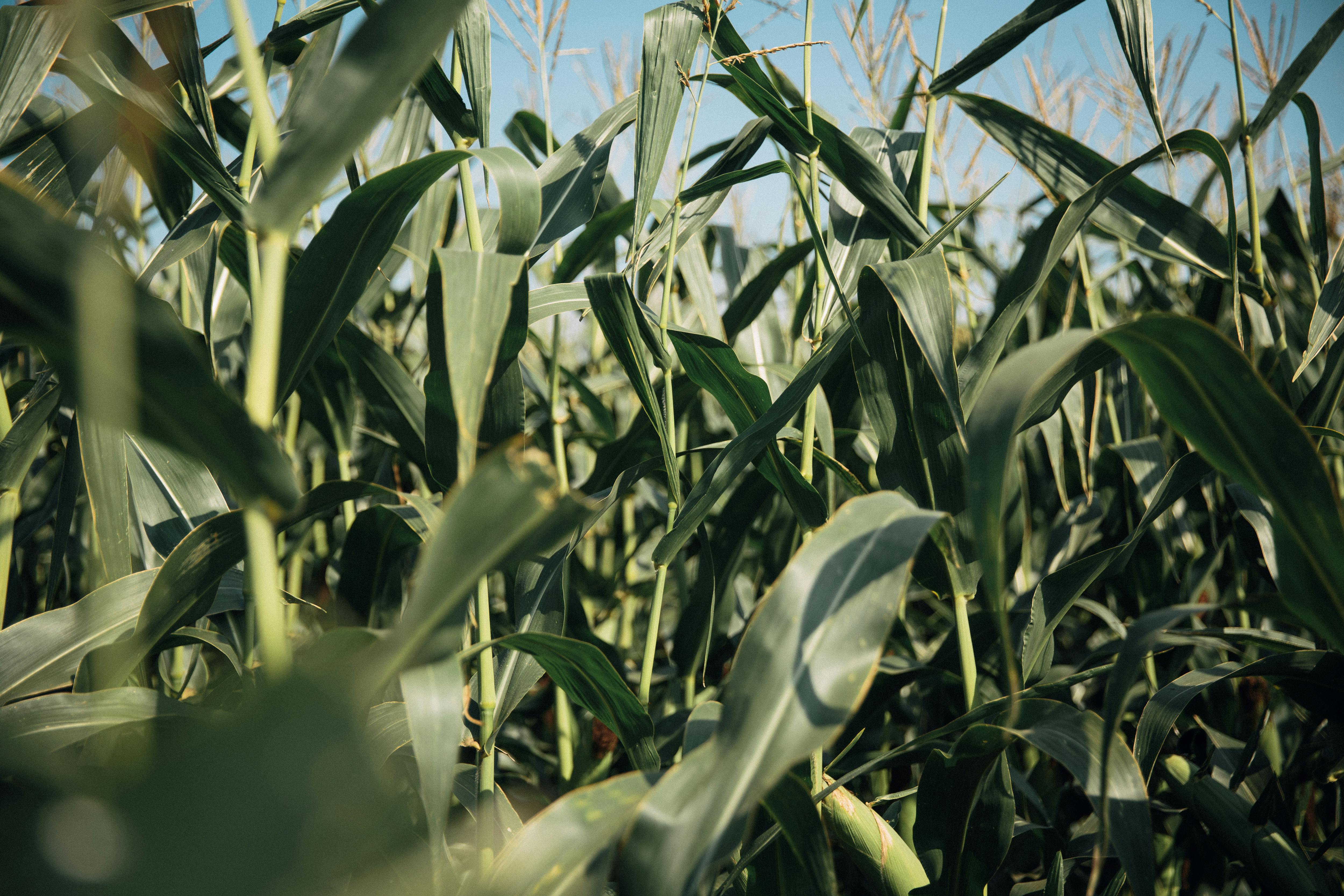
Kenya's agricultural sector, a vital economic driver, faces a complex interplay of challenges including climate change, soil degradation, and volatile market prices for inputs. Historically, farmers have relied heavily on synthetic fertilizers to boost yields. However, the escalating costs of these inputs, often imported, have become unsustainable, pushing many smallholder farmers to the brink. This economic pressure has spurred a nationwide movement towards more resilient and self-sufficient farming models.
The concept of organic farming is not new to Kenya but its adoption has seen significant growth as farmers recognize its long-term benefits. Data suggests that by 2025, over 60% of Kenyan farmers are projected to adopt climate-smart irrigation technologies, indicating a strong trend towards sustainable practices. This shift is part of a broader move towards a 'circular agriculture' system, which aims to harmonize food production with natural ecosystems and societal needs. Such a system prioritizes local production, renewable energy, and innovative solutions to agricultural challenges.
Soil fertility, a foundational element of productive agriculture, has been severely compromised in many regions due to continuous cultivation and minimal replenishment of organic matter. Legume intercropping directly addresses this by naturally enhancing soil nitrogen levels and organic content, fostering a healthier microbiome. This approach not only sidesteps the high cost of synthetic fertilizers but also builds the soil's inherent capacity to support robust crop growth for generations to come, contributing significantly to agribusiness growth and food security in Kenya.
Key Insights & Strategies: Mastering Legume-Maize Intercropping

Legume-maize intercropping is a powerful strategy that harnesses nature's synergy to improve soil health and increase maize yields. At its core, this method involves growing nitrogen-fixing legumes alongside maize, allowing the legumes to replenish soil nutrients that the maize crop utilizes. This natural process reduces the need for synthetic fertilizers, directly lowering input costs for farmers.
Selecting High-Yield Legume Varieties
The success of intercropping begins with choosing the right legume. High-yield varieties that are well-adapted to local conditions are crucial. Cowpeas, common beans, and soybeans are excellent choices for their robust growth and significant nitrogen-fixing capabilities. For instance, farmers in semi-arid regions have found particular success with drought-resistant cowpea varieties that thrive even with limited rainfall, ensuring a more stable harvest.
Actionable Steps:
- Research Local Adaptation: Consult agricultural extension services or experienced local farmers to identify legume varieties that perform best in your specific climate and soil type.
- Consider Market Demand: Choose legumes that also have a good market value, providing an additional income stream alongside your maize.
- Source Quality Seeds: Invest in certified, high-quality seeds to ensure good germination rates and healthy plant establishment.
Optimizing Spacing Ratios for Symbiotic Growth
Proper spacing is paramount to prevent competition between maize and legumes for light, water, and nutrients, ensuring a symbiotic relationship where both crops thrive. A common and effective strategy is a 2:1 ratio, meaning two rows of maize for every one row of legumes. This allows enough sunlight to reach the legumes while the maize benefits from their nitrogen contributions.
Actionable Steps:
- Trial Different Ratios: Experiment with small plots using different maize-to-legume ratios (e.g., 1:1, 2:1, 3:1) to determine what works best for your specific field and chosen varieties.
- Ensure Adequate Row Spacing: Maintain sufficient space between rows to allow for proper air circulation and ease of field management, such as weeding and harvesting.
- Consider Plant Architecture: Pair taller, upright maize varieties with bushier, shorter legumes to minimize light competition.
Timing Planting for Maximum Nitrogen Fixation
The timing of planting legumes relative to maize is critical. Planting legumes too early might lead to them outcompeting young maize plants, while planting too late might diminish their nitrogen-fixing benefits. The optimal approach is to plant the legumes either simultaneously with maize or shortly after the maize has emerged, allowing them to establish without hindering maize growth.
Actionable Steps:
- Staggered Planting: For some legume varieties, a staggered planting approach where legumes are sown 1-2 weeks after maize can be beneficial, giving maize a head start.
- Monitor Growth: Regularly observe plant growth in the initial weeks to ensure neither crop is overly suppressing the other. Adjust practices in subsequent seasons based on observations.
- Soil Moisture Considerations: Ensure adequate soil moisture at planting for both crops to establish well, especially for the legumes which need to fix nitrogen effectively.
For farmers looking to understand their soil's unique needs, investing in a reliable soil testing kit is a game-changer. Boost your yields with the MySoil Soil Test Kit – available on Amazon. Knowing your soil's pH and nutrient levels is the first step towards truly optimized intercropping. To enhance nutrient availability further, especially in depleted soils, consider an organic solution. For enriching your soil naturally, the Organic Plant Magic - Truly Organic™ Fast-Acting Soluble Plant Food – available on Amazon can provide essential nutrients for vigorous plant growth.
Explore sustainable organic farming solutions with Biofarm Kenya for more resources and guidance on implementing these strategies effectively.
Case Studies: Real-World Success in Kenyan Fields
The theoretical benefits of sustainable farming, particularly legume-maize intercropping, are powerfully illustrated by successes on the ground. Across various regions of Kenya, farmers are transforming their livelihoods and landscapes by adopting these methods.
One notable success comes from a collective of smallholder farmers in Makueni County, a semi-arid region prone to drought. Traditionally, these farmers struggled with low maize yields and high fertilizer costs. After receiving training on legume-maize intercropping, they began experimenting with cowpea and maize. By optimizing spacing ratios (a 2:1 maize-to-cowpea ratio proved most effective) and carefully timing their planting, they observed remarkable improvements. The legumes not only provided an additional harvest for consumption and sale but also visibly improved soil structure and fertility. These farmers reported an average increase in maize yields by over 30% within two seasons, coupled with a significant reduction in their expenditure on synthetic nitrogen fertilizers.
Another inspiring example comes from the highlands of Central Kenya, where farmers traditionally practice intensive maize cultivation. A study highlighted in 'Field Crops Research' demonstrated how a staggered maize-legume intercrop arrangement robustly increased crop yields and economic returns in these areas. Farmers who adopted this method not only achieved higher maize output but also benefited from the sale of legumes, diversifying their income streams and building greater resilience against market fluctuations. This approach effectively reduced soil erosion on slopes and enhanced water infiltration, critical factors in maintaining productive farmlands.
A 2025 Jomo Kenyatta University study, focused on semi-arid regions, further solidified these findings, reporting that this method increased maize yields by an impressive 47%. This scientific validation underscores the transformative potential of intercropping, showing how it can directly address food security challenges while enhancing farmer profitability.
Beyond intercropping, other sustainable innovations are taking root. In parts of Western Kenya, farmers adopting small-scale drip irrigation systems have seen their crop water use efficiency improve dramatically. Coupled with rainwater harvesting techniques, these systems enable continuous production even during dry spells, reducing reliance on rain-fed agriculture. These success stories are not just about increased yields; they represent a fundamental shift towards more resilient, economically viable, and environmentally sound agricultural practices across Kenya, as advocated by institutions like the FAO Kenya.
Common Mistakes to Avoid
While the benefits of sustainable maize farming and legume intercropping are clear, missteps can undermine efforts. Avoiding these common errors is crucial for success.
1. Over-cultivating Legumes: A common mistake is planting too many legumes or not managing their growth adequately. While legumes are beneficial, over-cultivation can lead to excessive competition for light, water, and nutrients with the primary maize crop. This can suppress maize growth and ultimately reduce overall yield instead of increasing it. Farmers must avoid over-cultivating legumes to preserve soil structure and ensure balanced competition.
- Correction: Adhere to recommended spacing ratios (e.g., 2:1 maize to legume). Monitor plant growth and prune vigorous legume varieties if they begin to overshadow young maize plants.
2. Ignoring Soil Health Assessments: Assuming soil conditions remain constant or neglecting regular soil testing can lead to suboptimal performance. Soil pH, nutrient levels, and organic matter content fluctuate and significantly impact nitrogen fixation and nutrient availability. Without this information, farmers might mistakenly apply unnecessary inputs or miss crucial deficiencies.
- Correction: Conduct regular soil tests, ideally annually or before each planting season. Use the results to guide decisions on organic amendments, crop rotation, and specific legume choices tailored to your soil's needs.
3. Inadequate Water Management: Even in sustainable systems, water remains a critical resource. Poor irrigation practices, whether under-watering during critical growth stages or over-watering leading to nutrient leaching, can severely impact crop health and yield. This is especially pertinent in regions experiencing irregular rainfall patterns.
- Correction: Implement efficient irrigation techniques such as drip irrigation, which delivers water directly to the plant roots, minimizing waste. Explore rainwater harvesting and mulching to conserve soil moisture.
4. Neglecting Crop Rotation: While intercropping is beneficial, relying solely on maize-legume intercropping without rotating with other crops can still lead to the buildup of specific pests and diseases, or nutrient imbalances over the long term. Crop rotation is a cornerstone of holistic soil health and pest management.
- Correction: Integrate other crops, such as root vegetables or oilseeds, into your farming cycle after a few seasons of maize-legume intercropping. This diversity helps break pest cycles, improves nutrient cycling, and further enhances soil biodiversity.
5. Lack of Knowledge and Training: Sustainable farming is an evolving science. A significant barrier to successful adoption is a lack of up-to-date knowledge on best practices, new legume varieties, or integrated pest management techniques specific to organic systems. Sticking to outdated methods can limit potential gains.
- Correction: Actively seek out training programs from agricultural extension services, NGOs, or local farming cooperatives. Share experiences with fellow farmers and stay informed about new research and sustainable technologies.
Expert Tips & Best Practices for Enhanced Profitability
Maximizing profitability from sustainable maize farming in Kenya involves embracing a holistic approach that integrates proven techniques with smart resource management. Here are expert tips to guide your journey:
Embrace Integrated Nutrient Management
Beyond legumes, diversify your nutrient sources. Compost and farmyard manure are invaluable for building soil organic matter, improving water retention, and providing a slow release of essential nutrients. Regularly applying these organic amendments complements the nitrogen fixation from legumes, creating a truly fertile environment.
- Tip: Establish a robust composting system on your farm. The VEVOR Garden Compost Bin 80 Gal – available on Amazon can be an excellent starting point for efficient organic waste decomposition. This helps recycle farm waste into valuable soil food.
Implement Precision Water Application
Water scarcity is a critical issue. Moving away from flood irrigation to more precise methods can save water and improve crop performance. Drip irrigation systems deliver water directly to the root zone, minimizing evaporation and ensuring plants receive moisture when and where they need it most.
- Tip: Invest in a small-scale drip irrigation kit. For efficient water delivery directly to your plants, consider the HIRALIY 50ft Drip Irrigation Kit Plant Watering System – available on Amazon. This will ensure optimal hydration without waste.
Practice Regular Scouting and Integrated Pest Management (IPM)
Sustainable farming doesn't mean ignoring pests and diseases; it means managing them intelligently. Regularly scout your fields to identify potential issues early. Employ biological controls, use resistant crop varieties, and practice good farm hygiene to reduce pest pressure naturally. Chemical interventions should be a last resort and, if necessary, opt for organic-approved solutions.
- Tip: Learn to identify common maize pests and diseases in your area. Consult agricultural extension officers for guidance on natural deterrents and companion planting strategies that can repel pests.
Join Farmer Cooperatives and Networks
Knowledge sharing and collective action are powerful tools. Joining local farmer cooperatives or networks can provide access to shared resources, collective bargaining power for inputs and produce, and invaluable peer-to-peer learning opportunities. These groups often facilitate training and introduce farmers to new, effective sustainable practices.
- Tip: Actively participate in community workshops and farmer field schools. The collective wisdom of experienced farmers can often solve localized challenges more effectively than individual efforts.
Diversify Your Farm Enterprise
While maize is central, consider diversifying your farm with other crops or even small livestock. This creates multiple income streams, spreads risk, and can further enhance the farm's ecological balance. For example, integrating indigenous vegetables or fruit trees can provide additional revenue and improve household nutrition.
- Tip: Research high-value, locally adapted crops that can be grown alongside or in rotation with maize. Explore the potential of agroforestry, where trees are integrated into farming systems for environmental and economic benefits.
For more detailed guides and support on adopting these best practices, explore sustainable organic farming solutions with Biofarm Kenya. Our partners are dedicated to empowering farmers with the tools and knowledge for a prosperous and sustainable future.
Future Trends & Predictions in Kenyan Agriculture
The agricultural landscape in Kenya is on the cusp of significant transformation, driven by innovation and a growing imperative for sustainability. Several key trends are set to redefine how food is produced, ensuring greater efficiency, resilience, and profitability for farmers.
1. Smart Irrigation Technologies: The shift towards climate-smart agriculture will accelerate the adoption of advanced irrigation systems. Beyond basic drip irrigation, we anticipate a rise in sensor-based systems that monitor soil moisture and weather conditions in real-time, delivering precise amounts of water exactly when needed. This will drastically reduce water wastage and optimize resource use, particularly in water-stressed regions. Precision irrigation will become a cornerstone of future crop management.
2. Vertical Farming and Urban Agriculture: As urbanization continues, vertical farming and urban agriculture are poised to gain traction, especially around major cities like Nairobi and Mombasa. These innovative systems allow for high-density crop production in limited spaces, often using hydroponic or aquaponic methods. This trend will not only bring fresh produce closer to consumers but also reduce transportation costs and carbon footprints.
3. AI and Data-Driven Crop Monitoring: Artificial intelligence (AI) and machine learning are increasingly being integrated into agricultural practices. Drones equipped with multispectral cameras will provide detailed insights into crop health, pest infestations, and nutrient deficiencies. AI algorithms will analyze this data to offer farmers actionable recommendations, allowing for proactive management and optimized yields. This personalized approach to farming will minimize risks and maximize returns.
4. Enhanced Value Addition and Market Linkages: Farmers will increasingly move beyond simply producing raw commodities. There will be a greater emphasis on value addition—processing maize into flour, snacks, or feed, and legumes into fortified products. Simultaneously, stronger market linkages, often facilitated by digital platforms, will connect farmers directly with consumers or larger buyers, ensuring fairer prices and reducing post-harvest losses. This empowerment will significantly boost farmer income.
5. Bio-inputs and Regenerative Agriculture: The demand for organic and naturally derived inputs will continue to grow, leading to wider availability and affordability of bio-fertilizers, bio-pesticides, and beneficial microbial inoculants. Regenerative agriculture, a holistic approach that focuses on rebuilding soil organic matter and biodiversity, will become a guiding principle, emphasizing long-term ecological health alongside productivity. This represents a profound shift towards truly sustainable and ecologically sound farming.
These trends collectively paint a picture of a more technologically advanced, environmentally responsible, and economically empowering future for Kenyan agriculture. Farmers who adapt and embrace these innovations will be best positioned for sustained success.
Conclusion: Sowing Seeds of Sustainable Success
The journey towards enhancing Kenyan maize profits through sustainable farming is not merely an agricultural adjustment; it's a fundamental shift towards a more resilient, profitable, and ecologically sound future. The evidence is clear: training on legume-maize intercropping leverages nitrogen fixation and soil health, offering a powerful, cost-effective alternative to expensive chemical fertilizers. By adopting proven methods like selecting high-yield legume varieties, optimizing spacing, and precise timing, farmers can replicate the significant yield increases seen in studies, such as the 47% boost in semi-arid regions.
This approach not only reduces financial burdens but also safeguards our most vital resource—the soil—for generations to come. It's about empowering farmers with knowledge, tools, and practices that foster long-term prosperity and food security. As Kenya moves towards a more sustainable agricultural future, embracing these practices becomes not just an option, but a necessity for robust growth and environmental stewardship.
Discover trusted organic farming tools on Amazon and learn more about sustainable solutions with Biofarm Kenya. Together, we can cultivate a prosperous future for Kenyan agriculture.
FAQs: Your Questions on Sustainable Maize Farming Answered
Q1: What are the primary benefits of legume-maize intercropping for Kenyan farmers?
A1: Legume-maize intercropping offers several benefits, including reduced reliance on expensive synthetic nitrogen fertilizers due to the legumes' natural nitrogen fixation, improved soil health and structure, increased maize yields (up to 47% in some regions), and an additional income stream from the legume harvest. It also enhances biodiversity on the farm and improves crop resilience against environmental stresses. Learn more about conservation agriculture from the FAO.
Q2: Which legume varieties are best suited for intercropping with maize in Kenya?
A2: High-yield and locally adapted legume varieties are crucial. Popular and effective choices for intercropping with maize in Kenya include cowpeas, common beans, and soybeans. These varieties are known for their strong nitrogen-fixing capabilities and market demand. Always select varieties that are suited to your specific agro-ecological zone. Explore legume varieties suitable for Kenya with Biofarm Kenya.
Q3: How does legume intercropping help reduce the need for chemical fertilizers?
A3: Legumes form a symbiotic relationship with beneficial soil bacteria (rhizobia) that convert atmospheric nitrogen into a form usable by plants, a process called nitrogen fixation. This naturally enriches the soil with nitrogen, making it available for the companion maize crop and significantly reducing or even eliminating the need for synthetic nitrogen fertilizers. Understand nitrogen fixation in agriculture through the USDA.
Q4: What are the main challenges faced by Kenyan farmers in adopting sustainable practices?
A4: Key challenges include limited access to organic inputs, insufficient technical knowledge and training on sustainable methods, water scarcity in many regions, and initial higher labor costs for certain organic practices. Overcoming these requires targeted training, supportive policies, and access to appropriate technologies. Find resources on overcoming farming challenges with Biofarm Kenya.
Q5: How can farmers ensure the long-term health and fertility of their soil?
A5: Long-term soil health is ensured through a combination of practices: regular application of organic matter (compost, manure), crop rotation (beyond just maize-legume intercropping), minimal tillage to preserve soil structure, cover cropping, and efficient water management. Regular soil testing is also vital to monitor and address nutrient imbalances. Read about environmental management and soil conservation from NEMA Kenya.
Q6: Where can Kenyan farmers find reliable training and support for sustainable farming?
A6: Farmers can access reliable training and support from various sources, including agricultural extension services provided by the Ministry of Agriculture, local NGOs, farmer cooperatives, and academic institutions like Jomo Kenyatta University of Agriculture and Technology. Online platforms and community-based workshops also offer valuable insights and practical guidance. Connect with Biofarm Kenya's partners for training and support.
External Authoritative Links:
- Food and Agriculture Organization of the United Nations (FAO) Kenya
- ScienceDirect: Staggered maize–legume intercrop arrangement increases yields
- National Agricultural Library (USDA): Nitrogen Fixation
- National Environment Management Authority (NEMA) Kenya
- Ministry of Agriculture, Livestock, Fisheries and Cooperatives, Kenya
- Springer: Benefits of the Mbili-mbili maize-legume intercropping systems
Internal Biofarm Kenya Links:





0 Comments