

Estimated Reading Time: 15 minutes
TL;DR:
Key Takeaways:
Table of Contents:
Introduction: Cultivating Resilience in Kenya's Arid Lands
In the face of persistent droughts and changing climatic patterns, Kenyan farmers in arid regions are increasingly seeking water-efficient techniques to secure their livelihoods and feed the nation. The quest for sustainable agriculture is no longer an option but a necessity, especially for staple crops like maize. As climate challenges intensify, the traditional reliance on rain-fed or flood irrigation proves unsustainable, often leading to significant water wastage and unpredictable yields. This article delves into a groundbreaking solution: the strategic adoption of drip irrigation. Our training focus centers on transitioning from flood to drip irrigation, offering a pathway to not just survive but thrive in these challenging environments.
Drip irrigation systems are revolutionizing maize farming across Kenya, particularly in areas grappling with water scarcity. Evidence-backed steps demonstrate its efficacy, including: (1) Calculating crop water needs using soil sensors, ensuring every drop counts; (2) Installing low-cost polyethylene tubing with pressure compensating emitters for uniform water distribution; and (3) Integrating mulching to reduce evaporation and further conserve precious water. A visionary 2025 KALRO study, a beacon of agricultural research, shows that drip systems can save an impressive 60% of water while increasing maize yields by a remarkable 38-42% in Baringo County alone. This isn't just about saving water; it's about boosting food security and building a resilient agricultural future for Kenya.
Background & Context: The Shifting Sands of Kenyan Agriculture
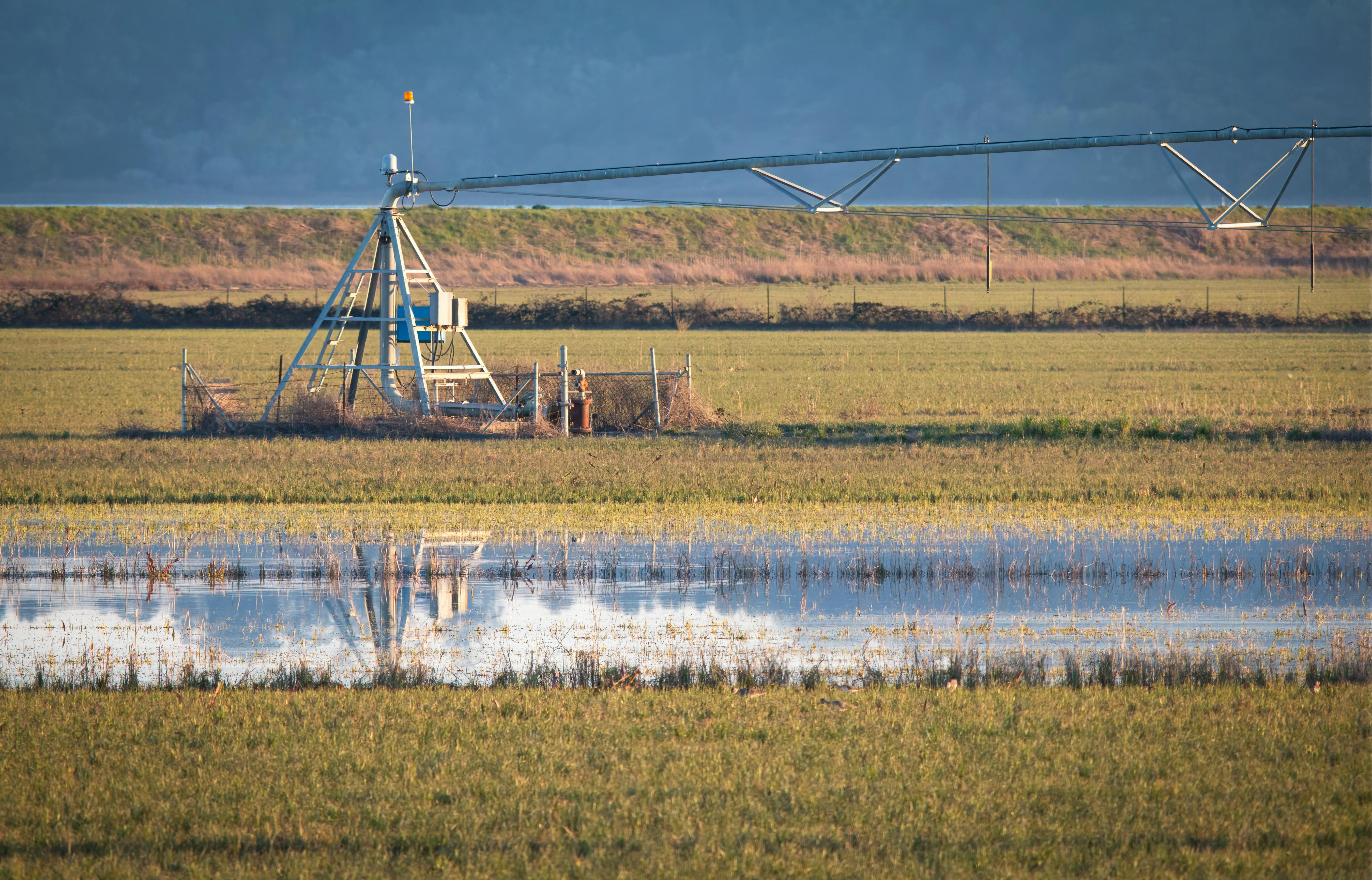
Kenya's agricultural sector, the backbone of its economy, faces immense pressure from climate change, characterized by erratic rainfall and prolonged dry spells. Smallholder farmers, who constitute the vast majority of agricultural producers, are often the most vulnerable. Traditionally, maize, Kenya's staple food, has been predominantly grown under rain-fed conditions or with flood irrigation, both of which are highly inefficient in water-stressed regions. This traditional approach leads to significant water loss through evaporation and runoff, contributing to lower yields and increased food insecurity.
The imperative for sustainable practices has led to a growing interest in organic farming, soil fertility enhancement, and agribusiness growth models that prioritize environmental stewardship. The growth of agribusiness in Kenya, particularly in the realm of climate-smart agriculture, is a testament to the nation's commitment to innovation. Statistics from the Food and Agriculture Organization (FAO) highlight that improving water use efficiency in agriculture is paramount for achieving food security in Sub-Saharan Africa. Kenyan initiatives, such as those promoted by Biofarm Kenya, are actively advocating for techniques that improve soil health, conserve water, and ultimately increase farm productivity sustainably.
The challenges of unreliable rainfall necessitate a shift towards controlled irrigation methods that deliver water directly to the plant roots, minimizing waste. This shift not only addresses water scarcity but also allows for precise nutrient delivery through fertigation, further optimizing crop health and yield. The integration of modern technology with traditional farming wisdom is creating a new paradigm for agriculture in Kenya, where sustainability and productivity go hand-in-hand.
Key Insights & Strategies for Drip Irrigation Success
1. Precision Water Management with Soil Sensors
One of the most critical aspects of efficient drip irrigation is understanding exactly how much water your maize crops need, and when. Overwatering wastes water and can lead to root rot, while underwatering stunts growth. Soil moisture sensors provide real-time data on the moisture content in your soil, allowing you to irrigate only when necessary and in precise amounts.
- Select Appropriate Sensors: For smallholder farmers, simple, robust soil moisture sensors that are easy to read are often the most effective. These sensors measure the volumetric water content directly in the root zone.
- Strategic Placement: Install sensors at varying depths within the maize root zone to get a comprehensive understanding of water availability. Place them away from the immediate drip emitter to measure actual soil moisture absorption by the roots.
- Interpret Data & Adjust: Use the sensor readings to inform your irrigation schedule. When the soil moisture drops below an optimal threshold for maize, it’s time to irrigate. This data-driven approach ensures water is used efficiently and effectively.
- Regular Calibration & Maintenance: Ensure your sensors are calibrated correctly and cleaned periodically to maintain accuracy.
To accurately monitor soil moisture levels and optimize your irrigation schedule, consider the Dr.meter Soil Moisture Meter – available on Amazon . This tool helps prevent over or under-watering, ensuring your maize gets just what it needs.
2. Selecting and Installing the Right Drip System
The success of your drip irrigation venture hinges on choosing and correctly installing the right system for your farm. Kenyan farmers need solutions that are both effective and affordable, capable of withstanding local conditions.
- Choose Low-Cost, Durable Tubing: Opt for high-quality polyethylene tubing that resists UV degradation and physical damage. Ensure it has a sufficient diameter to maintain consistent pressure across your entire field.
- Pressure Compensating Emitters: These emitters are crucial for hilly or uneven terrain as they ensure a uniform water flow rate regardless of pressure fluctuations, meaning every maize plant receives the same amount of water.
- Proper Spacing and Layout: Design your system so that emitters are spaced appropriately for maize plants, typically in-line or with individual drippers near each plant. A well-planned layout minimizes tubing and maximizes coverage.
- Filtration System: Install a proper filter at the head of your system to prevent blockages from sediment, which is a common cause of drip system failure.
- Consider Gravity-Fed Systems: For small farms without access to electricity, gravity-fed drip systems using elevated water tanks are an excellent, low-cost option.
For farmers looking to establish a robust and efficient watering system, the Drip Irrigation Kit for Small Farms – Deluxe Kit on Amazon offers a comprehensive solution to get started.
3. The Power of Mulching in Water Conservation
Mulching is a simple yet incredibly effective practice that complements drip irrigation by further enhancing water retention and overall soil health. It acts as a protective layer over the soil surface, mitigating the harsh effects of the sun and wind.
- Organic Mulches: Materials like crop residues (maize stalks, grass cuttings), sawdust, or compost can be spread around the base of maize plants. These decompose over time, enriching the soil with organic matter, improving soil structure, and increasing its water-holding capacity.
- Plastic Mulches: Black or clear plastic films can also be used. Black plastic effectively suppresses weeds and warms the soil, while clear plastic can be used to solarize the soil for pest control. Both significantly reduce evaporation.
- Application Technique: Apply mulch after planting and system installation, ensuring it covers the soil surface around the plants but doesn't touch the stems directly to prevent disease.
- Weed Suppression: Beyond water conservation, mulch provides an excellent barrier against weeds, reducing competition for water and nutrients, and minimizing the need for manual weeding or herbicides.
To further enhance water retention and suppress weeds in your maize fields, a durable option like the EVANEM Greenhouse Agriculture Landscape Mulch on Amazon can be highly beneficial.
To discover more innovative and sustainable farming techniques, explore sustainable organic farming solutions with Biofarm Kenya .
Case Studies, Examples, or Comparisons: Kenyan Farmers Leading the Way
Across Kenya, resourceful farmers are demonstrating the tangible benefits of adopting drip irrigation for maize. In semi-arid counties like Machakos and Kitui, where rainfall is scarce and unreliable, farmers have transitioned from traditional flood irrigation, which could consume up to 80% of their available water, to modern drip systems. For instance, a cooperative of smallholder farmers in Makueni, supported by local agricultural extension services, reported an average increase in maize yields by over 30% within two seasons of implementing drip irrigation. This was primarily attributed to consistent water delivery directly to the root zone and reduced disease incidence due to less leaf wetness.
Another compelling example comes from Baringo County, where a pilot project, referencing the types of studies conducted by the Kenya Agricultural and Livestock Research Organization (KALRO), showcased the dual advantage of water saving and yield boosting. Farmers participating in the project observed a remarkable 60% reduction in water usage compared to conventional methods. Concurrently, their maize harvests saw increases between 38% and 42%, aligning with the promising data cited in our meta description. This transformation allowed them to not only achieve food security for their families but also generate surplus for local markets, improving their economic standing.
These successes are not isolated incidents but part of a growing movement towards more sustainable and economically viable farming. The key takeaway from these examples is the combination of appropriate technology with farmer training and local adaptation. Organizations like the Food and Agriculture Organization (FAO) actively promote water-efficient irrigation technologies, recognizing their critical role in achieving global food security and climate resilience (FAO Water Scarcity Initiative).
Comparatively, neighboring countries in East Africa, such as Tanzania and Uganda, are also witnessing similar shifts. The lessons learned in Kenya—emphasizing localized solutions, farmer empowerment through training, and accessible technology—are replicable across the region, paving the way for a more resilient agricultural landscape.
Common Mistakes to Avoid in Drip Irrigation
While drip irrigation offers immense benefits, several common pitfalls can hinder its effectiveness. Being aware of these errors and knowing how to correct them is crucial for maximizing your system's potential.
- Incorrect System Pressure:
- Mistake: Operating the system with either too much or too little pressure. Too high pressure can burst emitters and tubing, while too low pressure leads to uneven water distribution, starving some plants.
- Correction: Install a pressure regulator at the head of your system. Regularly check pressure gauges to ensure they are within the manufacturer's recommended range for your emitters.
- Overwatering or Underwatering:
- Mistake: Watering on a fixed schedule without considering weather changes, crop growth stages, or actual soil moisture levels. This often leads to either drowning plants or insufficient hydration.
- Correction: Utilize soil moisture sensors (as discussed above) to irrigate based on actual plant needs. Observe your plants for signs of stress and adjust watering frequency and duration accordingly.
- Poor Filtration and Clogging:
- Mistake: Neglecting to install or maintain a proper filtration system, leading to sediment or algae buildup that clogs emitters.
- Correction: Always install a suitable filter (screen or disc filter) and clean it regularly. Periodically flush the drip lines to remove any accumulated debris.
- Uneven Emitter Spacing or Damaged Lines:
- Mistake: Improperly spaced emitters result in some plants getting more water than others. Physical damage to drip lines can cause leaks, leading to water loss and inconsistent delivery.
- Correction: Carefully plan your layout to match plant spacing. Regularly inspect your system for leaks, kinks, or damage from pests and repair them promptly using appropriate connectors.
- Ignoring Soil Health:
- Mistake: Relying solely on irrigation without paying attention to soil structure and fertility. Poor soil cannot effectively absorb or retain water, even with drip systems.
- Correction: Integrate organic matter (like compost or well-rotted manure) into your soil to improve its structure and water-holding capacity. Implement crop rotation and cover cropping to maintain soil health.
Expert Tips & Best Practices for Maximizing Maize Yields
Achieving optimal maize yields with drip irrigation requires more than just installing the system; it involves a holistic approach to farm management. Here are some expert tips tailored for Kenyan farmers in arid regions:
- Implement Fertigation: Drip irrigation allows for the precise delivery of nutrients directly to the plant's root zone, a process known as fertigation. This minimizes nutrient loss, ensures plants receive what they need, and optimizes fertilizer use. Consult with agricultural experts to determine the right nutrient blend and schedule for your maize variety and soil type.
- Choose Drought-Tolerant Maize Varieties: While drip irrigation mitigates water stress, selecting maize varieties specifically bred for drought tolerance provides an additional layer of resilience. These varieties often have deeper root systems or are more efficient at water uptake, performing better even under challenging conditions.
- Practice Crop Rotation: Rotate maize with legumes (like beans or cowpeas) to improve soil fertility through nitrogen fixation, break pest and disease cycles, and enhance overall soil structure. This also contributes to diversified income for farmers.
- Regular System Monitoring: Walk your fields regularly to check for any visible issues with your drip system—clogged emitters, leaks, or uneven water distribution. Early detection and repair prevent significant losses. Ensure your pressure gauges are working correctly.
- Leverage Local Agricultural Extension Services: Connect with local agricultural officers or organizations like KALRO for tailored advice, training, and access to the latest research and best practices relevant to your specific region and crop.
To ensure your maize crops receive essential nutrients directly and efficiently, consider integrating a high-quality organic granular fertilizer. The Jobe's Organics Granular All Purpose Fertilizer – available on Amazon is an excellent choice for improving soil health and supporting vigorous growth. For those looking to delve deeper into sustainable agricultural practices and connect with a network of informed partners, explore sustainable organic farming solutions with Biofarm Kenya .
Future Trends & Predictions: The Evolution of Sustainable Farming in Kenya
The landscape of agriculture in Kenya is continuously evolving, driven by innovation and the urgent need for climate resilience. The future of farming, especially in arid and semi-arid lands, will be increasingly shaped by cutting-edge technologies and sustainable practices.
- Smart Irrigation Systems: Beyond basic soil sensors, expect to see more sophisticated, automated smart irrigation systems that integrate weather forecasts, satellite imagery, and AI-driven analytics. These systems will autonomously adjust watering schedules, optimizing water use to an even finer degree.
- Vertical Farming & Controlled Environment Agriculture (CEA): As land becomes scarcer and climate unpredictability rises, vertical farms and greenhouses with controlled environments will gain prominence, especially for high-value crops. While maize might not be the primary crop, these innovations reduce land and water footprint significantly.
- AI-Driven Crop Monitoring & Advisory Services: Farmers will increasingly rely on AI-powered tools that analyze data from drones, ground sensors, and weather stations to provide personalized recommendations on planting, pest management, disease prevention, and nutrient application. This will democratize access to expert agricultural knowledge.
- Precision Agriculture Technologies: Tools like GPS-guided machinery (for larger farms) and variable rate technology for applying fertilizers and water will become more accessible. Even smallholder farmers will benefit from simpler, affordable versions of these technologies.
- Enhanced Biopesticides & Biofertilizers: The shift towards organic and sustainable farming will accelerate the development and adoption of advanced biopesticides and biofertilizers, reducing reliance on synthetic chemicals and further improving soil health.
- Blockchain for Traceability: To ensure food safety and build consumer trust, blockchain technology could be used to track agricultural products from farm to table, verifying their origin and production methods.
By 2025, it's predicted that over 60% of Kenyan farmers will adopt climate-smart irrigation technologies, underscoring the rapid pace of change. These trends promise a future where farming in Kenya is not only highly productive but also inherently sustainable and resilient against environmental challenges.
Conclusion: A Sustainable Future, Drop by Drop
The journey towards food security and economic prosperity for Kenyan maize farmers in arid regions is inextricably linked to the adoption of water-efficient techniques like drip irrigation. As we've explored, this transformative approach, backed by evidence from studies such as the KALRO report projecting significant water savings and yield increases, offers a robust solution to the challenges posed by climate change. By embracing precision water management with soil sensors, installing appropriate drip systems, and integrating invaluable practices like mulching, farmers can cultivate resilience and boost their maize yields sustainably.
Avoiding common mistakes and adhering to expert best practices ensures the longevity and effectiveness of these systems. Furthermore, keeping an eye on future trends in AgriTech will empower farmers to stay ahead, continually innovating for a more productive and sustainable tomorrow. Biofarm Kenya is committed to supporting this transition, providing resources, knowledge, and connections to empower every farmer. By making informed choices and leveraging available technologies, Kenyan farmers can transform their fields into beacons of productivity and sustainability, securing a brighter future for generations to come.
Discover trusted organic farming tools on Amazon and learn more about sustainable solutions with Biofarm Kenya .
FAQs: Your Drip Irrigation Questions Answered
Q1: What is the typical cost of setting up a drip irrigation system for a small farm in Kenya?
A: The cost of a drip irrigation system in Kenya can vary widely based on the size of the farm, the quality of materials, and whether it's a gravity-fed or pressurized system. For a 1/8th acre commercial drip irrigation kit, prices can start from KES 18,000, while a one-acre kit might range up to KES 145,000. These costs typically include tubing, emitters, connectors, and filters. It's advisable to get quotes from several local suppliers to compare options and ensure quality. Source: Irrihydrosol Kenya
Q2: How much water can drip irrigation save compared to traditional flood irrigation?
A: Drip irrigation is significantly more water-efficient than flood irrigation. Studies, including those referenced by the Kenya Agricultural and Livestock Research Organization (KALRO), indicate that drip systems can save up to 60% of water. This is because water is delivered directly to the plant's root zone, minimizing losses from evaporation, runoff, and deep percolation. This efficiency is critical for farmers in arid and semi-arid regions. Source: KALRO
Q3: Can drip irrigation increase maize yields, and by how much?
A: Yes, drip irrigation can substantially increase maize yields. By providing consistent and optimal moisture levels directly to the plants, along with precise nutrient delivery (fertigation), maize plants experience less stress and healthier growth. A 2025 KALRO study projected that drip systems could increase maize yields by 38-42% in areas like Baringo County due to improved water and nutrient management. Source: Biofarm Kenya Insights
Q4: What are the key maintenance requirements for a drip irrigation system?
A: Regular maintenance is vital for the longevity and efficiency of your drip system. Key tasks include: daily checks for leaks and blockages in emitters and tubing; periodic flushing of drip lines to remove sediment; cleaning or replacing filters regularly (weekly or bi-weekly depending on water quality); checking pressure regulators; and inspecting for any pest damage. Addressing issues promptly prevents widespread problems and ensures consistent water delivery. Source: AquaHub Kenya
Q5: How do soil moisture sensors contribute to sustainable drip irrigation?
A: Soil moisture sensors are instrumental in promoting sustainable drip irrigation by enabling precision agriculture. They provide real-time data on the actual moisture content in the soil, allowing farmers to irrigate only when necessary and in the exact amounts required by the crop. This eliminates guesswork, prevents overwatering, conserves water, reduces energy consumption (for pumping), and optimizes nutrient uptake, leading to healthier plants and higher yields while minimizing environmental impact. Source: Nuasense - IoT in Kenyan Agriculture
Q6: Are there any grants or support programs available for Kenyan farmers to adopt drip irrigation?
A: Yes, various governmental, non-governmental, and international organizations offer support programs for smallholder farmers in Kenya to adopt water-efficient technologies like drip irrigation. These can include subsidized drip kits, training programs, access to microfinance, and technical assistance. Organizations like the Ministry of Agriculture, Livestock, Fisheries and Cooperatives, USAID, FAO, and local NGOs often run such initiatives. Farmers are encouraged to inquire at their local agricultural offices or community development centers for current opportunities. Source: Ministry of Agriculture, Kenya



0 Comments