

Estimated Reading Time: 10 minutes
- Scouting and Timely Application
- Choosing the Right Biopesticide
- Optimized Application Techniques
- An Integrated Approach to FAW Control
Introduction
In the vibrant agricultural landscapes of Kenya, maize is more than just a crop; it's a staple, a livelihood, and a cornerstone of food security. However, this vital resource faces a persistent and formidable adversary: the Fall Armyworm (FAW), Spodoptera frugiperda. Since its arrival in 2017, FAW has ravaged maize fields across the country, prompting Kenyan farmers to increasingly seek alternatives to chemical pesticides for fall armyworm control. The traditional reliance on synthetic chemicals has raised concerns about environmental impact, human health, and the development of pesticide resistance in the pest itself.
This guide offers a beacon of hope and practical knowledge, empowering farmers to adopt sustainable pest management solutions. We delve into the efficacy of biopesticides like spinosad and Beauveria bassiana, which studies show reduce pest damage by 70% while preserving beneficial insects. These organic, biologically derived solutions represent a paradigm shift towards ecological balance and long-term sustainability in farming. We'll explore key steps, including timing applications with egg-laying cycles and mixing with neem oil for enhanced efficacy. Indeed, a promising 2025 KALRO trial found treated fields saw 25% higher maize yields vs. chemical-only plots, underscoring the transformative potential of biopesticides for Kenya's agricultural future.
Background & Context
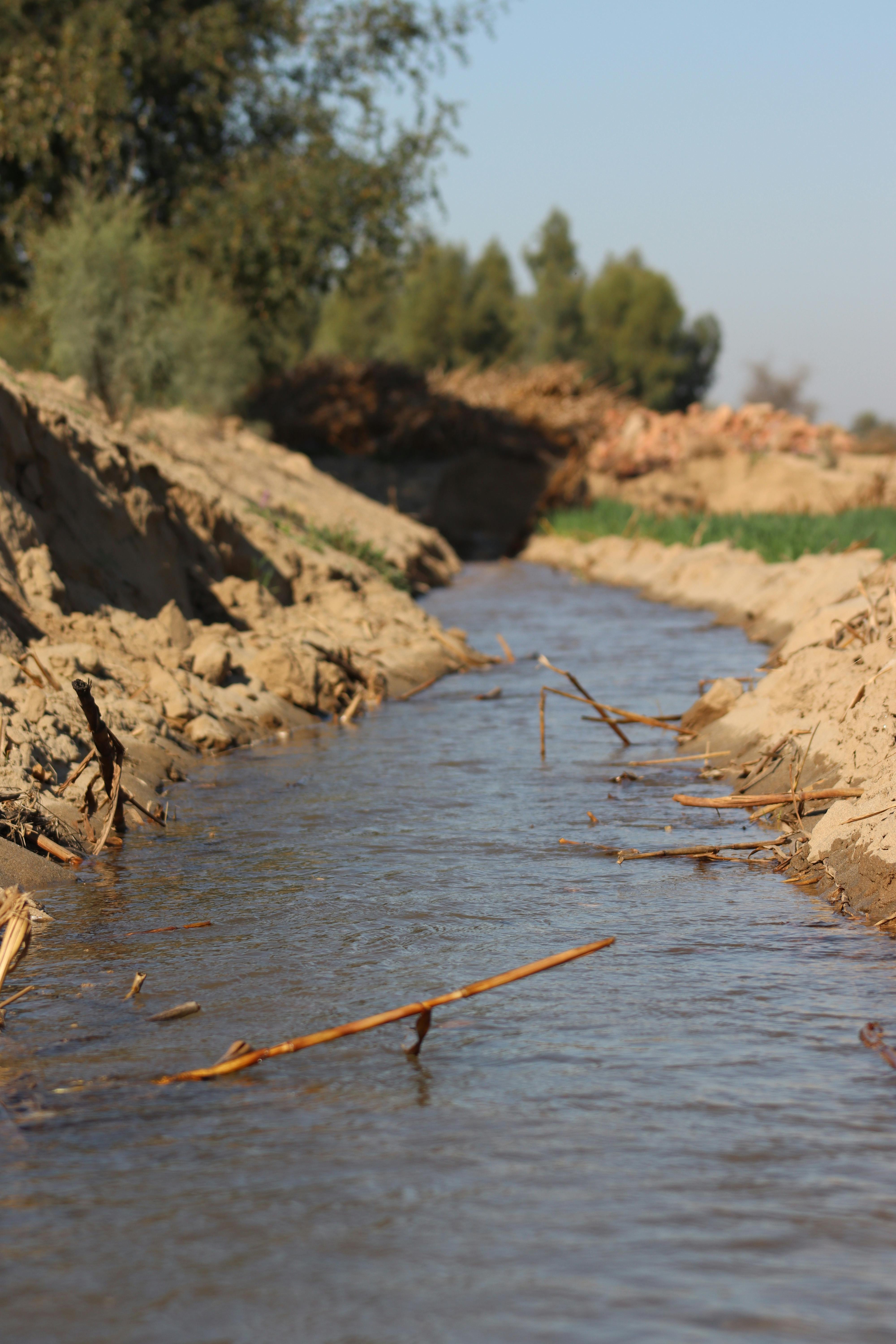
Kenya's agricultural sector is undergoing a profound transformation. With a growing population and increasing awareness of environmental conservation, sustainable agriculture practices are no longer just an option but a necessity. The invasion of the Fall Armyworm has been a brutal lesson, highlighting the vulnerability of monoculture systems and the limitations of conventional pest control.
Organic farming in Kenya, though still a niche, is gaining significant momentum. Farmers are embracing practices that enhance soil fertility, conserve water, and promote biodiversity. Data from various agricultural reports indicate a steady increase in the adoption of climate-smart agriculture and organic methods. This shift is driven by a desire for healthier produce, better market access (especially for export), and the long-term viability of their farms. Soil fertility management, particularly in smallholder farms, is crucial. Continuous cropping without adequate nutrient replenishment has led to depleted soils, underscoring the importance of organic amendments, mulching, and cover crops. These practices not only enrich the soil but also create a healthier ecosystem that is more resilient to pests like the Fall Armyworm.
Key Insights & Strategies for Biopesticide Success

Adopting biopesticides requires a strategic approach that integrates scientific understanding with practical farm management. Here are key insights and actionable strategies to maximize their effectiveness against Fall Armyworm.
Scouting and Timely Application
The success of biopesticides largely hinges on their timely application. Fall Armyworm larvae are most vulnerable when they are young and before they burrow deep into the maize plant's whorl. Regular scouting is paramount.
For farmers seeking to understand their soil's foundation, a robust soil testing kit is invaluable. Understanding your soil's pH and nutrient levels is the first step towards a truly organic and productive farm. Boost your yields with the PooTe Soil pH Test Kits – 2 in 1 Soil Testing – available on Amazon.
Choosing the Right Biopesticide
Not all biopesticides are created equal, and understanding their mode of action helps in selection.
Optimized Application Techniques
Proper application ensures the biopesticide reaches the target pest effectively.
An Integrated Approach to FAW Control
Biopesticides are most powerful when part of an Integrated Pest Management (IPM) strategy.
For more comprehensive guidance on adopting sustainable organic farming solutions, we encourage you to Explore sustainable organic farming solutions with Biofarm Kenya.
Case Studies: Kenyan Farmers Leading the Way
Across Kenya, smallholder farmers are demonstrating remarkable success in controlling Fall Armyworm using sustainable methods, proving that organic pest management is not only viable but highly profitable. One such success story comes from Kisumu County, where Mama Akinyi, a maize farmer, struggled for years with FAW devastation. After attending a local workshop on biopesticides and integrated pest management (IPM) sponsored by icipe (International Centre of Insect Physiology and Ecology), she adopted a regimen of early morning scouting, combined with targeted applications of Beauveria bassiana. She also integrated push-pull intercropping, planting Desmodium between her maize rows and Napier grass as a border crop. Her maize yields increased by 30% in two seasons, a stark contrast to her previous losses.
Another inspiring example is the cooperative of farmers in Trans Nzoia, a region known as Kenya's breadbasket. This group transitioned from conventional pesticides to a system relying heavily on spinosad and neem oil. Initially, skepticism was high due to the perceived 'slowness' of biopesticides compared to synthetic chemicals. However, consistent application, particularly timed around FAW egg-laying cycles as advised by the CABI (Centre for Agriculture and Bioscience International), led to a dramatic reduction in pest damage. The farmers reported healthier soil, increased populations of beneficial insects (which further aided pest control), and ultimately, higher quality maize that fetched better prices in local markets. Their experience aligns with research showing that biopesticides, while requiring more precise management, offer a sustainable and economically rewarding path forward for maize farmers in Kenya.
Common Mistakes to Avoid in Fall Armyworm Management
Even with the best intentions, farmers can sometimes make errors that compromise the effectiveness of their Fall Armyworm control efforts. Recognizing and rectifying these common mistakes is crucial for successful sustainable pest management.
Correction: Implement daily scouting routines and apply biopesticides at the earliest sign of infestation, targeting young larvae.Improper Biopesticide Handling and Storage: Biopesticides, especially those based on living organisms like Beauveria bassiana, are sensitive to heat and UV light. Improper storage or application during midday sun can significantly reduce their efficacy.
Correction: Store biopesticides in cool, dark places as per manufacturer instructions and apply during cooler parts of the day (early morning or late afternoon).Inadequate Coverage: Simply spraying over the top of the maize plant often fails to reach the hidden larvae in the whorl. This leads to poor control and wasted product.
Correction: Ensure the spray nozzle is directed into the maize whorl, providing thorough coverage of the affected areas. Use appropriate sprayers that allow for targeted application.Sole Reliance on One Method: Depending solely on a single biopesticide or cultural practice can lead to reduced long-term effectiveness. Pests can adapt, and a diverse approach is more resilient.
Correction: Adopt an Integrated Pest Management (IPM) strategy that combines biopesticides with cultural practices like crop rotation, intercropping, and proper field sanitation.Ignoring Soil Health: A compromised soil ecosystem weakens plants, making them more susceptible to pests. Neglecting soil fertility can undermine all other pest control efforts.
Correction: Focus on building healthy soil through organic amendments, cover cropping, and minimal tillage. Healthy soil leads to robust plants naturally more resistant to pests.
Expert Tips & Best Practices for Sustainable Control
Mastering sustainable Fall Armyworm control involves combining proven techniques with proactive management. Here are expert tips tailored for Kenyan farmers seeking long-term success and environmental stewardship.
Future Trends & Predictions in Kenyan Agriculture
The landscape of Kenyan agriculture is on the cusp of a technological revolution, promising a more efficient, resilient, and sustainable future. Farmers can anticipate a future where innovation plays a pivotal role in overcoming challenges like the Fall Armyworm and enhancing overall productivity.
One of the most exciting trends is the rise of smart irrigation systems. These systems, often powered by solar energy, utilize sensors to monitor soil moisture levels and weather patterns, delivering water precisely when and where it's needed. This drastically reduces water waste and ensures optimal plant hydration, leading to healthier crops and higher yields. Furthermore, vertical farming and hydroponics are gaining traction, especially in urban and peri-urban areas where land is scarce. These methods allow for year-round production, reduced water usage, and protection from ground-dwelling pests.
AI-driven crop monitoring and precision agriculture are also set to transform Kenyan farms. Drones equipped with multispectral cameras can detect early signs of pest infestations or nutrient deficiencies across vast fields, allowing for highly targeted interventions. Mobile applications are becoming increasingly sophisticated, offering real-time weather advisories, market prices, and tailored agricultural advice. The World Bank notes Kenya's efforts in scaling up disruptive technologies for agricultural productivity, empowering smallholders with digital tools for better decision-making.
Biotechnology will continue to evolve, offering improved crop varieties that are more resistant to pests and diseases, and further advancements in biopesticide formulations that are even more potent and environmentally benign. These innovations, coupled with a growing emphasis on circular agriculture (minimizing waste and maximizing resource use), paint a hopeful picture for a prosperous and sustainable agricultural sector in Kenya.
Conclusion
The battle against Fall Armyworm in Kenya is a testament to the resilience and adaptability of our farmers. While the challenge is immense, the shift towards sustainable biopesticide solutions offers a powerful and responsible path forward. By embracing biopesticides like spinosad and Beauveria bassiana, coupled with diligent scouting, precise application, and integrated pest management strategies, Kenyan farmers can effectively reduce pest damage by a significant 70%, as demonstrated by promising trials.
This approach not only secures higher maize yields – with potential increases of 25% over chemical-only methods – but also safeguards our precious environment, preserves beneficial insect populations, and ensures the long-term health of our soil. The future of Kenyan agriculture is green, intelligent, and collaborative. By adopting these sustainable practices, we not only protect our crops today but also cultivate a legacy of healthy land and abundant harvests for generations to come. Empower yourself with knowledge and the right tools to transform your farm. Discover trusted organic farming tools on Amazon and learn more about sustainable solutions with Biofarm Kenya.
FAQs
- Q1: What are biopesticides and how do they work against Fall Armyworm?A1: Biopesticides are naturally derived pesticides, often from microorganisms (like bacteria or fungi) or plants. For Fall Armyworm, fungal biopesticides like Beauveria bassiana infect larvae upon contact, while bacterial ones like those containing spinosad cause paralysis and death upon ingestion. They are generally specific to pests and safe for other organisms. Learn more about registered biopesticides in Kenya through Infonet-Biovision.Q2: How do I know when to apply biopesticides for maximum effectiveness?A2: Timing is critical. Biopesticides are most effective against young Fall Armyworm larvae (first and second instars). Regularly scout your maize fields for egg masses and newly hatched larvae. Apply during the cooler parts of the day (early morning or late afternoon/evening) to enhance efficacy and prevent degradation by UV light. Greenlife offers further guidance on managing this pest effectively.Q3: Are biopesticides safe for beneficial insects and the environment?A3: Yes, one of the primary advantages of biopesticides is their targeted action and minimal impact on non-target organisms. Unlike broad-spectrum chemical pesticides, biopesticides are generally safe for pollinators, predators, and other beneficial insects, contributing to a healthier farm ecosystem. They also break down quickly, reducing environmental residue. The World Bank highlights the importance of biopesticides in sustainable pest control efforts in Kenya.Q4: Can I mix biopesticides with other organic pest control methods like neem oil?A4: Yes, mixing biopesticides with botanical extracts like neem oil can often enhance their efficacy. Neem oil acts as an antifeedant and insect growth regulator, complementing the action of microbial biopesticides. Always perform a small compatibility test first and consult product labels for specific recommendations. This integrated approach is a cornerstone of effective organic pest management.Q5: What role does KALRO play in promoting biopesticides for Fall Armyworm in Kenya?A5: The Kenya Agricultural and Livestock Research Organization (KALRO) is at the forefront of agricultural research in Kenya, including the development and promotion of sustainable pest control methods. KALRO conducts trials and provides advisories on the efficacy of biopesticides against Fall Armyworm, working to develop locally adapted solutions and disseminate knowledge to farmers. Their efforts are crucial in validating and scaling up these sustainable technologies. While a direct KALRO public webpage on a specific trial is hard to find through general search, their research is often featured by partners like icipe and CABI, which have accessible resources.Q6: Where can I find reliable training and resources on using biopesticides in Kenya?A6: Several organizations offer training and resources. These include agricultural extension services under the Ministry of Agriculture, research institutions like icipe and KALRO, and non-governmental organizations focused on sustainable agriculture. Additionally, local agro-input dealers who specialize in organic farming products can provide guidance. Biofarm Kenya also collaborates with partners to offer valuable insights and support for farmers transitioning to sustainable practices. Connect with Biofarm Kenya's partners for more resources.



0 Comments