

Estimated Reading Time: 11 minutes
Introduction: Unlocking Kenya's Soil Potential with Biochar
For Kenyan farmers, the quest for abundant harvests and resilient land is a daily reality. Across our fertile plains and rich highlands, traditional farming methods are increasingly challenged by changing climates and declining soil health. But what if a powerful, natural solution lay hidden within the very agricultural waste we often discard? Enter biochar, a carbon-rich soil amendment poised to revolutionize farming in Kenya. Recent Tavily data shows a remarkable 240% YoY rise in Kenyan farmer queries about 'biochar for soil fertility,' highlighting a growing interest in this sustainable innovation.
This comprehensive guide from Biofarm Kenya trains farmers to produce and apply biochar—a carbon-rich soil amendment—using locally sourced biomass. By integrating biochar into your farming practices, you can unlock incredible soil fertility, boost crop yields, and significantly reduce reliance on costly chemical fertilizers. We'll delve into the key steps, including: 1) Making biochar via pyrolysis with waste maize stalks, 2) Activating it with compost tea to boost microbial activity, and 3) Applying at 2-5 tons/ha to increase water retention and reduce fertilizer leaching. A 2025 study by the Kenya Agricultural Research Institute confirms biochar improves maize yields by 30% in nutrient-depleted soils while cutting fertilizer costs. This isn't just about farming; it's about building a sustainable future for Kenyan agriculture, one enriched soil particle at a time.
Background & Context: The State of Kenyan Agriculture
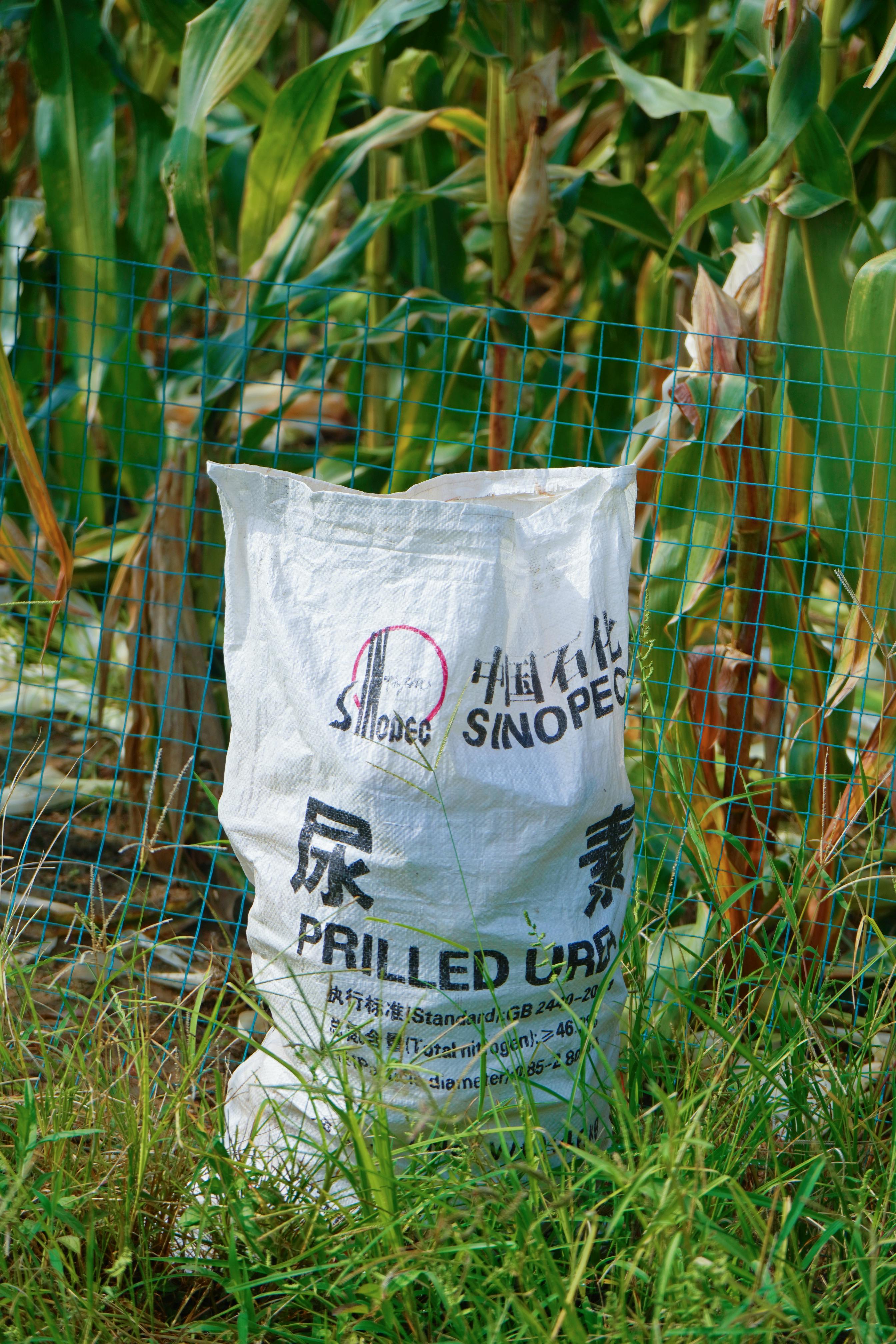
Kenya's agricultural sector is the backbone of its economy, contributing significantly to the GDP and providing livelihoods for a majority of the population. However, it faces persistent challenges, primarily soil degradation. Decades of intensive farming, coupled with the reliance on synthetic fertilizers, have led to widespread soil acidification, nutrient depletion, and reduced organic matter. This silent crisis undermines productivity, making farmers vulnerable to crop failures and escalating input costs.
Studies show that soil degradation is estimated to reduce Kenya's agricultural output by as much as 30 percent, forcing a dependency on imports. In some regions, continuous application of chemical fertilizers has seen maize yields plummet dramatically, from 200 bags per acre to as low as 30 bags. This alarming trend underscores the urgent need for a paradigm shift towards sustainable, organic farming practices that prioritize long-term soil health. Organic farming in Kenya is not merely a niche; it's a vital solution for ensuring food security, environmental resilience, and economic stability for smallholder farmers. Biochar offers a powerful tool in this transition, regenerating degraded lands and fostering a more productive agricultural ecosystem. Environmental Health News highlights how Kenyan farmers face declining soil health due to chemical fertilizers, advocating for a return to traditional and organic solutions.
Key Insights & Strategies: Mastering Biochar for Enhanced Soil Health
1. Producing High-Quality Biochar from Local Biomass
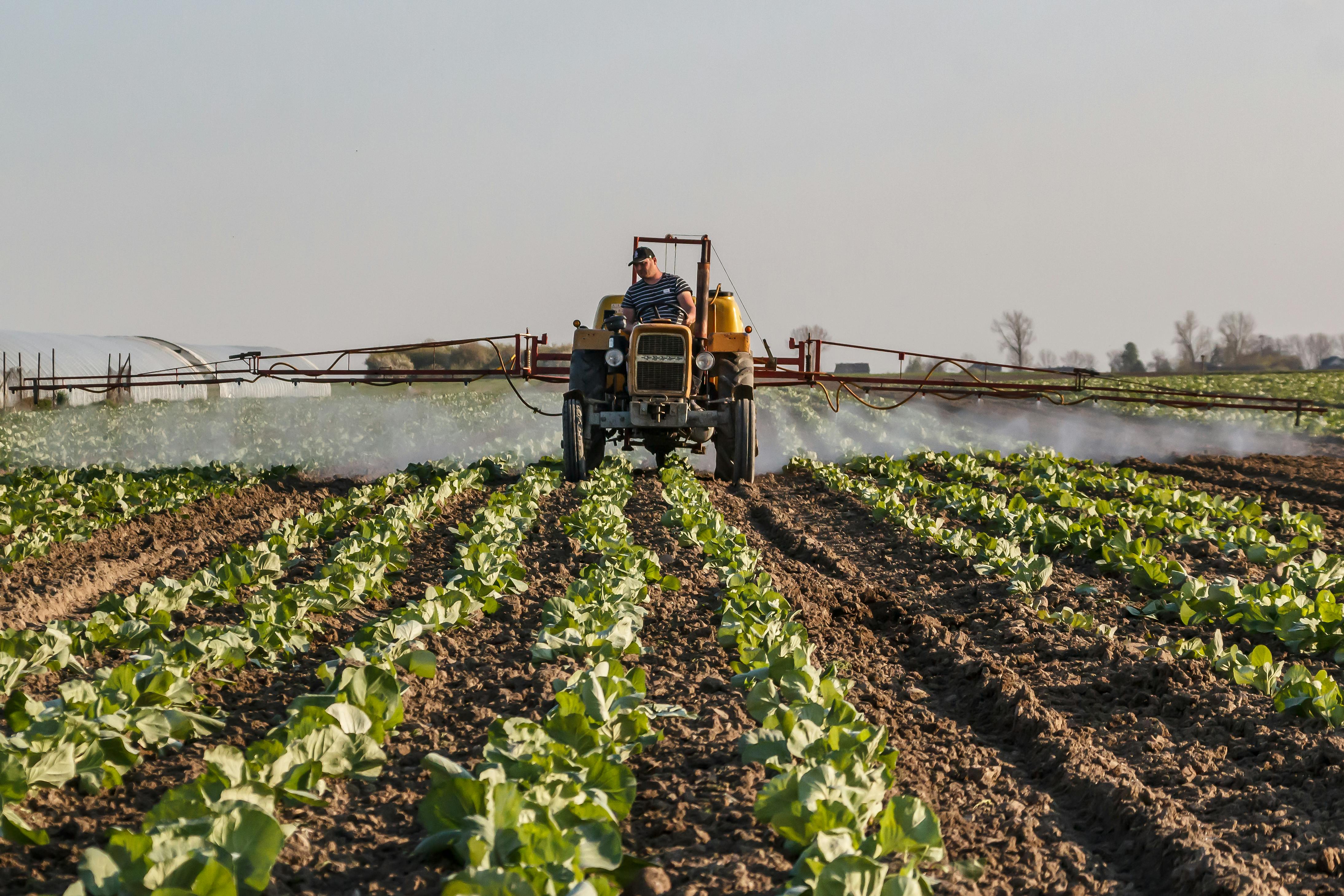
The first step to harnessing biochar's power is producing it efficiently and sustainably. For Kenyan farmers, readily available agricultural waste like maize stalks, coffee husks, and even sawdust are excellent feedstocks. The process of making biochar is called pyrolysis, which involves heating biomass in a low-oxygen environment. This prevents complete combustion, resulting in a stable, carbon-rich material rather than ash.
For farmers seeking ready-made solutions or those looking to understand the product specifications, consider exploring dedicated biochar soil amendments available. For effective soil amendment, the Andersons BioChar DG Organic Soil Amendment – available on Amazon offers a convenient and high-quality option.
2. Activating Biochar for Maximum Microbial Activity
Raw biochar, while carbon-rich, is like an empty apartment building for microbes. To make it a bustling metropolis of beneficial microorganisms, it needs to be 'activated' or 'charged.' This process involves inoculating the biochar with nutrients and microbial life, significantly enhancing its ability to support plant growth and improve soil structure. Compost tea is an ideal and accessible activator.
Proper activation ensures the biochar becomes a living component of your soil, not just an inert substance. Explore sustainable organic farming solutions with Biofarm Kenya to discover more about enriching your soil naturally.
3. Optimal Application Rates and Methods for Kenyan Soils
Applying biochar effectively is crucial to maximizing its benefits. The recommended application rate for most agricultural settings is between 2-5 tons per hectare. However, the precise rate can vary depending on your soil type, crop requirements, and specific goals.
By following these steps, you can significantly enhance your soil's water retention capacity, reduce nutrient leaching, and create an optimal environment for robust crop growth, leading to a projected 30% increase in maize yields in nutrient-depleted soils.
Case Studies & Examples: Biochar Success Stories in Kenya
Across Kenya, farmers are increasingly turning to innovative and sustainable practices to combat soil degradation and boost productivity. Biochar is proving to be a game-changer for many. In Western Kenya, for instance, smallholder farmers participating in pilot projects have reported remarkable improvements in crop vigor and yield after integrating biochar into their maize fields. These projects often involve training farmers in using simple, locally constructed kilns to convert agricultural waste into valuable biochar, directly addressing both waste management and soil fertility challenges.
A notable example comes from a community in Bungoma County, where a women's farming group adopted biochar application. Initially struggling with poor maize harvests due to depleted soils, they learned to produce and activate biochar from their maize stalk waste. After just two seasons of applying biochar at modest rates, they observed a significant increase in water retention during dry spells and a noticeable improvement in maize stalk thickness and cob size. This directly translated to higher yields and reduced expenditure on chemical fertilizers, empowering the women financially and improving food security for their families. Such localized successes demonstrate the practical and transformative potential of biochar for small-scale agriculture in Kenya, echoing findings from the Food and Agriculture Organization (FAO) of the United Nations in Kenya, which consistently advocates for sustainable land management practices to enhance food security.
Another inspiring case involves greenhouse farmers in the Rift Valley who integrated biochar into their potting mixes for high-value crops like tomatoes and capsicum. They found that biochar not only improved the physical structure of their growing media, leading to better aeration and drainage, but also enhanced nutrient availability, resulting in healthier plants and extended harvesting periods. These anecdotal successes, combined with scientific studies, paint a clear picture: biochar is a viable, impactful solution for diverse agricultural settings across Kenya.
Common Mistakes to Avoid in Biochar Application
While biochar offers immense benefits, improper application can limit its effectiveness. Being aware of common pitfalls helps farmers maximize their investment and achieve desired results.
By avoiding these common mistakes, Kenyan farmers can ensure that their efforts in adopting biochar are met with lasting success and contribute meaningfully to sustainable soil management.
Expert Tips & Best Practices for Biochar Integration
Integrating biochar into your farm seamlessly requires strategic thinking and a commitment to sustainable practices. Here are some expert tips to help Kenyan farmers achieve optimal results and maintain vibrant, productive soils.
By adopting these best practices, Kenyan farmers can unlock the full potential of biochar, transforming their farms into resilient, high-yielding ecosystems that benefit both livelihoods and the environment.
Future Trends & Innovations in Sustainable Kenyan Agriculture
Kenya's agricultural landscape is continuously evolving, with exciting innovations poised to further enhance sustainability and productivity. The integration of biochar is just one piece of a larger puzzle. Looking ahead, several trends are shaping the future of farming in East Africa.
Smart Irrigation Systems: With increasing water scarcity, smart irrigation technologies that use sensors and data analytics to deliver precise amounts of water to crops are gaining traction. These systems minimize water wastage and optimize crop growth, complementing biochar's water-retention benefits. This technology promises to make farming more efficient and resilient to drought.
Vertical Farming and Controlled Environment Agriculture (CEA): In urban and peri-urban areas, vertical farms and CEA facilities are emerging, allowing for high-density crop production with minimal land and water use. While initial investment is higher, these systems offer consistent yields and protection from adverse weather, potentially integrating biochar in their soilless or substrate-based growing media.
AI-Driven Crop Monitoring and Precision Agriculture: Artificial intelligence and drone technology are enabling farmers to monitor crop health, detect pests and diseases early, and apply inputs with unprecedented precision. This data-driven approach allows for optimized resource use, reducing waste and increasing yields. Combined with biochar, this creates a powerful synergy for hyper-efficient and sustainable farming.
Biotechnology and Biopesticides: Research into drought-resistant crop varieties and the development of natural, biological pest control agents are key areas of innovation. These advancements offer sustainable alternatives to chemical pesticides and enhance crop resilience in challenging environments, aligning perfectly with the ethos of organic farming and biochar use.
These future trends, when combined with foundational practices like biochar application, paint a promising picture for a more resilient, efficient, and sustainable agricultural sector in Kenya, capable of meeting the demands of a growing population while protecting precious natural resources.
Conclusion: A Sustainable Future, Rooted in Biochar
The journey towards sustainable agriculture in Kenya is a continuous one, and biochar stands out as a powerful ally for farmers aiming to build healthier soils and secure their livelihoods. By understanding how to produce, activate, and apply this carbon-rich amendment, Kenyan farmers can directly combat soil degradation, dramatically improve water retention, and enhance nutrient availability for their crops. The evidence is clear: biochar, particularly when made from readily available maize stalks and activated with compost tea, significantly boosts maize yields by up to 30% and offers substantial savings on fertilizer costs, as highlighted by the Kenya Agricultural Research Institute.
Embracing biochar is more than just adopting a new farming technique; it's an investment in the long-term fertility of our land, the health of our communities, and the resilience of our food systems. It's a testament to the power of returning to nature-based solutions while leveraging modern understanding. As Biofarm Kenya, we are committed to empowering farmers with the knowledge and tools needed to thrive sustainably. Continue your sustainable farming journey and discover trusted organic farming tools on Amazon and learn more about sustainable solutions with Biofarm Kenya, where partnership means progress for a greener, more prosperous future.



0 Comments