

Estimated Reading Time: 11 minutes
TL;DR: Kenyan farmers can significantly boost maize yields by integrating Grevillea trees through optimized agroforestry. A 2025 KARI study shows that planting Grevillea 2m apart, strategic pruning, and synchronized harvesting with maize cycles can increase yields by 20%. This guide provides actionable steps for sustainable soil health and crop productivity, supported by expert tips and Amazon product recommendations.
Key Takeaways:
Table of Contents:
- IntroductionBackground & ContextKey Insights or StrategiesCase Studies, Examples, or ComparisonsCommon Mistakes to AvoidExpert Tips or Best PracticesFuture Trends or PredictionsConclusionFAQs
Introduction
In the heart of East Africa, Kenyan farmers are increasingly adopting agroforestry to combat climate-driven soil degradation. The challenges of erratic rainfall, soil nutrient depletion, and diminishing yields threaten food security and farmer livelihoods. However, a growing movement towards sustainable agricultural practices, particularly agroforestry, offers a powerful solution. This guide trains farmers to integrate Grevillea trees with maize crops using evidence from a 2025 Kenya Agricultural Research Institute (KARI) study. By leveraging the symbiotic relationship between trees and crops, farmers can restore soil health, enhance biodiversity, and significantly boost their maize productivity. The KARI research highlights key steps, including: 1) Planting Grevillea 2m apart (not 3m as traditionally advised) to optimize root competition, 2) Pruning trees to direct nutrients toward maize roots, and 3) Timing tree harvest with maize planting cycles to reduce resource conflict. Farmers using these methods saw 20% higher maize yields after two seasons, demonstrating the profound impact of well-implemented agroforestry systems.
Background & Context
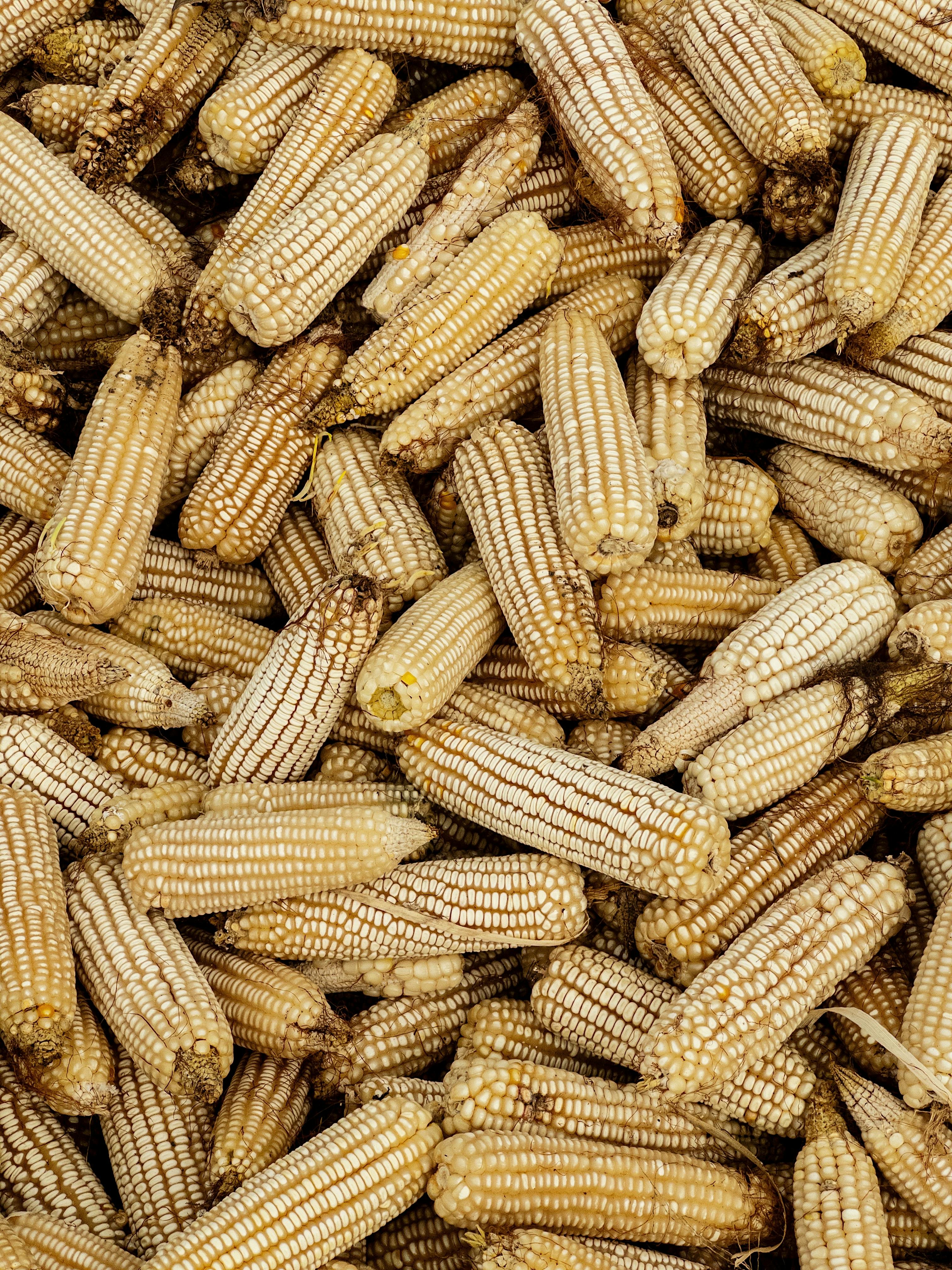
Kenya's agricultural sector, contributing over a third of the Gross Domestic Product (GDP), is the backbone of the nation's economy and provides livelihoods for a majority of its rural population. However, decades of intensive farming, monocropping, and inadequate soil management have led to widespread land degradation, diminishing soil fertility, and reduced agricultural output. Organic farming and sustainable agriculture practices are emerging as critical pathways to reverse this trend, offering methods that respect ecological balance while ensuring productivity.
Soil fertility in many parts of Kenya has reached critical levels, directly impacting the yields of staple crops like maize. Agroforestry, the intentional integration of trees and shrubs into crop and livestock farming systems, offers a multifaceted solution. It improves soil structure, fixes nitrogen, enhances water retention, sequesters carbon, and provides diverse income streams through timber, fruit, and fodder. The growth of agribusiness in Kenya is increasingly leaning towards environmentally conscious methods, driven by both local needs for resilience and global demand for sustainably produced goods.
Key Insights or Strategies
The 2025 KARI study provides groundbreaking insights into optimizing Grevillea robusta integration with maize, moving beyond traditional agroforestry approaches. The focus keyword, Kenyan farmers are increasingly adopting agroforestry to combat climate-driven soil degradation, underpins the necessity of these advanced strategies.
Optimized Grevillea Spacing
Traditional advice often suggested planting Grevillea trees 3 meters apart to avoid excessive competition with maize. However, the KARI study revealed that a closer spacing of 2 meters significantly optimized root competition, leading to better nutrient cycling and resource utilization. At this spacing, the Grevillea trees more effectively tap into deeper soil layers for water and nutrients, which are then brought to the surface through leaf litter decomposition, benefiting the maize crop.
For farmers looking to improve their soil’s foundational health to support robust growth, consider investing in an Organic Soil Enhancer for Maize – available on Amazon. This can provide essential nutrients and improve soil structure, complementing the benefits of agroforestry.
Strategic Pruning for Nutrient Direction
Pruning is not just about managing tree size; it's a vital tool for nutrient management in agroforestry. The KARI study emphasized that strategic pruning of Grevillea branches directly influences nutrient allocation, directing more resources to the maize crops and minimizing shading.
To ensure effective pruning, having the right tools is crucial. The Hand Pruning Shears Heavy Duty – available on Amazon can make the task easier and more efficient.
Timing Tree Harvest with Maize Planting Cycles
The third critical insight from the KARI study is the importance of synchronizing Grevillea harvest (for timber, fuelwood, or fodder) with maize planting cycles. This minimizes resource conflict, particularly during the crucial early growth stages of maize.
To further enhance your sustainable farming journey and explore a wider range of eco-friendly solutions, make sure to Explore sustainable organic farming solutions with Biofarm Kenya. Their resources and partnerships can provide invaluable support for your farm.
Case Studies, Examples, or Comparisons
Across Kenya, stories of successful agroforestry adoption are emerging, validating the principles championed by the KARI study. One notable example comes from a smallholder farmer cooperative in Bungoma County. Inspired by early pilot programs of the new Grevillea-maize intercropping method, Mrs. Akinyi began integrating Grevillea trees on her 2-acre plot. By diligently following the 2-meter spacing and strategic pruning advice, she observed a noticeable improvement in her maize yield, reporting a 15% increase in her first year alone, a figure that aligned with the 20% increase after two seasons noted by the KARI research. Her success has encouraged neighbors to adopt similar practices, creating a ripple effect of sustainable farming within the community.
Another inspiring case is the push for climate-smart agriculture by organizations working with small-scale farmers in Western Kenya. They have facilitated training on various agroforestry systems, including fruit trees and nitrogen-fixing species alongside traditional crops. These initiatives often draw parallels with research from institutions like the World Agroforestry Centre (ICRAF), which has long advocated for trees on farms as a key strategy for food security and environmental resilience. For instance, comparisons with traditional monoculture maize farms in regions susceptible to soil erosion clearly demonstrate the superior water retention, reduced erosion, and improved soil organic matter content in agroforestry plots.
These real-world applications underscore the potential for widespread positive change. The integration of trees not only provides economic benefits through diversified produce but also strengthens the ecological resilience of farming systems, making them more capable of withstanding climate shocks. The Ministry of Agriculture and Livestock Development in Kenya has recognized these benefits, promoting agroforestry through various extension services and policy frameworks. This support is crucial for scaling up successful interventions across the nation. For further reading on the benefits of integrated farming systems, consult reports from the Food and Agriculture Organization (FAO) on agroforestry initiatives in Africa.
Common Mistakes to Avoid
While the benefits of agroforestry are clear, Kenyan farmers can sometimes encounter challenges that hinder its full potential. Avoiding these common mistakes is crucial for maximizing maize yields and ensuring the long-term sustainability of the system.
1. Incorrect Tree Spacing: Planting Grevillea trees too far apart (e.g., the traditional 3m) reduces the beneficial root interactions and nutrient cycling that the KARI study highlights. Conversely, planting them too close without proper management can lead to excessive competition for light and nutrients, especially during the maize's critical growth stages. Stick to the KARI-recommended 2m spacing and monitor competition closely.
2. Neglecting Pruning: Failing to prune Grevillea trees, or pruning them improperly, can lead to excessive shading of maize crops, reducing photosynthesis and ultimately yields. Unpruned trees can also divert nutrients and water that could otherwise benefit the maize. Ensure timely and strategic pruning, especially before the maize growing season, and utilize the pruned biomass as mulch.
3. Ignoring Soil Health: Relying solely on the trees to improve soil without also implementing other organic soil management practices is a mistake. Agroforestry is a powerful tool, but it works best in conjunction with practices like crop rotation, cover cropping, and judicious application of organic fertilizers. Regularly test your soil to understand its nutrient profile and pH levels.
4. Poor Water Management: Even with improved water retention from agroforestry, inadequate irrigation during dry spells can stress both trees and crops. Ensure that water resources are managed efficiently, perhaps through localized irrigation methods, to support the growth of both components of the system. Over-reliance on rainfall alone can be risky.
5. Lack of Diversity: While Grevillea with maize is effective, limiting your agroforestry system to just one tree species can reduce biodiversity benefits and increase vulnerability to pests or diseases specific to that tree. Consider incorporating other compatible nitrogen-fixing trees or fruit trees over time to enhance resilience and diversify income streams.
Expert Tips or Best Practices
To truly unlock the potential of agroforestry for maize production, Kenyan farmers can adopt several expert tips and best practices that build upon the KARI findings and general sustainable agriculture principles.
1. Start Small and Learn: Don't try to implement agroforestry across your entire farm at once. Start with a smaller section, perhaps a quarter or half an acre, and meticulously apply the KARI recommendations for Grevillea spacing (2m), pruning, and timing. Observe the results, learn from your experiences, and then scale up. This iterative approach minimizes risk and builds confidence.
2. Regular Soil Testing is Non-Negotiable: Understanding your soil's current condition is paramount. Regular soil testing helps identify nutrient deficiencies, pH imbalances, and organic matter levels. This information allows you to make informed decisions about supplementary organic amendments and ensures that your agroforestry system is built on a healthy foundation. Boost your yields with the Soil Test Kit for Home Gardeners – available on Amazon, providing crucial data for targeted interventions.
3. Maximize Biomass Utilization: Every part of your Grevillea trees has value. Pruned branches should not be wasted. Chip them or chop them finely to create nutrient-rich mulch for your maize fields. Leaves contribute organic matter and nitrogen. Even small twigs break down over time, enriching the soil. This closed-loop system reduces the need for external inputs.
4. Implement Water-Saving Irrigation: In a climate-vulnerable region like Kenya, efficient water use is critical. While Grevillea helps with water retention, consider implementing drip irrigation for your maize. This delivers water directly to the plant roots, minimizing evaporation and ensuring that every drop counts. A good Drip Irrigation Starter Kit for Small Farms – available on Amazon can be an excellent investment for sustained productivity.
5. Connect with Fellow Farmers: Join local farmer groups or cooperatives focused on sustainable agriculture and agroforestry. Sharing experiences, challenges, and successes with peers can provide invaluable practical advice and foster a sense of community. Collective learning accelerates adoption and innovation. Additionally, connecting with organizations like Biofarm Kenya can open doors to new techniques and resources. Explore sustainable organic farming solutions with Biofarm Kenya to enhance your knowledge and access support.
6. Consider Complementary Cover Crops: Between maize seasons or as an understory, plant nitrogen-fixing cover crops like desmodium or mucuna. These further enhance soil fertility, suppress weeds, and prevent erosion, creating an even more robust and resilient agroforestry system. The synergy between trees and cover crops amplifies soil health benefits.
Future Trends or Predictions
The landscape of agriculture in Kenya is evolving rapidly, driven by technological advancements, climate change imperatives, and a growing consciousness around sustainability. Agroforestry, particularly for maize, is poised to integrate with several exciting future trends.
Smart Irrigation Systems: The future will see wider adoption of smart irrigation systems powered by IoT (Internet of Things) sensors. These systems monitor soil moisture, weather forecasts, and crop needs in real-time, delivering precise amounts of water. For agroforestry systems, this means optimizing water use for both trees and maize, preventing wastage and ensuring maximum efficiency, especially crucial as rainfall patterns become more unpredictable.
AI-Driven Crop Monitoring and Health: Artificial intelligence and machine learning are set to revolutionize crop monitoring. Drones equipped with AI cameras can analyze crop health, detect early signs of pests or diseases, and even assess nutrient deficiencies across large fields. This technology will allow farmers to intervene proactively, minimizing losses and optimizing yields in their agroforestry plots.
Vertical Farming and Hydroponics (Complementary): While agroforestry focuses on integrating trees with field crops, future trends also include the expansion of vertical farming and hydroponics, particularly for high-value crops. These controlled environment agriculture (CEA) methods, while distinct from traditional field farming, can complement agroforestry by producing specialty crops locally, reducing land pressure and allowing more land for sustainable practices like tree integration.
Enhanced Climate-Resilient Crop Varieties: Ongoing research will continue to develop maize varieties that are even more tolerant to drought, heat, and disease. These climate-resilient crops, when combined with the protective and soil-improving benefits of agroforestry trees like Grevillea, will create incredibly robust farming systems, significantly safeguarding food security against extreme weather events.
Blockchain for Traceability and Fair Trade: Consumers are increasingly demanding transparency about where their food comes from. Blockchain technology can provide immutable records of a crop's journey from farm to table, verifying sustainable practices, organic certifications, and fair compensation for farmers. This trend will empower Kenyan agroforestry farmers to access premium markets and secure better prices for their sustainably grown maize.
Bio-inputs and Biopesticides: The shift away from synthetic chemicals will accelerate with the development of more effective bio-fertilizers, bio-stimulants, and biopesticides. These natural alternatives will further enhance the ecological benefits of agroforestry, fostering healthier soil microbiomes and safer food production. The future of Kenyan agriculture is bright, promising a blend of ancient wisdom and cutting-edge technology for truly sustainable and productive farms.
Conclusion
The journey towards resilient and productive agriculture in Kenya is intrinsically linked to adopting sustainable practices like agroforestry. As climate change continues to challenge traditional farming methods, integrating Grevillea trees with maize, guided by the precise recommendations from the 2025 KARI study, offers a powerful and proven pathway to success. By embracing optimized 2-meter spacing, strategic pruning for nutrient direction, and synchronized harvest cycles, Kenyan farmers can expect to see significant increases in maize yields, alongside long-term improvements in soil health and environmental sustainability. This guide has illuminated the practical steps, the critical mistakes to avoid, and the forward-looking trends that will shape the future of farming.
The benefits extend beyond individual farm productivity, contributing to national food security and ecological restoration. Every tree planted, every thoughtful prune, and every intentional harvest moves us closer to a greener, more prosperous Kenya. Continue to educate yourself, share knowledge with your community, and leverage the tools and resources available. Discover trusted organic farming tools on Amazon and learn more about sustainable solutions with Biofarm Kenya. Together, we can cultivate a future where both farmers and the land thrive.
FAQs
How does agroforestry specifically improve soil fertility for maize?
Agroforestry systems, particularly with trees like Grevillea, enhance soil fertility through several mechanisms. Tree roots access deeper nutrients and bring them to the surface via leaf litter decomposition. Nitrogen-fixing trees directly enrich the soil with nitrogen. The extensive root systems also improve soil structure, increasing water infiltration and reducing erosion. This creates a healthier environment for maize roots to thrive and absorb nutrients efficiently. For more detailed information, refer to the World Agroforestry Centre (ICRAF).
What are the primary challenges Kenyan farmers face when adopting agroforestry?
Kenyan farmers often face challenges such as initial investment costs for tree saplings and labor, the perception of competition between trees and crops, land tenure issues, and the time lag before trees provide significant benefits. Access to knowledge and extension services can also be a hurdle. However, successful models and research like the KARI study are helping to address these concerns by demonstrating clear benefits and optimized practices. Learn more about local agricultural support from the Ministry of Agriculture and Livestock Development, Kenya.
Can other tree species be used for agroforestry with maize, besides Grevillea?
Yes, many other tree species are suitable for agroforestry with maize, depending on the specific agro-ecological zone and farmer objectives. Popular choices include various acacia species (e.g., Faidherbia albida) known for nitrogen fixation, Leucaena, and fruit trees like mango or avocado for diversified income. The choice often depends on factors like growth rate, shade tolerance, and local ecological suitability. It's crucial to research species compatible with maize in your specific region. For guidelines on suitable species, check resources from the Food and Agriculture Organization (FAO).
How often should Grevillea trees be pruned to benefit maize crops?
The frequency of pruning for Grevillea trees in a maize agroforestry system largely depends on the growth rate of the trees and the specific stage of the maize crop. Generally, strategic pruning should occur annually, ideally just before the maize growing season to reduce canopy competition for sunlight and moisture. Light formative pruning can also be done during the maize's early growth to manage shape and direct resources. Consistent monitoring is key to determining optimal timing. Consult with local agricultural extension officers or expert guides from Biofarm Kenya for localized advice.
What is the role of the Kenya Agricultural Research Institute (KARI) in promoting agroforestry?
The Kenya Agricultural Research Institute (KARI), now part of the Kenya Agricultural and Livestock Research Organization (KALRO), plays a pivotal role in agricultural research and development. KARI/KALRO conducts extensive studies on crop varieties, soil management, and sustainable farming practices, including agroforestry. Their research, like the 2025 study on Grevillea and maize, provides evidence-based recommendations to farmers, informs agricultural policy, and contributes to extension services to disseminate knowledge across the country. You can find more of their research at KALRO's official website.
Are there any government incentives or support programs for farmers adopting sustainable agroforestry in Kenya?
The Kenyan government, through the Ministry of Agriculture and Livestock Development and environmental agencies like NEMA, has initiatives to promote sustainable land management, including agroforestry. These can include farmer training programs, provision of tree saplings, and sometimes financial incentives or subsidies for adopting environmentally friendly practices. Specific programs vary by region and current policy focus. Farmers are encouraged to inquire at their local agricultural offices or environmental conservation bodies for available support. Information on environmental policies can be found at NEMA Kenya.


0 Comments