

Estimated Reading Time: 11 minutes
- IntroductionBackground & ContextKey Insights & Strategies for Organic SuccessCase Studies: Kenyan Farmers Thriving OrganicallyCommon Mistakes to Avoid in Organic FarmingExpert Tips & Best Practices for Transitioning to OrganicFuture Trends: Innovation in Kenyan Organic AgricultureConclusion: Cultivating a Sustainable FutureFAQs About Organic Farming in Kenya
Introduction
In Kenya, the agricultural sector faces a dual challenge: persistently rising costs and soil degradation. These pressing issues are increasingly driving Kenyan farmers to adopt organic alternatives, seeking sustainable solutions that benefit both their pockets and the land. This comprehensive guide from Biofarm Kenya is designed to empower farmers, offering practical knowledge to transition towards organic practices. We will train farmers to replace chemical fertilizers with cost-effective compost and biofertilizers, ensuring long-term soil health and robust yields.
The benefits of organic farming are profound, extending beyond mere cost savings to encompass environmental stewardship and enhanced food security. By focusing on natural inputs and ecological processes, farmers can cultivate healthier crops, reduce their environmental footprint, and build more resilient farming systems. This article delves into the core principles and actionable steps necessary for a successful organic transition in the Kenyan context.
Background & Context
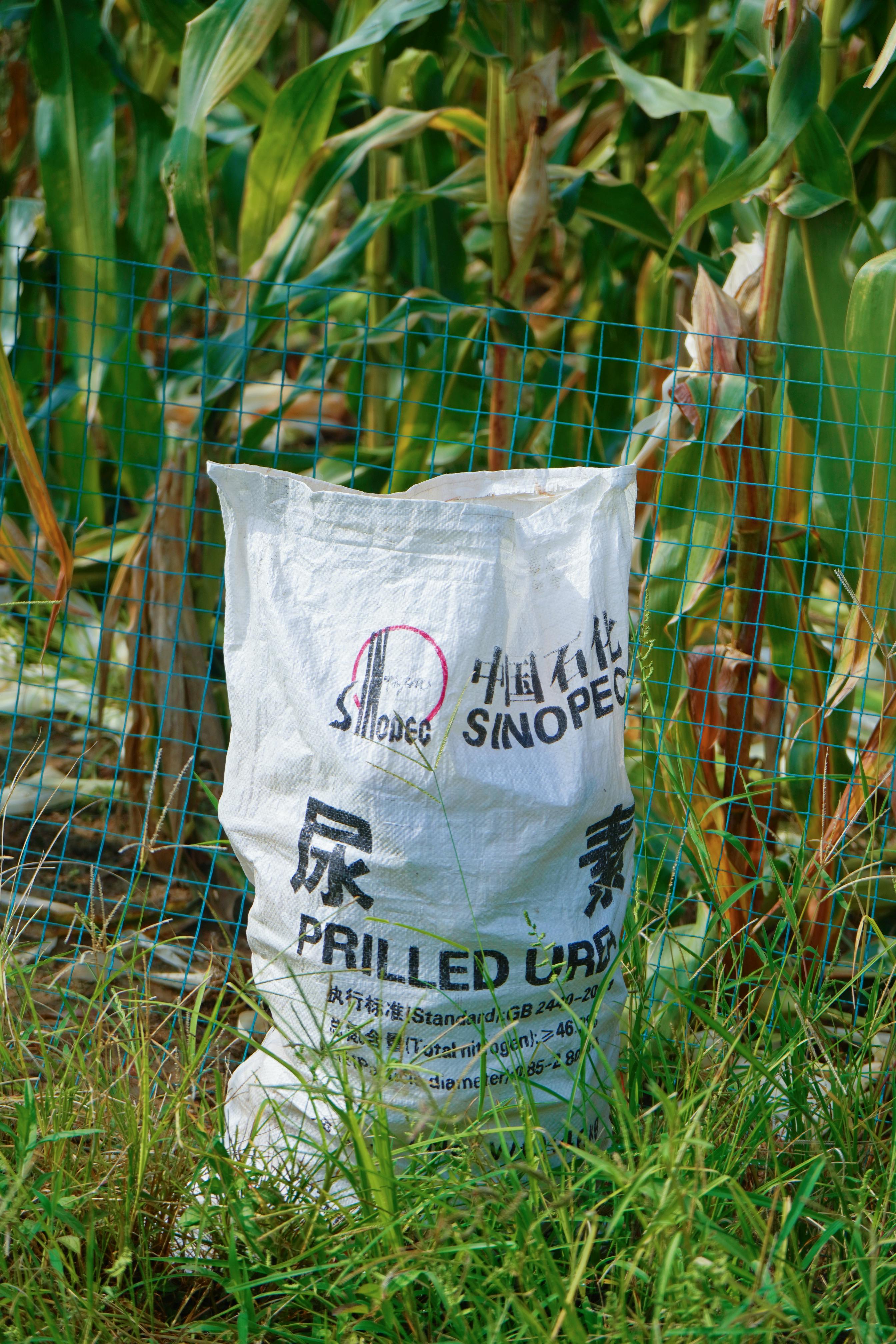
Kenya's agricultural landscape is undergoing a significant transformation. With increasing awareness of the adverse effects of synthetic chemicals and a global push for sustainable food systems, organic farming is gaining remarkable momentum. Reports indicate a growing demand for organic produce both domestically and internationally, positioning organic agriculture as a viable and profitable pathway for Kenyan farmers.
However, decades of conventional farming practices, coupled with climatic shifts, have led to widespread soil degradation across many regions. This decline in soil fertility directly impacts productivity and increases farmers' reliance on external, often expensive, chemical inputs. The urgent need to combat rising costs and soil degradation is undeniable. Organic farming offers a powerful antidote, improving soil structure, enhancing biodiversity, and restoring the natural balance of agricultural ecosystems. Embracing these methods allows farmers to break free from the cycle of costly chemical dependency.
Key Insights & Strategies for Organic Success

Transitioning to organic farming in Kenya requires strategic planning and a commitment to understanding natural agricultural processes. Here are key strategies that farmers can implement to cut input costs and significantly boost yields.
Mastering Nutrient-Rich Compost Production
The first key step in embracing organic alternatives is to master the art of making nutrient-rich compost. This involves transforming readily available farm residues, such as crop stalks, leaves, and livestock manure, into a powerful, slow-release fertilizer. Composting improves soil structure, water retention, and microbial activity, directly addressing soil degradation.
According to the Kenya Agricultural Research Institute (2025), utilizing local resources for compost making drastically reduces dependency on external inputs, directly saving farmers money and enriching their soil naturally.
Harnessing the Power of Biofertilizers
The second crucial step involves applying biofertilizers. These living organisms, when introduced to the soil, enhance nutrient availability for plants through natural processes like nitrogen fixation and phosphorus solubilization. This directly helps farmers to replace chemical fertilizers with cost-effective compost and biofertilizers.
A 2025 KALRO trial demonstrated that biofertilizers like nitrogen-fixing rhizobia for legumes can boost yields by 20–30%, offering a clear path to increased productivity without the environmental drawbacks of synthetic inputs.
Optimizing Soil Health with pH Testing
The third essential step for optimizing organic input use and ensuring healthy crops is conducting simple soil pH tests. Soil pH dictates nutrient availability, and understanding it is fundamental to effective organic farming.
By understanding and managing soil pH, farmers can ensure their compost and biofertilizers work most efficiently, leading to healthier plants and preventing nutrient deficiencies. This holistic approach supports the goal of reducing rising costs and soil degradation.
For more in-depth guidance on these and other sustainable practices, you can always Explore sustainable organic farming solutions with Biofarm Kenya.
Case Studies: Kenyan Farmers Thriving Organically
Across Kenya, numerous farmers are demonstrating that organic agriculture is not just an ideal but a practical and profitable reality. Their successes serve as powerful examples for others facing rising costs and soil degradation.
One inspiring example comes from a regenerative agriculture initiative supported by Farm Africa's STRAK project. This program has equipped over 60,000 smallholder farmers since 2017 with the tools and knowledge to farm regeneratively. Participants have reported significant improvements in soil fertility, reduced reliance on expensive chemical inputs, and notably higher yields. These farmers are not only cutting input costs but also building resilience against climate shocks (Positive News, 2023).
Another compelling case is Safi Organics, based in Mwea County, a major rice-producing region. Safi Organics addresses the challenge of agricultural waste by transforming rice husks into biochar. This biochar, enriched with local enzymes, becomes a valuable soil amendment and fertilizer. By creating a circular economy, Safi Organics provides local farmers with cheaper, effective soil treatments, reversing declining yields and improving food security for communities (Green Policy Platform). This innovation directly counters soil degradation by enriching the soil with organic carbon.
These examples highlight a critical truth: by embracing organic methods, Kenyan farmers can achieve both economic prosperity and environmental sustainability, proving that it is possible to save 40% on inputs while maintaining productivity.
Common Mistakes to Avoid in Organic Farming
While the benefits of organic farming are clear, transitioning effectively requires avoiding certain pitfalls. Many farmers, eager to escape rising costs and soil degradation, sometimes make common errors that can hinder their progress.
By being aware of these common mistakes, Kenyan farmers can navigate their organic journey more smoothly, ensuring they effectively address rising costs and soil degradation while building sustainable and productive farms.
Expert Tips & Best Practices for Transitioning to Organic
Making the switch to organic farming is a rewarding journey, especially for Kenyan farmers seeking to combat rising costs and soil degradation. Here are expert tips and best practices to guide you towards a successful and productive organic farm.
Maintaining healthy soil with Worm Compost Tumbler is an excellent way to continuously produce nutrient-rich fertilizer for your crops, ensuring a consistent supply of organic matter. Furthermore, to deepen your understanding and access comprehensive resources, remember to Explore sustainable organic farming solutions with Biofarm Kenya. By following these best practices, farmers can confidently navigate the transition, saving 40% on inputs while maintaining productivity and contributing to a healthier environment.
Future Trends & Predictions in Kenyan Organic Agriculture
The future of Kenyan agriculture is undeniably tied to innovation and sustainability, with organic farming at its core. As farmers seek to overcome rising costs and soil degradation, emerging technologies and practices are set to revolutionize the sector.
These future trends indicate a dynamic and evolving organic agriculture sector in Kenya, promising greater efficiency, resilience, and profitability for farmers committed to sustainable practices.
Conclusion: Cultivating a Sustainable Future
The journey towards organic farming in Kenya is not merely an alternative; it's a vital pathway to addressing the critical challenges of rising costs and soil degradation. By embracing strategies such as making nutrient-rich compost, judiciously applying biofertilizers, and conducting regular soil pH tests, Kenyan farmers can significantly cut their input expenses by up to 40% while simultaneously boosting yields by 20-30%. This approach secures immediate financial relief and builds a resilient, fertile foundation for future generations.
Organic farming fosters a harmonious relationship with the environment, promoting biodiversity, conserving water, and creating healthier food systems. It empowers farmers with knowledge and self-reliance, reducing dependence on external, often volatile, markets for chemical inputs. The shift to organic is a strategic investment in both farm profitability and ecological well-being.
Discover trusted organic farming tools and resources on Amazon and learn more about sustainable solutions with Biofarm Kenya . Embrace organic farming today, and cultivate a prosperous, sustainable future for your farm and for Kenya.
FAQs About Organic Farming in Kenya
1. What are the primary benefits of organic farming for Kenyan farmers?
Organic farming offers numerous benefits, including reduced reliance on expensive chemical inputs, improved soil health and fertility, enhanced crop resilience against pests and diseases, and access to premium organic markets. It directly combats rising costs and soil degradation by fostering a sustainable ecosystem. For more details, refer to the Food and Agriculture Organization (FAO) on Organic Agriculture.
2. How can I make cost-effective compost on my farm?
Cost-effective compost can be made using readily available farm waste like crop residues, kitchen scraps, and livestock manure. The key steps involve layering 'greens' (nitrogen-rich) and 'browns' (carbon-rich) materials, maintaining proper moisture, and turning the pile regularly for aeration. This process helps to Explore sustainable organic farming solutions with Biofarm Kenya.
3. What are biofertilizers, and how do they boost yields in Kenya?
Biofertilizers are microbial inoculants that enhance nutrient availability for plants. Examples include rhizobia for nitrogen fixation in legumes, and microbes that solubilize phosphorus. They naturally improve soil fertility and plant growth, with KALRO trials showing yield boosts of 20-30%. Learn more from KALRO (Kenya Agricultural & Livestock Research Organization).
4. Why is soil pH testing important in organic farming?
Soil pH directly impacts nutrient availability. Regular testing helps farmers understand their soil's condition and make informed decisions on applying organic amendments like lime or compost to optimize pH. This ensures that crops can efficiently absorb nutrients, maximizing the effectiveness of organic inputs and helping farmers to Explore sustainable organic farming solutions with Biofarm Kenya.
5. Are there successful organic farming case studies in Kenya?
Yes, many Kenyan farmers and initiatives demonstrate the success of organic farming. Examples include regenerative agriculture projects that improve soil health and increase yields, and enterprises like Safi Organics converting waste into valuable soil amendments. These prove that organic methods can combat rising costs and soil degradation. For more case studies, check with the Kenya Organic Agriculture Network (KOAN).
6. How can Biofarm Kenya support my transition to organic farming?
Biofarm Kenya provides resources, guidance, and partnerships to help farmers adopt organic practices effectively. We offer information on making compost, applying biofertilizers, soil health management, and connecting with a community committed to sustainable agriculture. Visit Biofarm Kenya Partners to explore our offerings and gain expert support.



0 Comments