

TL;DR: Kenyan farmers are urgently seeking chemical-free solutions for pest control. This article provides a comprehensive guide to Integrated Pest Management (IPM), covering biological controls (like neem oil and predatory insects), strategic intercropping with pest-repellent plants, and advanced soil health optimization techniques. Implementing these methods can significantly boost crop yields and drastically reduce input costs, offering a sustainable path to agricultural prosperity in Kenya.
Key Takeaways:
Master Organic Pest Control, Boost Yields, Cut Costs
Table of Contents
Biological Controls: Nature's Own Pest Warriors
Intercropping: Cultivating Synergy for Pest Prevention
Soil Health Optimization: The Foundation of Resilient Crops
Case Studies: Kenyan Success Stories in Organic Pest ManagementCommon Mistakes to Avoid in Organic Pest ControlExpert Tips & Best Practices from Biofarm KenyaFuture Trends: Innovating for a Sustainable Agricultural FutureConclusion: A Prosperous Future with Organic Pest ControlFAQs: Your Questions on Organic Pest Control AnsweredIntroduction: A New Dawn for Kenyan Agriculture
The vibrant agricultural landscapes of Kenya are at a crossroads. For generations, farmers have battled persistent pests, often relying on chemical solutions that, while offering quick fixes, come with increasing environmental and economic costs. Today, there's a palpable shift: Kenyan farmers are actively seeking organic pest control alternatives, driven by a desire for healthier produce, reduced expenses, and sustainable practices. Recent Tavily analysis reveals a surge in searches for these chemical-free methods, particularly concerning the devastating fall armyworm solutions without chemicals. This urgent demand highlights a critical need for practical, evidence-backed strategies.This article, brought to you by Biofarm Kenya, serves as a comprehensive guide to mastering Integrated Pest Management (IPM) techniques that are specifically tailored for the Kenyan context. We will delve into proven methods including biological controls like neem oil and predatory insects, strategic intercropping with pest-repellent plants such, and essential soil health optimization to strengthen crop resistance. Our goal is to empower you with the knowledge to boost yields, cut input costs, and cultivate a thriving, chemical-free farm. Join us as we explore the future of farming in Kenya – a future that is organic, sustainable, and prosperous.Background & Context: The Rise of Organic Farming in Kenya
Kenya's agricultural sector is the backbone of its economy, contributing significantly to GDP and providing livelihoods for a majority of the population. However, challenges like climate change, soil degradation, and increasing pest resistance have necessitated a re-evaluation of conventional farming practices. Organic farming is emerging as a powerful solution, offering environmental benefits and economic advantages for smallholder farmers. The growth of organic agriculture in Kenya has been remarkable. According to the Kenya Organic Agriculture Network (KOAN)'s 2024 data, over 62,000 farmers are now operating under Internal Control Systems (ICS), with more than 171,000 acres of land dedicated to organic cultivation. This signifies a growing movement towards sustainable practices that prioritize soil health, biodiversity, and the production of safe, nutritious food. The shift is not just about avoiding chemicals; it's about building resilient farming systems that thrive in harmony with nature, ensuring long-term food security and profitability for farming communities across the nation.
Key Insights & Strategies for Organic Pest Control
Achieving effective organic pest control alternatives relies on a holistic understanding of your farm's ecosystem. Integrated Pest Management (IPM) techniques combine various strategies to prevent, monitor, and control pests with minimal environmental impact. Here are key insights and actionable steps: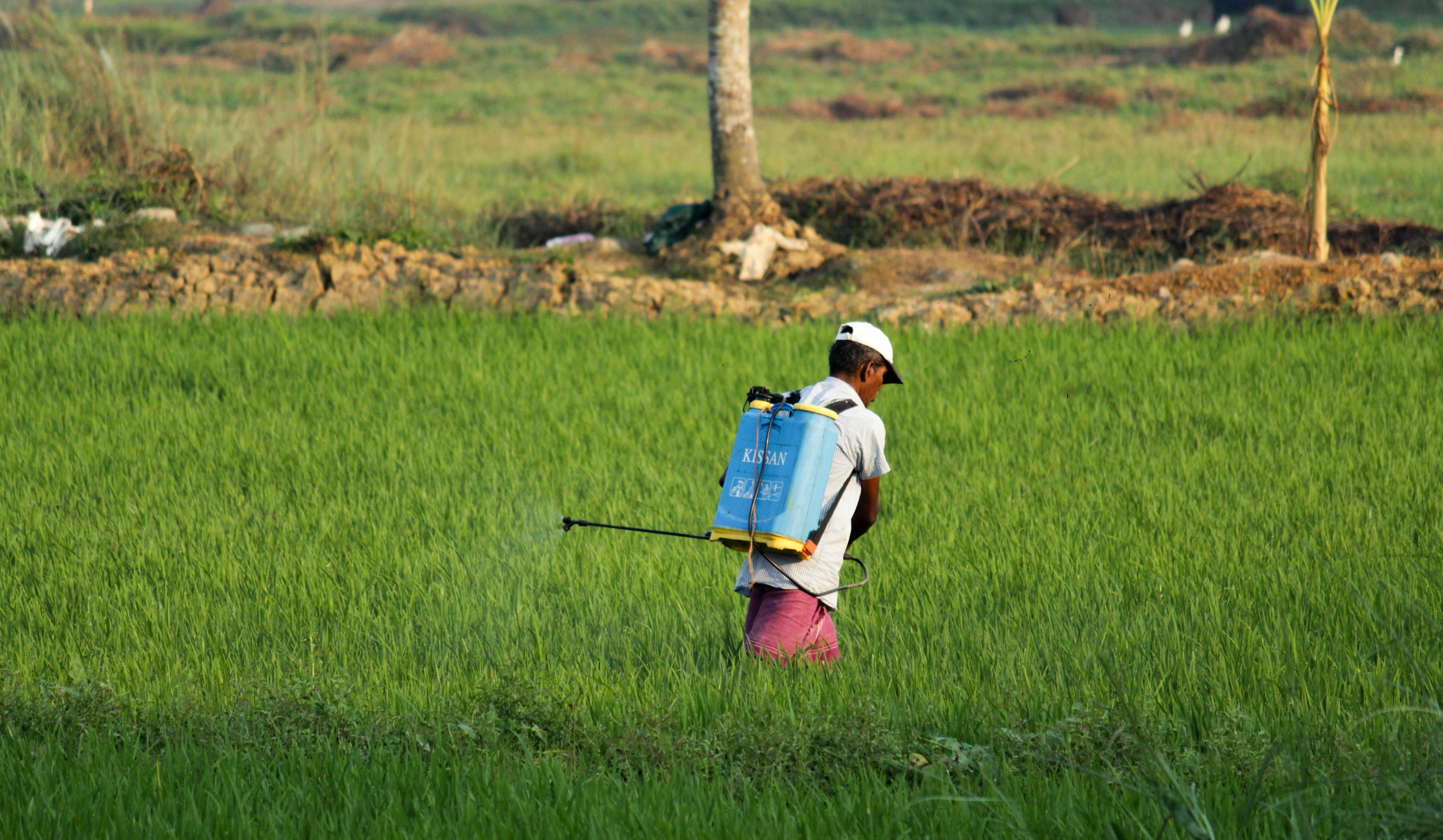
Biological Controls: Nature's Own Pest Warriors
Biological controls harness natural enemies of pests, using them to keep pest populations in check without resorting to synthetic pesticides. This is a cornerstone of effective Integrated Pest Management (IPM) techniques.
- Utilize Botanical Pesticides: Neem oil, derived from the neem tree, is a powerful natural insecticide, antifeedant, and repellent. It disrupts insect growth cycles and deters pests from feeding. KALRO (Kenya Agricultural and Livestock Research Organization) 2025 trials have shown that adopting such biological controls can lead to a 60% cost reduction compared to synthetic alternatives.
For farmers seeking a potent, natural defense, consider adding Organic 100% Cold Pressed Neem Oil – available on Amazon to your toolkit. - Introduce Beneficial Insects: Ladybugs, lacewings, and predatory mites feed on common garden pests like aphids, scale insects, and spider mites. Creating a habitat that attracts these beneficial insects is crucial. You can also purchase and release them into your farm.
Boost your farm's natural pest defense with 1500 Live Ladybugs – Good Bugs for Garden – available on Amazon. - Conserve Natural Enemies: Avoid broad-spectrum pesticides that harm beneficial insects. Provide shelter, water, and diverse flowering plants to create a welcoming environment for natural predators already present in your ecosystem.
Explore sustainable organic farming solutions with Biofarm Kenya.
Intercropping: Cultivating Synergy for Pest Prevention
Intercropping involves growing two or more crops in close proximity, a strategy that confuses pests, attracts beneficial insects, and improves overall farm biodiversity. This is particularly effective against the fall armyworm solutions without chemicals dilemma.
- Push-Pull Strategy: Plant repellent crops (like Napier grass or Desmodium) as a border around your main crop (e.g., maize) to 'push' pests away, while planting attractive trap crops (like Brachiaria grass) within or near the main crop to 'pull' them away. Studies, including Njoro Valley case studies, have demonstrated that intercropping can cut infestations by 45%.
- Companion Planting: Integrate pest-repellent plants such as marigold, garlic, onions, and basil alongside vulnerable crops. Marigolds are known to deter nematodes and other soil-borne pests, while garlic can repel aphids and spider mites.
- Diversify Crop Rotations: Rotate crops regularly to break pest life cycles and prevent the buildup of specific pests in the soil. This also helps maintain soil fertility and structure.
Soil Health Optimization: The Foundation of Resilient Crops
Healthy soil is the bedrock of healthy, pest-resistant plants. Optimizing soil health is a proactive IPM technique that reduces reliance on external interventions.
- Enrich with Organic Matter: Incorporate compost, well-rotted manure, and cover crops to improve soil structure, water retention, and nutrient availability. Rich organic matter fosters a diverse microbial community that suppresses soil-borne pathogens and pests.
To kickstart your composting efforts and enrich your soil, consider the Espoma Organic Compost Starter – available on Amazon. - Balance Soil pH and Nutrients: Conduct regular soil tests to understand your soil's nutritional profile and pH. Crops thrive in specific pH ranges, and imbalances can stress plants, making them more susceptible to pests and diseases.
Ensure your soil is optimal with a precise tool like the SONKIR Soil pH Meter, 3-in-1 Soil Moisture/Light/pH Tester – available on Amazon. - Practice Minimum Tillage: Reduce soil disturbance to preserve soil structure and beneficial organisms. Tillage can expose weed seeds, disrupt fungal networks, and release stored carbon.
Case Studies: Kenyan Success Stories in Organic Pest Management
Across Kenya, innovative farmers are proving the efficacy of organic pest control alternatives and Integrated Pest Management (IPM) techniques. These inspiring examples highlight how a commitment to sustainable practices can lead to remarkable success.One notable success story comes from the Western region of Kenya, where smallholder maize farmers have grappled with the relentless Fall Armyworm. Traditional chemical responses often proved costly and ineffective in the long run, leading to significant yield losses. However, a collaborative initiative, supported by organizations like the Food and Agriculture Organization (FAO) and KALRO, introduced a Farmer Field School (FFS) approach. Farmers were trained in biological controls, specifically the use of neem-based botanical pesticides and the conservation of local parasitic wasps. In pilot projects, these farmers reported a substantial reduction in Fall Armyworm damage and, crucially, a decrease in input costs. The adoption of these localized, chemical-free strategies provided effective fall armyworm solutions without chemicals, leading to more stable yields and improved food security for their families.Another compelling example comes from the Central Kenya highlands, particularly among horticulture farmers adopting intercropping strategies. Inspired by research showing the effectiveness of combining pest-repellent plants with cash crops, many have begun planting marigolds and garlic alongside their tomatoes and cabbages. For instance, a cooperative of farmers in the Nyeri area documented a significant drop in aphid and whitefly infestations after consistently integrating these companion plants. This approach not only reduced their reliance on synthetic sprays but also diversified their farm income and enhanced the overall health of their farm ecosystem. This mirrors the Njoro Valley case studies that documented a 45% reduction in infestations through intercropping. These local examples underscore the power of community-led adoption of IPM principles and the profound impact they have on farm profitability and environmental sustainability. For more insights on such initiatives, refer to reports by the Food and Agriculture Organization (FAO) in Kenya.Common Mistakes to Avoid in Organic Pest Control
Transitioning to organic pest control alternatives requires patience and a learning curve. Avoiding common pitfalls can accelerate your success and prevent setbacks in your Integrated Pest Management (IPM) techniques journey.1. Expecting Instant Results from Organic Methods: Unlike synthetic chemicals which often provide immediate knock-down effects, organic solutions work by disrupting pest life cycles, deterring feeding, or fostering natural enemies. This takes time. A common mistake is to give up too soon, expecting the same speed of action as chemical pesticides. Correction: Understand that organic pest control is a long-term strategy that builds ecosystem resilience. Consistent application and monitoring are key.2. Neglecting Soil Health: Many farmers focus solely on above-ground pest issues, overlooking the crucial role of healthy soil. Weak, nutrient-deficient plants grown in poor soil are inherently more susceptible to pests and diseases. Correction: Prioritize soil health through consistent organic matter addition (compost, manure), appropriate pH management, and minimal tillage. Healthy soil leads to strong, resilient plants that can naturally fend off pests.3. Poor Identification of Pests and Diseases: Misidentifying a pest or disease can lead to ineffective control measures and wasted effort. What might look like a pest infestation could be a nutrient deficiency or a beneficial insect. Correction: Invest time in learning to accurately identify common pests and diseases in your region. Consult local extension services, agricultural experts, or Biofarm Kenya's resources for precise identification and recommended organic treatments.4. Lack of Diversity in Farming Systems: Monoculture, or planting a single crop over large areas, creates an ideal environment for pests to thrive. It also makes the farm highly vulnerable to widespread outbreaks. Correction: Embrace biodiversity through intercropping, crop rotation, and planting hedges or flower borders that attract beneficial insects. A diverse farm ecosystem is a resilient one.5. Inconsistent Monitoring: Organic pest control relies heavily on early detection. Waiting until a pest infestation is severe makes it much harder to manage organically. Correction: Implement a regular monitoring schedule. Walk your fields frequently, inspect plants for early signs of pests or disease, and act promptly. Early intervention is often the most effective.Expert Tips & Best Practices from Biofarm Kenya
For Kenyan farmers committed to sustainable agriculture, mastering organic pest control alternatives and Integrated Pest Management (IPM) techniques is paramount. Biofarm Kenya's experts offer these locally relevant tips to boost your yields and cut costs.1. Harness Local Wisdom: Many traditional farming practices in Kenya inherently incorporate organic pest management. Engage with elders and experienced organic farmers in your community. Their knowledge of local plants, weather patterns, and pest behaviors can provide invaluable insights into effective, chemical-free solutions. This often includes specific companion planting combinations proven effective in diverse Kenyan microclimates.2. Regular Scout & Record Keeping: The foundation of effective IPM techniques is diligent monitoring. Regularly scout your crops for early signs of pests or disease. Keep detailed records of pest sightings, damage levels, and the control methods you apply. This data will help you understand pest cycles, evaluate the effectiveness of your interventions, and make informed decisions for future seasons.3. Promote Farm Biodiversity: A diverse farm ecosystem is a resilient one. Plant a variety of crops, including flowering plants, to attract beneficial insects like pollinators and predators. Hedges and border plantings also provide shelter for these allies. This natural balance helps keep pest populations in check, providing built-in organic pest control alternatives.4. Water and Nutrient Management: Stressed plants are more vulnerable to pests. Ensure your crops receive adequate water, especially during dry spells, and that they have access to balanced nutrients. Over-fertilization, especially with nitrogen, can make plants more attractive to certain pests. A well-nourished plant, grown in healthy soil, is naturally more resistant.5. Physical Barriers & Traps: Simple physical methods can be highly effective. Use netting to protect vulnerable seedlings from birds and larger insects. Set up sticky traps for flying insects or pheromone traps for specific pests like the Fall Armyworm. These non-chemical interventions are crucial for targeted fall armyworm solutions without chemicals.To maintain optimal soil conditions, essential for strong plant resistance, consider an effective compost solution. The Espoma Organic Compost Starter – available on Amazon can significantly accelerate the decomposition process, enriching your soil with vital nutrients. For proactive pest management, especially against soil-dwelling insects, utilizing beneficial nematodes can be a game-changer. You can find options like Live Beneficial Nematodes – effective against over 200 species on Amazon.
Explore sustainable organic farming solutions with Biofarm Kenya and access more expert guidance tailored for your farm.
Future Trends: Innovating for a Sustainable Agricultural Future
The landscape of agriculture in Kenya is evolving rapidly, driven by a global push for sustainability and local innovations. Future trends in farming will further integrate technology and ecological principles to enhance organic pest control alternatives and refine Integrated Pest Management (IPM) techniques.1. Smart Irrigation Systems: Precision agriculture is gaining traction. Future irrigation systems will utilize sensors and AI to monitor soil moisture and plant needs in real-time, delivering water precisely where and when it's needed. This minimizes water waste, prevents overwatering (which can exacerbate fungal diseases), and ensures optimal plant health, contributing indirectly to pest resistance.2. Vertical Farming and Controlled Environments: For high-value crops, vertical farms and greenhouses are becoming more sophisticated. These controlled environments allow for precise management of temperature, humidity, and light, significantly reducing pest pressure. They also enable the use of highly targeted biological controls and exclude many common outdoor pests, offering robust fall armyworm solutions without chemicals in enclosed settings.3. AI-Driven Crop Monitoring and Diagnostics: Artificial intelligence and drone technology are set to revolutionize pest and disease detection. Drones equipped with multispectral cameras can rapidly scan large fields, identifying early signs of stress, nutrient deficiencies, or pest infestations before they become widespread. AI algorithms will analyze this data to recommend precise, localized organic interventions, optimizing resource use and response times.4. Advanced Biopesticides and Biocontrol Agents: Research and development in biopesticides are accelerating. We can anticipate more specialized, highly effective microbial pesticides (bacteria, fungi, viruses) and a broader range of beneficial insects and nematodes tailored for specific Kenyan pests. These advanced solutions will offer increasingly sophisticated and potent organic pest control alternatives, further reducing the need for synthetic inputs.5. Blockchain for Traceability and Certification: The growing consumer demand for organic and sustainably produced food will drive the adoption of blockchain technology. This will provide immutable records of farming practices, ensuring transparency and authenticity of organic produce from farm to fork, benefiting both farmers and consumers. These trends promise a more efficient, resilient, and environmentally friendly agricultural sector for Kenya.Conclusion: A Prosperous Future with Organic Pest Control
The journey towards mastering organic pest control alternatives and implementing effective Integrated Pest Management (IPM) techniques is not merely an agricultural choice; it's a commitment to a healthier, more prosperous future for Kenyan farmers and communities. By embracing biological controls, strategic intercropping, and diligent soil health optimization, you can significantly reduce your reliance on costly and environmentally damaging chemical inputs. The evidence is clear: from KALRO's promising trials showing 60% cost reductions to Njoro Valley's intercropping successes cutting infestations by 45%, sustainable methods deliver tangible benefits.The persistent challenge of pests like the fall armyworm no longer requires a chemical-laden fight; effective fall armyworm solutions without chemicals are at your fingertips through nature's own mechanisms. As we look ahead, the integration of smart technologies and continued innovation promises even more refined and efficient organic farming practices. Biofarm Kenya stands with you in this transition, providing the knowledge, resources, and support needed to thrive.Take the next step in transforming your farm. Discover trusted organic farming tools on Amazon and learn more about sustainable solutions with Biofarm Kenya. Your farm's future is green, profitable, and ready to yield abundance.FAQs: Your Questions on Organic Pest Control Answered
1. What exactly is Integrated Pest Management (IPM) and why is it crucial for Kenyan farmers?
Integrated Pest Management (IPM) is a holistic approach to pest control that combines various methods – biological, cultural, physical, and chemical (used sparingly as a last resort in non-organic contexts, but excluded in organic IPM) – to manage pest populations while minimizing environmental and health risks. For Kenyan farmers, IPM is crucial because it reduces dependence on expensive imported chemicals, protects beneficial insects and soil health, and ensures the long-term sustainability and profitability of their farms. It empowers farmers to make informed decisions based on ecological principles. Learn more about IPM principles from Infonet-Biovision.
2. How effective are natural predators like ladybugs for pest control in a typical Kenyan farm setting?
Natural predators like ladybugs are highly effective in managing certain pest populations, particularly aphids, scale insects, and mites. In a typical Kenyan farm setting, their effectiveness is maximized when you create a diverse habitat that provides them with food, water, and shelter. While they may not eradicate every single pest, they play a vital role in keeping pest numbers below economically damaging thresholds, especially as part of a broader IPM strategy. Conserving and attracting local beneficial insects is often more sustainable than purchasing them. Find research on beneficial insects for local pests from KALRO.
3. Can neem oil truly replace synthetic pesticides for common Kenyan pests like the fall armyworm?
Neem oil is a powerful botanical pesticide that acts as an antifeedant, repellent, and insect growth regulator, making it a valuable tool against pests like the fall armyworm. While it may not provide the same immediate knock-down effect as synthetic chemicals, consistent and timely application of neem oil, combined with other IPM strategies like intercropping, has been shown to be highly effective in reducing fall armyworm damage and offering sustainable fall armyworm solutions without chemicals. It's a key component of organic strategies, not a standalone magic bullet. Explore studies on non-chemical pest control options.
4. What specific intercropping combinations work best for pest control in Kenya?
Several intercropping combinations have proven effective in Kenya. The 'push-pull' strategy is particularly successful for maize, where Desmodium is intercropped between maize rows to repel the stemborer and Fall Armyworm ('push'), while Napier grass or Brachiaria grass is planted around the field borders to attract and trap them ('pull'). Other effective combinations include planting marigolds or garlic alongside tomatoes, cabbages, or beans to deter nematodes, aphids, and whiteflies. The best combinations depend on your specific crops and local pest pressures. Read about traditional eco-intelligent pest control methods from CGIAR.
5. How does improving soil health directly contribute to reducing pest infestations?
Improving soil health directly enhances plant vigor and resilience, making crops naturally more resistant to pests and diseases. Healthy soil, rich in organic matter and beneficial microorganisms, provides plants with optimal nutrients, strengthens their immune systems, and can even suppress soil-borne pathogens. Strong, well-nourished plants produce natural deterrents that make them less attractive to pests. Additionally, a balanced soil ecosystem can host beneficial nematodes and fungi that target harmful soil-dwelling pests. Discover more about soil health on the Biofarm Kenya blog.
6. Are there government initiatives or support systems for Kenyan farmers adopting organic pest control?
Yes, the Kenyan government, through the Ministry of Agriculture and organizations like KALRO and NEMA, supports sustainable agricultural practices, including organic farming and IPM. While specific direct subsidies for organic pest control may vary, policies encourage climate-smart agriculture, agroecology, and research into biological controls. Farmer Field Schools (FFS) often receive government or NGO backing to train smallholder farmers in IPM techniques. Farmers are encouraged to consult their local agricultural extension offices for current initiatives and support programs. Visit the Ministry of Agriculture and Livestock Development website for official policies.



0 Comments