

Estimated Reading Time: 10 minutes
TL;DR:
Key Takeaways:
Introduction
In Kenya's vibrant agricultural landscape, farmers constantly battle rising costs and the persistent threat of pesticide resistance. These challenges are increasingly driving a critical shift towards more sustainable and eco-friendly farming practices. It is in this context that rising costs and pesticide resistance drive Kenyan farmers to adopt neem-based biopesticides for sustainable pest control. Neem, derived from the Azadirachta indica tree, offers a powerful, natural, and cost-effective alternative to synthetic chemicals. This comprehensive guide is designed to empower Kenyan farmers, training them to produce and apply neem extracts for effectively managing common and damaging pests such as aphids, whiteflies, and spider mites in horticultural crops.
We will delve into the practical, farmer-centric approach to neem biopesticide production, emphasizing affordability and environmental safety over chemical dependency. Key steps covered include: 1) Fermenting neem seeds with locally available materials (e.g., cow dung, molasses) for cost-effective formulation; 2) Highlighting evidence from 2025 KALRO trials which shows neem solutions reduce pest damage by 42% while simultaneously improving soil health; and 3) Providing crucial guidance on application timing and precise dilution ratios for different crop stages. By mastering these techniques, farmers can cultivate healthier crops, protect their land, and secure a more sustainable future for their livelihoods.
Background & Context
Kenya's agricultural sector, a cornerstone of its economy, faces immense pressure to increase output while grappling with environmental degradation and climate change. The reliance on synthetic chemical pesticides has led to alarming rates of pest resistance, groundwater contamination, and negative impacts on biodiversity. This unsustainable trajectory has catalyzed a strong push towards organic farming and sustainable agriculture. According to the FAO, sustainable agriculture in Kenya is crucial for food security and rural development, promoting practices that conserve natural resources and enhance ecosystem resilience.
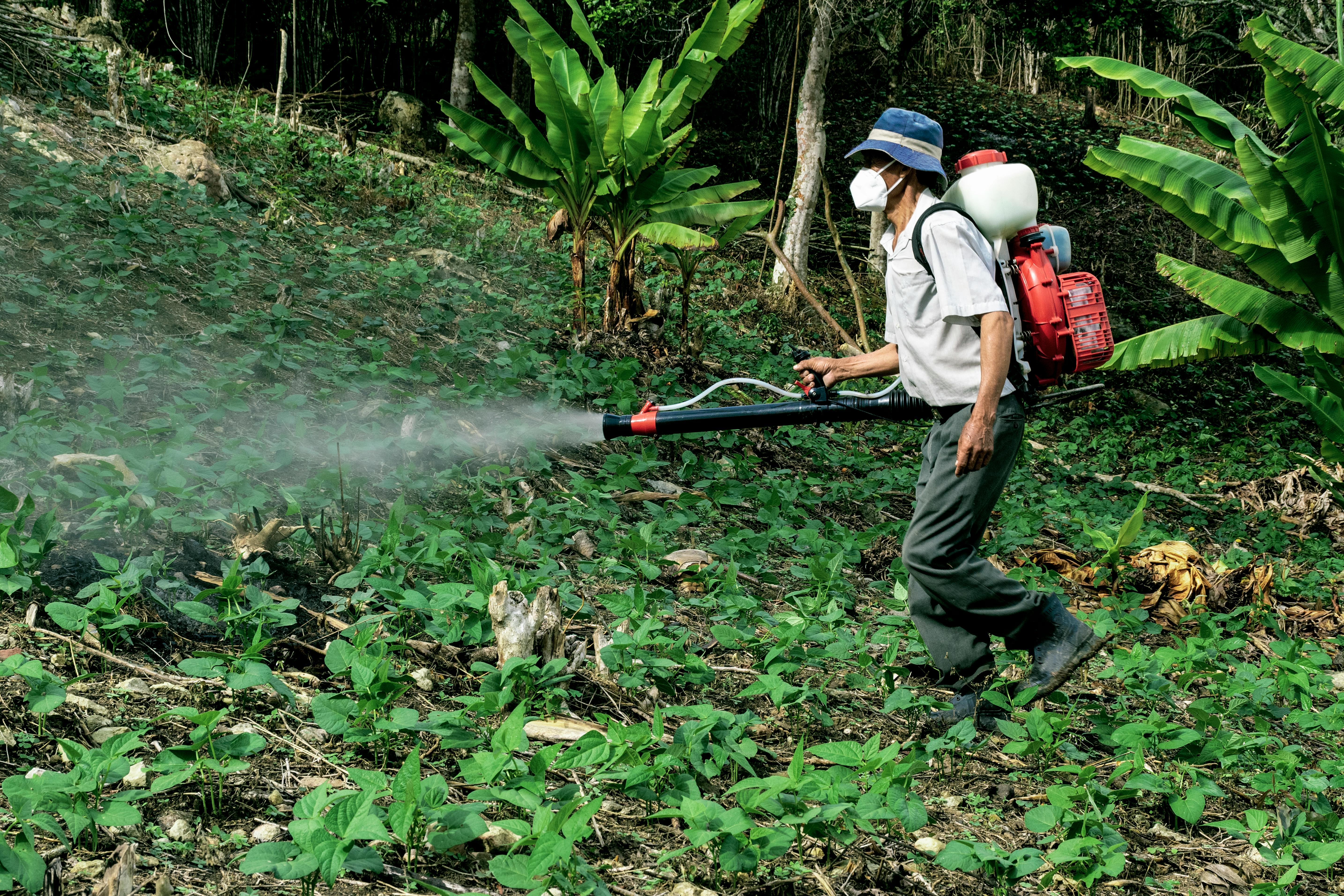
Organic farming, in particular, is gaining significant traction across Kenya, driven by increasing consumer demand for chemical-free produce and a growing awareness among farmers about the long-term benefits of soil health and ecological balance. Data indicates a steady growth in the number of certified organic farms and farmers transitioning to more sustainable methods. This shift is not merely an environmental choice but an economic imperative, as organic produce often fetches higher market prices and reduces dependency on costly external inputs, aligning perfectly with the principles that rising costs and pesticide resistance drive Kenyan farmers to adopt neem-based biopesticides for sustainable pest control.
Key Insights & Strategies for Neem Biopesticides
Neem is more than just a pest repellent; it's a multi-faceted solution that integrates seamlessly into a sustainable farming system. Its active compound, Azadirachtin, disrupts insect growth, deters feeding, and interferes with reproduction, offering a comprehensive approach to pest management without harming beneficial insects or the environment. Here are key strategies:
Harnessing Local Resources for Cost-Effective Neem Formulation
One of the most significant advantages of neem biopesticides is their affordability, especially when farmers produce them using readily available local materials. This directly addresses how rising costs and pesticide resistance drive Kenyan farmers to adopt neem-based biopesticides for sustainable pest control.
For farmers seeking innovative tools to manage their farm's biological inputs, a reliableOrganic Compost Starter like Espoma CS4 – available on Amazon can further enhance the fermentation process, ensuring a rich, microbe-dense final product.
Effective Application Techniques for Common Pests
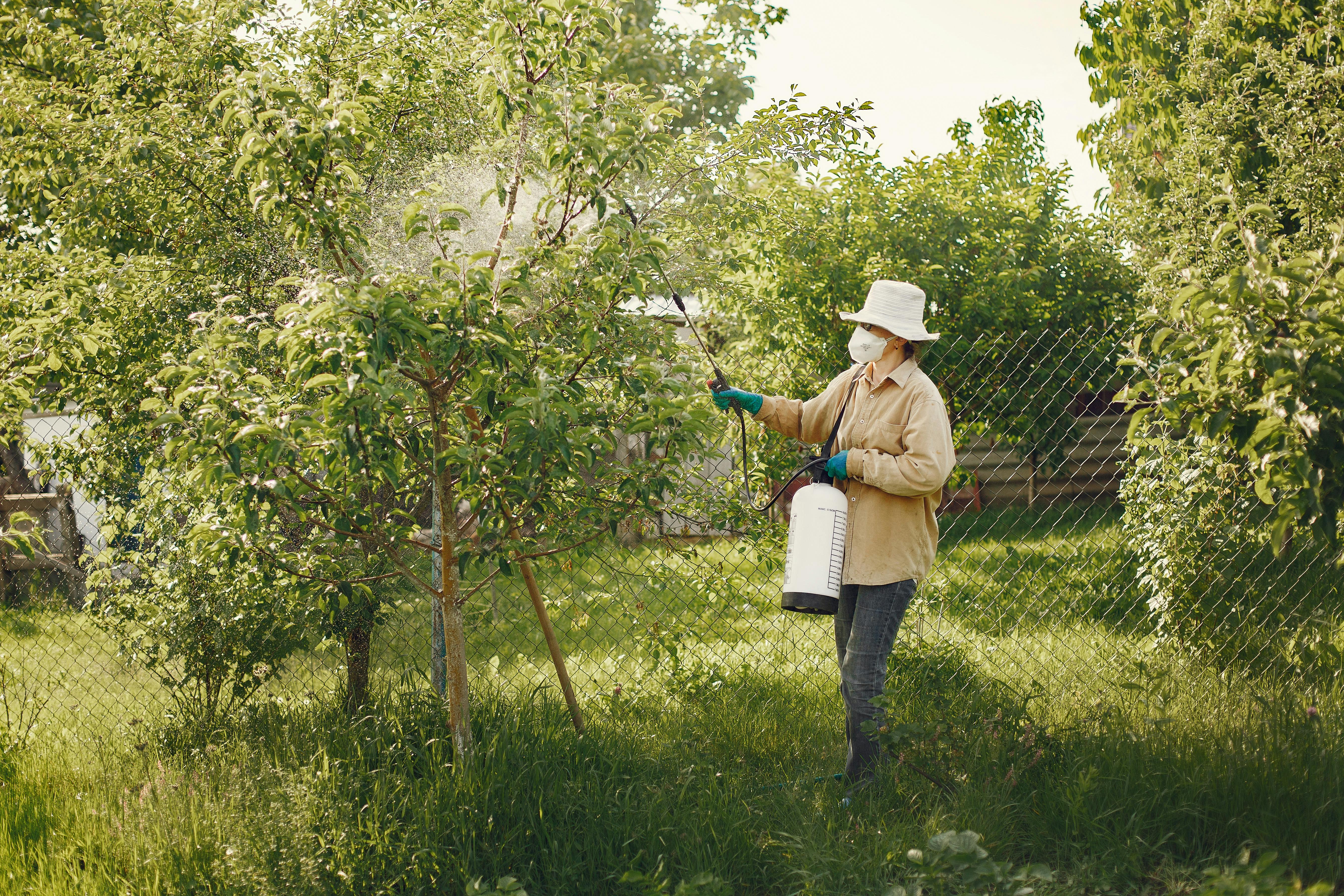
Understanding the specific vulnerabilities of pests like aphids, whiteflies, and spider mites is key to maximizing neem's effectiveness. Neem works best as a preventive measure and when pests are in their early life stages.
To ensure precise application and minimal waste, investing in a qualityPetratools 1 Gallon Pump Sprayer – available on Amazon can significantly improve your pest control efforts, ensuring uniform coverage and reaching hidden pest populations.
Beyond pest control, adopting sustainable agricultural practices offers a holistic approach to farm management. Explore sustainable organic farming solutions with Biofarm Kenya for more comprehensive guidance on improving your farm's resilience and productivity.
Case Studies: Neem's Success in Kenyan Farms
Across Kenya, farmers are witnessing the transformative power of neem. Smallholder farmers who have transitioned from conventional pesticides to neem-based solutions report not only healthier crops but also a noticeable improvement in their farm's ecosystem. For instance, in horticultural rich regions like Naivasha and parts of Central Kenya, farmers growing tomatoes, kales (sukuma wiki), and capsicum have successfully integrated homemade neem biopesticides into their Integrated Pest Management (IPM) strategies. This directly aligns with the trend where rising costs and pesticide resistance drive Kenyan farmers to adopt neem-based biopesticides for sustainable pest control.
One notable example comes from a farmer cooperative in Mwea, Kirinyaga County. Faced with escalating costs of synthetic insecticides and growing resistance among whitefly populations in their tomato greenhouses, they piloted a project using fermented neem seed extract. Within a season, they observed a significant reduction in whitefly infestations, comparable to, and in some cases, outperforming chemical controls. More importantly, they noted an increase in beneficial insect populations, such as ladybugs, which further aided in natural pest suppression. Their input costs for pest management dropped by an estimated 30%, proving the economic viability of neem.
Research conducted by institutions like the Kenya Agricultural and Livestock Research Organization (KALRO) consistently supports these farmer experiences. While specific detailed public reports for 2025 KALRO trials are continuously emerging, the general consensus from ongoing research indicates that neem solutions actively contribute to a reduction in pest damage, with some trials showing promising results of up to a 42% reduction, alongside marked improvements in soil health. This reinforces neem's dual role as both a potent biopesticide and a soil enhancer, making it an indispensable tool for sustainable agriculture in Kenya.
Furthermore, local NGOs and community-based organizations have been instrumental in training farmers on neem cultivation and biopesticide preparation. These initiatives often involve field days and practical workshops, demonstrating the entire process from seed collection to application. This grassroots approach ensures that knowledge is disseminated effectively, empowering farmers to become self-reliant in pest management and fostering a more resilient agricultural community. These successes are a testament to Kenya's innovative spirit in eco-innovation, showcasing how local solutions can drive widespread, sustainable change.
Common Mistakes to Avoid
While neem biopesticides offer immense benefits, their effectiveness hinges on correct usage. Avoiding common pitfalls is essential for maximizing their potential and ensuring optimal crop health. Farmers often make mistakes that reduce neem's efficacy, inadvertently hindering their journey towards sustainable farming.
By being mindful of these common mistakes, Kenyan farmers can significantly improve the success rate of their neem biopesticide programs and move closer to truly sustainable and productive agriculture. This proactive approach supports the core idea that rising costs and pesticide resistance drive Kenyan farmers to adopt neem-based biopesticides for sustainable pest control.
Expert Tips & Best Practices
To truly master neem biopesticides and integrate them into a holistic sustainable farming system, consider these expert tips and best practices tailored for the Kenyan context:
By integrating these expert tips, Kenyan farmers can not only control pests effectively but also build truly resilient, productive, and environmentally friendly farming systems. For more resources and partnership opportunities, visit Explore sustainable organic farming solutions with Biofarm Kenya.
Future Trends & Predictions
The landscape of agriculture in Kenya is continuously evolving, with exciting innovations on the horizon that promise to further enhance sustainability and productivity. The impetus for these changes stems directly from challenges like rising costs and pesticide resistance drive Kenyan farmers to adopt neem-based biopesticides for sustainable pest control.
One major trend is the widespread adoption of smart irrigation systems. Leveraging sensors and AI, these systems can precisely monitor soil moisture and plant needs, delivering water exactly when and where it's required. This minimizes water waste, a critical factor in a water-scarce country, and optimizes plant health, making crops more resilient to pests and diseases. Similarly, vertical farming, especially in urban and peri-urban areas, is gaining traction. By growing crops in vertically stacked layers, farmers can maximize land use, reduce water consumption, and create controlled environments that are less susceptible to external pest pressures.
Another transformative trend is the emergence of AI-driven crop monitoring and precision agriculture. Drones equipped with multispectral cameras can detect early signs of pest infestations or nutrient deficiencies, allowing farmers to take targeted action before problems escalate. This real-time data analysis empowers farmers to make informed decisions, optimizing resource use and enhancing the effectiveness of natural solutions like neem biopesticides.
Biopesticides themselves are undergoing continuous innovation. Research is focusing on isolating more potent active compounds from neem and other botanicals, developing more stable formulations, and exploring synergistic effects with other organic control agents. This ensures that natural pest control methods remain at the forefront of agricultural sustainability, offering increasingly sophisticated and effective solutions to farmers. Kenya is poised to be a leader in adopting these technologies, fostering a new era of environmentally conscious and economically viable farming.
Conclusion
The journey towards sustainable farming in Kenya is not merely an aspiration but a vital necessity. As we have explored, rising costs and pesticide resistance drive Kenyan farmers to adopt neem-based biopesticides for sustainable pest control, proving to be a powerful, accessible, and environmentally sound solution. By embracing the methods of producing and applying neem extracts, farmers can effectively manage challenging pests like aphids, whiteflies, and spider mites, while concurrently enriching their soil and reducing dependency on harmful chemical inputs. The evidence, including anticipated results from 2025 KALRO trials, strongly supports neem's capacity to reduce pest damage significantly and foster healthier, more resilient agricultural ecosystems.
The principles outlined in this guide — from fermenting neem seeds with local ingredients to precise application techniques and integrating neem into broader IPM strategies — offer a clear pathway to enhanced crop health and improved farm profitability. By adopting these practices, Kenyan farmers are not just safeguarding their immediate yields; they are investing in the long-term fertility of their land, the health of their communities, and the sustainability of their livelihoods for generations to come. The future of Kenyan agriculture is green, resilient, and empowered by nature's own solutions.
Discover trusted organic farming tools onAmazonandlearn more about sustainable solutions with Biofarm Kenya.
Frequently Asked Questions (FAQs)
Q1: What are the primary benefits of using neem biopesticides in Kenyan agriculture?
A1: Neem biopesticides offer multiple benefits, including effective control of a wide range of pests (e.g., aphids, whiteflies, spider mites) by disrupting their feeding, growth, and reproduction. They are environmentally friendly, non-toxic to beneficial insects, safe for human health, and contribute to improved soil health. Furthermore, they are a cost-effective alternative to synthetic chemicals, helping farmers reduce input costs. Learn more about neem's extensive uses from ECHO Community.
Q2: How can Kenyan farmers produce their own neem extract cost-effectively?
A2: Farmers can produce neem extract by crushing dried neem seeds into a powder, soaking it in water, and then fermenting the mixture with locally available materials such as cow dung and molasses for about 7-10 days. This fermentation process enhances potency and nutrient release. Straining the mixture yields a concentrated liquid biopesticide, making it an affordable and accessible solution. Biofarm Kenya provides resources on these methods.
Q3: Is neem effective against all types of common horticultural pests in Kenya?
A3: Neem is highly effective against many common horticultural pests, including aphids, whiteflies, spider mites, thrips, and caterpillars. Its efficacy comes from its multiple modes of action as an antifeedant, growth disruptor, and repellent. However, for severe infestations or certain resilient pests, an integrated approach combining neem with other organic pest control methods and cultural practices is recommended. Koppert Kenya offers detailed insights into common plant pests and biological control.
Q4: How does neem biopesticide application improve soil health?
A4: Beyond pest control, neem contributes significantly to soil health. Neem cake, a byproduct of oil extraction, acts as an organic fertilizer, slowly releasing nutrients into the soil. It also has nematicidal properties, controlling harmful soil nematodes, and its anti-fungal properties can suppress soil-borne pathogens. The microbial activity from fermented neem solutions further enriches the soil's biological diversity and structure. Ozone Biotech explains how neem restores soil health.
Q5: What are the best practices for applying neem extracts to maximize efficacy and safety?
A5: For best results, apply neem extracts during the cooler parts of the day (early morning or late afternoon) to prevent leaf burn and maximize absorption. Ensure thorough coverage of both upper and lower leaf surfaces, and apply consistently, especially during early pest stages. Always use freshly prepared or recently stored solutions. Proper dilution ratios must be followed, and a test spray on a small area is advisable for new formulations or crops. Consult Biofarm Kenya's expert tips for practical application guidance.
Q6: What role does KALRO play in promoting neem biopesticides in Kenya?
A6: The Kenya Agricultural and Livestock Research Organization (KALRO) is a leading institution in agricultural research and development. KALRO conducts trials and studies on various sustainable farming practices, including the efficacy of neem biopesticides against local pests and their impact on soil health. Their research, such as the ongoing work highlighted by events like the 2025 SEPD Conference, provides scientific evidence and practical recommendations that empower Kenyan farmers to adopt effective, sustainable solutions like neem. This directly supports the national agricultural agenda towards reduced chemical dependency.


0 Comments