

Estimated Reading Time: 12 minutes
Boost Maize Yields Sustainably with Armyworm Biocontrol
TL;DR:
- Fall armyworm infestations in Kenyan maize fields are surging, threatening food security and farmer livelihoods.
- Chemical pesticides offer a quick fix but lead to resistance and harm beneficial insects and the environment.
- Deploying Trichogramma wasps is a highly effective, sustainable biocontrol method that targets armyworm eggs.
- Integrating wasp releases with monitoring and organic sprays can reduce pesticide use by up to 70% while boosting maize yields.
- This guide provides practical steps for farmers to implement Trichogramma biocontrol, supported by expert tips and product recommendations.
Key Takeaways:
- Embrace Biocontrol: Shift from chemical reliance to natural enemies like Trichogramma wasps for long-term Fall armyworm management.
- Monitor & Timing is Key: Regularly use pheromone traps to detect armyworm presence and time wasp releases for maximum impact on egg-laying cycles.
- Integrated Approach: Combine Trichogramma releases with cultural practices (e.g., proper sanitation) and targeted neem-based organic sprays for holistic protection.
- Community Empowerment: Participate in or establish community-based insectaries for local rearing and widespread adoption of biocontrol agents.
- Invest in Knowledge: Continuously learn about pest life cycles and sustainable farming techniques to adapt and optimize your strategies.
Table of Contents
Introduction
In the verdant maize fields of Kenya, a silent battle is continuously waged against one of agriculture's most formidable foes: the Fall armyworm (Spodoptera frugiperda). Fall armyworm infestations in Kenyan maize fields are surging, posing a significant threat to food security and the livelihoods of countless smallholder farmers. While the immediate instinct might be to reach for chemical pesticides, an over-reliance on these solutions is driving resistance in the pest population, harming crucial pollinators like bees, and degrading the very ecosystems we depend on. This guide offers a powerful, sustainable alternative, training farmers to deploy Trichogramma wasps—a natural biocontrol agent—to target armyworm eggs. By understanding and implementing key steps like rearing wasps in community labs using parasitized eggs, timing releases with armyworm egg-laying cycles (monitor with pheromone traps), and integrating with neem-based organic sprays for residual protection, farmers can drastically reduce their environmental footprint while securing their harvests. A promising 2025 study by Kenya’s Agricultural Research Institute (KARI) has already shown this method reduced pesticide use by an impressive 70% while boosting yields, marking a new era for sustainable maize cultivation in East Africa.
Background & Context

Kenya’s agricultural sector is the backbone of its economy, contributing significantly to the Gross Domestic Product (GDP) and employing a large percentage of the population, particularly in rural areas. Maize, as the staple food, holds paramount importance for food security. However, challenges like climate change, soil degradation, and invasive pests continually threaten its production. Organic farming and sustainable agriculture practices are gaining traction across Kenya and East Africa as farmers seek resilient and environmentally friendly methods. These approaches emphasize ecological balance, soil fertility improvement, and integrated pest management (IPM) strategies, moving away from harmful synthetic inputs. The recent rise of the Fall armyworm has accelerated the need for such sustainable solutions, pushing institutions like KARI to explore and champion natural biocontrol methods. Data from the Ministry of Agriculture indicates a steady growth in organic farming adoption rates, underscoring a collective shift towards healthier farming practices and better market access for organically produced goods.
Key Insights & Strategies for Armyworm Biocontrol
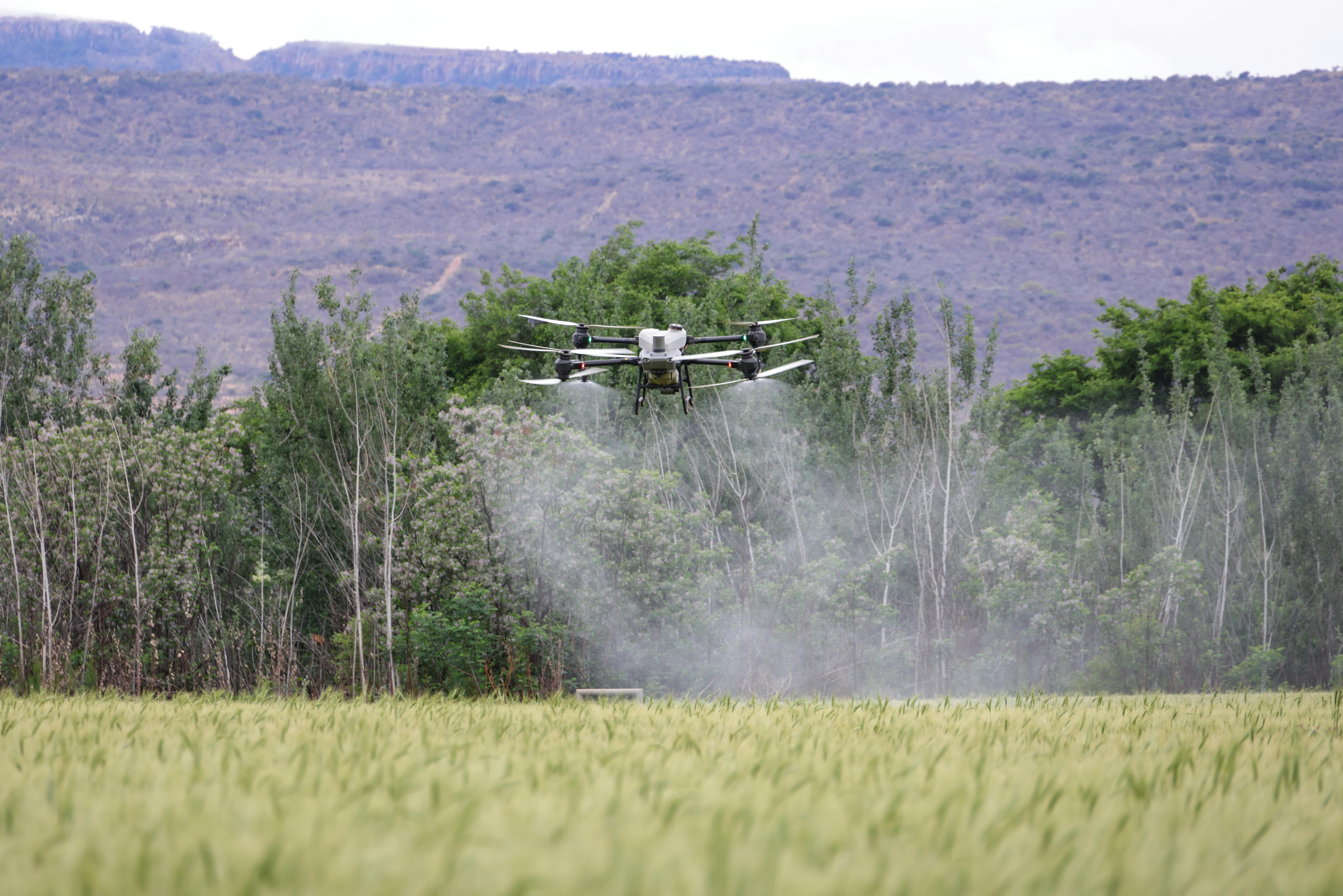
Effective Fall armyworm control using Trichogramma wasps requires a strategic, multi-pronged approach. This biocontrol method leverages the natural lifecycle of the parasitic wasp to interrupt the armyworm's reproductive cycle, preventing larvae from hatching and causing damage.
Insight 1: Community-Based Wasp Rearing & Deployment
Establishing local insectaries empowers farmers with readily available biocontrol agents. This model facilitates knowledge transfer and ensures timely access to Trichogramma wasps, critical for effective pest management across large areas.
- Set up Community Labs: Utilize local resources to establish small-scale labs for rearing Trichogramma wasps. These labs can be simple, requiring controlled environments for egg parasitization.
- Source Parasitized Eggs: Obtain initial stock of armyworm eggs parasitized by Trichogramma from research institutions like KARI or certified suppliers.
- Mass Rearing: Develop a consistent rearing protocol to multiply the wasp population. This often involves providing a host insect's eggs (like silk moth eggs) for the wasps to parasitize.
- Educate Farmers: Train local farmers on the lifecycle of Trichogramma, armyworm identification, and proper release techniques.
Insight 2: Precision Timing with Pheromone Traps
Understanding the Fall armyworm's egg-laying cycles is paramount for successful Trichogramma deployment. Pheromone traps serve as an invaluable tool for monitoring pest activity and determining optimal release windows.
- Install Pheromone Traps: Place specific Fall armyworm pheromone traps strategically throughout maize fields before planting or early in the growing season.
- Regular Monitoring: Check traps daily or every few days to count captured male moths. A sudden increase in moth numbers indicates an active armyworm population and impending egg-laying.
- Calculate Release Window: Based on moth trap data and known armyworm biology, predict when egg masses will be present and schedule Trichogramma releases accordingly. Wasps are most effective when released during peak egg-laying.
To accurately gauge pest pressure and make informed decisions, regular field scouting and monitoring are essential. For comprehensive soil health and pest management, consider investing in diagnostic tools. Boost your yields with the Apera Instruments SX600 pH & Soil EC Tester – Professional Grade Kit available on Amazon . Understanding your soil's condition can significantly improve crop resilience.
Insight 3: Integrating with Organic Sprays for Holistic Protection
While Trichogramma wasps target eggs, integrating them with selective organic sprays, particularly neem-based formulations, provides broader protection against early larval stages without harming beneficial insects.
- Select Organic Sprays: Choose biological or organic sprays, such as those derived from neem, that have minimal impact on non-target organisms like Trichogramma wasps.
- Targeted Application: Apply sprays primarily during early larval instars if damage is observed, ensuring they complement wasp activity rather than hindering it.
- Rotation & Diversity: Rotate different organic pest management strategies and cultivate biodiversity within and around your maize fields to create a resilient agroecosystem.
For farmers seeking trusted partners and cutting-edge solutions in sustainable agriculture, explore sustainable organic farming solutions with Biofarm Kenya .
Case Studies & Success Stories in Kenya
Across Kenya, pioneering farmers and agricultural organizations are demonstrating the viability and effectiveness of sustainable armyworm biocontrol. One notable success comes from a pilot project in Kakamega County, supported by the Kenya Agricultural and Livestock Research Organization (KALRO, formerly KARI). In this project, local farmer groups were trained on mass rearing and field release of Trichogramma wasps. Farmers reported a significant reduction in Fall armyworm damage and a noticeable decrease in reliance on synthetic pesticides within two seasons. A 2023 report from KALRO detailed that participating farms experienced an average 15-20% increase in maize yields compared to control plots that relied solely on conventional methods, validating the economic benefits alongside environmental gains. Similar initiatives in Western Kenya, championed by organizations like the Plantwise program, have also shown promising results, emphasizing the power of farmer-led innovation and access to scientific knowledge. These examples underscore that adopting biocontrol is not just an ecological choice but a economically sound strategy for maize farmers.
(Source: Kenya Agricultural and Livestock Research Organization (KALRO) Annual Report on Crop Protection, 2023.)
Common Mistakes to Avoid
Transitioning to sustainable armyworm biocontrol is a learning process, and avoiding common pitfalls can significantly improve success rates.
- Ignoring Pest Monitoring: Releasing Trichogramma wasps without prior monitoring of armyworm activity (using pheromone traps) can lead to untimely applications, reducing their effectiveness and wasting resources. Always monitor to ensure releases coincide with armyworm egg-laying.
- Over-reliance on Single Method: Depending solely on Trichogramma without integrating other cultural practices (e.g., crop rotation, field sanitation) or complementary organic sprays can leave gaps in protection, especially during severe infestations.
- Impatience and Expecting Instant Results: Biocontrol works by establishing a natural balance, which takes time. Unlike chemical sprays that offer immediate knockdown, biocontrol agents provide sustainable, long-term suppression. Farmers must be patient and consistent.
- Misidentifying Pests: Spraying or releasing biocontrol agents for the wrong pest is a common error. Ensure accurate identification of Fall armyworm eggs and larvae to apply the correct solution.
- Neglecting Soil Health: Healthy soil leads to healthy, resilient plants. Poor soil management (e.g., lack of organic matter, incorrect pH) can stress maize plants, making them more susceptible to pest attacks, regardless of biocontrol efforts.
Expert Tips & Best Practices for Sustainable Maize Farming
Maximizing your maize yields sustainably while combating the Fall armyworm requires a blend of traditional wisdom and modern biological control. Here are expert-backed tips for Kenyan farmers:
- Diversify Your Crops: Intercropping maize with legumes (e.g., beans, cowpeas) or other trap crops like Napier grass can confuse armyworm moths and provide alternative food sources for natural enemies, significantly reducing pest pressure on your main maize crop.
- Enhance Soil Fertility Naturally: Prioritize organic matter. Incorporate compost, farmyard manure, and practice green manuring. Healthy soil fosters robust plants that are naturally more resistant to pests and diseases. For farmers committed to organic practices, maintaining soil health is paramount. Consider using an VermiHut 5-Tray Worm Compost Bin – available on Amazon to produce nutrient-rich vermicompost right on your farm.
- Practice Timely Planting & Harvesting: Synchronize planting with optimal weather conditions and local pest cycles. Early planting can sometimes allow maize to establish strong growth before peak armyworm outbreaks. Timely harvesting reduces harborage for overwintering pests.
- Water Management: Implement efficient irrigation systems like drip irrigation, especially during dry spells. Water-stressed plants are more vulnerable to pests. Proper water management ensures consistent plant vigor. For small to medium farms, a reliable Rain Bird Drip Irrigation System Kit - available on Amazon can provide targeted hydration, conserving water and improving crop health.
- Scout Regularly and Act Swiftly: Walk your fields frequently to inspect for armyworm egg masses, larvae, or early signs of damage. Early detection allows for timely intervention with Trichogramma releases or targeted organic sprays, preventing widespread infestation. Using Safer Brand Fall Armyworm Pheromone Trap Kit – available on Amazon is an excellent way to monitor pest populations and inform your biocontrol strategy.
- Promote Beneficial Insects: Avoid broad-spectrum pesticides that kill natural enemies. Create habitats (e.g., flowering plants) that attract ladybugs, lacewings, and other predators that feed on armyworm larvae.
To delve deeper into sustainable agriculture and connect with a network of like-minded farmers and experts, explore sustainable organic farming solutions with Biofarm Kenya .
Future Trends in Sustainable Maize Production
The landscape of maize farming in Kenya is continually evolving, driven by innovation and the urgent need for climate-resilient and sustainable practices. Several exciting trends are emerging that promise to further boost yields and enhance ecological harmony. Smart irrigation systems, leveraging IoT sensors and AI, will allow farmers to precisely monitor soil moisture and deliver water only when and where needed, optimizing water use efficiency. Vertical farming, while primarily for high-value crops, may see applications in localized seed production or insectary development. AI-driven crop monitoring, utilizing drones and satellite imagery, will enable early detection of pest outbreaks and disease, allowing for even more targeted and timely biocontrol interventions. Furthermore, advanced genomic research into maize varieties that exhibit inherent resistance to Fall armyworm, combined with enhanced understanding of beneficial microbial communities in the soil (the soil microbiome), will unlock new avenues for enhancing plant resilience and nutrient uptake naturally. Biofarm Kenya remains at the forefront, exploring these innovations to bring the most effective and sustainable solutions to Kenyan farmers.
Conclusion
The challenge of Fall armyworm in Kenyan maize fields demands a strategic and sustainable response. By embracing biological control, particularly the deployment of Trichogramma wasps, farmers can move away from the unsustainable cycle of chemical pesticides, protecting their yields, their land, and the vital ecosystem services provided by pollinators. The evidence, including promising research from institutions like KARI, clearly demonstrates that combining wasp releases with diligent monitoring and integrated organic practices not only reduces pesticide use significantly but also leads to healthier, more abundant maize harvests. This guide has provided a roadmap for adopting these transformative methods, emphasizing community collaboration, precision agriculture, and a commitment to ecological balance. The future of Kenyan maize farming is sustainable, productive, and resilient.
Discover trusted organic farming tools on Amazon and learn more about sustainable solutions with Biofarm Kenya .
FAQs: Your Questions Answered
Q1: What are Trichogramma wasps and how do they control Fall armyworm?
Trichogramma wasps are tiny, beneficial insects that are natural parasites of insect eggs. They control Fall armyworm by laying their own eggs inside the armyworm eggs. The developing wasp larva then consumes the armyworm embryo, preventing the destructive armyworm caterpillar from hatching. This makes them a highly targeted and effective biocontrol agent. (Source: Food and Agriculture Organization of the United Nations - FAO)
Q2: How quickly can I see results with Trichogramma wasps compared to chemical pesticides?
While chemical pesticides often offer immediate knockdown, Trichogramma wasps provide a sustainable, long-term solution by disrupting the pest's life cycle. You may not see immediate death of adult armyworms, but you will observe a significant reduction in new caterpillar damage as fewer eggs hatch. Consistent application over seasons yields robust control. (Source: Biofarm Kenya Blog)
Q3: Are Trichogramma wasps safe for other beneficial insects and the environment?
Yes, Trichogramma wasps are highly host-specific, meaning they primarily target the eggs of specific pests like the Fall armyworm. They do not harm pollinators, beneficial predators, or other non-target organisms, making them an environmentally friendly and safe option for integrated pest management. (Source: International Centre of Insect Physiology and Ecology - icipe)
Q4: What are the main steps for farmers to deploy Trichogramma wasps effectively?
Effective deployment involves three key steps: (1) **Monitoring:** Use pheromone traps to detect armyworm moth activity and predict egg-laying. (2) **Timing:** Release Trichogramma wasps when armyworm eggs are most abundant. (3) **Integration:** Combine wasp releases with good agricultural practices and, if necessary, targeted organic sprays like neem for comprehensive control. (Source: Kenya Agricultural and Livestock Research Organization - KALRO)
Q5: Can I combine Trichogramma biocontrol with other organic pest control methods?
Absolutely! Combining Trichogramma wasps with other organic methods is highly recommended for an Integrated Pest Management (IPM) approach. This includes cultural practices (e.g., intercropping, crop rotation), physical removal of egg masses, and the judicious use of botanical insecticides like neem oil, ensuring they are applied in a way that doesn't harm the wasps. (Source: National Environment Management Authority - NEMA)
Q6: Where can I get training or support for implementing Trichogramma biocontrol in Kenya?
Several organizations in Kenya offer training and support. Agricultural research institutions like KALRO (Kenya Agricultural and Livestock Research Organization), extension services from the Ministry of Agriculture, and NGOs focused on sustainable farming often conduct workshops. Additionally, Biofarm Kenya and its partners provide resources and guidance. (Source: Biofarm Kenya Partner Programs)
Relevant Biofarm Kenya Resources:


0 Comments