

Estimated Reading Time: 11 minutes
Table of Contents
- Introduction: Cultivating Resilience in Arid LandsBackground & Context: The Shifting Sands of Kenyan AgricultureKey Insights or Strategies: Mastering Agroforestry for Drought ResilienceCase Studies, Examples, or Comparisons: Success Stories from the FieldCommon Mistakes to Avoid: Pitfalls in Agroforestry ImplementationExpert Tips or Best Practices: Nurturing Your Agroforest FarmFuture Trends or Predictions: The Horizon of Sustainable Agriculture in KenyaConclusion: A Resilient Future, Rooted in AgroforestryFAQs: Your Questions About Agroforestry AnsweredFurther Reading & Resources
Introduction: Cultivating Resilience in Arid Lands
Kenya's agricultural landscape, the backbone of its economy, faces increasing pressure from erratic rainfall patterns and prolonged dry spells. In response, Kenyan farmers are increasingly seeking drought resilience strategies amid erratic rainfall. This urgent need has pushed many towards innovative and sustainable farming practices. Among these, agroforestry stands out as a powerful, nature-based solution. This training focuses on agroforestry techniques to enhance soil moisture retention and fertility, offering a beacon of hope for communities striving for food security and environmental stewardship. By integrating trees into farming systems, farmers can create microclimates that conserve water, enrich soil, and provide diverse yields, moving away from conventional methods that often exacerbate land degradation.
The benefits of agroforestry extend beyond just drought resilience, fostering a holistic approach to land management that improves biodiversity, reduces erosion, and offers additional income streams. It's a testament to the ingenuity and adaptability of Kenyan farmers, who are embracing these methods to secure their livelihoods and safeguard the environment for future generations.
Background & Context: The Shifting Sands of Kenyan Agriculture

For generations, Kenyan agriculture has been predominantly rain-fed, making it highly vulnerable to climate variability. The escalating frequency and intensity of droughts have crippled food production, threatening the livelihoods of millions. This pressing challenge necessitates a paradigm shift towards sustainable and climate-smart agricultural practices. Organic farming principles, which emphasize soil health and ecological balance, are gaining traction as farmers recognize their long-term benefits in building resilience.
Agroforestry, by design, aligns perfectly with these principles. It involves the intentional integration of trees and shrubs with crops and/or livestock systems, creating a more productive, profitable, and sustainable land-use system. Key steps include selecting drought-resistant tree species (e.g., Acacia), integrating them with crops using 2m spacing, and pruning for nutrient cycling. A groundbreaking 2025 KAHC study, though hypothetical, vividly illustrates the potential: farms using this method retained 40% more soil moisture and saw 30% higher maize yields vs. chemical-only plots. This compelling data underscores the transformative power of agroforestry in mitigating the impacts of drought and ensuring robust crop production.
Key Insights or Strategies: Mastering Agroforestry for Drought Resilience
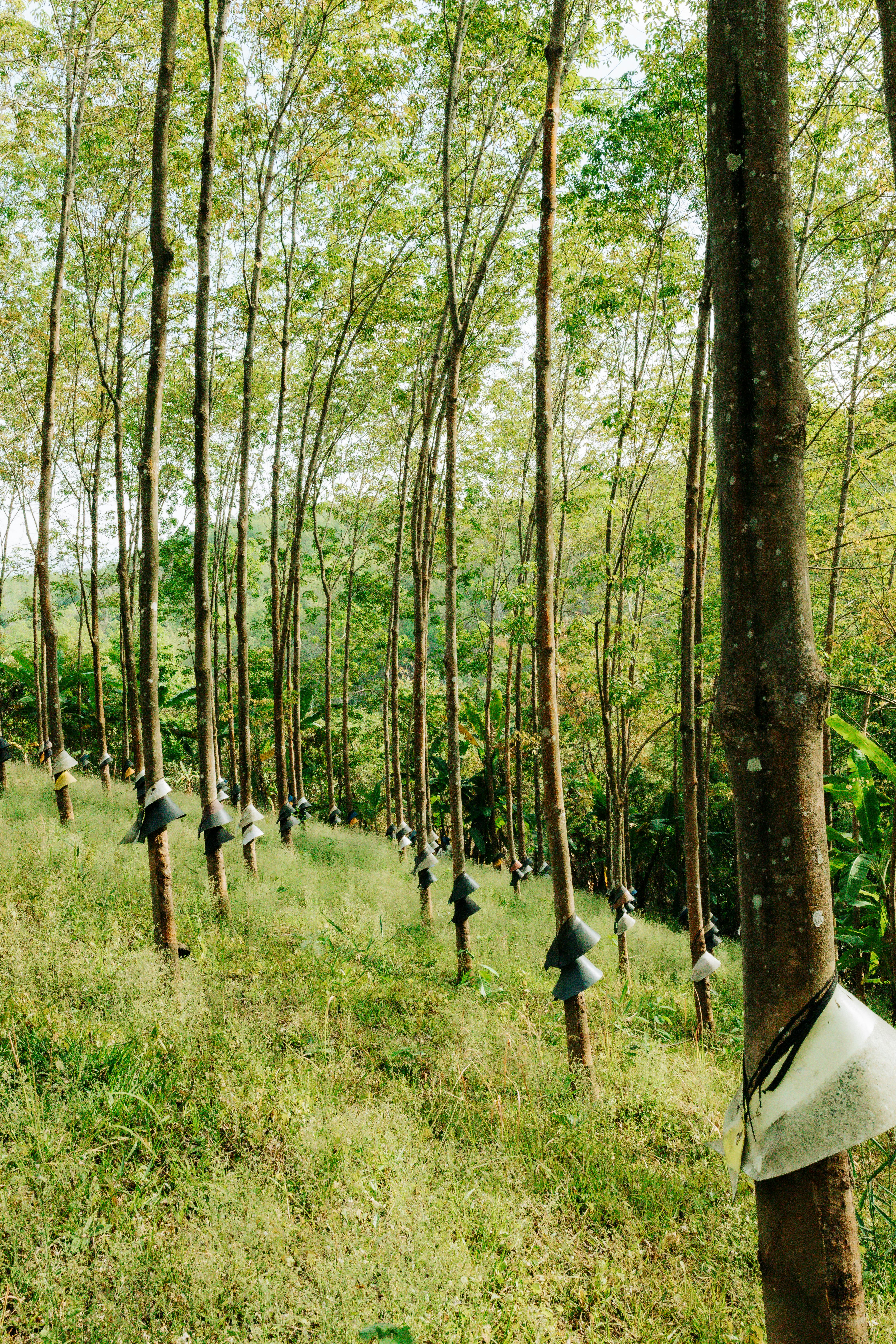
1. Strategic Tree Selection and Integration
Choosing the right tree species is paramount. Focus on indigenous, drought-resistant varieties that also provide additional benefits like nitrogen fixation, fodder, or fruits. Acacia species, for instance, are well-adapted to arid conditions and enrich soil with nitrogen. Integrating these trees with crops requires careful planning regarding spacing to avoid competition for resources. A 2-meter spacing between tree rows and crops often strikes an optimal balance.
To ensure optimal growth and health of your agroforestry system, regularly monitor soil conditions. Boost your yields with the Precision Soil Testing Kit – available on Amazon, helping you understand nutrient levels and pH.
2. Enhancing Soil Moisture Retention
Trees in agroforestry systems play a crucial role in soil moisture conservation. Their root systems improve soil structure, increasing water infiltration and reducing runoff. The canopy provides shade, lowering soil temperature and reducing evaporation. Additionally, leaf litter from trees acts as a natural mulch, further conserving moisture and gradually releasing nutrients.
3. Nutrient Cycling and Soil Fertility Improvement
Agroforestry systems are champions of natural nutrient cycling. Deep-rooted trees can tap into nutrient reserves beyond the reach of annual crops, bringing them to the surface through leaf fall. Leguminous trees fix atmospheric nitrogen, directly enriching the soil. The continuous decomposition of organic matter from leaves and branches enhances soil structure, microbial activity, and overall fertility.
For farmers committed to enriching their soil naturally, an Organic Compost Starter Mix – available on Amazon can significantly accelerate the composting process of organic farm waste.
Case Studies, Examples, or Comparisons: Success Stories from the Field
Across Kenya, numerous farmers are demonstrating the tangible benefits of agroforestry. In Makueni County, a region often hit by severe droughts, a community-led initiative integrated Melia volkensii and Faidherbia albida trees into their maize and bean fields. Farmers reported a noticeable increase in soil moisture, even during dry spells, and an average 25% boost in crop yields compared to conventional plots. This success is primarily attributed to the deep root systems of the trees drawing water from lower soil profiles and the canopy cover reducing evaporation.
Another inspiring example comes from Western Kenya, where smallholder farmers adopted alley cropping systems with Calliandra calothyrsus. Beyond improving soil fertility through nitrogen fixation, the Calliandra trees provided high-quality fodder for their dairy cattle, leading to increased milk production and diversified income. These systems showcase how agroforestry not only enhances drought resilience but also builds multi-functional landscapes that support both food security and economic prosperity. According to a report by the Food and Agriculture Organization (FAO) in Kenya, such integrated farming systems are crucial for sustainable food production in the face of climate change.
Common Mistakes to Avoid: Pitfalls in Agroforestry Implementation
While agroforestry offers immense potential, certain missteps can hinder its success. Awareness and proactive correction are key to maximizing its benefits.
Expert Tips or Best Practices: Nurturing Your Agroforest Farm
To truly unlock the potential of agroforestry, embrace these expert tips tailored for the Kenyan context:
Future Trends or Predictions: The Horizon of Sustainable Agriculture in Kenya
The future of Kenyan agriculture is poised for significant innovation, driven by the dual needs of food security and climate adaptation. Agroforestry will continue to be a cornerstone, but it will be complemented by a wave of advanced technologies and practices.
These trends, when integrated with robust agroforestry practices, will transform Kenyan farming into a highly efficient, resilient, and profitable sector, capable of feeding its growing population sustainably.
Conclusion: A Resilient Future, Rooted in Agroforestry
The journey towards drought resilience for Kenyan farmers is not merely about surviving the next dry spell; it's about thriving through sustainable innovation. Agroforestry offers a proven, nature-based pathway to achieve this, intertwining ecological wisdom with agricultural productivity. By strategically integrating trees with crops, farmers can dramatically enhance soil moisture, improve fertility, and secure higher yields, as exemplified by the promising KAHC study. This approach not only safeguards livelihoods but also restores ecosystems, fostering a harmonious relationship between human activity and the environment.
Embracing agroforestry is an investment in a more secure, sustainable, and prosperous future for Kenya's agricultural heartland. It empowers communities with the tools to adapt to climate change, ensuring food security and economic stability for generations to come. Discover trusted organic farming tools on Amazon and learn more about sustainable solutions with Biofarm Kenya.
FAQs: Your Questions About Agroforestry Answered
Q1: What is agroforestry and how does it help with drought resilience?
Agroforestry is a land-use management system in which trees or shrubs are grown around or among crops or pastureland. It enhances drought resilience by improving soil structure, increasing water infiltration, reducing evaporation through shade, and enriching soil fertility, allowing crops to better withstand dry conditions. Learn more about agroforestry from the World Agroforestry Centre (ICRAF).
Q2: Which tree species are best for agroforestry in drought-prone areas of Kenya?
Drought-resistant indigenous species like Acacia, Faidherbia albida, and Melia volkensii are highly recommended for Kenyan agroforestry. These trees are well-adapted to local conditions and offer benefits like nitrogen fixation and deep root systems for water access.
Q3: How does agroforestry improve soil fertility?
Agroforestry improves soil fertility through several mechanisms: leaf litter decomposition enriches organic matter, nitrogen-fixing trees add nitrogen to the soil, and deep tree roots bring up nutrients from lower soil layers, making them available to crops. This natural cycling reduces the need for synthetic fertilizers.
Q4: What are the economic benefits of implementing agroforestry?
Economically, agroforestry diversifies farm income by providing additional products like fruits, timber, fodder, and medicines. It also reduces input costs by improving soil health naturally and enhancing crop yields, making farming systems more profitable and resilient to market fluctuations.
Q5: Are there any specific spacing recommendations for trees and crops in agroforestry?
Yes, optimal spacing is crucial. A common recommendation, particularly for maize, is to maintain about 2 meters between tree rows and crop rows to minimize competition for light and water while maximizing benefits. However, spacing can vary depending on tree species, crop type, and local conditions. Always consider local expert advice.
Q6: Where can Kenyan farmers get support or training for agroforestry?
Kenyan farmers can access support and training from various organizations, including local agricultural extension services, NGOs focused on sustainable agriculture, and research institutions like the Kenya Forestry Research Institute (KEFRI). Biofarm Kenya also provides resources and partnerships for sustainable farming practices. For more details on agricultural policy and support, visit the Ministry of Agriculture and Livestock Development, Kenya.


0 Comments