Integrate Legume Intercropping: Learn to select compatible crop pairs, optimize spacing for sunlight, and manage harvesting rotations to naturally enrich your soil with nitrogen.Prioritize Soil Health: Regularly conduct soil tests, apply organic amendments like compost, and implement crop rotation to maintain vital nutrient balance and improve soil structure.Optimize Water Management: Invest in and utilize efficient irrigation systems, such as drip irrigation, to conserve precious water resources and ensure consistent moisture delivery to your crops.Embrace Technology: Explore smart farming solutions, including IoT sensors for real-time soil and weather data, and leverage mobile applications for expert agricultural guidance.Continuous Learning & Adaptation: Stay informed about the latest sustainable practices, attend local agricultural workshops, and collaborate with successful community farmers to refine your techniques.
Sustainable Farming Kenya Boosts Yields, Cuts Costs
In the heart of East Africa, Kenyan agriculture stands at a crossroads, facing the dual challenges of increasing food demand and a changing climate. Traditional farming methods, often reliant on costly synthetic inputs, are proving unsustainable for many smallholder farmers. However, a transformative shift is underway: Kenyan farmers are increasingly adopting legume intercropping as a cost-effective alternative to synthetic fertilizers. This innovative approach is not just a trend; it's a proven strategy for enhancing soil fertility, boosting crop yields, and significantly reducing operational expenses.
This comprehensive guide aims to train farmers to integrate legumes like cowpeas or pigeon peas with staple crops, fixing nitrogen naturally. Key steps include selecting compatible crop pairs, optimizing spacing for sunlight access, and harvesting rotations that maximize soil fertility. A 2025 study by the International Center for Tropical Agriculture (CIAT) found farms using this method saw 30% higher maize yields and 40% lower fertilizer costs compared to conventional plots. By embracing sustainable farming practices, Kenyan farmers can cultivate a resilient future, ensuring food security and economic prosperity for generations to come.
Background & Context
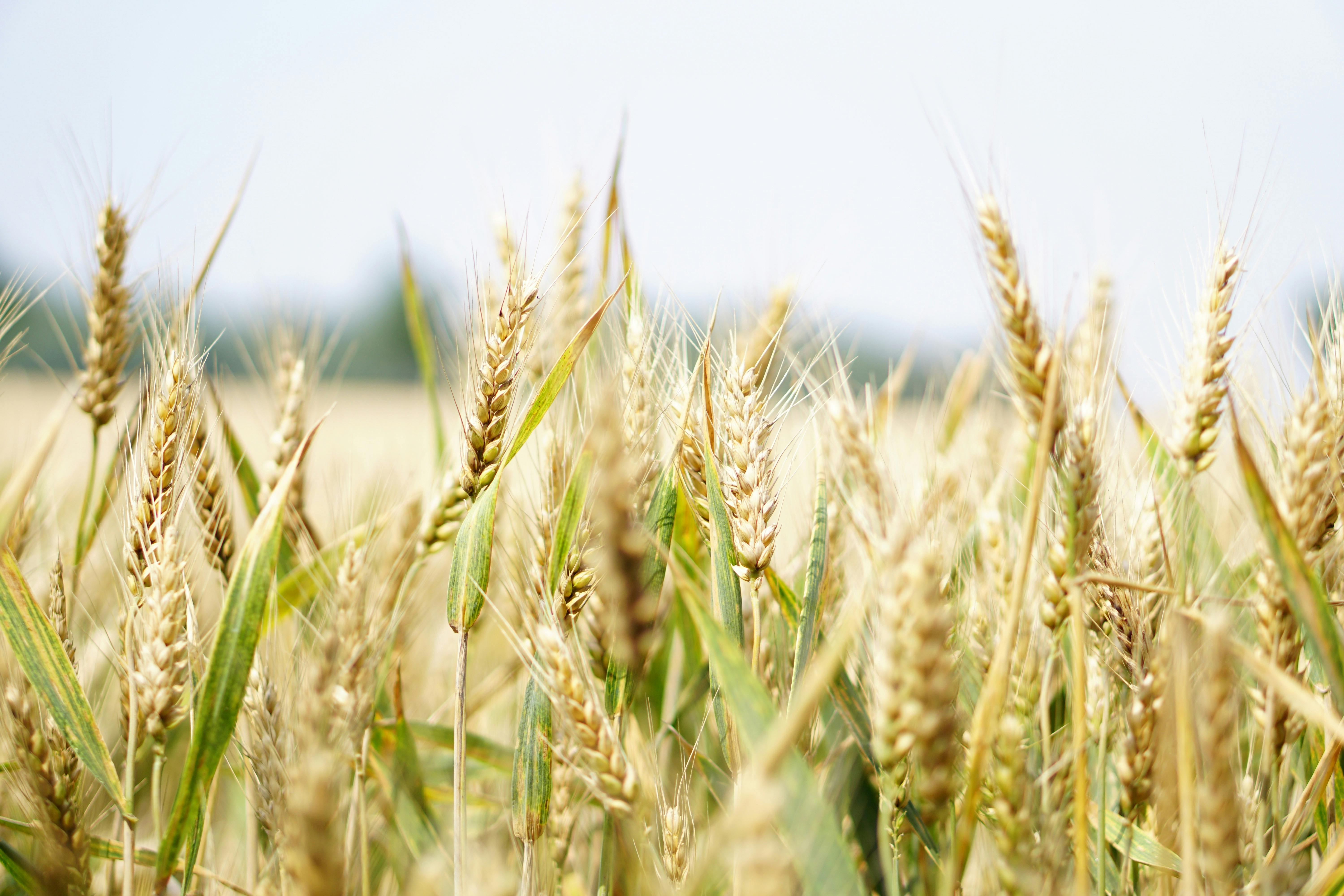
Kenya's agricultural sector is the backbone of its economy, employing over 70% of the rural population and contributing significantly to the national GDP. Yet, soil degradation, erratic rainfall patterns, and the high cost of conventional inputs pose persistent threats to productivity and farmer livelihoods. Organic farming in Kenya is experiencing significant growth, with both large-scale and smallholder farmers recognizing its long-term benefits.
The emphasis on soil health and fertility is paramount. Practices like integrating organic matter, using compost, and implementing conservation tillage are gaining traction. The African Fertilizer and Agribusiness Partnership (AFAP) highlights the importance of organic fertilizers in national soil health management plans, advocating for solutions that boost crop yields while reducing environmental impact. Sustainable agricultural practices, such as those promoted by the Sustain Africa Initiative in Kenya, are designed to build resilience and ensure food security for future generations. Data from organizations like Farm Africa also show that training farmers in improved seed selection and sustainable climate-resilient practices can lead to significant reductions in crop losses, sometimes by as much as 30%.
Key Insights & Strategies for Sustainable Farming

Implementing sustainable farming requires a holistic approach that nurtures both the land and the crops. Here are critical insights and strategies to consider:
Mastering Legume Intercropping for Natural Nitrogen Fixation
Legume intercropping is a powerful, nature-based solution that leverages the ability of legumes to fix atmospheric nitrogen into the soil. This reduces the need for synthetic nitrogen fertilizers, saving costs and promoting healthier soil ecosystems.
Select Compatible Crop Pairs: Choose legumes that complement your staple crops. For maize, common successful pairings in Kenya include cowpeas, common beans, or pigeon peas. Ensure their growth habits don't overly compete for light or nutrients.Optimize Spacing and Planting Times: Proper spacing is crucial to allow both crops sufficient sunlight and nutrient access. Plant legumes slightly after the main crop or in alternating rows to minimize early competition.Manage Harvesting Rotations: Harvest legumes at maturity, leaving their root systems to decompose and release fixed nitrogen into the soil, benefiting the subsequent main crop.Monitor Soil Health: Regularly observe plant vigor and leaf color. While intercropping provides nitrogen, other nutrient deficiencies might still occur.For farmers seeking deeper insights into their soil's health to optimize intercropping and fertilization, consider the Rapitest Soil Test Kit – available on Amazon. Understanding your soil's pH and nutrient levels is the first step towards truly sustainable management.
Prioritizing Soil Health and Nutrient Management
Healthy soil is the foundation of productive farming. Sustainable soil management goes beyond just adding nutrients; it focuses on building a living, resilient ecosystem.
Regular Soil Testing: Understand your soil’s composition, pH, and nutrient levels to make informed decisions about amendments and fertilization.Incorporate Organic Matter: Use compost, manure, and cover crops to enrich soil organic matter, improving structure, water retention, and nutrient availability.Practice Crop Rotation: Rotate different crop families to break pest and disease cycles, improve nutrient cycling, and prevent soil exhaustion.Minimize Tillage: Reduce soil disturbance to protect soil structure, preserve organic matter, and support beneficial microbial life.
Implementing Efficient Water Conservation
Water scarcity is a growing concern in many parts of Kenya. Adopting efficient irrigation methods is vital for sustainable agriculture.
Drip Irrigation Systems: Deliver water directly to the plant roots, minimizing evaporation and runoff.Rainwater Harvesting: Collect and store rainwater for irrigation, especially during dry spells.Mulching: Apply organic mulches around plants to reduce soil moisture evaporation, suppress weeds, and regulate soil temperature.Drought-Resistant Crops: Select crop varieties that are well-suited to local climatic conditions and can tolerate periods of drought.To significantly reduce water wastage and ensure your crops receive precise hydration, an investment in a modern drip system is invaluable. Boost your farm's water efficiency with the CARPATHEN Drip Irrigation System Kit – available on Amazon, a practical solution for even small to medium-sized farms.
Integrated Pest and Disease Management
Sustainable pest and disease management focuses on prevention and ecological balance rather than heavy reliance on chemical pesticides.
Crop Diversity: Planting a variety of crops can naturally deter pests and diseases by breaking their life cycles.Biological Control: Introduce or encourage natural predators and parasites to control pest populations.Organic Pesticides: Use botanical or microbial pesticides as a last resort, ensuring they are environmentally friendly.Good Farm Hygiene: Remove diseased plant material and weeds that can harbor pests and pathogens.For further resources and solutions tailored to organic farming, Explore sustainable organic farming solutions with Biofarm Kenya.
Case Studies: Success Stories from Kenyan Farms
Across Kenya, numerous farmers are demonstrating the tangible benefits of sustainable agriculture. These pioneers are not only achieving higher yields and cutting costs but also building resilient farming systems.
Consider the example of farmers in Western Kenya who have successfully adopted maize-bean intercropping. Trials and farmer-led initiatives, such as those highlighted by Plant-Teams, have shown that high-yielding plant teams renew farmers' interest in legume intercropping, with some achieving maize grain yields of up to 6.3 t/ha. This contrasts sharply with monoculture systems often plagued by soil fertility decline.
Another inspiring case comes from projects like the Cross Soil Project, which introduced a range of sustainable agriculture practices to rehabilitate degraded lands and significantly boost crop yields across Kenya. These projects emphasize practices such as agroforestry, conservation agriculture, and improved soil organic matter management, leading to both increased productivity and climate change mitigation. These initiatives underscore that sustainable practices are not just environmentally sound but also economically viable for smallholder farmers, enhancing their food security and income stability.
The Food and Agriculture Organization (FAO) in Kenya actively promotes and upscales Good Agricultural Practices and Conservation Agriculture among smallholder farmers, recognizing their potential to increase productivity and profitability (FAO Kenya).
Common Mistakes to Avoid in Sustainable Agriculture
Even with the best intentions, farmers can sometimes fall into pitfalls that hinder their sustainable efforts. Recognizing and rectifying these common mistakes is crucial for success:
Over-reliance on a Single Crop: Monoculture depletes specific soil nutrients, invites pests, and leaves farms vulnerable to single crop failures. Diversify your crops and practice rotation to maintain soil health and resilience.Ignoring Soil Testing: Guessing soil needs leads to imbalanced fertilization, wasted inputs, and poor crop performance. Regular soil testing provides precise data for targeted nutrient management.Improper Fertilizer Application: Applying too much or too little fertilizer, or at the wrong time, is inefficient and can harm the environment. Follow soil test recommendations and apply organic fertilizers strategically.Inefficient Water Management: Overwatering wastes water and can lead to nutrient leaching and root rot, while underwatering stunts growth. Implement efficient irrigation systems like drip irrigation and monitor soil moisture.Neglecting Organic Matter: Relying solely on mineral fertilizers without incorporating organic matter degrades soil structure and reduces its water and nutrient holding capacity. Integrate compost, mulches, and cover crops.Poor Record Keeping: Failing to track expenses, yields, and pest issues makes it difficult to learn from past seasons and make informed decisions for future improvements. Keep detailed farm records.Lack of Continuous Learning: Agricultural science and best practices evolve. Not staying updated through workshops, extension services, or farmer groups can lead to missed opportunities for improvement.
Expert Tips & Best Practices for Maximizing Yields
To truly unlock the potential of sustainable farming in Kenya, integrate these expert tips and best practices into your daily operations:
Start with a Strong Foundation: Always begin with healthy, nutrient-rich soil. Regularly incorporate compost and organic manure. For those looking to give their soil an extra boost, maintaining healthy soil with Espoma Garden-tone Organic Plant Food can provide essential nutrients in an environmentally friendly way, supporting robust growth for a wide variety of plants.Embrace Agroforestry: Integrate trees and shrubs into your farm landscape. They improve soil fertility, provide shade, conserve water, and can offer additional income streams through fruits or timber.Utilize Local Knowledge: Connect with experienced local farmers and agricultural extension officers. Their practical insights into local conditions and traditional methods are invaluable.Invest in Quality Seeds: High-quality, locally adapted, and drought-resistant seeds can significantly impact yields and resilience, as demonstrated by initiatives reducing crop losses by 30%.Consider Protected Cultivation: For high-value crops or in challenging climates, small-scale greenhouses can protect plants from extreme weather and pests, extending growing seasons. A 6x4FT Small Greenhouse with Hygrometer – available on Amazon offers a practical solution for small farms to start.Implement Precision Farming (even on a small scale): Utilize basic tools like soil moisture meters and weather apps to make data-driven decisions about irrigation and planting.Diversify Beyond Crops: Consider integrating livestock (e.g., chickens, goats) into your sustainable farm. Their manure provides natural fertilizer, creating a more closed-loop system.For more advanced techniques and partnership opportunities, Explore sustainable organic farming solutions with Biofarm Kenya.
Future Trends in Kenyan Sustainable Agriculture
The future of sustainable farming in Kenya is dynamic, shaped by technological advancements and a growing commitment to ecological practices. Farmers can look forward to and prepare for several key trends:
Smart Irrigation Systems: Utilizing sensors and AI to monitor soil moisture and weather forecasts, these systems will precisely deliver water, minimizing waste and optimizing plant hydration.Vertical Farming and Controlled Environment Agriculture (CEA): Especially in urban or water-scarce areas, vertical farms and greenhouses will offer high-yield, resource-efficient food production, potentially using hydroponics or aeroponics. The Middle East and Africa vertical farming market is projected to grow, with Kenya being a part of this trend.AI-Driven Crop Monitoring and Analytics: Drones equipped with multispectral cameras and AI algorithms will provide real-time data on crop health, pest infestations, and nutrient deficiencies, enabling proactive management.Mobile Technology Integration: Smartphone applications will continue to evolve, offering farmers access to market prices, weather advisories, expert consultation, and financial services, bridging knowledge gaps.Blockchain for Supply Chain Transparency: This technology will enhance traceability and trust in organic produce, connecting farmers directly to consumers and ensuring fair pricing for sustainably grown crops.Biofertilizers and Biopesticides: Research and development in natural alternatives to synthetic chemicals will lead to more effective and accessible organic inputs.Climate-Smart Agriculture Innovations: Emphasis will be on developing and adopting crop varieties resilient to drought and extreme temperatures, coupled with farming practices that sequester carbon.These trends promise to make farming in Kenya not only more sustainable but also more productive, profitable, and resilient to future challenges.
Conclusion: Cultivating a Greener, More Prosperous Future
Sustainable farming in Kenya is not merely an alternative; it is the imperative for a resilient and prosperous agricultural future. By embracing practices like legume intercropping, prioritizing soil health, and adopting efficient water management, Kenyan farmers are already demonstrating significant improvements in yields and cost reduction. The integration of modern technologies, coupled with a deep respect for ecological balance, promises to further revolutionize the sector, ensuring food security and economic stability for communities across the nation.
The journey towards full sustainability is continuous, requiring commitment, education, and access to the right tools and resources. Discover trusted organic farming tools on Amazon and learn more about sustainable solutions with Biofarm Kenya. Together, we can cultivate a greener, more abundant future for Kenya.
Frequently Asked Questions (FAQs)
Q1: What are the primary benefits of legume intercropping for Kenyan farmers?A1: Legume intercropping offers multiple benefits, including natural nitrogen fixation, which reduces the need for synthetic fertilizers and cuts costs. It also enhances soil fertility, improves soil structure, increases overall land productivity, and can provide a more diversified income stream. A CIAT study found 30% higher maize yields and 40% lower fertilizer costs (CGIAR News).Q2: How can Kenyan farmers improve soil fertility organically?A2: Farmers can improve soil fertility organically through several methods: incorporating compost and well-rotted manure, planting cover crops (especially legumes), practicing crop rotation, reducing tillage to maintain soil structure, and utilizing agroforestry systems. These practices enrich soil organic matter and support beneficial microbial life (FAO Soil Fertility).Q3: What are some cost-effective water conservation methods for smallholder farms in Kenya?A3: Cost-effective water conservation methods include drip irrigation systems, rainwater harvesting, mulching to reduce evaporation, and selecting drought-resistant crop varieties. Additionally, proper scheduling of irrigation based on soil moisture monitoring can prevent overwatering and optimize water use (NEMA Kenya - Water Harvesting).Q4: How does sustainable farming contribute to climate resilience in Kenya?A4: Sustainable farming builds climate resilience by improving soil health (enhancing water retention and carbon sequestration), promoting biodiversity, reducing reliance on external inputs (less carbon footprint), and diversifying crops to mitigate risks from extreme weather events. Practices like agroforestry also help in climate change adaptation (CIFOR-ICRAF - Climate-Smart Agriculture Kenya).Q5: What role do government policies play in promoting sustainable agriculture in Kenya?A5: Government policies, often spearheaded by the Ministry of Agriculture, Livestock, Fisheries and Cooperatives, play a crucial role by providing extension services, offering subsidies for sustainable inputs, developing regulatory frameworks for organic certification, and promoting research in climate-smart agriculture. They aim to create an enabling environment for farmers to adopt sustainable practices (Ministry of Agriculture, Kenya).Q6: Where can Kenyan farmers find reliable information and resources on organic farming?A6: Kenyan farmers can find reliable information and resources from agricultural extension offices, the Kenya Agricultural and Livestock Research Organization (KALRO), non-governmental organizations like Farm Africa and Biofarm Kenya, farmer cooperatives, and online platforms. Attending local workshops and field days is also highly beneficial (Biofarm Kenya Partners).
References and Further Reading
Food and Agriculture Organization of the United Nations (FAO) in KenyaNational Environment Management Authority (NEMA), KenyaMinistry of Agriculture, Livestock, Fisheries and Cooperatives, KenyaKenya National Bureau of Statistics (KNBS)CGIAR - Consultative Group for International Agricultural ResearchCenter for International Forestry Research (CIFOR) and World Agroforestry (ICRAF)Biofarm Kenya Partner SolutionsBiofarm Kenya - Soil Health Tips (Internal Link Example)Biofarm Kenya - Intercropping Guide (Internal Link Example)Biofarm Kenya - Organic Fertilizers (Internal Link Example)Contact Biofarm Kenya (Internal Link Example)About Biofarm Kenya (Internal Link Example)


0 Comments