

Estimated Reading Time: 9 minutes
Table of Contents
Introduction: Cultivating Tomorrow's Harvests
The verdant landscapes of Kenya, long the breadbasket for millions, are facing unprecedented challenges. Kenyan farmers are increasingly seeking solutions for declining soil fertility amid erratic rainfall, a stark reality driven by climate change and conventional agricultural practices. The traditional plow, once a symbol of cultivation, inadvertently contributes to soil degradation, exposing precious topsoil to erosion and diminishing its capacity to retain water and nutrients.
But there's a revolutionary approach gaining traction: smart no-till farming. This method offers a sustainable pathway to not only halt soil degradation but also significantly boost crop yields. By minimizing soil disturbance, farmers can unlock the inherent potential of their land, transforming it into a more resilient and productive ecosystem. The evidence is compelling, with studies and field trials demonstrating remarkable improvements in agricultural output and environmental health.
This comprehensive guide from Biofarm Kenya delves into the transformative power of no-till practices. We'll explore how transitioning from conventional plowing to no-till can preserve soil structure and moisture, providing practical, evidence-backed steps for implementation. From the strategic deployment of cover crops to the meticulous management of crop residues and precision planting techniques, we'll equip you with the knowledge to thrive in an evolving agricultural landscape.
The benefits are clear: a 2025 Jomo Kenyatta University study found cover cropping boosts moisture retention by 30%, and KALRO field trials show no-till farms saw 22% higher maize yields after two seasons compared to conventional methods. Join us as we explore how these innovations are poised to redefine agricultural success for Kenyan farmers.
Background & Context: The Shifting Sands of Kenyan Agriculture

Agriculture remains the backbone of Kenya's economy, accounting for over a third of its Gross Domestic Product (GDP) and employing a significant portion of the population. However, decades of intensive cultivation, deforestation, and the increasing frequency of droughts and floods have taken a toll on the nation's most vital resource: its soil. Soil fertility decline is a pressing issue, leading to reduced yields and increased reliance on costly chemical inputs.
The shift towards organic farming and sustainable agriculture in Kenya is not just an environmental imperative; it's an economic necessity. Farmers are recognizing the long-term benefits of practices that work with nature rather than against it. The market for organic produce is growing, driven by increasing consumer awareness of health and environmental impacts. This growth presents a significant opportunity for farmers who adopt sustainable methods like no-till.
For example, recent reports indicate a consistent upward trend in agribusiness investments across East Africa, with a particular focus on technologies and practices that enhance climate resilience and resource efficiency. This includes innovations in drip irrigation, greenhouse farming, and, critically, soil conservation techniques like no-till. These methods contribute to building healthier soils, which are more resilient to adverse weather conditions and can sustain productivity for generations.
Key Insights or Strategies: Mastering No-Till for Maximum Impact
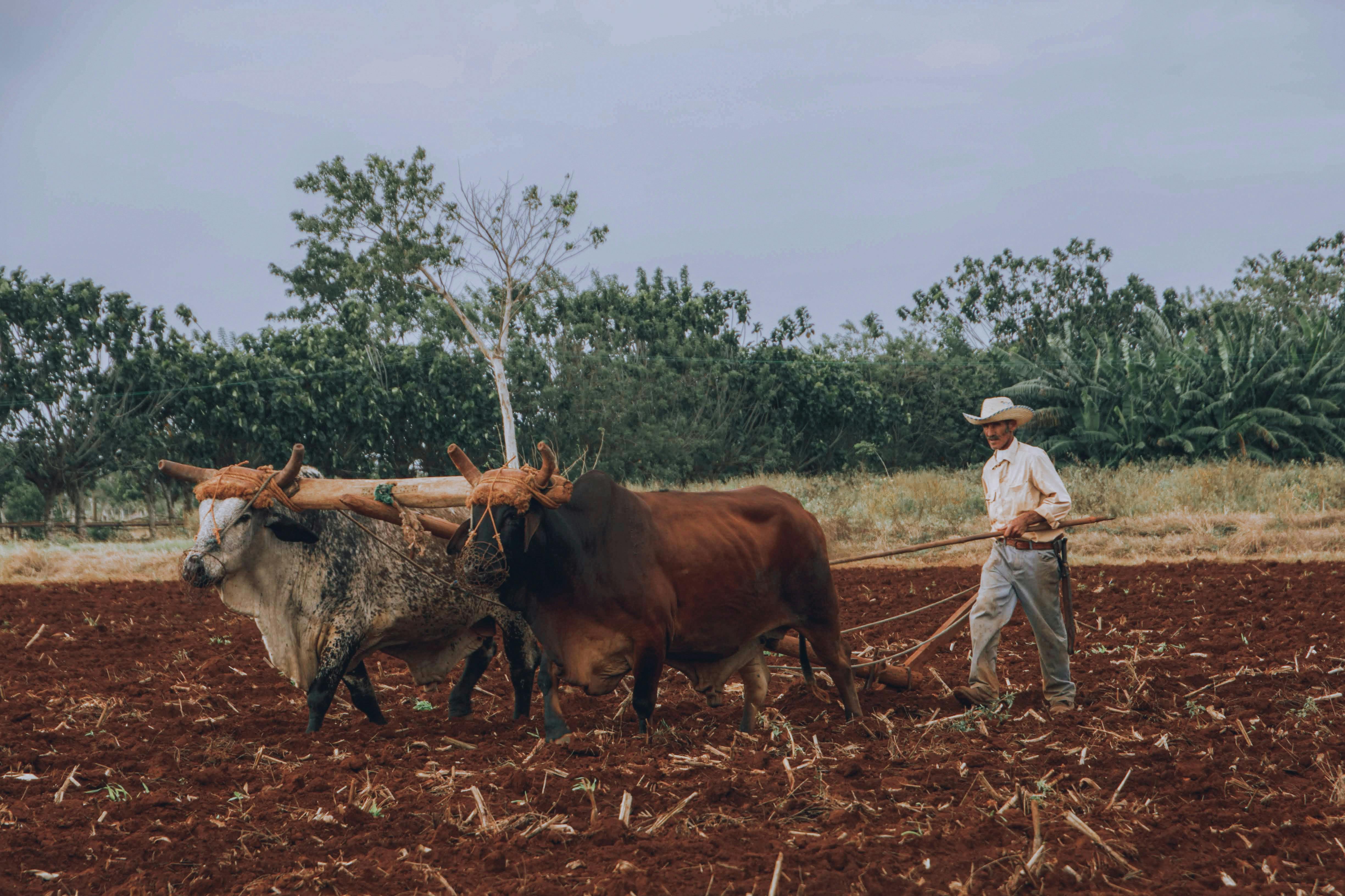
Transitioning to no-till farming requires a strategic approach, moving away from conventional plowing to embrace methods that nurture the soil. Here are the core strategies that will unlock the full potential of your farm:
1. Embrace Cover Cropping for Soil Health
Cover crops are the unsung heroes of no-till farming. Planted between cash crop cycles, they protect the soil from erosion, suppress weeds, and significantly add organic matter. This organic matter acts like a sponge, dramatically boosting soil moisture retention, a critical benefit for Kenyan farmers facing erratic rainfall patterns. The 2025 Jomo Kenyatta University study confirming a 30% increase in moisture retention underscores their value.
To understand your soil's needs for optimal cover crop growth, consider investing in a reliable tool. Boost your yields with the MySoil pH & Moisture Meter, 3-in-1 Soil Test Kit – available on Amazon, which provides vital insights into your soil's pH and moisture levels.
2. Gradual Residue Incorporation to Build Soil Biota
Leaving crop residues on the soil surface is a cornerstone of no-till. This plant material acts as a protective mulch, moderating soil temperature, reducing evaporation, and providing a continuous food source for soil microorganisms. Over time, these residues break down, enriching the soil with organic matter and improving its structure.
To further enhance the decomposition process and nourish your soil, consider an organic fertilizer. For robust plant health and improved soil biology, explore Neptune's Harvest Organic Hydrolized Fish & Seaweed Fertilizer – available on Amazon.
3. Precision Planting Techniques for Optimal Root Development
In a no-till system, precision planting is crucial. It ensures seeds are placed at the correct depth and spacing, allowing for optimal root development and nutrient uptake in undisturbed soil. Specialized no-till planters are designed to cut through residue and create a narrow seed furrow, minimizing soil disruption.
Case Studies, Examples, or Comparisons: Kenyan Farmers Leading the Way
The shift to no-till is not merely theoretical; it's being successfully implemented by pioneering Kenyan farmers across various regions. These early adopters are demonstrating the tangible benefits of sustainable agriculture, inspiring others to follow suit.
In Kitale, Trans-Nzoia County, Mr. John Muriithi, a maize farmer, transitioned his 5-acre farm to no-till practices five seasons ago. Initially skeptical, he was convinced by local agricultural extension officers highlighting the potential for reduced input costs and improved soil health. By consistently applying cover crops such as dolichos lablab and sunn hemp, and leaving maize stover on the field, Muriithi observed a remarkable transformation. His soil, once compacted and prone to erosion, became friable and rich in organic matter. After two seasons, his maize yields increased by an average of 15%, surpassing the regional average, even during drier spells. His fuel consumption for land preparation also plummeted by an estimated 60%.
Another compelling example comes from the semi-arid region of Makueni County, where farmers are adopting water-efficient farming techniques, including a form of conservation agriculture akin to no-till. Ms. Agnes Kamau, a small-scale bean and sorghum farmer, implemented basin planting (a micro-no-till technique) combined with mulching from crop residues. This method significantly improved water infiltration and reduced evaporation from her fields. The local agricultural office, supported by international NGOs, reported that farmers like Ms. Kamau experienced up to 25% higher yields for drought-resistant crops, alongside a notable increase in soil organic carbon content over three years. These local successes echo the findings of KALRO, which consistently reports higher maize yields (up to 22%) for no-till farms compared to conventional methods in their field trials.
These case studies highlight a crucial comparison: conventional plowing, while seemingly preparing the soil, actually disrupts its delicate structure, leading to long-term degradation. No-till, by contrast, fosters a vibrant underground ecosystem, allowing nature to do the heavy lifting in soil preparation, resulting in more resilient and productive farms. The success stories from Kenya are a testament to the fact that sustainable farming is not just an ideal, but a practical and profitable reality.
Common Mistakes to Avoid: Navigating the No-Till Transition
While the benefits of no-till farming are substantial, a smooth transition requires avoiding common pitfalls. Understanding these mistakes can help Kenyan farmers successfully implement no-till practices.
By being aware of these common errors, Kenyan farmers can navigate the transition to no-till with greater confidence and achieve more consistent success.
Expert Tips or Best Practices: Your Guide to No-Till Success
Adopting no-till is a journey that yields increasing returns with consistent application of best practices. These expert tips are tailored to help Kenyan farmers maximize the benefits of this sustainable approach.
By embracing these tips, you're not just adopting a farming technique; you're cultivating a thriving, resilient agricultural system that will benefit your farm and the environment for years to come.
Future Trends or Predictions: Innovations Shaping Kenyan Farming
The future of Kenyan agriculture is intrinsically linked to innovation and sustainability. As climate challenges intensify, the adoption of cutting-edge technologies and practices will become even more crucial. Several trends are poised to revolutionize farming in the region, building upon the principles of no-till and sustainable land management.
Conclusion: Sowing the Seeds of a Sustainable Future
The journey towards sustainable agriculture in Kenya is not just about adapting to change; it's about leading it. Smart no-till farming offers a powerful, scientifically proven solution to some of the most pressing challenges faced by Kenyan farmers today: declining soil fertility, erratic rainfall, and the imperative for increased crop yields. By embracing methods that prioritize soil health – through cover cropping, careful residue management, and precision planting – farmers can cultivate more resilient, productive, and profitable farms. The evidence from Jomo Kenyatta University and KALRO field trials speaks for itself, demonstrating tangible benefits like enhanced moisture retention and significant yield increases.
The transition to no-till is an investment in the future, fostering a deeper connection with the land and ensuring food security for generations to come. It's a testament to the power of working with nature, rather than against it, to achieve agricultural excellence. As we look ahead, the integration of traditional wisdom with modern innovation will continue to pave the way for a thriving agricultural sector in Kenya.
Discover trusted organic farming tools on Amazon and learn more about sustainable solutions with Biofarm Kenya.
FAQs: Your No-Till Questions Answered
Q1: What exactly is no-till farming and why is it important for Kenyan farmers?
No-till farming, also known as zero tillage, is an agricultural practice that involves growing crops without disturbing the soil through plowing or harrowing. Instead, previous crop residues are left on the soil surface. This is crucial for Kenyan farmers because it significantly reduces soil erosion, improves water infiltration and retention (vital during droughts), enhances soil organic matter, and ultimately leads to more stable and often higher crop yields, as evidenced by KALRO field trials showing 22% higher maize yields. Learn more about conservation agriculture from FAO.
Q2: How do cover crops help in a no-till system?
Cover crops are plants grown primarily to protect and enrich the soil rather than for direct harvest. In a no-till system, they are vital for suppressing weeds, preventing soil erosion, adding organic matter, and fixing nitrogen (if legumes). A 2025 Jomo Kenyatta University study found they boost soil moisture retention by 30%, making them indispensable for managing erratic rainfall in Kenya. They also provide habitat for beneficial insects and improve soil structure. Discover KALRO's research on soil and water management.
Q3: What are the initial challenges when transitioning to no-till farming in Kenya?
Initial challenges can include managing existing soil compaction, investing in specialized no-till planting equipment (though manual options exist for smallholders), and adapting weed management strategies without tillage. Farmers may also experience a learning curve in cover crop selection and residue management. Patience is key, as significant benefits accrue over several seasons. Biofarm Kenya offers resources for a smooth transition.
Q4: Can no-till farming really increase crop yields in Kenya?
Yes, absolutely. While initial yields might fluctuate during the transition, long-term studies and field trials, such as those by KALRO, consistently show that no-till farms can achieve 22% higher maize yields after just two seasons compared to conventional methods. This is due to improved soil structure, better water retention, increased nutrient cycling, and reduced stress on plant roots.
Q5: What role does crop residue play in no-till farming?
Crop residue (the leftover stalks, leaves, and stems from previous harvests) forms a protective layer on the soil surface in no-till systems. This mulch helps to reduce evaporation, moderate soil temperature extremes, suppress weed growth, and prevent soil erosion. As the residue decomposes, it gradually adds organic matter to the soil, feeding microorganisms and improving soil fertility and structure over time. The National Environment Management Authority (NEMA) advocates for sustainable land use practices.
Q6: Where can Kenyan farmers find support and resources for adopting no-till practices?
Kenyan farmers can find support from various sources, including government agricultural extension services, research institutions like KALRO and Jomo Kenyatta University, local farmer cooperatives, and NGOs promoting sustainable agriculture. Organizations like Biofarm Kenya also provide valuable information, training, and access to sustainable farming solutions. Explore partnership opportunities and resources with Biofarm Kenya.


0 Comments