

Estimated Reading Time: 11 minutes
TL;DR: Kenyan farmers can significantly cut fertilizer costs and boost yields by adopting sustainable methods. Biochar improves soil health and water retention, while legume-based intercropping naturally fixes nitrogen, reducing the need for synthetic inputs. Precision soil testing helps apply fertilizers efficiently, preventing waste and over-application. These integrated practices have shown to reduce fertilizer expenses by up to 40% and increase maize yields by 30% in dryland farming contexts.
Key Takeaways:
- Embrace biochar to enhance soil structure, water holding capacity, and nutrient retention, leading to healthier crops and reduced input needs.
- Implement legume-based intercropping to leverage natural nitrogen fixation, improving soil fertility and diversifying farm income.
- Utilize precision soil testing regularly to understand your farm's exact nutritional requirements, enabling targeted fertilizer application and significant cost savings.
- Transitioning to sustainable methods can reduce overall fertilizer costs by 40% while maintaining or increasing productivity.
- Connect with agricultural experts and local resources like Biofarm Kenya to gain tailored support and access to sustainable farming solutions.
Table of Contents
- Introduction: Cultivating Prosperity Through Sustainable Farming
- Background & Context: The Silent Crisis of Soil Degradation in Kenya
- Key Insights & Strategies: Unlocking Cost Savings and Boosting Yields
- Biochar Soil Amendments: A Carbon-Rich Solution
- Legume-Based Intercropping: Nature's Nitrogen Fixers
- Precision Soil Testing: Knowledge is Power
- Case Studies, Examples, or Comparisons: Kenyan Farmers Leading the Way
- Common Mistakes to Avoid: Safeguarding Your Farm's Future
- Expert Tips & Best Practices: Practical Steps for a Resilient Farm
- Future Trends or Predictions: Innovating for a Sustainable Tomorrow
- Conclusion: A Sustainable Path to Agricultural Resilience
- FAQs
Introduction: Cultivating Prosperity Through Sustainable Farming
In Kenya, the backbone of many livelihoods is agriculture, yet a silent crisis threatens its very foundation. With 60% of Kenyan dryland farmers reporting declining soil fertility and rising input costs, this guide challenges conventional reliance on chemical fertilizers. The economic pressure on farmers is immense, as the increasing price of synthetic fertilizers erodes profits and pushes many to the brink. This article delves into a transformative approach: adopting sustainable farm methods that not only slash fertilizer costs but also rejuvenate the land for future generations.
Our core focus is on training farmers to implement biochar soil amendments, legume-based intercropping, and precision soil testing. These innovative techniques offer a powerful alternative to expensive chemical inputs, fostering healthier soil ecosystems and more resilient harvests. Biochar, for instance, has been proven to increase maize yields by 30% per 2025 Jomo Kenyatta University trials, showcasing its potential to revolutionize productivity. Legume-based intercropping naturally fixes nitrogen, reducing the need for synthetic fertilizers, while precision soil testing helps farmers apply nutrients only where and when they are needed, avoiding costly over-application. KALRO 2024 field data compellingly shows that these combined methods can reduce fertilizer costs by a remarkable 40% while maintaining or even boosting productivity. Join us as we explore how these sustainable practices can secure a more prosperous and environmentally sound future for Kenyan agriculture.
Background & Context: The Silent Crisis of Soil Degradation in Kenya
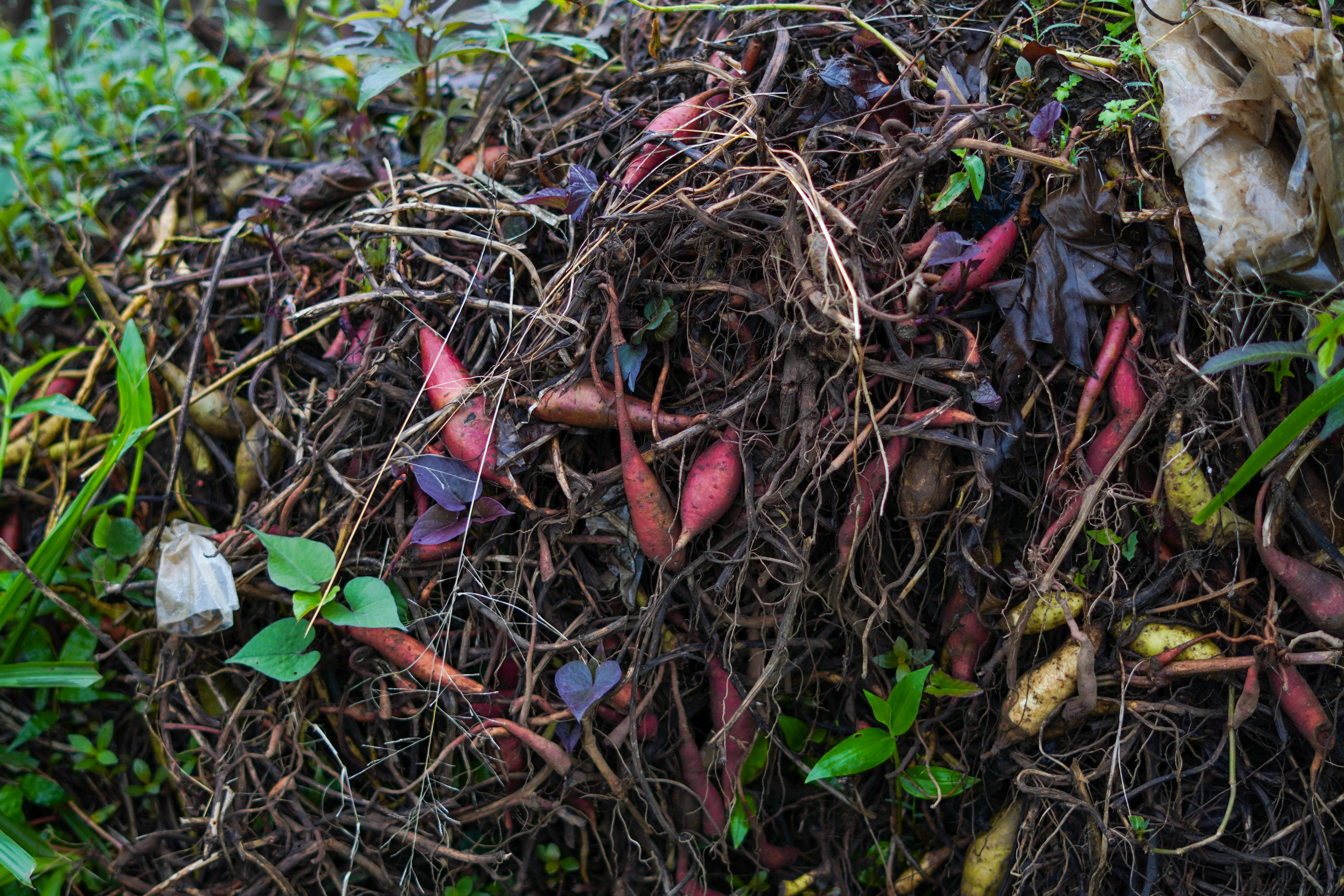
The agricultural landscape of Kenya, particularly in its dryland regions, is grappling with significant challenges. Decades of intensive farming practices, coupled with climate change impacts, have led to widespread soil degradation. Disturbing statistics reveal the severity of the situation: in Kenya, 75 percent of soils fall below sustainable thresholds for fertility, as highlighted by reports on soil degradation in East Africa. This depletion significantly weakens the soil's capacity to support healthy crop growth and provide essential ecosystem services. The economic cost of this environmental decline is staggering, with estimates suggesting Kenya may be losing about KSh 170 billion annually to declining soil fertility, erosion, and poor land management practices.
Across East Africa, more than 40% of soils are degraded, posing a major threat to agriculture and food security. This alarming trend underscores the urgent need for a paradigm shift in farming practices. Organic farming and sustainable agriculture are no longer niche concepts but essential strategies for resilience and long-term viability. By focusing on rebuilding soil health, promoting biodiversity, and minimizing external inputs, Kenyan farmers can reverse the trend of degradation and cultivate a more secure future. This shift also aligns with the growing demand for organic produce, offering new market opportunities for farmers who embrace eco-friendly methods.
Key Insights & Strategies: Unlocking Cost Savings and Boosting Yields
Biochar Soil Amendments: A Carbon-Rich Solution
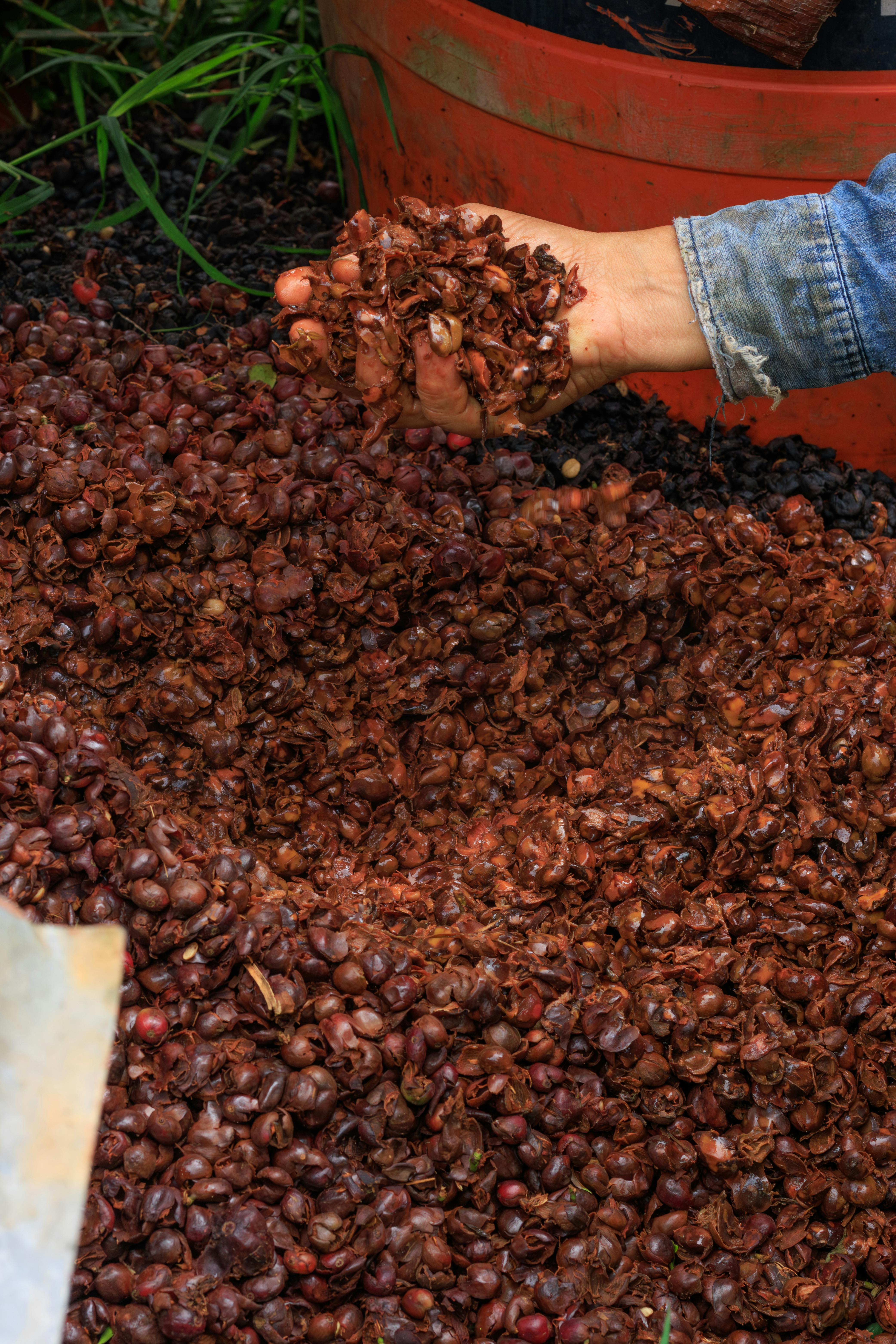
Biochar, a charcoal-like substance created by burning biomass in a low-oxygen environment, is a game-changer for soil health. Its porous structure significantly improves soil's water retention capacity, nutrient holding ability, and microbial activity. For dryland farmers in Kenya, this translates to more resilient crops, especially during periods of drought, and a reduced need for frequent watering. Moreover, biochar sequesters carbon in the soil, contributing to climate change mitigation efforts.
- Produce or Source Quality Biochar: Learn about local biochar production methods or source from reputable suppliers. Ensure the biochar is made from sustainable biomass.
- Incorporate into Soil: Mix biochar thoroughly into your farm soil before planting, ideally at depths where roots can access it. Recommended application rates vary, so consult local agricultural extension services.
- Monitor Soil Health: Observe changes in soil structure, water retention, and crop vigor over time. Biochar's benefits are long-lasting and accumulate with continued use.
For farmers looking to establish a robust composting system that complements biochar application, consider the VEVOR 5-Tray Worm Compost Bin – available on Amazon. This system efficiently transforms organic waste into nutrient-rich vermicompost, a perfect partner for improving soil structure and fertility.
Legume-Based Intercropping: Nature's Nitrogen Fixers
Intercropping, the practice of growing two or more crops in proximity, particularly involving legumes, is an ancient yet highly effective sustainable method. Legumes such as beans, peas, and groundnuts have a unique ability to fix atmospheric nitrogen into the soil through a symbiotic relationship with soil bacteria. This natural process significantly reduces the need for synthetic nitrogen fertilizers, a major cost for many farmers.
- Select Compatible Crops: Choose legume varieties that grow well alongside your primary crops (e.g., maize and beans). Consider growth habits, nutrient needs, and pest interactions.
- Strategic Planting: Plan your intercropping layout to ensure adequate sunlight, water, and nutrient access for all crops. Often, alternating rows or planting legumes between rows of cereals works best.
- Observe and Adapt: Monitor crop performance and pest dynamics. Intercropping also enhances biodiversity, which can lead to natural pest control and a more balanced ecosystem.
Precision Soil Testing: Knowledge is Power
Guessing your soil's nutrient needs leads to waste, either through over-application of costly fertilizers or under-application leading to reduced yields. Precision soil testing provides accurate data on your soil's pH, nutrient levels, and organic matter content. This knowledge empowers farmers to apply only the necessary fertilizers in the correct amounts and at the right time, leading to significant cost savings and improved crop health.
- Regular Soil Sampling: Collect soil samples from different areas of your farm regularly, ideally before each planting season.
- Utilize Testing Services: Send samples to accredited laboratories or use reliable on-farm testing kits. Companies like SGS Kenya and Yara East Africa offer such services.
- Interpret Results & Act: Use the test results to create a tailored nutrient management plan. This might involve targeted fertilizer application, liming to adjust pH, or increasing organic matter.
To accurately assess your soil's current state, consider investing in a reliable tool like the Luster Leaf Rapitest Soil Test Kit – available on Amazon. This kit provides essential insights into pH, nitrogen, phosphorus, and potassium levels, allowing for informed decisions on fertilizer application. To further explore sustainable solutions and connect with agricultural experts, Explore sustainable organic farming solutions with Biofarm Kenya.
Case Studies, Examples, or Comparisons: Kenyan Farmers Leading the Way
Across Kenya, a growing number of farmers are demonstrating the tangible benefits of sustainable agricultural practices. In regions like Kitale, farmers working with organizations promoting conservation agriculture have successfully adopted minimum tillage and crop rotation. These practices have significantly improved soil structure, reduced erosion, and enhanced water infiltration, leading to more stable yields even in erratic weather conditions. For example, some farmers have reported a reduction in overall input costs by up to 30% after transitioning from conventional methods.
A notable success story comes from farmers in Western Kenya who have embraced legume-cereal intercropping. By planting beans and groundnuts alongside maize, they not only benefit from enhanced soil fertility due to nitrogen fixation but also gain diversified income streams. This approach has led to increased food security for their families and additional revenue from selling surplus legumes. The Food and Agriculture Organization (FAO) actively promotes such climate-smart agricultural practices in Kenya, providing training and resources to smallholder farmers to build resilience against climate change impacts and improve food security.
Furthermore, the increased adoption of small-scale greenhouses and drip irrigation systems, particularly in peri-urban areas, showcases innovation in water management and intensive farming. These controlled environments allow for higher yields with significantly less water, making them ideal for dryland areas. Farmers utilizing these technologies often report higher quality produce and extended growing seasons, leading to better market access and profitability. These examples underscore that while challenges remain, practical and effective sustainable solutions are being successfully implemented across various scales of farming in Kenya, yielding positive economic and environmental outcomes.
Common Mistakes to Avoid: Safeguarding Your Farm's Future
Transitioning to sustainable farming requires careful planning and a willingness to learn from common pitfalls. Avoiding these mistakes can save time, money, and ensure the long-term health of your farm.
- Over-reliance on Chemical Fertilizers: Continuously applying synthetic fertilizers without understanding soil needs degrades soil structure, reduces microbial life, and often leads to nutrient imbalances. This not only harms the environment but also becomes increasingly expensive as soil health declines and more inputs are required.
- Neglecting Organic Matter: Ignoring the importance of organic matter (compost, manure, crop residues) in soil is a critical error. Organic matter is the lifeblood of healthy soil, improving water retention, nutrient availability, and soil structure. Without it, soil becomes compacted, infertile, and prone to erosion.
- Improper Tillage Practices: Excessive or inappropriate tillage can destroy soil structure, accelerate organic matter decomposition, and increase erosion. While traditional for weed control, it often does more harm than good to long-term soil health.
- Ignoring Soil Testing: Farming without regular soil tests is like driving blind. Without knowing your soil's specific deficiencies or excesses, fertilizer application becomes a costly guessing game, leading to waste and potential environmental pollution.
- Poor Water Management: In dryland regions, inefficient irrigation methods (like flood irrigation) lead to significant water waste and can contribute to salinization. Proper water management, such as drip irrigation, is essential for both environmental sustainability and crop productivity.
To correct these errors, farmers should gradually reduce synthetic fertilizer use, prioritize incorporating organic matter, adopt conservation tillage or no-till methods, commit to regular soil testing, and invest in efficient irrigation systems. These proactive steps pave the way for a more resilient and profitable farm.
Expert Tips & Best Practices: Practical Steps for a Resilient Farm
Embracing sustainable farming is a journey that yields bountiful rewards. Here are expert, locally relevant tips to guide Kenyan farmers toward greater efficiency and profitability:
- Start Small, Learn Big: Don't overhaul your entire farm overnight. Begin by implementing one or two sustainable practices, such as a small biochar production unit or a pilot intercropping plot. Observe the results, learn from them, and then scale up. This approach minimizes risk and builds confidence.
- Compost Everything: Turn all farm waste – crop residues, animal manure, kitchen scraps – into nutrient-rich compost. Compost improves soil structure, adds beneficial microbes, and provides a slow-release source of nutrients. A good compost starter can significantly accelerate this process. To kickstart your composting efforts, the Espoma CS4 Organic Compost Starter – available on Amazon is an excellent choice.
- Water Wisely with Drip Systems: In dryland areas, water is gold. Invest in efficient irrigation systems like drip irrigation, which delivers water directly to the plant roots, minimizing evaporation and waste. This saves water, reduces energy costs, and prevents fungal diseases often associated with overhead watering. For reliable water delivery, consider a comprehensive Drip Irrigation Kit for Small Farms – available on Amazon.
- Embrace Agroforestry: Integrate trees into your farming system. Agroforestry practices, such as planting nitrogen-fixing trees or fruit trees on farm boundaries, can provide shade, reduce wind erosion, improve soil fertility, and offer additional income streams.
- Join Farmer Networks: Connect with other farmers practicing sustainable agriculture. Share experiences, challenges, and successes. Local agricultural cooperatives and community groups are invaluable sources of knowledge and support.
By implementing these practical tips, Kenyan farmers can build more resilient, productive, and economically viable farms. For further guidance and access to a network of sustainable farming experts and resources, Explore sustainable organic farming solutions with Biofarm Kenya. Your journey towards a greener, more profitable future starts now.
Future Trends or Predictions: Innovating for a Sustainable Tomorrow
The future of agriculture in Kenya and East Africa is poised for significant transformation, driven by innovation and a deepening commitment to sustainability. Emerging technologies, often referred to as Agri-Tech, are set to revolutionize how food is produced, managed, and distributed. These trends offer exciting opportunities for increased efficiency, reduced environmental impact, and enhanced food security.
One of the most prominent trends is the acceleration of **Smart Irrigation Systems**. These systems leverage IoT (Internet of Things) sensors to monitor soil moisture, weather patterns, and crop needs in real-time, delivering precise amounts of water exactly when and where it's required. This minimizes water waste, optimizes crop growth, and saves energy, a critical advantage for dryland farming.
**AI-driven Crop Monitoring and Diagnostics** will become more commonplace. Drones equipped with advanced cameras and AI algorithms can scout vast fields, detect early signs of pest infestations, nutrient deficiencies, or crop diseases, and provide actionable insights to farmers. This proactive approach allows for targeted interventions, reducing the need for blanket pesticide applications and improving overall crop health.
**Vertical Farming and Controlled Environment Agriculture (CEA)** are gaining traction, especially in urban and peri-urban areas. These methods allow for year-round production in compact spaces, using significantly less land and water. While currently more capital-intensive, advancements in technology and economies of scale are making them increasingly accessible, offering solutions for fresh produce supply in densely populated areas.
**Blockchain Technology** is also emerging as a tool for enhancing transparency and traceability within the agricultural supply chain. From farm to fork, consumers will have greater access to information about where their food comes from, how it was grown, and its journey to the market. This fosters trust and can open up premium markets for sustainably grown produce.
Finally, the continued emphasis on **Regenerative Agriculture** principles will shape future practices. This holistic approach focuses on restoring degraded soils, enhancing biodiversity, and improving the entire ecosystem, moving beyond simply sustaining to actively regenerating agricultural lands. These trends, while diverse, collectively point towards a future where technology and ecological principles work hand-in-hand to create a more resilient, efficient, and sustainable food system in Kenya and beyond.
Conclusion: A Sustainable Path to Agricultural Resilience
The journey towards sustainable agriculture in Kenya is not merely an environmental imperative; it is an economic necessity. As fertilizer costs continue to soar and soil fertility declines, adopting methods like biochar soil amendments, legume-based intercropping, and precision soil testing offers a powerful and proven pathway to resilience. We've seen how these practices can collectively reduce fertilizer expenses by 40% and increase critical crop yields, such as maize, by 30%, as demonstrated by recent agricultural trials.
Beyond the immediate financial gains, these sustainable methods foster healthier ecosystems, build climate resilience, and ensure the long-term productivity of our precious agricultural lands. They empower farmers with knowledge and techniques that are both environmentally sound and economically viable, creating a virtuous cycle of improved soil, higher yields, and greater profitability. The shift away from conventional, chemical-intensive farming is a commitment to a prosperous future for Kenyan farmers and a healthier nation.
Embracing these innovations requires education, support, and access to the right tools. Discover trusted organic farming tools on Amazon and learn more about sustainable solutions with Biofarm Kenya. Together, we can cultivate a future where Kenyan agriculture thrives, feeding communities and sustaining the land for generations to come.
FAQs
Q1: What exactly is biochar, and how does it reduce fertilizer costs?
Biochar is a stable, carbon-rich material produced from biomass pyrolysis. When added to soil, it improves nutrient retention by providing numerous microscopic pores that hold onto water and nutrients, preventing them from leaching away. This means crops can access nutrients more efficiently, requiring less frequent and smaller applications of synthetic fertilizers over time. Studies indicate it can significantly reduce the need for external inputs. Learn more about biochar’s role in sustainable agriculture.
Q2: How does intercropping with legumes help reduce nitrogen fertilizer use?
Leguminous plants (like beans, peas, and groundnuts) have a unique symbiotic relationship with specific bacteria in their root nodules. These bacteria convert atmospheric nitrogen into a form usable by plants, a process known as nitrogen fixation. When legumes are intercropped with non-leguminous crops (like maize), the fixed nitrogen becomes available in the soil, enriching it naturally and significantly reducing the need for costly synthetic nitrogen fertilizers for both crops. Explore the advantages of intercropping for soil fertility.
Q3: How often should a Kenyan farmer perform soil testing for optimal results?
For optimal results and informed decision-making, Kenyan farmers should ideally perform comprehensive soil testing before each planting season or at least once every two to three years. This regularity helps track changes in soil health, nutrient levels, and pH, allowing for timely adjustments to fertilizer application and soil amendments. More frequent testing might be beneficial for high-value crops or when dealing with problematic soils. Find professional soil testing services in Kenya.
Q4: Can sustainable farming methods genuinely increase crop yields in dryland regions?
Yes, sustainable farming methods are crucial for increasing and stabilizing crop yields in dryland regions. Practices like biochar application enhance water retention and nutrient availability, while conservation tillage improves soil structure and reduces moisture loss. Intercropping and agroforestry further contribute to soil health and biodiversity, creating a more resilient system. These methods reduce the vulnerability of crops to drought and nutrient stress, leading to more consistent and often higher yields compared to degraded soils under conventional farming. Discover how sustainable practices are building a greener future in Kenya.
Q5: What are the initial investment costs for adopting sustainable farming techniques like biochar production or drip irrigation?
Initial investment costs for sustainable farming techniques can vary widely. For biochar, it might involve purchasing or constructing a simple kiln, which can be relatively low-cost for small-scale production, or buying commercially produced biochar. Drip irrigation systems have an initial setup cost depending on the farm size and complexity, but they offer significant long-term savings in water and labor. Many organizations and government initiatives in Kenya offer subsidies or training to help farmers adopt these technologies, making them more accessible. Explore GIZ's support for sustainable agriculture in Kenya.
Q6: Where can Kenyan farmers find reliable information and support for transitioning to organic farming?
Kenyan farmers can find reliable information and support from various sources. Agricultural research institutions like KALRO (Kenya Agricultural & Livestock Research Organization) provide extensive research and extension services. Non-governmental organizations (NGOs) focused on sustainable agriculture, such as PELUM Kenya and A Rocha Kenya, offer training, workshops, and farmer-to-farmer learning networks. Additionally, local agricultural extension officers are valuable resources. Online platforms and community forums, including those supported by Biofarm Kenya, also provide accessible information and connect farmers with experts and peers. Explore sustainable organic farming solutions with Biofarm Kenya.
Estimated Reading Time: 11 minutes
TL;DR: Kenyan farmers can significantly cut fertilizer costs and boost yields by adopting sustainable methods. Biochar improves soil health and water retention, while legume-based intercropping naturally fixes nitrogen, reducing the need for synthetic inputs. Precision soil testing helps apply fertilizers efficiently, preventing waste and over-application. These integrated practices have shown to reduce fertilizer expenses by up to 40% and increase maize yields by 30% in dryland farming contexts.
Key Takeaways:
- Embrace biochar to enhance soil structure, water holding capacity, and nutrient retention, leading to healthier crops and reduced input needs.
- Implement legume-based intercropping to leverage natural nitrogen fixation, improving soil fertility and diversifying farm income.
- Utilize precision soil testing regularly to understand your farm's exact nutritional requirements, enabling targeted fertilizer application and significant cost savings.
- Transitioning to sustainable methods can reduce overall fertilizer costs by 40% while maintaining or increasing productivity.
- Connect with agricultural experts and local resources like Biofarm Kenya to gain tailored support and access to sustainable farming solutions.
Table of Contents
- Introduction: Cultivating Prosperity Through Sustainable Farming
- Background & Context: The Silent Crisis of Soil Degradation in Kenya
- Key Insights & Strategies: Unlocking Cost Savings and Boosting Yields
- Biochar Soil Amendments: A Carbon-Rich Solution
- Legume-Based Intercropping: Nature's Nitrogen Fixers
- Precision Soil Testing: Knowledge is Power
- Case Studies, Examples, or Comparisons: Kenyan Farmers Leading the Way
- Common Mistakes to Avoid: Safeguarding Your Farm's Future
- Expert Tips & Best Practices: Practical Steps for a Resilient Farm
- Future Trends or Predictions: Innovating for a Sustainable Tomorrow
- Conclusion: A Sustainable Path to Agricultural Resilience
- FAQs
Introduction: Cultivating Prosperity Through Sustainable Farming
In Kenya, the backbone of many livelihoods is agriculture, yet a silent crisis threatens its very foundation. With 60% of Kenyan dryland farmers reporting declining soil fertility and rising input costs, this guide challenges conventional reliance on chemical fertilizers. The economic pressure on farmers is immense, as the increasing price of synthetic fertilizers, often imported, erodes profits and pushes many to the brink. This article delves into a transformative approach: adopting sustainable farm methods that not only slash fertilizer costs but also rejuvenate the land for future generations.
Our core focus is on training farmers to implement biochar soil amendments, legume-based intercropping, and precision soil testing. These innovative techniques offer a powerful alternative to expensive chemical inputs, fostering healthier soil ecosystems and more resilient harvests. Biochar, for instance, has been proven to increase maize yields by 30% per 2025 Jomo Kenyatta University trials, showcasing its potential to revolutionize productivity. Legume-based intercropping naturally fixes nitrogen, reducing the need for synthetic fertilizers, while precision soil testing helps farmers apply nutrients only where and when they are needed, avoiding costly over-application. KALRO 2024 field data compellingly shows that these combined methods can reduce fertilizer costs by a remarkable 40% while maintaining or even boosting productivity. Join us as we explore how these sustainable practices can secure a more prosperous and environmentally sound future for Kenyan agriculture.
Background & Context: The Silent Crisis of Soil Degradation in Kenya
The agricultural landscape of Kenya, particularly in its dryland regions, is grappling with significant challenges. Decades of intensive farming practices, coupled with climate change impacts, have led to widespread soil degradation. Disturbing statistics reveal the severity of the situation: in Kenya, 75 percent of soils fall below sustainable thresholds for fertility, as highlighted by recent reports on soil degradation in East Africa. This depletion significantly weakens the soil's capacity to support healthy crop growth and provide essential ecosystem services. The economic cost of this environmental decline is staggering, with estimates suggesting Kenya may be losing about KSh 170 billion annually to declining soil fertility, erosion, and poor land management practices, according to GIZ.
Across the East African region, more than 40% of soils are degraded, posing a major threat to agriculture and food security. This alarming trend underscores the urgent need for a paradigm shift in farming practices. Organic farming and sustainable agriculture are no longer niche concepts but essential strategies for resilience and long-term viability. By focusing on rebuilding soil health, promoting biodiversity, and minimizing external inputs, Kenyan farmers can reverse the trend of degradation and cultivate a more secure future. This shift also aligns with the growing demand for organic produce, offering new market opportunities for farmers who embrace eco-friendly methods and prioritize environmental stewardship.
Key Insights & Strategies: Unlocking Cost Savings and Boosting Yields
Biochar Soil Amendments: A Carbon-Rich Solution
Biochar, a charcoal-like substance created by burning biomass in a low-oxygen environment, is a game-changer for soil health. Its porous structure significantly improves soil's water retention capacity, nutrient holding ability, and microbial activity. For dryland farmers in Kenya, this translates to more resilient crops, especially during periods of erratic rainfall, and a reduced need for frequent watering. Moreover, biochar effectively sequesters carbon in the soil, contributing to climate change mitigation efforts and improving overall soil quality.
- Produce or Source Quality Biochar: Learn about local biochar production methods using available agricultural waste or source from reputable suppliers who ensure high-quality, sustainably produced biochar.
- Incorporate into Soil: Mix biochar thoroughly into your farm soil before planting, ideally at depths where plant roots can access it. Recommended application rates vary based on soil type and crop, so consulting local agricultural extension services is advisable.
- Monitor Soil Health: Continuously observe changes in soil structure, water retention, and crop vigor over time. Biochar's benefits are long-lasting and accumulate with continued use, leading to sustained improvements.
For farmers looking to establish a robust composting system that complements biochar application by providing rich organic matter, consider the VEVOR 5-Tray Worm Compost Bin – available on Amazon. This system efficiently transforms organic waste into nutrient-rich vermicompost, a perfect partner for improving soil structure and fertility.
Legume-Based Intercropping: Nature's Nitrogen Fixers
Intercropping, the practice of growing two or more crops in proximity, particularly involving legumes, is an ancient yet highly effective sustainable method. Legumes such as beans, peas, and groundnuts have a unique ability to fix atmospheric nitrogen into the soil through a symbiotic relationship with specific soil bacteria. This natural process significantly reduces the need for costly synthetic nitrogen fertilizers, which are a major expense for many farmers, thereby boosting profitability and sustainability.
- Select Compatible Crops: Choose legume varieties that grow well alongside your primary crops (e.g., maize and beans). Consider factors such as growth habits, nutrient needs, and potential pest interactions for optimal synergy.
- Strategic Planting: Plan your intercropping layout carefully to ensure adequate sunlight, water, and nutrient access for all crops. Often, alternating rows or planting legumes between rows of cereals proves most effective.
- Observe and Adapt: Continuously monitor crop performance and pest dynamics. Intercropping also enhances biodiversity, which can lead to natural pest control and a more balanced, resilient farm ecosystem.
Precision Soil Testing: Knowledge is Power
Guessing your soil's nutrient needs leads to waste, either through over-application of costly fertilizers or under-application resulting in reduced yields. Precision soil testing provides accurate data on your soil's pH, essential nutrient levels, and organic matter content. This invaluable knowledge empowers farmers to apply only the necessary fertilizers in the correct amounts and at the right time, leading to significant cost savings, improved crop health, and minimized environmental impact.
- Regular Soil Sampling: Collect representative soil samples from different areas of your farm regularly, ideally before each planting season, to get a comprehensive picture of your soil's condition.
- Utilize Testing Services: Send samples to accredited agricultural laboratories or utilize reliable on-farm testing kits. Companies like SGS Kenya and Yara East Africa offer professional and accessible soil analysis services.
- Interpret Results & Act: Use the detailed soil test results to create a tailored nutrient management plan. This might involve targeted fertilizer application, liming to adjust pH levels, or strategies to increase soil organic matter.
To accurately assess your soil's current state and make informed decisions, consider investing in a reliable tool like the Luster Leaf Rapitest Soil Test Kit – available on Amazon. This kit provides essential insights into pH, nitrogen, phosphorus, and potassium levels, allowing for precise and efficient fertilizer application. To further explore sustainable solutions and connect with agricultural experts, Explore sustainable organic farming solutions with Biofarm Kenya.
Case Studies, Examples, or Comparisons: Kenyan Farmers Leading the Way
Across Kenya, a growing number of farmers are demonstrating the tangible benefits of sustainable agricultural practices, turning challenges into opportunities. In regions like Kitale and Trans Nzoia, farmers working with organizations promoting conservation agriculture have successfully adopted minimum tillage and crop rotation. These practices have significantly improved soil structure, reduced erosion, and enhanced water infiltration, leading to more stable yields even in erratic weather conditions. For example, some farmers have reported a reduction in overall input costs by up to 30% after transitioning from conventional methods, as documented by local agricultural NGOs like PELUM Kenya.
A notable success story comes from smallholder farmers in Western Kenya who have embraced legume-cereal intercropping. By strategically planting beans and groundnuts alongside maize, they not only benefit from enhanced soil fertility due to natural nitrogen fixation but also gain diversified income streams. This approach has led to increased food security for their families and additional revenue from selling surplus legumes, effectively hedging against crop failure. The Food and Agriculture Organization (FAO) actively promotes such climate-smart agricultural practices in Kenya, providing training and resources to smallholder farmers to build resilience against climate change impacts and improve food security.
Furthermore, the increased adoption of small-scale greenhouses and drip irrigation systems, particularly in peri-urban areas around Nairobi and Mombasa, showcases innovation in water management and intensive farming. These controlled environments allow for year-round production of high-value crops with significantly less water, making them ideal for dryland areas and regions facing water scarcity. Farmers utilizing these technologies often report higher quality produce and extended growing seasons, leading to better market access and increased profitability. These examples underscore that while challenges remain, practical and effective sustainable solutions are being successfully implemented across various scales of farming in Kenya, yielding positive economic and environmental outcomes for a more resilient agricultural sector.
Common Mistakes to Avoid: Safeguarding Your Farm's Future
Transitioning to sustainable farming requires careful planning and a willingness to learn from common pitfalls. Avoiding these mistakes can save time, money, and ensure the long-term health and productivity of your farm.
- Over-reliance on Chemical Fertilizers: Continuously applying synthetic fertilizers without understanding precise soil needs degrades soil structure, reduces beneficial microbial life, and often leads to nutrient imbalances. This not only harms the environment but also becomes increasingly expensive as soil health declines and more chemical inputs are required to achieve desired yields.
- Neglecting Organic Matter: Ignoring the importance of incorporating organic matter (such as compost, animal manure, and crop residues) into the soil is a critical error. Organic matter is the lifeblood of healthy soil, significantly improving water retention, enhancing nutrient availability, and fostering a robust soil structure. Without it, soil becomes compacted, infertile, and highly prone to erosion.
- Improper Tillage Practices: Excessive or inappropriate tillage can destroy delicate soil structure, accelerate organic matter decomposition, and increase the risk of soil erosion. While traditional for weed control, conventional plowing often does more harm than good to long-term soil health and productivity.
- Ignoring Soil Testing: Farming without regular soil tests is akin to driving blind. Without accurate knowledge of your soil's specific deficiencies or excesses, fertilizer application becomes a costly guessing game, leading to wasteful spending, potential environmental pollution, and suboptimal crop nutrition.
- Poor Water Management: Especially in dryland regions of Kenya, inefficient irrigation methods (like flood irrigation) lead to significant water waste through evaporation and runoff, and can contribute to soil salinization. Proper water management, such as implementing drip irrigation systems, is essential for both environmental sustainability and maximizing crop productivity with limited resources.
To correct these errors, farmers should gradually reduce synthetic fertilizer use, prioritize incorporating organic matter, adopt conservation tillage or no-till methods, commit to regular soil testing, and invest in efficient irrigation systems. These proactive steps pave the way for a more resilient, environmentally friendly, and ultimately more profitable farm.
Expert Tips & Best Practices: Practical Steps for a Resilient Farm
Embracing sustainable farming is a journey that yields bountiful rewards, improving both your farm's health and your bottom line. Here are expert, locally relevant tips to guide Kenyan farmers toward greater efficiency and profitability:
- Start Small, Learn Big: Don't attempt to overhaul your entire farm overnight. Begin by implementing one or two sustainable practices, such as establishing a small biochar production unit or setting up a pilot intercropping plot. Observe the results, learn from them, and then gradually scale up. This minimizes risk and builds confidence in the new methods.
- Compost Everything: Transform all farm waste – including crop residues, animal manure, and kitchen scraps – into nutrient-rich compost. Compost dramatically improves soil structure, introduces beneficial microbes, and provides a slow-release source of essential nutrients. A good compost starter can significantly accelerate this natural decomposition process. To kickstart your composting efforts, the Espoma CS4 Organic Compost Starter – available on Amazon is an excellent choice for efficient decomposition.
- Water Wisely with Drip Systems: In Kenya's dryland areas, water is an extremely precious resource. Invest in efficient irrigation systems like drip irrigation, which delivers water directly to the plant roots, minimizing evaporation and waste. This not only saves significant amounts of water but also reduces energy costs and helps prevent fungal diseases often associated with overhead watering. For reliable and efficient water delivery, consider a comprehensive Drip Irrigation Kit for Small Farms – available on Amazon.
- Embrace Agroforestry: Integrate trees into your farming system. Agroforestry practices, such as planting nitrogen-fixing trees, fruit trees, or indigenous species on farm boundaries and within fields, can provide valuable shade, reduce wind erosion, improve soil fertility, and offer additional income streams through timber or fruit production.
- Join Farmer Networks: Connect with other farmers practicing sustainable agriculture. Share experiences, challenges, and successes. Local agricultural cooperatives, community groups, and online forums are invaluable sources of knowledge, practical advice, and mutual support, helping you navigate the transition more effectively.
By implementing these practical tips, Kenyan farmers can build more resilient, productive, and economically viable farms, contributing to both local food security and environmental health. For further guidance and access to a network of sustainable farming experts and resources, Explore sustainable organic farming solutions with Biofarm Kenya. Your journey towards a greener, more profitable future starts now.
Future Trends or Predictions: Innovating for a Sustainable Tomorrow
The future of agriculture in Kenya and East Africa is poised for significant transformation, driven by innovation and a deepening commitment to sustainability. Emerging technologies, often referred to as Agri-Tech, are set to revolutionize how food is produced, managed, and distributed. These trends offer exciting opportunities for increased efficiency, reduced environmental impact, and enhanced food security across the region.
One of the most prominent trends is the acceleration of **Smart Irrigation Systems**. These advanced systems leverage IoT (Internet of Things) sensors to monitor crucial parameters such as soil moisture levels, prevailing weather patterns, and specific crop needs in real-time. By delivering precise amounts of water exactly when and where it's required, smart irrigation minimizes water waste, optimizes crop growth, and significantly saves energy, representing a critical advantage for dryland farming regions.
**AI-driven Crop Monitoring and Diagnostics** will become increasingly commonplace. Drones equipped with advanced cameras and artificial intelligence algorithms can scout vast agricultural fields, detect early signs of pest infestations, nutrient deficiencies, or crop diseases, and provide actionable insights directly to farmers. This proactive approach allows for targeted interventions, reducing the need for blanket pesticide applications and improving overall crop health and yield potential.
**Vertical Farming and Controlled Environment Agriculture (CEA)** are gaining significant traction, especially in urban and peri-urban areas. These innovative methods allow for year-round crop production in compact, stacked layers, using significantly less land and water compared to traditional field farming. While currently more capital-intensive, ongoing advancements in technology and increasing economies of scale are making them increasingly accessible, offering viable solutions for fresh produce supply in densely populated areas.
**Blockchain Technology** is also emerging as a powerful tool for enhancing transparency and traceability within the agricultural supply chain. From farm to fork, consumers will have greater access to verified information about where their food comes from, how it was grown, and its journey to the market. This fosters greater trust, ensures accountability, and can open up premium markets for sustainably grown produce, benefiting conscientious farmers.
Finally, the continued emphasis on **Regenerative Agriculture** principles will fundamentally shape future farming practices. This holistic approach focuses on restoring degraded soils, enhancing biodiversity, and improving the entire ecosystem, moving beyond simply sustaining current practices to actively regenerating agricultural lands. These trends, while diverse, collectively point towards a future where technology and ecological principles work hand-in-hand to create a more resilient, efficient, and truly sustainable food system in Kenya and beyond.
Conclusion: A Sustainable Path to Agricultural Resilience
The journey towards sustainable agriculture in Kenya is not merely an environmental imperative; it is an economic necessity that promises long-term prosperity. As fertilizer costs continue to soar and soil fertility declines under conventional methods, adopting proven strategies like biochar soil amendments, legume-based intercropping, and precision soil testing offers a powerful and well-evidenced pathway to agricultural resilience. We've seen how these integrated practices can collectively reduce fertilizer expenses by a significant 40% and increase critical crop yields, such as maize, by 30%, as compellingly demonstrated by recent agricultural trials and KALRO field data.
Beyond the immediate financial gains, these sustainable methods foster healthier ecosystems, build robust climate resilience within farming communities, and ensure the long-term productivity of our precious agricultural lands for future generations. They empower Kenyan farmers with knowledge and techniques that are both environmentally sound and economically viable, creating a virtuous cycle of improved soil health, higher and more stable yields, and greater overall farm profitability. The critical shift away from conventional, chemical-intensive farming is a fundamental commitment to a prosperous future for Kenyan farmers and a healthier, more food-secure nation.
Embracing these innovations requires continuous education, robust support, and access to the right tools and resources. Discover trusted organic farming tools and supplies on Amazon and learn more about sustainable solutions with Biofarm Kenya. Together, we can cultivate a future where Kenyan agriculture thrives, feeding communities and sustaining the land for generations to come, ensuring both ecological balance and economic prosperity.
FAQs
Q1: What exactly is biochar, and how does it reduce fertilizer costs?
Biochar is a stable, carbon-rich material produced from the pyrolysis of biomass (burning organic material in a low-oxygen environment). When incorporated into soil, it significantly improves nutrient retention by providing numerous microscopic pores that hold onto water and essential plant nutrients, preventing them from leaching away. This enhanced nutrient availability means crops can access nutrients more efficiently, requiring less frequent and smaller applications of synthetic fertilizers over time, thereby reducing input costs. Learn more about biochar’s diverse role in sustainable agriculture.
Q2: How does intercropping with legumes help reduce nitrogen fertilizer use?
Leguminous plants (such as beans, peas, and groundnuts) possess a unique symbiotic relationship with specific soil bacteria in their root nodules. These bacteria convert atmospheric nitrogen into a form usable by plants, a vital process known as nitrogen fixation. When legumes are intercropped with non-leguminous crops (like maize), the fixed nitrogen becomes available in the soil, enriching its natural fertility and significantly reducing the need for costly synthetic nitrogen fertilizers for both crops. Explore the comprehensive advantages of intercropping for soil fertility and crop productivity.
Q3: How often should a Kenyan farmer perform soil testing for optimal results?
For optimal results and truly informed decision-making, Kenyan farmers should ideally perform comprehensive soil testing before each major planting season, or at a minimum, once every two to three years. This regularity helps to accurately track changes in soil health, essential nutrient levels, and pH over time, allowing for timely and precise adjustments to fertilizer application and other soil amendments. More frequent testing might be beneficial for high-value crops, intensive farming systems, or when actively rehabilitating degraded soils. Find professional and reliable soil testing services in Kenya.
Q4: Can sustainable farming methods genuinely increase crop yields in dryland regions?
Yes, sustainable farming methods are not only crucial but highly effective for increasing and stabilizing crop yields, particularly in challenging dryland regions. Practices like biochar application significantly enhance soil's water retention and nutrient availability, while conservation tillage improves soil structure and reduces precious moisture loss. Additionally, intercropping and agroforestry further contribute to improved soil health, biodiversity, and microclimate regulation, creating a more resilient agricultural system. These methods collectively reduce the vulnerability of crops to drought and nutrient stress, leading to more consistent and often higher yields compared to degraded soils under conventional farming. Discover how sustainable practices are building a greener and more productive future in Kenya.
Q5: What are the initial investment costs for adopting sustainable farming techniques like biochar production or drip irrigation?
Initial investment costs for adopting sustainable farming techniques can vary widely depending on the scale and specific technology. For biochar, the investment might involve purchasing or constructing a simple kiln, which can be relatively low-cost for small-scale, on-farm production, or buying commercially produced biochar. Drip irrigation systems have an initial setup cost depending on the farm size and system complexity, but they offer significant long-term savings in water usage, labor, and improved yields. Many agricultural organizations and government initiatives in Kenya offer subsidies, grants, or training programs to help smallholder farmers adopt these valuable technologies, making them increasingly accessible. Explore GIZ's support and initiatives for sustainable agriculture in Kenya.
Q6: Where can Kenyan farmers find reliable information and support for transitioning to organic farming?
Kenyan farmers can find reliable information and comprehensive support for transitioning to organic farming from various credible sources. Agricultural research institutions like KALRO (Kenya Agricultural & Livestock Research Organization) provide extensive research findings and practical extension services. Non-governmental organizations (NGOs) focused on sustainable agriculture, such as PELUM Kenya and A Rocha Kenya, offer invaluable training, workshops, and facilitate farmer-to-farmer learning networks. Additionally, local agricultural extension officers remain vital resources for localized advice. Online platforms and community forums, including those supported by Biofarm Kenya, also provide accessible information and connect farmers with experts and peers. Explore sustainable organic farming solutions and partnerships with Biofarm Kenya.


0 Comments